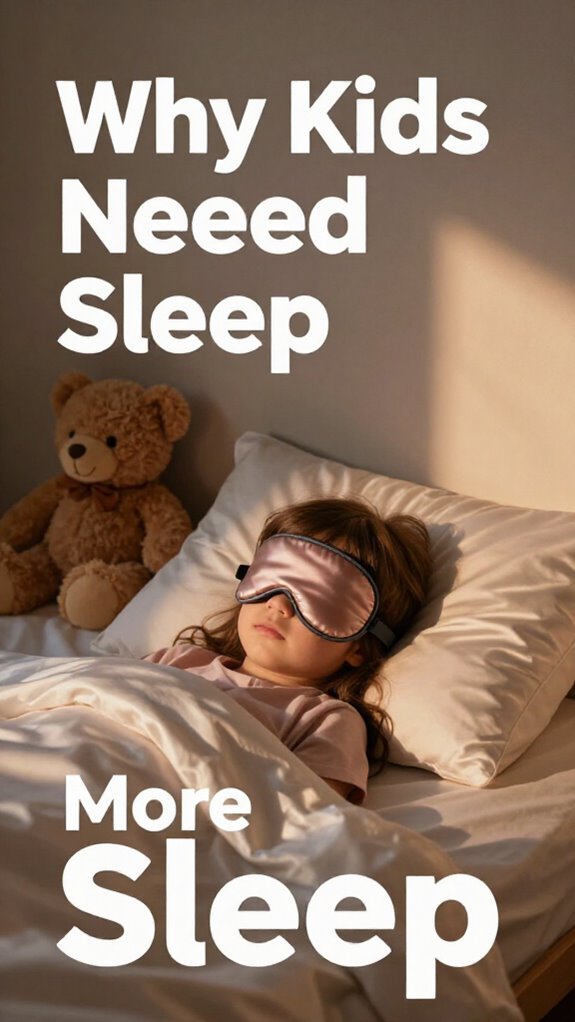
Remember when you thought pulling all-nighters was cool? Yeah, me neither—because I tried it once with my kid’s sleep schedule, and let’s just say, the tantrum that followed could’ve shattered glass.
Turns out, I wasn’t just tired. I was fighting biology.
Kids’ brains are basically construction zones—neurons wiring, pruning, partying hard 24/7. Dr. Mary Phillips at UPitt nailed it: without that deep restoration, emotional regulation goes out the window.
At Corala Blanket, we’re obsessed with this stuff. We’ve seen how proper sleep architecture changes everything. The NIH research? Validates what every exhausted parent already knew. Sleepmaxxing in 2026 isn’t a trend—it’s survival. Hatch Restore, Whoop, and Oura are all chasing what we live daily.
So here’s my question: are you actually helping them sleep, or just… waiting for bedtime to end?
Quick Takeaways
- Children’s brains undergo rapid neurodevelopment, requiring more sleep for synaptic growth and pruning.
- Sleep supports hormone regulation critical for growth, such as growth hormone, which is more active in children.
- During childhood, increased neuroplasticity demands longer sleep for memory consolidation and emotional regulation.
- Developing motor and cognitive skills necessitate additional sleep for proper neural circuit formation.
- Children’s sleep is essential for waste removal and tissue repair, supporting their fast-paced physical growth.
Why Do Children Need More Sleep Than Adults?
Children require considerably more sleep than adults because their brains and bodies are in critical stages of rapid development and neuroplasticity, requiring extended recovery to consolidate learning, rebuild tissues, and support cognitive growth. During sleep, vivid dreams exploration helps develop emotional regulation and memory pathways. Pediatric sleep disorders, like sleep apnea, can disrupt this process, impeding neurodevelopment. Researchers like Dr. Matthew Walker emphasize that sleep supports synaptic pruning and myelination essential for learning. Unlike adults, children’s energetic growth and brain maturation demand ideal sleep patterns, guided by advances in neurotechnology and environmental hygiene, to guarantee they navigate this foundational developmental phase effectively. Additionally, scientific research highlights how sleep’s restorative functions are vital for healthy developmental progress in children. The restoration process that occurs during sleep also includes removal of metabolic waste, which is crucial for maintaining healthy brain function as children grow.
How Brain Development Drives Kids’ Sleep Needs
During critical periods of neurodevelopment, the brain’s architecture undergoes extraordinary remodeling, driven by neuroplasticity theories that emphasize rapid synaptic formation and pruning. This process constructs neural networks essential for cognition and emotional regulation. A key aspect of this development involves synaptogenesis, which is particularly active during childhood and requires sufficient sleep for optimal progression. Hormonal fluctuations, particularly growth hormone and cortisol, modulate these changes, affecting sleep regulation and brain plasticity. Researchers like Dr. Frances Jensen highlight that developing neural circuits require extended periods of sleep to support myelination and synaptogenesis. As the brain scaffolds itself during childhood, intense developmental activity demands more restorative sleep—an indispensable phase where neuroplasticity thrives, ensuring adaptive, resilient neural pathways for the future.
The Role of Growth and Emotions in Children’s Sleep Patterns
Growth and emotional regulation are closely intertwined factors that markedly influence children’s sleep patterns, functioning as both drivers and recipients of restorative rest. During critical developmental milestones—such as language acquisition or motor skill mastery—cortisol and growth hormone cycles shift, demanding increased deep sleep.
Emotional resilience, shaped by early experiences and neuroplasticity research (e.g., Dr. Bruce Perry), also modulates sleep quality; stress and anxiety interfere with melatonin production, prolonging sleep latency.
Understanding this dynamic underscores the importance of a stable environment and supportive routines, as they foster regulatory capacity. These factors synergistically sustain the biological processes essential for healthy growth and emotional stability, cementing sleep’s essential role.
Vagus Nerve Stimulation Technology
Vagus Nerve Stimulation (VNS) technology harnesses the power of the parasympathetic nervous system to facilitate restorative sleep by actively modulating neural pathways involved in relaxation and stress regulation. Through targeted vagus stimulation, we influence neural plasticity, strengthening pathways that promote calmness and resilience. This technology also has the potential to improve neural circuit function, which is crucial for children’s overall sleep health. Additionally, understanding the brain-body connection helps us appreciate how VNS can positively impact sleep patterns. 1. VNS devices like gammaCore and Inspire leverage this mechanism to enhance sleep quality. 2. Stimulating the vagus nerve promotes neural circuits that support parasympathetic dominance. 3. Research from institutions like Yale links VNS-driven neural adaptation to improved sleep patterns. 4. By optimizing vagus activity, we can potentially reset dysregulated stress responses, essential for children’s sleep regulation.
Silk Sleep Mask Suggestions

As the focus shifts toward biologically harmonious sleep environments, the material and design of sleep accessories become increasingly significant. Silk sleep masks are gaining recognition for their role in optimizing rest.
Silk’s naturally smooth, hypoallergenic fibers reduce facial friction, aiding in dream enhancement by limiting skin irritation and promoting relaxation. Brands like Slip and Lunya emphasize the importance of high-grade silk for sleep aids that support eye comfort and neural calmness.
Scientific evidence suggests silk masks help maintain melatonin levels by blocking out light without exerting pressure. This promotes the production of sleep-inducing hormones and enhances overall sleep quality. Breathable fabrics like silk contribute to maintaining optimal body temperature during sleep, further supporting restful rest.
Additionally, choosing luxurious satin sheets made from similar high-quality, smooth fibers can complement silk sleep masks by providing a soft, comfortable sleep environment that elevates overall bedroom comfort, creating an optimal setting for restful sleep.
Such masks empower users to actively influence their sleep quality in line with biological rhythms.
Circadian Lighting Advancements
Advancements in circadian lighting technologies now utilize precise spectral and intensity control to synchronize our internal clocks with natural environmental cues, rather than relying solely on chemical interventions. These innovations empower parents to optimize their children’s sleep hygiene by: 1. Using blue-enriched light during mornings to reinforce wakefulness. 2. Deploying amber and red lights in the evening to facilitate melatonin production. 3. Incorporating programmable fixtures aligned with circadian rhythms. 4. Leveraging research from experts like researchers at MIT and Philips Hue’s smart lighting systems. Spectral control allows for even finer adjustments that cater to individual circadian needs. Additionally, dynamic lighting systems can adapt throughout the day, providing tailored light environments that promote healthy sleep patterns.
FAQ
How Does Sleep Impact a Child’s Physical Growth Rate?
Sleep directly impacts a child’s physical growth, as proper sleep hygiene supports hormone production, especially growth hormone. Avoiding nutrition deficiencies and maintaining good sleep habits give you more control over fostering healthy development and ideal growth rates.
Why Are Children’s Sleep Cycles Different From Adults’ Cycles?
Visualize kids’ sleep cycles as a vibrant sunrise, shifting faster with unique sleep architecture and circadian variations. I see we’re wired differently, giving children distinct rhythm patterns, so understanding lets us harness this for better control over restful, restorative sleep.
What Specific Hormones Are Involved in Kids’ Sleep Requirements?
I know that hormonal regulation, especially developmental hormones like growth hormone and melatonin, drive kids’ increased sleep needs. These hormones support growth and brain development, and understanding their role helps you optimize sleep for children’s health.
How Does Screen Time Affect Children’s Natural Sleep Rhythms?
Did you know screen disruption can delay kids’ melatonin production by up to two hours? This suppression messes with their natural sleep rhythms, so limiting screens helps kids regain control and fall asleep more easily, aligning with their biological clock.
Can Environmental Factors Override a Child’s Biological Sleep Needs?
Environmental factors can influence a child’s sleep, but they can’t override their inherent biological sleep needs. Lifestyle habits and sleep deprivation might disrupt sleep patterns temporarily, but understanding and respecting their biological rhythms guarantees healthier, more restful nights.
Summary
Understanding why children require more sleep reveals a foundation as complex as a finely woven tapestry—each thread representing growth, neural development, and emotional regulation. Researchers like Dr. Matthew Walker emphasize that deep sleep stages underpin memory consolidation and immune strengthening essential for a child’s development. Appropriately tailored environments, such as circadian lighting and Vagus nerve stimulation, serve as essential tools—supporting this natural rhythm. Recognizing these biological subtleties empowers us to foster routines that nurture their crucial, restorative sleep, ensuring they flourish as their brains and bodies grow amidst the loom of time.