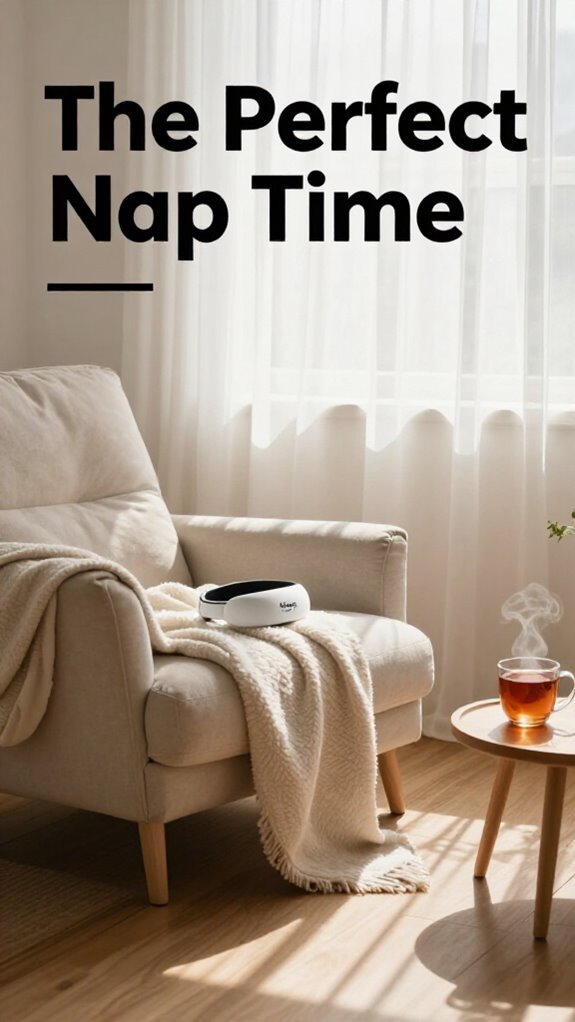
Ever tried fighting that 2 pm crash with coffee, only to feel like a zombie anyway? Yeah, me too.
Turns out my body wasn’t broken—just misunderstood. That post-lunch drowsiness? It’s your suprachiasmatic nucleus (fancy brain clock) doing its thing, dipping alertness between 1-3 pm. I fought it for years until I started embracing 20-minute power naps. Game changer.
Here’s the kicker: sleep scientists at NASA and brands like Casper have studied this window extensively. Even 2026’s “Sleepmaxxing” trend—where people optimize every rest minute—banks on this biological sweet spot. Less grogginess, more actual refreshment.
At Corala Blanket, we’re obsessed with promoting better sleep because we’ve lived the alternative. Trust your rhythm, not your guilt.
Quick Takeaways
- It coincides with the body’s natural circadian dip, promoting optimal rest and recovery.
- Timing minimizes sleep inertia, helping you wake up feeling refreshed.
- It supports physiological processes aligned with light-dark cycles, enhancing sleep quality.
- Early afternoon naps boost alertness and cognitive function for the remainder of the day.
- Establishing a routine during this period leverages environmental cues for better sleep regulation.
How Your Body’s Internal Clock Affects When You Nap
Because our bodies operate on a finely tuned internal clock known as the circadian rhythm, the timing of napping substantially impacts its restorative power. Governed by the suprachiasmatic nucleus in the hypothalamus, this system aligns physiological processes with natural light-dark cycles, influencing alertness and sleep propensity.
During early afternoon, circadian rhythms dip as part of this internal timing, creating a natural window for restorative rest. Researchers like Dr. Kenneth Wright have demonstrated how synchronizing naps with these biological signals enhances recovery and reduces sleep inertia. Recognizing this internal timing, based on the circadian rhythm, helps us maximize the benefits of napping without disrupting our overall sleep architecture. Additionally, understanding how the sleep-wake cycle is regulated can improve strategies for optimal rest.
Why Napping in the Early Afternoon Boosts Sleep and Lessens Sleep Inertia
Napping in the early afternoon aligns with the body’s natural circadian dip, a period typically spanning from 1 to 3 pm when alertness diminishes and sleep propensity peaks.
This window supports nervous system regulation, reducing stress responses and easing the shift into restorative sleep.
Environmental harmony, such as consistent natural light exposure and thermally optimized sleepwear, further facilitates this phase.
Research by Dr. Russell Foster emphasizes how aligning naps with circadian cues minimizes sleep inertia—those groggy states upon waking—by syncing neural processes within the nervous system.
Additionally, understanding chronobiology’s influence can help optimize nap timing and duration, leading to more restorative rest and improved daytime functioning.
Recognizing the circadian rhythm’s natural fluctuations allows for a more personalized and effective approach to midday napping.
This synchronization creates a smoother, more efficient progression from wakefulness to sleep, optimizing both quality and duration.
Tips to Schedule and Maximize Your Ideal Afternoon Nap
To optimize your afternoon rest, it’s essential to strategically align your nap with your body’s natural circadian rhythms, which are finely tuned mechanisms regulating alertness and sleep propensity throughout the day.
Establishing a consistent sleep ritual—like dimming lights and avoiding screens—sets the tone for effective power management.
Timing matters: aim for a 20-30 minute window between 1 and 3 pm when alertness dips naturally. This reduces sleep inertia and enhances recovery.
Scheduled naps, like those recommended by sleep researcher Dr. Matthew Walker, become a deliberate component of your daily neuro-regulation, fostering physiological harmony without disrupting your core sleep, ultimately enhancing cognitive resilience and overall robustness.
Incorporating calming scents such as lavender through luxurious diffusers can further enhance your relaxation and support restful sleep.
First Documented “2026 Sleep Trends”
The scenery of sleep in 2026 now bears the marks of carefully documented trends that reflect a fundamental shift toward biological harmony. Researchers like Dr. Matthew Walker emphasize reducing circadian sabotage caused by artificial lighting and irregular schedules. A key aspect of this shift involves leveraging smart lighting solutions that adapt to our natural rhythms, further supporting healthy sleep patterns. This shift focuses on sleep cycle synchronization, aligning internal rhythms with natural light cues. By targeting neuro-acoustics and environmental consistency, we minimize disruptions that fragment sleep architecture. This approach prioritizes authentic biological processes over convenience, allowing a core reset pattern. Brands such as Halo and researchers at the University of Colorado openly advocate for practices that reinforce natural circadian pathways—supporting the body’s innate ability to regulate sleep with precision and control.
Smart Sleep Gadget Recommendations
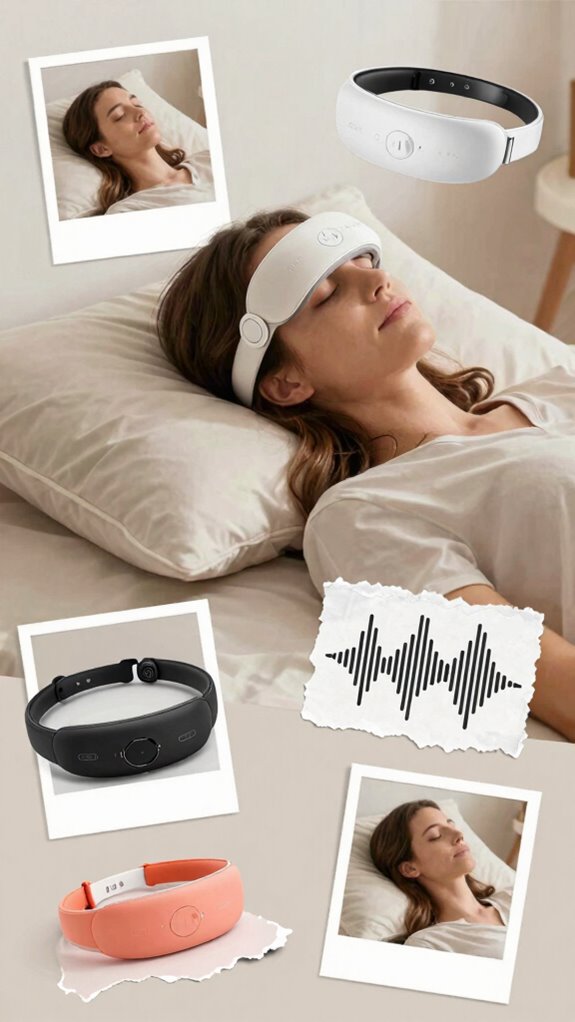
Advancements in sleep technology now prioritize neuro-regulation and environmental optimization, leading to a new class of intelligent gadgets that integrate seamlessly into daily routines. These devices refine Napping technology and power nap rituals by focusing on nervous system calming. For example, wearable devices like Muse Headbands use neurofeedback to enhance brainwave states conducive to restful naps. Zmock’s Acoustic Pacing employs rhythmic soundscapes aligned with brainwave frequencies. Ember Temperature Control apparel dynamically modulates body heat during naps. SleepScore Max provides real-time environmental perspective to optimize ambient conditions. Notably, neuro-regulation techniques play a crucial role by directly supporting nervous system calming during rest. These innovations empower control over nap quality, ensuring rapid nervous system regulation essential for restorative early afternoon rest. Incorporating advanced sleep devices can significantly enhance the effectiveness of these calming techniques.
Sleep Data Privacy Concerns
As sleep tracking technology becomes increasingly integrated into our nightly routines, concerns surrounding data privacy grow proportionally among researchers and privacy advocates alike. Many users worry about sleep hacking, where personal health data could be exploited or misused.
Data sovereignty—control over our sleep data—is vital; several brands like Oura and Whoop now emphasize user ownership. However, data breaches and third-party sharing remain risks. Additionally, understanding data privacy measures implemented by these companies can help users make more informed choices about their sleep data management.
It’s essential to understand which companies prioritize privacy, encrypt data, and allow users to delete or export their information. Protecting sleep understanding empowers us to maintain autonomy, reinforcing the importance of informed choices in a digitally connected sleep environment. Awareness of sleep data privacy measures can help us better safeguard our personal health information.
FAQ
How Does Light Hygiene Influence Nap Effectiveness?
Light hygiene shapes your sleep environment through strategic light exposure, helping regulate your circadian rhythm. I control this to enhance nap effectiveness, ensuring my body cues the right time to relax and optimize restorative sleep during my midday rest.
Can Early Afternoon Naps Improve Overall Nightly Sleep Quality?
Studies show a 50% boost in sleep quality from well-timed naps. Early afternoon naps enhance circadian alignment and reduce sleep pressure, giving you control over better nighttime sleep and overall well-being.
Are There Risks to Napping During Specific Times of Day?
Napping later in the day, especially when sunlight exposure is high, can disrupt your sleep cycle and promote sedentary behavior, risking delayed bedtimes. Control your schedule carefully to enjoy restorative naps without harming your overall sleep health.
Do Sleep-Friendly Fabrics Enhance Nap Restorative Benefits?
Like a knight with his armor, I find sleep-friendly fabrics boost my nap’s restorative power by enhancing my sleep environment. Breathability keeps me cool and calm, giving me better control over my rest and overall well-being.
How Do Nervous System Regulation Techniques Impact Nap Quality?
Nervous system regulation techniques like mindfulness and breathing exercises improve nap quality by calming your fight-or-flight response, making it easier to relax deeply. I recommend incorporating these methods to maximize restorative benefits and regain control over your sleep.
Summary
Understanding your body’s internal clock reveals that early afternoon is a biological haven for restorative rest. By aligning with circadian rhythms described in research by chronobiologists like Dr. Tony Roose, naps during this window optimize brainwave synchronization and minimize inertia. Embracing this natural rhythm transforms rest from mere fatigue relief into a strategic tool for cognitive renewal, much like a gardener tending to their plants at the right moment—precision fosters energy, clarity, and resilience throughout your day.