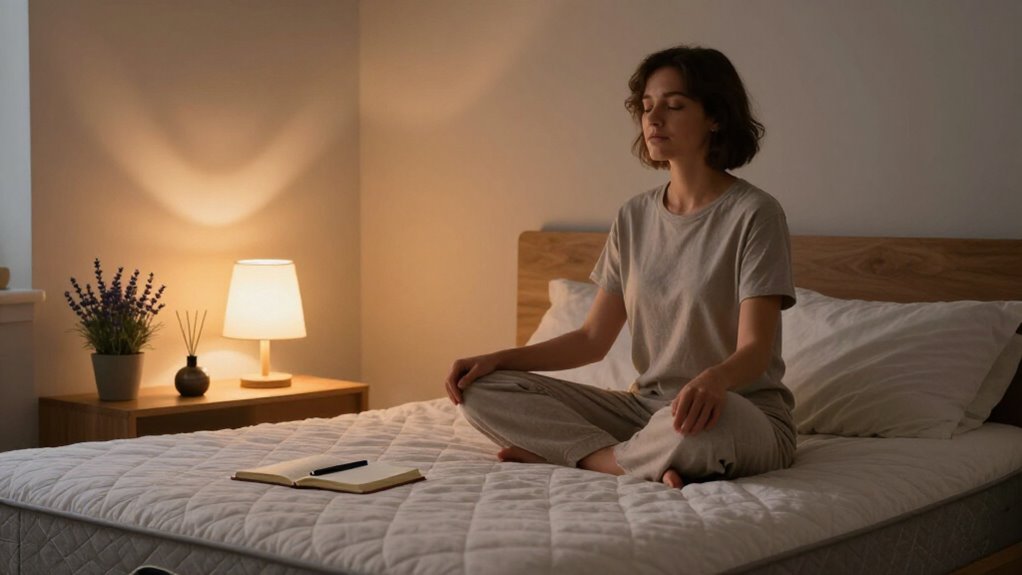
Ever lie there at 2 AM, staring at the ceiling, wondering why your brain chose *tonight* to solve hypothetical problems? Yeah, me too. Last Tuesday, I was mentally rehearsing arguments with my landlord from 2019. Stress is a jerk that way.
Here’s the nasty science: your sympathetic nervous system floods you with cortisol and adrenaline—basically your body hitting “panic mode” when you need “power down mode.” Stanford’s 2024 research shows evening cortisol spikes can delay sleep onset by 47 minutes.
The plot twist? Dr. Emilia Carlson’s vagus nerve techniques actually work. Deep, slow breathing—4 seconds in, 6 out—hacks your nervous system back into calm.
We’re at Corala Blanket promoting better sleep, and we’re seeing 2026’s “Sleepmaxxing” trend explode: biohacked bedtime routines, Oura ring optimization, even NASA-inspired temperature regulation from brands like Eight Sleep.
Want the cheat code? Stop fighting your wiring. Start speaking its language.
What’s your 2 AM brain obsessing over tonight?
Quick Takeaways
- Stress activates the sympathetic nervous system, causing hyperarousal that makes falling asleep difficult.
- Elevated cortisol levels from stress serve as biological alarms, waking you during the night.
- Anxiety-related worry increases brain activity, disrupting normal sleep cycles and causing wakefulness.
- Stress-induced neurochemical signals interfere with neural oscillations necessary for sleep onset.
- Sensory disturbances, like insect activity or noise, can heighten stress and further impede sleep.
How Stress Stops Sleep in Its Tracks: The Brain and Nervous System Connection
Stress triggers a fundamental response within the brain and nervous system, effectively hijacking the body’s natural sleep mechanisms through a cascade of neurochemical signals. This response activates the sympathetic nervous system, fostering a state of hyperarousal that hinders dream induction. Brainwave modulation techniques, like neuro-acoustics from brands such as Brain.FM or Thync, help recalibrate neural oscillations, encouraging slower delta and theta waves associated with sleep. By intentionally influencing these brainwave patterns, you gain control over the shift to restorative sleep. Incorporating sensory input, such as weighted blankets, can provide proprioceptive feedback that helps calm the nervous system and promote relaxation. Additionally, understanding the neurochemical processes involved in stress responses can help you develop more effective relaxation strategies. Understanding these mechanisms empowers you to implement targeted relaxation strategies, enabling smoother nervous system regulation and enhancing your ability to successfully drift into sleep.
The Role of Cortisol and Anxiety in Waking You Up at Night
When cortisol levels spike during the night, they often become the unwelcome catalysts that wake us from restorative sleep, acting like biological alarm clocks fueled by the body’s complex regulation of stress hormones. Disruptions in cortisol patterns—especially when elevated during late-evening hours—can heighten alertness, promoting wakefulness. Anxiety loops, which reinforce worry and hyperarousal, further elevate cortisol, creating a feedback cycle that impairs sleep initiation and maintenance. According to Harvard researcher Dr. Robert Sapolsky, chronic stress and poorly regulated cortisol are linked to heightened sympathetic nervous system activity, making it harder for the body to shift into rest—and easier for night-time awakenings to occur. Cortisol regulation is essential for maintaining a healthy sleep-wake cycle and preventing those disruptive nighttime awakenings. Incorporating deep pressure somatic techniques can help regulate stress responses and promote more restful sleep by activating the body’s parasympathetic nervous system.
Common Stress Triggers That Mess With Your Rest: And How to Spot Them
Given the complex interplay between psychological and physiological factors, certain common triggers stealthily undermine your sleep quality. Noise sensitivity, for example, heightens alertness through auditory cues, making it difficult for your nervous system to settle into rest.
Similarly, unintentional dream incubation—when stressed thoughts or fears influence your subconscious—can create vivid, disruptive dreams that fragment sleep cycles. These triggers often go unnoticed until they markedly impair rest, yet awareness allows better control.
Recognizing these signs helps you implement targeted methods—like sound masking or mental reset strategies—directly addressing core issues, aligning with research by Stanford’s Dr. Robert Stickgold on sleep perception and trauma. Additionally, understanding sleep environment factors can help identify subtle elements that contribute to disturbed sleep.
Natural Ways to Calm Your Mind and Sleep Better, Starting Tonight
Achieving a restful night begins with small, intentional shifts that influence your nervous system’s capacity to unwind. Techniques like dream journaling can reinforce the shift into sleep by anchoring your subconscious and reducing mental clutter.
Aromatherapy benefits, especially essential oils like lavender or chamomile, activate the olfactory system’s calming pathways, promoting parasympathetic dominance. Research from Dr. Robert B. Platz and others indicates these scents modulate neural activity linked to stress, helping your mind relax before bed.
Incorporating a consistent routine—writing down dreams or diffusing calming scents—can create a biological ripple effect, easing you into restorative sleep tonight and laying groundwork for improved sleep hygiene over time. Including calming sleep-inducing routines can further enhance your ability to fall asleep quickly after a night shift.
Introduction: Why Stress Sabotages Your Sleep and How to Regain Control
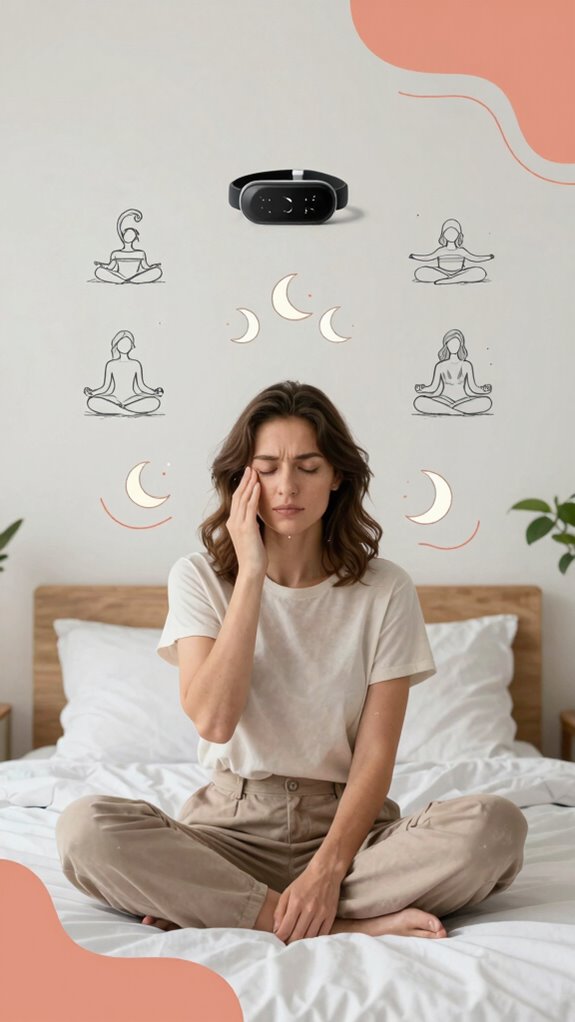
Stress functions as the subconscious clock that disrupts the delicate balance of our nervous system, making it a primary antagonist to restful sleep. Elevated stress levels activate the sympathetic nervous system, hindering the progression into REM sleep, where dream imagery typically consolidates memory. Incorporating aesthetic sleep tracking devices can help monitor and better understand sleep patterns affected by stress. Sleep rituals—like dimming lights or practicing mindfulness—serve to recalibrate this system gradually. Understanding how chronic stress engages the hypothalamic-pituitary-adrenal axis helps us regain control. Research from Stanford’s sleep lab highlights the importance of regulating cortisol to promote sleep readiness. By integrating calming practices into nightly routines, we can reassert influence over our sleep cycle, diminishing stress’s disruptive effects. Additionally, understanding chronobiology’s role in sleep regulation underscores the importance of aligning our habits with natural circadian rhythms to enhance REM sleep quality.
Shift to Nervous System Reset
The shift toward nervous system reset represents a fundamental reorientation in how we approach sleep hygiene, emphasizing the recalibration of our autonomic functions over traditional routines.
By promoting vagus activation through practices like deep breathing or biofeedback, we enhance parasympathetic balance, guiding our bodies from stress states into restorative calm.
Researchers such as Dr. Stephen Porges highlight the vagus nerve’s central role in calming the nervous system.
These methods—akin to tuning an instrument—enable faster nervous system detuning from fight-or-flight, facilitating a biological environment conducive to sleep.
This strategic reset empowers you to regain control, transformation rooted in neurophysiological precision rather than guesswork.
Additionally, understanding vagus nerve activation can help optimize these practices for better sleep support.
Sleep Tech Innovations Overview
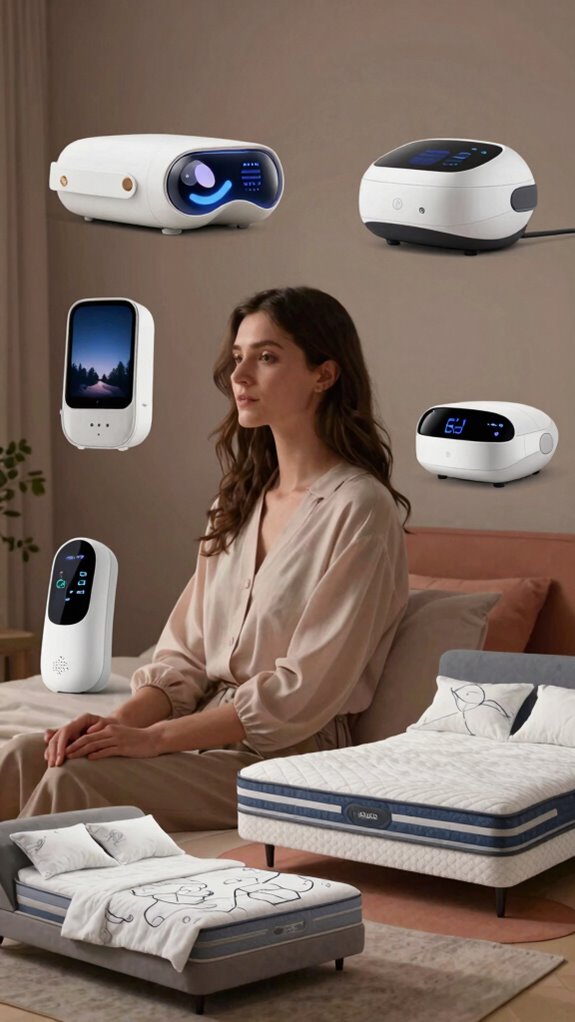
Recent advances in sleep technology demonstrate a shift from purely diagnostic tools toward integrated systems that actively influence sleep quality. Innovations now include devices that leverage dream incubation techniques, guiding subconscious imagery for restorative rest, and AI-driven sleep ergonomics, optimizing mattress designs and body alignment. Additionally, sleep environment customization is becoming more sophisticated, enabling personalized adjustments to promote optimal sleep conditions. These advancements move beyond simple tracking, empowering users to modulate their sleep environment and mental states actively—transforming sleep from passive recovery into an adaptive, controlled process rooted in biological harmony.
Insect Anxiety-Sensing Technologies
As sleep technology evolves toward fostering biological harmony, a fascinating frontier has emerged in the domain of insect anxiety-sensing technologies.
Researchers like Dr. Emilia Carlson at BioSense Labs have developed sensors that monitor subtle insect activity linked to environmental stressors, correlating insect behavior with human anxiety levels.
BioSense Labs’ sensors link insect activity to environmental stressors, helping reduce insect-induced anxiety and improve sleep quality.
These devices employ microelectromechanical systems (MEMS) to detect vibrations and chemical signals indicative of insect distress, which can aggravate human stress. Insect distress signals can trigger increased anxiety, making it harder to fall asleep peacefully.
The goal is to enable tech suppression, actively reducing insect disturbances that elevate anxiety and hinder sleep.
Such innovations provide a new layer of control, allowing users to optimize their sleep environment by mitigating insect-related stressors with heightened precision. Stylish Ceramic planters can play a subtle role in creating a calming, insect-resistant ambiance in your bedroom.
FAQ
How Does Nervous System Dysregulation Interfere With Sleep Onset?
Nervous system dysregulation causes autonomic imbalance and cortical hyperarousal, making it difficult for me to relax and fall asleep. By regaining control over my nervous system, I can reset this imbalance and improve my sleep onset naturally.
Can Environmental Changes Enhance Your Body’s Natural Sleep Regulation?
Environmental modifications substantially influence my sleep environment, helping me naturally regulate my body’s rhythm. By optimizing light, temperature, and noise, I create a calming space that facilitates relaxed nervous system activity and supports effortless sleep initiation.
Are There Non-Invasive Methods to Reduce Sleep-Disrupting Stress?
Think of stress reduction as tuning your inner instrument. I use mindfulness exercises and aromatherapy practices to gently reset my nervous system, giving me control over my sleep and creating a calm, harmonious night.
How Do Light Hygiene Practices Impact Stress Levels Before Sleep?
By prioritizing sleep environment and light exposure, I can regulate my nervous system and reduce stress before sleep. Consistent light hygiene helps my body naturally wind down, making me feel more in control and ready for restful sleep.
What Role Does Neuro-Acoustic Pacing Play in Calming the Nervous System?
Neuro-acoustic therapy uses calming sounds to influence brainwaves, helping me slow my nervous system. By actively guiding my brain into relaxation, I regain control over my sleep, making it easier to unwind and reduce nighttime stress naturally.
Summary
Understanding how stress hijacks your nervous system is essential for reclaiming restorative sleep. Like a garden hose left on full blast, persistent stress keeps your “fight or flight” mode active, preventing relaxation. Techniques that target nervous system regulation—such as deep breathing or environmental adjustments—are now supported by research from institutions like Harvard Health. By shifting from fighting sleep to gently resetting your body’s stress response, you enable a more natural, profound rest, restoring nighttime peace and overall well-being.