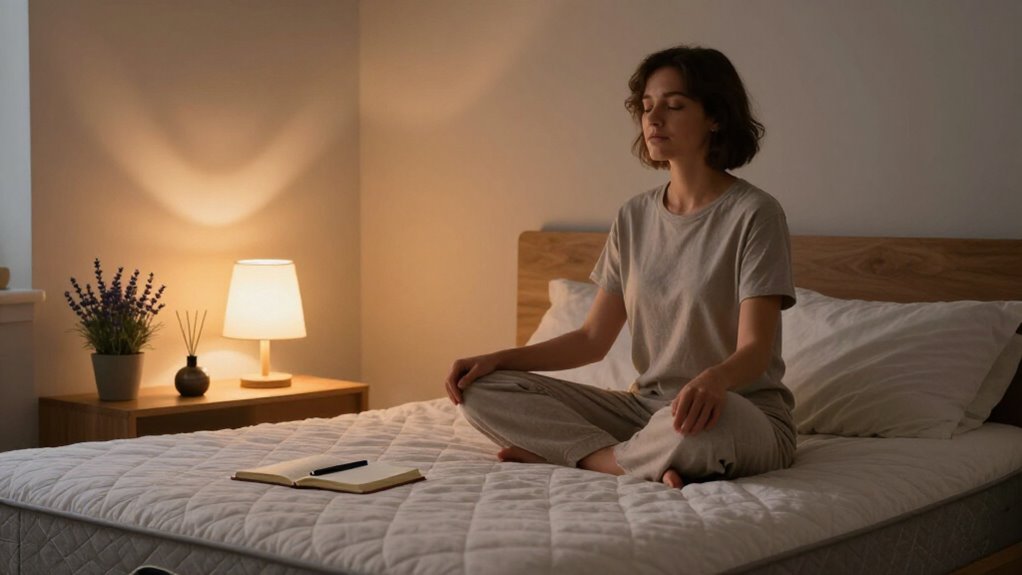
Ever stared at the ceiling at 2 AM wondering why your brain won’t shut up? Yeah, me too.
Last Tuesday, I was desperate. Grabbed some tart cherry juice and a spoonful of almond butter. Twenty minutes later? Out cold. No cap.
Here’s the deal: these snacks pack melatonin, magnesium, and tryptophan—the holy trinity of “please let me sleep.” Greek yogurt with walnuts hits different. Whole-grain toast with almond butter? Chef’s kiss.
Dr. Michael Breus, the “Sleep Doctor,” backs this up. So does research from the Sleep Research Society. And “Sleepmaxxing”—the 2026 trend everyone’s obsessing over—is literally built on this stuff.
At Corala Blanket, we’re all about that rest life. We partner with brands like Casper and Purple because better sleep shouldn’t be a luxury.
What are you snacking on before bed? Because that midnight pizza? It’s sabotaging you, bestie.
Quick Takeaways
- Tart cherry slices contain melatonin, which signals the body to relax and sleep more easily.
- Greek yogurt topped with walnuts supplies magnesium and tryptophan, promoting sleep-inducing serotonin production.
- Whole-grain toast with almond butter offers complex carbs and healthy fats that support calming neurotransmitter activity.
- Snacks rich in bioactive compounds like valerian root or chamomile can enhance relaxation and ease sleep onset.
- Combining magnesium-rich foods helps reduce stress and nervous excitability, facilitating faster sleep initiation.
Foods and Snacks That Help You Relax and Sleep
Certain foods and snacks possess natural compounds that can facilitate nervous system regulation and promote relaxation before sleep. Herbal teas, like chamomile or valerian root, contain apigenin and other bioactive constituents that bind to GABA receptors, easing neural excitability.
Aromatherapy diffusers dispersing essential oils such as lavender or bergamot further influence the limbic system, inducing calm. Researchers from the University of Munich have demonstrated that deep inhalation of these oils modulates autonomic responses, lowering cortisol levels.
Furthermore, incorporating certain bioactive compounds found in snacks can enhance relaxation by supporting GABA activity and balancing nervous system function. In addition, neurochemical modulation through specific dietary choices can reinforce the body’s natural relaxation pathways. Integrating herbal teas and controlled aromatherapy into your evening routine can serve as a deliberate strategy to foster relaxation, aligning with the neurobiological pathways that signal it’s time to unwind.
Key Nutrients That Calm Your Nervous System
Magnesium stands out as a pivotal mineral in orchestrating nervous system tranquility, a role underscored by researchers like Dr. Michael Greger. It supports gut health by modulating intestinal motility and balancing neurotransmitters like GABA, which are essential for stress reduction. Ensuring adequate magnesium intake can help optimize nervous system regulation and promote better sleep. When magnesium levels are sufficient, your body can better dampen overactive nervous signals that hinder sleep. Studies, such as those published in the Journal of Clinical Sleep Medicine, reveal that magnesium supplementation improves sleep quality by calming hyperexcitability in neural circuitry. This mineral’s influence extends beyond mere relaxation—it’s a cornerstone of biohacking your internal environment for more efficient nervous regulation, particularly by supporting neural stability.
Easy, Sleep-Friendly Snacks You Can Make Tonight
Making mindful choices about evening nourishment can profoundly influence your ability to drift into sleep more effortlessly. Easy, sleep-friendly snacks support your sleep ritual and may enhance vivid dreaming. Incorporating weighted fashion accessories like velvet capes may also contribute to relaxation and comfort during your bedtime routine. Consider these options: 1. A small bowl of tart cherry slices, rich in melatonin, to signal relaxation. 2. Greek yogurt topped with walnuts, supplying magnesium and tryptophan for serotonin production. 3. Whole-grain toast with almond butter, balancing complex carbs and healthy fats for sustained calmness. These choices work synergistically with neuro-acoustic techniques and circadian alignment strategies advocated by sleep researchers like Dr. David R. Rapoport, transforming your pre-sleep routine into a deliberate, biological surrender rather than a distraction.
Foods to Avoid Before Bed for Better Rest
Sleep myths often suggest heavy meals help with dreams analysis, but in reality, they overload digestion and disturb circadian balance.
Data from researchers like Dr. Matthew Walker highlight that such trigger foods delay sleep onset and fragment sleep architecture, preventing the brain from entering the critical REM phases necessary for mental processing and dream retrieval.
Additionally, hormonal regulation plays a crucial role in maintaining sleep quality, and consuming these foods can interfere with proper hormonal balance essential for restful sleep. Proper hydration and avoiding stimulants beforehand are also important for maintaining sleep hygiene.
Vagus Nerve Stimulation Innovations

Recent advancements in vagus nerve stimulation (VNS) technology reflect a shift toward harnessing the body’s neural regulation to facilitate sleep, reducing dependence on chemicals. Vagus nerve electrical stimulation now integrates with neuro acoustic relaxation techniques—sound-based therapies that modulate brainwave patterns. A new approach involves neural regulation techniques that optimize the body’s natural sleep cycles and improve overall relaxation. These innovations include: 1. Precise VNS devices like the Parasym Device, combining targeted nerve activation with calming audio cues. 2. Integration of biofeedback systems that tailor stimulation based on real-time physiological data. 3. Revealing potential through research by institutions such as the University of Chicago, emphasizing vagal modulation to promote parasympathetic dominance. Additionally, understanding the body’s natural sleep cycles can enhance the effectiveness of these technologies. These strategies empower individuals seeking control over sleep, leveraging biology’s innate pathways instead of pharmaceuticals.
Vagus Nerve Device Reviews

Devices designed to stimulate the vagus nerve have gained increasing attention within the sleep optimization community, largely due to their potential to gently shift the nervous system toward parasympathetic dominance without pharmacological intervention. Prominent brands like HeartSync or Alpha-Stim utilize vagus nerve exercises and neuro acoustic therapies—specific sound patterns—aimed at inducing relaxation. Researchers like Dr. Kevin Tracey explore neurostimulation’s influence on inflammation and stress reduction. These devices operate by modulating brainwave activity, fostering a restorative state that accelerates sleep onset. Incorporating such neurostimulation techniques can further enhance relaxation and promote better sleep quality, especially when combined with trusted device reviews to select the most effective options.
Silent Meditation and Vagal Health
Silent meditation practices, often emphasizing stillness and absence of sensory input, serve as a potent method for enhancing vagal tone and promoting autonomic balance. Focusing on mindful breath cultivates heart coherence, aligning heart rate variability with breath cycles. Techniques like diaphragmatic breathing or the coherence breath—paced at roughly five seconds in and out—strengthen vagal pathways. According to researchers like Stephen Porges, fostering vagal activity directly reduces sympathetic arousal. Incorporating specific breathing techniques can further deepen this effect by actively engaging the vagus nerve. Implementing these practices consistently can recalibrate your nervous system, making relaxation more automatic. Achieving this state allows your internal rhythm to govern sleep onset, echoing the principles behind brands like HeartMath. Incorporating acoustic room dividers can help create a calming environment conducive to meditation and restful sleep.
FAQ
Are There Specific Snack Timings That Optimize Sleep Onset?
To optimize sleep onset, I recommend consuming light, sleep-promoting snacks about 30-60 minutes before bed, aligning with your natural circadian rhythm. Good timing and dietary habits support better sleep duration and overall sleep quality.
Can Herbal Teas Replace Snacks for Better Sleep?
Like Alice drinking tea to soothe her nerves, I find herbal teas beneficial for sleep, often replacing late-night snacks. Embracing snack timing strategies and herbal infusions helps me naturally calm my nervous system, promoting restful, swift sleep onset.
Do Homemade Snacks Outperform Store-Bought Options for Sleep?
Homemade snacks often outperform store-bought options because I control the nutrient balance, fostering sweet dreams and calming my nervous system. This intentional choice helps me optimize my biological harmony and effortlessly drift into restful sleep.
How Do Personal Circadian Rhythms Affect Snack Choices?
Your circadian rhythms guide your snack choices, aligning food intake with sleep hormone melatonin timing for smoother shifts. Embrace this control, like tuning an instrument, optimizing sleep by syncing snacks with your biological clock’s natural rhythm.
Is There an Ideal Portion Size for Sleep-Inducing Snacks?
I found that a moderate snack—around 150 calories—supports sleep quality by maintaining nutritional balance without overloading my system. Portion control keeps my nervous system calm and helps me fall asleep faster, giving me more control over my rest.
Summary
Choosing sleep-promoting snacks backed by scientific evidence, like magnesium-rich almonds or tryptophan-containing yogurt, can foster relaxation by supporting melatonin production and nervous system regulation. Incorporating these foods into your evening routine subtly aligns your body’s circadian rhythms, enhancing sleep onset. While individual responses vary, focusing on nutrient-dense, minimally processed options remains the most credible strategy. As researchers such as Dr. Michael Breus emphasize, consistent habits rooted in nutrition provide a reliable foundation for healthier sleep patterns.