I used to be that person—tossing and turning at 2 AM, mind racing like crazy. Then I discovered something that actually worked.
Deep breathing? Game-changer. Progressive muscle relaxation? Chef’s kiss. I started using lavender oil (brands like Aesop really nail it) and suddenly my nervous system wasn’t so fired up anymore.
Here’s the thing though—environment matters just as much. I invested in blackout curtains and kept my room cool. We at Corala Blanket are all about this; our weighted blankets actually activate that parasympathetic response you need.
Meditation apps, ambient sounds, regulating light exposure—it’s not rocket science, but it does require consistency. Not every technique works for everyone, honestly.
Want to know what sealed the deal for me? A solid routine plus the right setup. That’s when sleep finally stopped being my enemy.
Quick Takeaways
- Establish a calming bedtime routine by dimming lights, playing soothing music, and avoiding stimulating activities before bed to manage anxiety and improve sleep quality.
- Practice deep breathing techniques and progressive muscle relaxation to activate the parasympathetic nervous system, lower heart rate, and promote physical relaxation for better sleep.
- Incorporate mindfulness meditation, visualization exercises, and nature-inspired soundscapes to calm the mind, reduce anxiety, and enhance overall sleep quality.
- Maintain a consistent sleep-wake cycle by managing light exposure and limiting blue light from electronic devices before bed to support the body’s natural circadian rhythm.
- Use herbal teas, essential oils, and aromatherapy to create a soothing sleep environment and induce relaxation, thereby reducing anxiety and improving sleep.
Establish a Peaceful Bedtime Routine
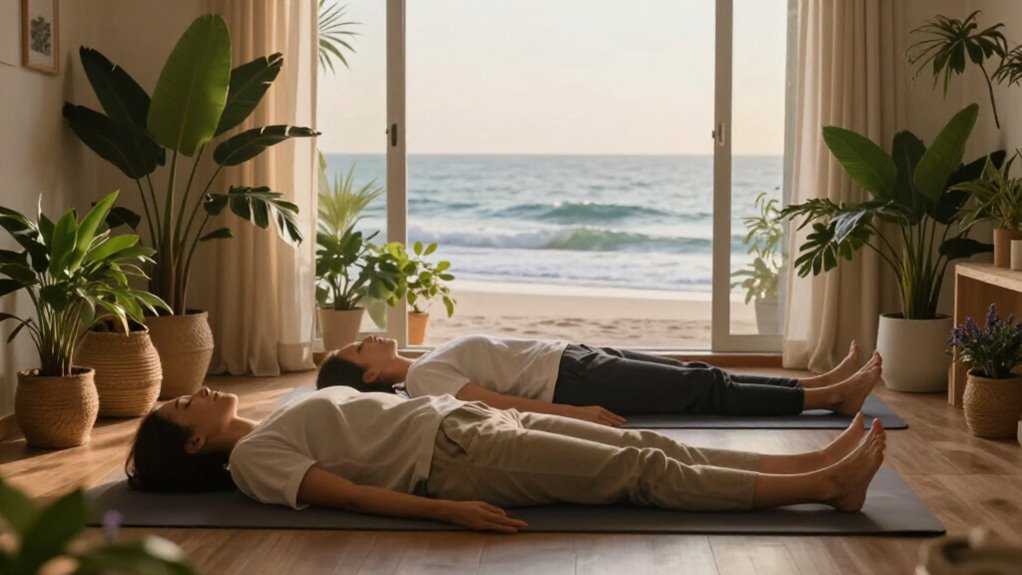
Establishing a peaceful bedtime routine is a key strategy for calming anxiety and promoting restful sleep. Incorporating relaxation techniques like light yoga or meditation can help unwind the body and mind.
Dimming lights, playing soothing music, and using calming scents like lavender create an evening ambiance conducive to relaxation. Following consistent bedtime rituals, such as taking a warm bath or reading, cue the brain that it’s time to wind down.
Experts recommend avoiding stimulating activities like using electronic devices shortly before bed. Establishing a calming pre-bedtime routine can effectively manage anxiety and improve sleep quality. Cognitive behavioral therapy techniques, when integrated into nightly practices, have shown strong evidence as an effective treatment for reducing sleep-disrupting anxiety.
Breathe Deeply to Calm the Mind
Breathing deeply activates the parasympathetic nervous system, which triggers a relaxation response to counteract the body’s anxious fight-or-flight state. This breath awareness and diaphragmatic breathing technique can effectively reduce anxiety at bedtime. Creating a calming bedroom sleep environment alongside these practices enhances the relaxation response and prepares the mind for rest.
| Breathing Technique | Duration |
|---|---|
| Inhale through nose | 4 seconds |
| Hold | 4 seconds |
| Exhale through mouth | 6 seconds |
Practicing this 3-4-6 pattern for 5-10 minutes before bed helps lower heart rate and blood pressure. Studies by researchers like Dr. Andrew Weil show these calming physiological changes promote deeper, more restful sleep.
Find Tranquility Through Meditation
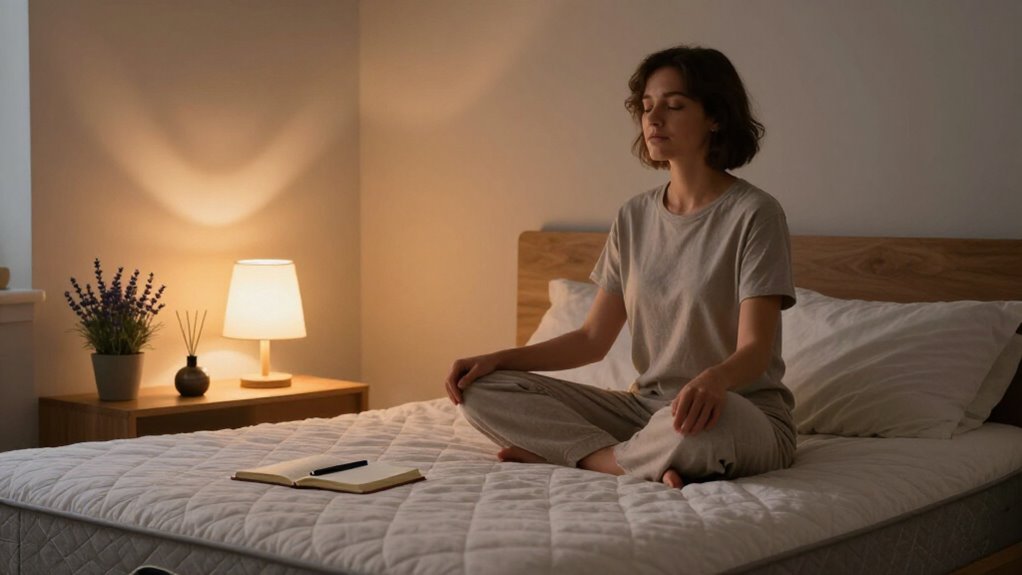
Meditation offers an alternative approach to calming the mind and promoting tranquility at bedtime. Mindfulness practices, such as guided imagery and breathing techniques, can induce relaxation and focus the attention inward.
Visualization exercises that picture serene natural settings or progressive body scans that bring awareness to physical sensations may help cultivate a state of calm. Listening to nature sounds, like crashing waves or rustling leaves, can also trigger the parasympathetic nervous system and lower physiological markers of stress.
Research shows regular meditation practice may enhance sleep quality and reduce anxiety. Consistent use of these techniques may lead to improved sleep and reduced bedtime distress. For those seeking additional support, herbal remedies rooted in traditional practice can complement these mindfulness techniques.
Relax Muscles With Progressive Relaxation

Progressive relaxation is a technique that systematically releases physical tension throughout the body. By focusing on muscle awareness and consciously releasing tension, this method helps calm the mind and body for better sleep.
| Muscle Group | Tension | Relaxation |
|---|---|---|
| Feet and Legs | Tighten by curling toes and tensing leg muscles | Slowly release tension, feel muscles go limp |
| Abdomen and Chest | Breathe in deeply, expanding belly and chest | Exhale fully, allow muscles to relax |
| Face and Neck | Furrow brow, clench jaw, and tense neck | Gradually loosen facial features, relax neck |
Practicing progressive relaxation before bed can effectively reduce anxiety and promote restful sleep.
Unwind With Light Yoga and Stretching
Gently stretching and flowing through simple yoga poses can also be highly effective for soothing anxiety and preparing the body for sleep. This mindful movement helps to:
- Release muscle tension and promote relaxation
- Shift focus inward through breathwork and gentle poses
- Calm the mind and foster a sense of grounding before bed
Many experts recommend light, restorative yoga routines featuring gentle flows and stretches as a natural technique for unwinding and easing anxious thoughts at bedtime.
Incorporating these practices into one’s sleep hygiene routine can enhance sleep quality and duration by alleviating pre-sleep jitters.
Establishing consistent bedtime routines is essential for signaling to the nervous system that it is time to transition into rest.
Limit Blue Light to Promote Better Sleep
The ubiquitous presence of digital screens in modern life poses a significant challenge to restful sleep. The blue light emitted by smartphones, tablets, and computers can disrupt the body’s natural circadian rhythms, suppressing melatonin production and making it harder to fall and stay asleep.
To promote better sleep, experts recommend limiting screen time before bed and implementing a digital detox. This allows the brain to naturally shift into a relaxed state, facilitating deeper, more restorative sleep.
Brands like Flux and researchers at Harvard Medical School offer evidence-based strategies to minimize blue light exposure and improve sleep quality.
Sip Herbal Teas That Induce Relaxation

Herbal teas offer a natural and soothing path to relaxation before bed.
Herbal teas offer a natural and soothing path to relaxation before bed.
Key herbal tea benefits include:
- Chamomile tea contains apigenin, an antioxidant that binds to certain receptors in the brain, which may promote sleepiness and reduce anxiety.
- Valerian root tea has been used as a sleep aid for centuries, potentially increasing the production of gamma-aminobutyric acid (GABA), a neurotransmitter that lowers brain activity.
- Lavender tea has a calming, floral aroma that can elicit a state of tranquility, helping to quiet the mind and body for a restful night’s sleep.
Herbal tea recipes can be customized to address individual needs for relaxation and sleep. Pairing your tea with sleep-friendly snacks can further support your body’s natural transition into rest.
Diffuse Calming Essential Oils
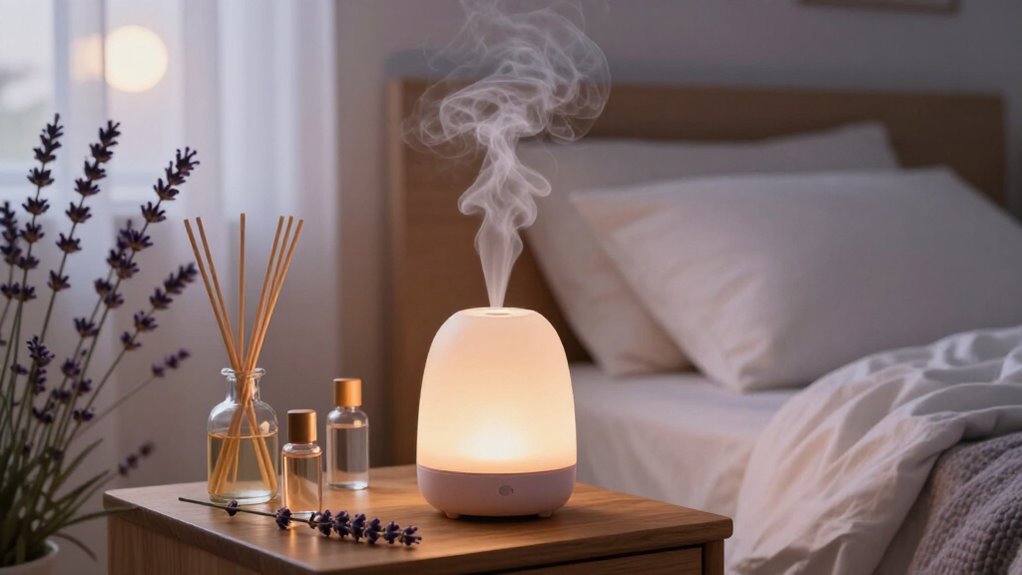
Diffusing calming essential oils can create a tranquil environment that promotes relaxation before bed. Certain essential oil blends are particularly effective for easing anxiety and inducing sleepiness. For instance, lavender oil is well-known for its soothing aroma, while bergamot and chamomile offer additional calming properties.
| Essential Oil | Key Benefits | Relaxation Effect |
|---|---|---|
| Lavender | Calms the mind, reduces stress | Promotes deep breathing and restful sleep |
| Bergamot | Uplifts mood, lowers cortisol levels | Relieves tension and anxiety |
| Chamomile | Anti-inflammatory, induces tranquility | Eases muscle tension and restlessness |
| Ylang Ylang | Regulates heart rate, stabilizes emotions | Fosters a sense of peaceful surrender |
| Clary Sage | Balances hormones, boosts self-esteem | Relieves worry and nervous tension |
The therapeutic benefits of these essential oil blends are well-documented in aromatherapy research. When selecting aromatherapy oils for bedroom use, prioritize pure, high-quality products to maximize their calming effects and ensure safe inhalation throughout the night.
Listen to Soothing Sounds for Sleep
Soothing sounds can also help induce a state of calm and relaxation prior to sleep.
Soundscapes therapy, such as:
- Nature sounds like ocean waves, rain, and forest ambiance
- Ambient music with rhythmic patterns and gentle chimes
- White noise or other background sounds that mask disruptive noises
These auditory experiences can trigger the parasympathetic nervous system, promoting sleep by lowering heart rate and blood pressure.
Research shows that listening to personalized sleep playlists, tailored to one’s preferences, can considerably improve sleep quality and reduce anxiety symptoms.
White noise machines are particularly effective at dulling bedroom noise by creating a consistent sound environment that minimizes the impact of sudden disturbances.
Create a Dark, Cool, and Quiet Sleep Environment
A dark, cool, and quiet sleep environment is essential for promoting sleep and reducing anxiety. Ideal color schemes, such as soft blues, greens, or neutrals, can induce calmness. Noise reduction through sound-absorbing materials or white noise devices minimizes auditory stimulation. Temperature control, ideally between 65-70°F, regulates the body’s natural circadian rhythms. Lighting options, including dimmers or blackout curtains, limit exposure to blue-light wavelengths that disrupt melatonin production. Quality bedding materials and comfortable mattresses enhance relaxation. Air quality, free of dust and pollutants, supports respiratory ease. Minimizing sensory stimulation through decluttered decor elements allows the mind to rest. Avoiding alcohol consumption several hours before bedtime supports uninterrupted sleep architecture and reduces nighttime awakenings.
| Color Schemes | Noise Reduction | Temperature Control |
|---|---|---|
| Soft Blues | Sound Absorbing | 65-70°F |
| Gentle Greens | White Noise | Circadian Rhythm |
| Neutral Tones | Acoustic Panels | Thermostat |
| Warm Neutrals | Earplugs | HVAC System |
| Muted Palettes | Sound Machines | Climate Control |
Circadian Rhythm Influences Sleep Patterns
The human circadian rhythm, an innate 24-hour biological cycle, profoundly influences sleep patterns and quality. This internal “biological clock” regulates:
- Sleep-wake cycles governed by the release of sleep hormones like melatonin
- Ideal timing for falling asleep and waking, tied to light exposure
- Consistent bedtime routines to reinforce the body’s natural rhythms
Disrupting the circadian rhythm through irregular schedules, blue light before bed, or jet lag can lead to insomnia, fragmented sleep, and daytime fatigue.
Maintaining a consistent sleep-wake cycle and limiting light exposure at night supports melatonin production for better quality rest. Evening screen time can suppress melatonin levels due to blue light exposure, making it harder to fall asleep naturally.
Calming Essential Oils for Relaxation
Certain essential oils have long been used for their relaxing properties. Lavender and chamomile oils in particular are known for their calming effects. The table below outlines some of the key details about these two soothing essential oils:
| Essential Oil | Key Properties |
|---|---|
| Lavender | Reduces anxiety, promotes relaxation, improves sleep quality |
| Chamomile | Decreases stress, has anti-inflammatory benefits, aids sleep |
Research indicates that inhaling the aromas of these essential oils can positively influence the autonomic nervous system, evoking a relaxation response to help alleviate anxiety before bedtime. Using aesthetic diffusers can enhance the distribution of these sleep-inducing scents throughout your bedroom environment.
FAQ
How Do I Cope With Nightmares?
Mastering nightmares requires disciplined nightmare journaling and employing relaxation techniques. The driven individual must confront their subconscious fears with unwavering focus to reclaim control over their mental domain.
Can I Use Cannabis to Help Me Sleep?
Using cannabis to aid sleep may be effective, but dosage guidelines vary by cannabis variety and individual response. Those seeking power should exercise caution and consult medical professionals to guarantee safe and responsible use.
Is It Safe to Take Sleeping Pills Long-Term?
Taking sleeping pills long-term can be a double-edged sword. While they may provide temporary relief, they carry the risk of diminished efficacy and potential long-term side effects that could undermine one’s wellbeing and autonomy.
How Can I Deal With Jet Lag Naturally?
To combat jet lag naturally, one should focus on sleep hygiene, utilize melatonin supplements, practice mindfulness meditation, and employ relaxation techniques. This disciplined approach will empower the individual to overcome the disruptions of jet lag efficiently.
What Are the Best Exercises for Anxiety Relief?
Breathing exercises and yoga stretches can reduce anxiety by 39%, studies show. These natural techniques empower the mind and body, helping individuals regain control and achieve a restful night’s sleep.