Ever tried landing in Tokyo feeling like a zombie who discovered espresso? That was me, begging my brain to recognize 2 PM.
—
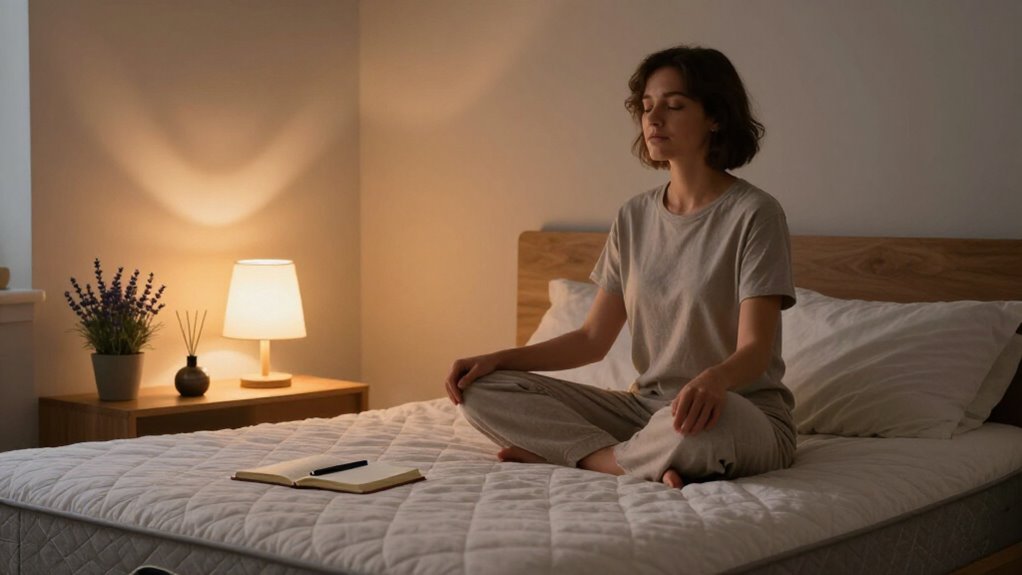
Here’s my pre-flight ritual now. I channel Dr. Charles Czeisler’s circadian research—shifting my bedtime 30 minutes earlier for three nights. Blackout shades? Essential. My Luminette light glasses mimic sunrise at 6 AM based on Mariana Figueiro’s work at Mount Sinai.
—
Melatonin, not megadoses—0.5mg, timed precisely. Hydration so aggressive my bathroom breaks become cardio.
—
We’re at Corala Blanket obsessed with this stuff. Sleepmaxxing trends for 2026 already point to personalized chronotype apps and Oura ring integration.
—
The 2023 Nature study on light timing? Game-changer. My last London trip: zero fog, pure clarity.
—
Ready to actually enjoy your first day abroad?
Quick Takeaways
- Gradually shift sleep and light exposure to align with the destination time zone days before departure.
- Maximize natural light and avoid blue light in the evening to reset the internal circadian clock in advance.
- Use targeted light therapy and relaxation techniques during travel to maintain circadian synchronization.
- Optimize sleep environment with blackout shades and comfortable furnishings pre-flight to promote restful pre-travel sleep.
- Consider molecular or genetic interventions under professional guidance to prime internal clocks for travel.
How Jet Lag Disrupts Your Body and Why It Matters

When jet lag strikes, it throws your internal circadian machinery into disarray, disrupting the finely tuned balance between your body’s biological clock and the external environment. This circadian misalignment inhibits hormonal regulation—specifically cortisol and melatonin—trying to synchronize your body with a new time zone. The resulting hormonal disruption hampers alertness and sleep integrity, causing fatigue, cognitive fog, and mood shifts. Research by Dr. Charles Czeisler emphasizes how misaligned circadian rhythms impair physiological processes. Understanding the role of brain wave patterns during optimal sleep environments can also aid in realigning your internal clock. Restoring sync involves understanding these mechanisms and leveraging light hygiene strategies, as outlined by chronobiologists. Proper realignment minimizes health impacts, sharpening your control over jet lag’s disruptive influence.
Prep Your Sleep Environment Before Traveling
Preparing your sleep environment before travel involves more than just packing a toothbrush; it demands deliberate adjustments to create a stable microclimate and sensory scenery that promotes rest amidst unfamiliar surroundings.
Create a stable sleep environment with temperature control, darkness, and soothing sounds to promote rest during travel.
Implement consistent travel rituals, like mimicking your home sleep cues, to establish predictability.
Enhance your sleep environment with temperature regulation using bio-wicking fabrics, darken the room with blackout shades, and consider sound masking devices or acoustic pacing.
Dr. Steven Lockley’s research emphasizes the importance of sensory control for circadian stability, illustrating how sensory inputs can influence your body’s internal clock.
These steps help your nervous system transition smoothly, reducing stress and promoting deeper rest, which is vital before jet lag‘s disruptive effects set in. Incorporating stylish throw pillows for better spinal alignment can also enhance comfort and support proper posture during rest.
Easy Light Strategies to Reset Your Body Clock
Light is a powerful Zeitgeber—the external cue that synchronizes our internal clock—and strategic exposure to specific wavelengths and timing can effectively recalibrate circadian rhythms.
Using Lux Lighting during morning hours can reinforce your sleep-wake cycle, especially if your Sleep Sanctuary features adjustable, high-CRI LED systems like Circadian Lighting.
Conversely, avoiding blue light in the evening promotes melatonin production. Research indicates that tailored light exposure can significantly improve sleep quality and help prevent circadian misalignment.
Researchers like Mariana Figueiro emphasize light’s influence on circadian alignment.
By coordinating natural light exposure with artificial lighting, you gain control over your body’s signals, fostering a more resilient sleep rhythm before travel.
Implementing these targeted light strategies can help alleviate sleep disruptions, making it easier to adapt to new time zones.
This approach reduces jet lag susceptibility and refines your biological self-regulation toolkit.
Simple Tips to Beat Jet Lag During Travel and After Landing
Charting the unpredictable terrain of jet lag requires more than just setting an alarm at your destination; it involves strategic interventions during the journey and immediate post-arrival period.
Effective jet lag management combines strategic timing, natural light, and relaxation techniques to reset your internal clock.
To optimize your circadian shift, focus on Dreamscape calibration—using consciously guided visualization to influence subconscious mapping and help reset internal clocks.
During travel, prefer exposure to natural light and hydration to support nervous system calming.
Post-landing, implement controlled light exposure aligned with your destination’s time zone, and consider relaxation techniques rooted in neuroscientific principles to reinforce circadian adaptation.
These deliberate actions, grounded in neuro-physiological perspectives, effectively harmonize your biological rhythms, fostering rapid adaptation and enhanced jet lag resilience.
Additionally, incorporating sleep environment adjustments can further promote restful sleep and assist in quicker circadian realignment.
Neural Entrainment Techniques Emerge

Emerging as a refined armament in the fight against circadian misalignment, neural entrainment techniques harness advanced neurotechnology to synchronize brain activity with environmental cues. Neuro entrainment, through methods like transcranial alternating current stimulation (tACS) and auditory pulse sequencing developed by researchers such as Dr. Michael Merzenich, enables precise brainwave modulation. These techniques influence neural oscillations, aligning them with natural circadian rhythms before travel. By actively engaging in these methods, one can improve neural plasticity, potentially increasing their effectiveness. By intentionally guiding the brain into desired states—like relaxed alpha waves—they enhance nervous system regulation. Although still emerging, evidence suggests such control over brain activity can mitigate jet lag effects by priming your internal clock, offering a scientific edge for travelers seeking autonomy over their biological timing. Incorporating smart thermometers in your routine can also help monitor your body temperature patterns, aiding in a comprehensive approach to adjusting your circadian rhythms.
Innovative Sleep Tracking Gadgets
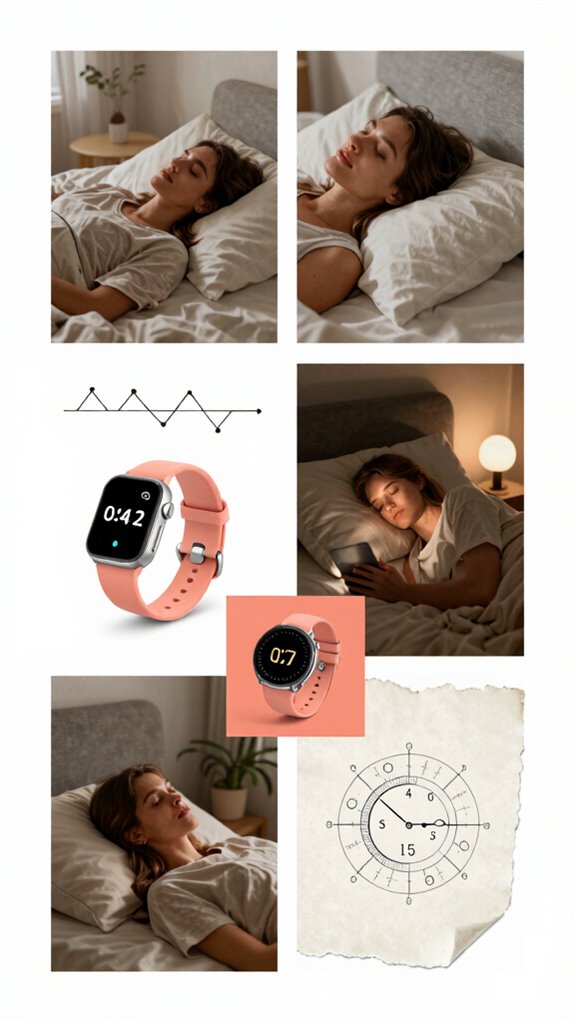
Innovative sleep tracking gadgets have revolutionized the way we comprehend and manage our sleep quality, blending cutting-edge sensor technology with machine learning algorithms to provide granular, real-time awareness.
Devices like Oura Ring and Samsung Galaxy Watch utilize biohacker tools to monitor sleep stages, heart rate variability, and body temperature—offering precise data for sleep hacking. They enhance self-awareness about your nervous system regulation and environmental effects.
With these tools, you can tailor your pre-sleep routine, optimize light exposure, and fine-tune temperatures, proactively preventing jet lag symptoms. These insights empower control over your circadian rhythm, transforming sleep optimization from guesswork to a science-backed process. Sensor technology plays a crucial role in capturing accurate sleep metrics and informing adjustments. In addition, these devices leverage biohacking tools to personalize your sleep strategies more effectively.
Circadian Gene Therapy Research
Recent advances in circadian gene therapy research are uncovering new possibilities for precisely reprogramming our internal clocks at the molecular level. These efforts involve genetic optimization and targeted molecular interventions that manipulate clock genes like PER and CLOCK. A deeper understanding of sleepscience is helping scientists develop these innovative approaches. Researchers such as Dr. Joseph Takahashi’s team at the University of Texas leverage gene editing tools like CRISPR to adjust gene expression, aligning circadian rhythms with external cues. This approach offers the potential to mitigate jet lag by resetting internal timekeepers before travel. Additionally, exploring molecular interventions could lead to more refined and effective treatments for circadian misalignment. While still experimental, these therapies promise a future where internal clocks can be calibrated with scientific precision, reducing the biological disruption associated with crossing time zones.
FAQ
Can Nervous System Regulation Techniques Prevent Jet Lag Entirely?
Nervous system regulation techniques, like meditative breathing for stress reduction, can considerably mitigate jet lag, but I believe they can’t prevent it entirely. They give you more control and help your body adapt faster to new time zones.
How Does Environmental Harmony Support Circadian Realignment Pre-Flight?
Environmental harmony supports circadian realignment by aligning environmental cues with your target time zone, helping your nervous system adapt faster pre-flight. By controlling light, temperature, and noise, you establish strong circadian cues that favor smooth travel adjustment.
Are There Natural Ways to Prime Your Body Clock Before Traveling?
You can harness natural methods like adjusting your sleep scheduling gradually and avoiding melatonin supplements right before travel. This way, you gain control, align your body clock, and set the stage for smoother jet lag recovery.
What Role Does Light Hygiene Play in Avoiding Jet Lag?
Light hygiene guides my circadian cues through strategic light exposure, helping me sync my internal clock with new time zones. By controlling morning and evening light, I naturally align with local time, avoiding jet lag’s disruption.
Can At-Home Diagnostics Predict or Prevent Jet Lag Symptoms?
At-home diagnostics can help identify genetic predispositions and assess sleep patterns, empowering you to make targeted dietary interventions and personalized adjustments. This control allows proactive management of jet lag symptoms, reducing their impact effectively.
Summary
By proactively aligning your circadian rhythms through tailored light exposure and sleep optimization—similar to how NASA studies optimize astronauts’ biological clocks—you can markedly reduce jet lag’s impact. Envision arriving at your destination energized, ready to engage, instead of drained and disoriented. Embracing evidence-based methods, like neural entrainment and advanced sleep tracking from brands such as SleepScore Labs, transforms travel from a disruption into a seamless synchronization with your body’s natural cycles.