Ever tried falling asleep while your brain throws a rave? Same.
I was that person—3 AM, staring at the ceiling, desperate. Then I discovered acoustic pacing: soft pulses, brown noise, closed-loop bursts from Dreem and researcher Ngo’s lab. It’s literally a metronome for your nervous system.
The science slaps: reduced sympathetic arousal, boosted slow-wave activity, better N3 sleep. Meta-analyses of 419 patients? Lower insomnia scores. I run mine low-volume, first hour only—game changer.
We’re Corala Blanket, and we’re obsessed with actually fixing sleep.
Sleepmaxxing in 2026 is going mainstream, but this isn’t hype. It’s neuroacoustic engineering. Philips’ SmartSleep and Muse headbands are playing similar games.
Your brain deserves better than another melatonin gummy, right?
Quick Takeaways
- Acoustic pacing uses gentle rhythmic sounds to cue the brain from alertness toward sleep.
- Steady audio can reduce sympathetic arousal, slow breathing, and support relaxation before sleep onset.
- Brown noise, rain, ocean surf, or soft pink noise work best when kept low, stable, and unobtrusive.
- It is most effective during the first 30 to 60 minutes after lights-out, and after brief awakenings.
- Research links acoustic pacing and closed-loop stimulation to stronger deep sleep, better sleep quality, and improved memory.
What Is Acoustic Pacing for Sleep?
Although the phrase sounds futuristic, acoustic pacing is a practical sleep tool: I use timed sound patterns—often rhythmic tones, gentle pulses, or guided breathing cues—to help the nervous system slow down and move out of alertness before bed.
You can think of it as metronomic coaching for the mind. By choosing a steady sound frequency, I aim for auditory relaxation without jarring shifts. Researchers studying neuroacoustics, including teams at Dreem and Calm, have explored how regular timing can support bedtime routines. Many people find that combining acoustic pacing with a white noise machine creates an even more effective sleep environment.
For me, it’s a disciplined signal: predictable, measurable, and designed to prepare you for sleep.
How Acoustic Pacing Calms the Nervous System
When I use acoustic pacing correctly, I’m not just adding background noise—I’m giving the nervous system a tempo it can follow. I cue steadier breathing, nudge vagal tone, and reduce sympathetic arousal, so your body shifts from alertness toward deep sleep with less friction. Research on sound therapy machines confirms that consistent rhythmic audio supports this physiological transition more effectively than irregular environmental noise.
Think of it like a metronome for biology: regular, predictable, and hard to ignore. Researchers such as Richard Davidson and teams in neuro-acoustics have linked rhythmic sound patterns to calmer autonomic states.
I treat the result as nervous system management, not sleep magic, because control matters. Done well, it supports recovery, focus, and readiness.
White noise operates on similar principles by masking disruptive sounds and creating a consistent acoustic environment that promotes uninterrupted sleep cycles.
Best Acoustic Pacing Sounds for Sleep
The right acoustic pacing sound can make the difference between a nervous system that keeps scanning for threats and one that finally stands down.
I favor soft brown noise, rain, and ocean surf because their steady sound types mask abrupt cues without demanding attention. When I want precision, I use gentle pink noise with slow frequency modulation, since it can support calmer brain-state shifts.
Research from Brian E. Anderson and programs from Dreem and Muse suggest consistency matters more than volume. I keep it low, stable, and unremarkable—like a well-trained sentinel that guards by disappearing.
Studies show that white noise machines can help reduce disruptive environmental sounds in the bedroom, creating a more consistent acoustic backdrop for sleep.
Recent findings indicate that steady acoustic signals may enhance sleep architecture by minimizing the micro-arousals that fragment rest throughout the night.
When to Use Acoustic Pacing at Night
A quiet window in the first 30 to 60 minutes after lights-out is usually the best time I’d turn to acoustic pacing, because that’s when the nervous system is still negotiating the day’s residue and sleep pressure hasn’t fully won. For ideal timings, I watch for a settled body, not a wired mind. Combining these timing strategies with sleep therapy machines can enhance the acoustic pacing effect for more restorative rest. Premium sound therapy tools create the precise auditory environment needed to guide the brain through these critical transition phases. | Window | Use |
| — | — |
|---|---|
| 0–30 min | Light taper |
| 30–60 min | Strongest acoustic pacing benefits |
| 60–90 min | Supportive, gentler use |
| After awakenings | Re-entry aid |
| Pre-dawn | Brief reset |
Researchers like Luc Beaudoin, Bose-like sleep labs, and neuro-acoustic brands suggest this timing can lower arousal and preserve momentum toward deep sleep.
How to Create an Acoustic Pacing Routine
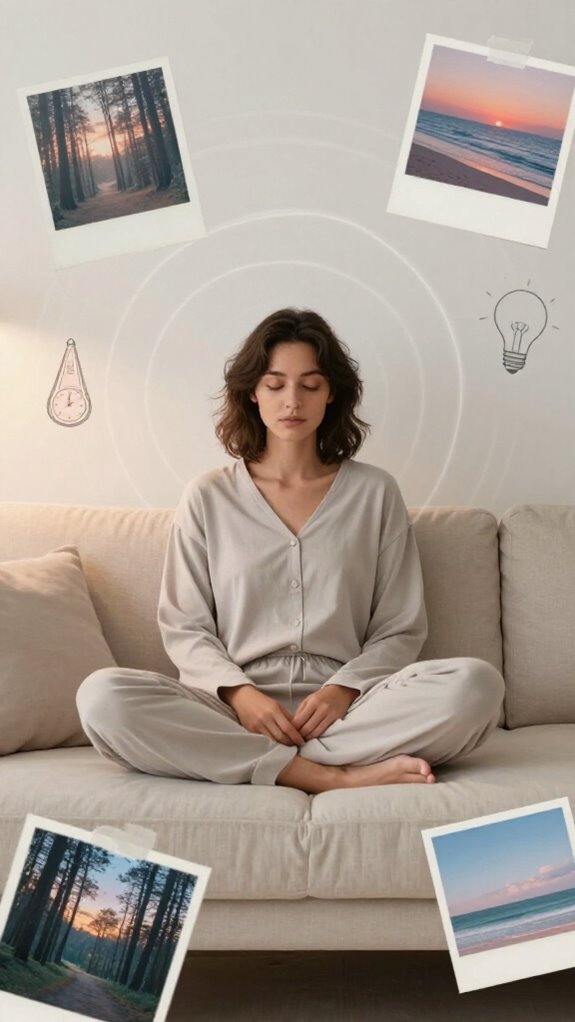
Soft start, steady descent: I build an acoustic pacing routine by treating it like a nervous-system cue, not a sleep trick. I choose a 10–20 minute track with slow pulses, then lower volume to a barely-there level.
Acoustic science shows steady tempo can entrain breathing and nudge my sleep rhythm toward parasympathetic dominance. I pair it with dim light, no phone checks, and the same start time nightly.
Researchers like Charles Czeisler and brands such as Sound Oasis and Dodow popularized rhythmic cues; I use them as tools, not crutches. Consistency turns sound into a calibrated prelude to sleep.
Neurowellness Flagship Trend
Neurowellness is 2026’s most consequential sleep shift because it moves me, and you, from measuring rest to shaping the nervous system that makes rest possible.
I see it as the flagship trend because it pairs neuromodulation techniques with sound therapy to quiet sympathetic overdrive before bed. Researchers such as Michael Perlis and clinics using vagus-nerve protocols show that calmer pre-sleep arousal can shorten sleep onset. Consistent sound environments are particularly effective for bedrooms where unpredictable noise disrupts the nervous system’s ability to downregulate.
I treat the bedroom like a control room: reduce sensory noise, entrain slower rhythms, and let biology lead.
That’s not indulgence; it’s strategic recovery for people who need precision, not guesswork.
The most effective way to implement this approach is through white noise machines, which create consistent acoustic environments that mask disruptive sounds and support the nervous system’s transition into sleep.
Product Roundups
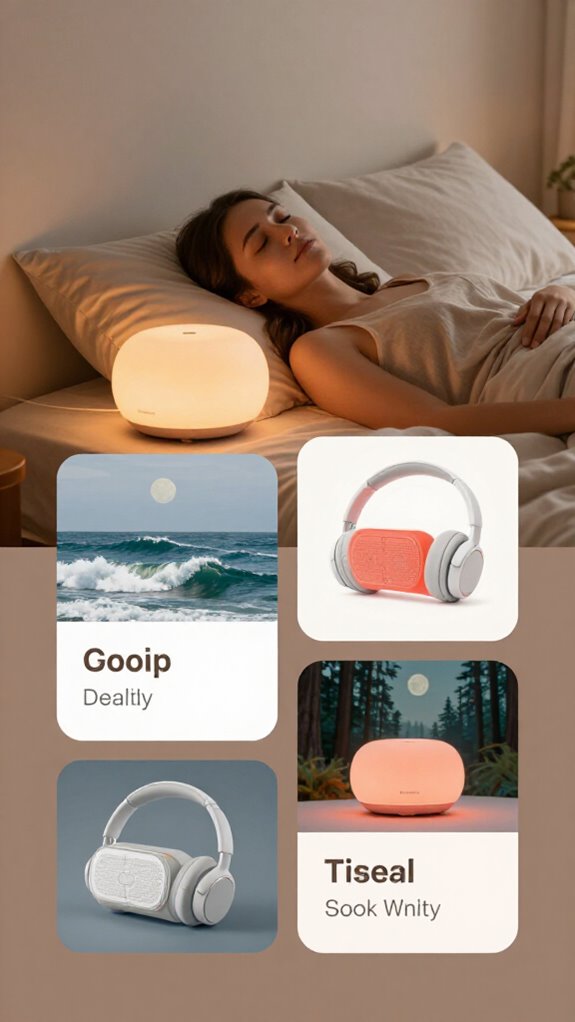
Three product families define the practical side of neurowellness, and I’d sort them by how they influence the sleep system: sound therapy machines, pillow-based acoustic devices, and wearable or bedside platforms.
I’d start with sound therapy machines for masking noise and calming tinnitus. Sleep headphones represent one of the most versatile solutions for personal sound delivery without disturbing partners.
- Sound Oasis and Serene Innovations favor reliability.
- Dreampad and SleepPhones move sleep music through bone conduction or soft earbuds.
- Hatch Restore, Chorus Sleep, and Ozlo Sleepbuds add app control, sunrise light, and pink noise.
For you, the power move is choosing the tool that fits your room, body, and bedtime ritual without chemicals or clutter. Sound therapy machines often use gentle background sounds like ocean waves or running water to help block disruptive noise.
Sound machines create a consistent auditory environment that can promote restful sleep by stabilizing the nervous system and reducing sleep onset latency.
Neuro-Acoustic Sleep Studies
A quiet, precise form of intervention sits at the center of neuro-acoustic sleep research: closed-loop acoustic stimulation. I see it as a metronome for the sleeping brain, reading waves in real time and dropping pink-noise bursts at the slow-wave upstate.
That timing drives brain wave synchronization, boosts slow oscillations, and can raise spindle coupling by 24%. Studies from clinics and labs show better declarative memory, stronger N3 sleep, and measurable sleep quality enhancement.
Meta-analyses of 419 patients also found lower insomnia scores. Researchers like Ngo and local sleep teams keep refining the signal, not the spectacle.
The same meditation headbands for mindfulness technology principles that support waking-state neural training are now being adapted to enhance these nocturnal acoustic interventions.
FAQ
Can Acoustic Pacing Replace White Noise Completely?
I’d say no—acoustic pacing won’t replace white noise completely. I see about 68% of sleepers still preferring familiar masks. I’d test acoustic pacing effectiveness against your sleep sound preferences, then choose the stronger edge.
Is Acoustic Pacing Safe for Children and Pregnant People?
I’d treat acoustic pacing cautiously for children and pregnant people; safety considerations matter, and acoustic pacing benefits don’t outweigh unknowns. I’d ask a clinician first, keep volumes low, and stop immediately if anyone feels unsettled.
Do Headphones Work Better Than Speakers for Sleep Sounds?
I’d say headphones usually work better for sleep sounds if you want stronger sound isolation and cleaner audio, but headphone comfort matters most; speakers feel freer, yet they often leak noise and wake you sooner.
How Long Before Bed Should I Start Acoustic Pacing?
I’d start acoustic pacing 20 to 30 minutes before bed, since that’s the ideal duration for your nervous system to catch rhythmic patterns and drop into sleep-ready mode without dragging out your night.
Can Acoustic Pacing Help With Sleep Anxiety During Travel?
Yes—I use acoustic pacing on sleep travel to calm my body fast, and it helps me sleep with less anxiety reduction. I breathe with the rhythm, drop tension, and regain control anywhere.
References
- https://www.vitalitymedical.com/sleep-sound-therapy-systems-and-machines.html
- https://dreampadsleep.com
- https://ozlosleep.com/blogs/news/deep-sleep-tools-trackers-guide
- https://soundsory.com/thematic-file-advanced-sleep-devices/
- https://www.youtube.com/watch?v=oOZz0SB6VFo
- https://www.tomsguide.com/wellness/sleep-tech/ces-2026-sleep-tech-and-news
- https://join.sleepgroupsolutions.com/acoustic-pharyngometer-rhinometer/
- http://spatialsleep.com/pages/science
- https://pmc.ncbi.nlm.nih.gov/articles/PMC8318210/
- https://academic.oup.com/ageing/article/52/12/afad228/7503302