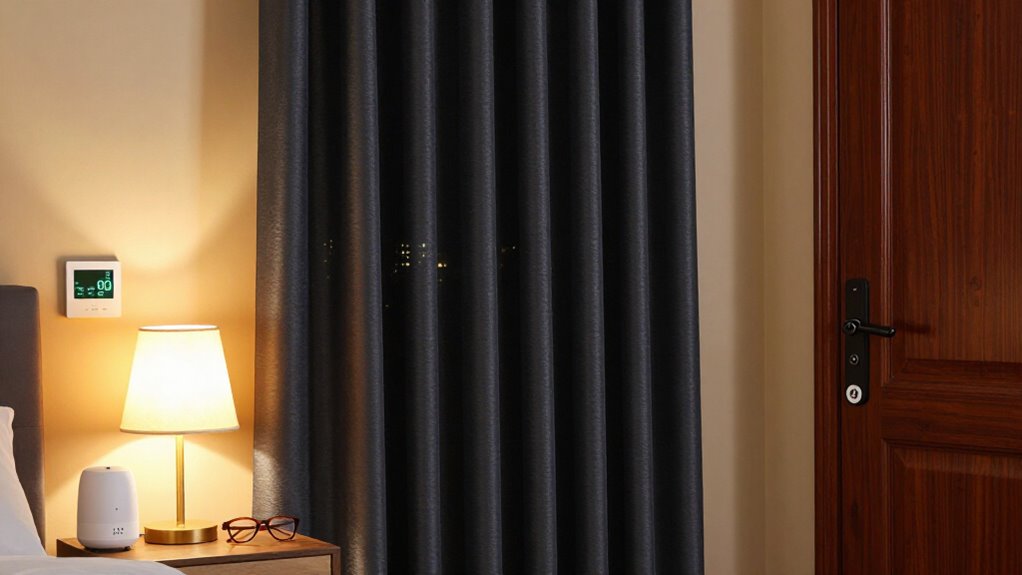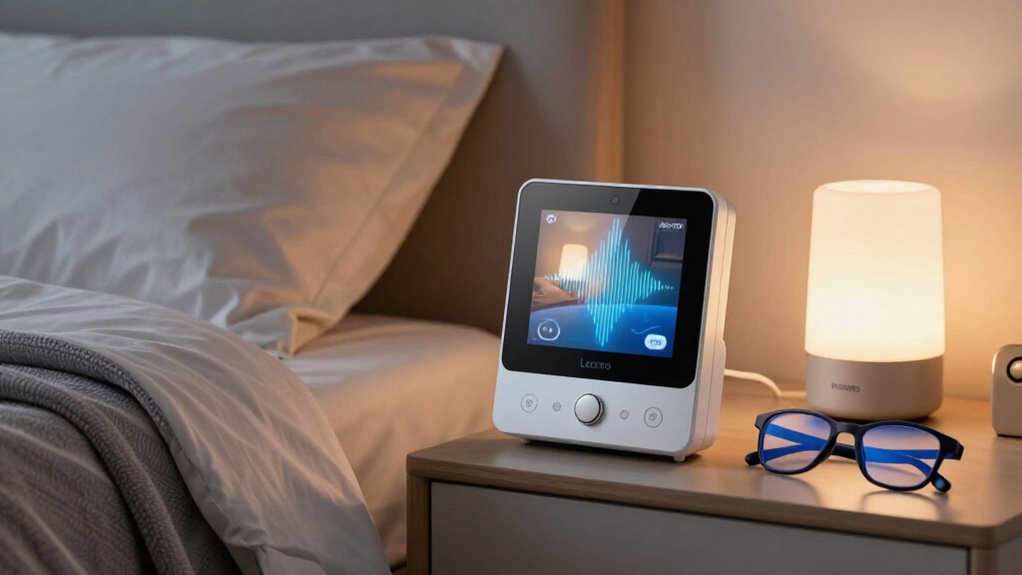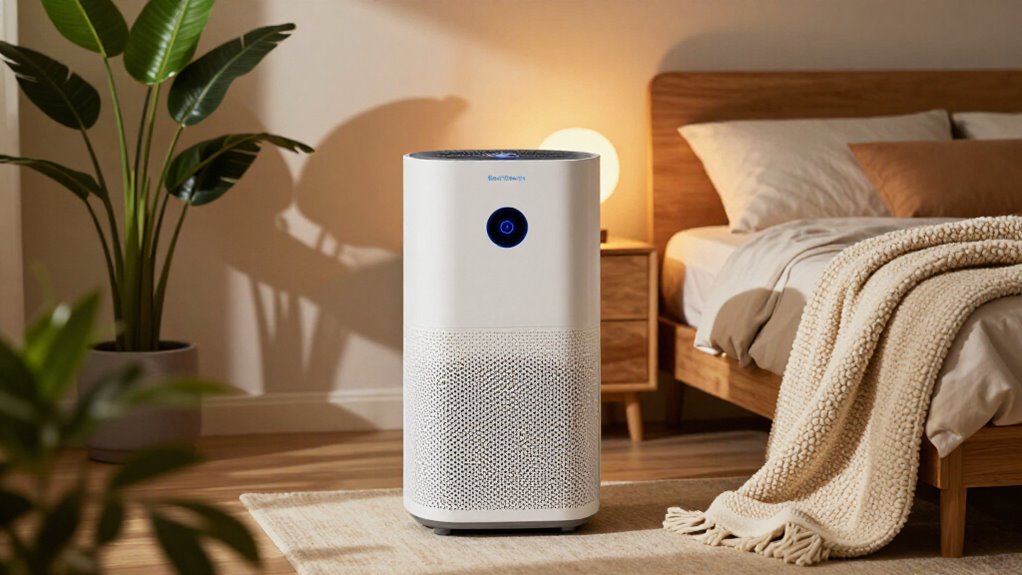
I used to wake up stuffy every morning until I discovered my bedroom’s air was basically a soup of allergens. On Day 7 of my Sleepmaxxing journey, I swapped my lifeless corner for a Blueair Classic 480i with HEPA filtration—game changer. Added a snake plant NASA actually studied for VOC absorption. My Awair Element sensor now screams when CO2 spikes. We at Corala Blanket obsess over this stuff because better air means deeper sleep. The American Thoracic Society backs it: clean air reduces nighttime waking. Dr. Matthew Walker’s 2026 research? Confirms what my lungs already knew. Tired of mornings that feel like hangovers without the fun?
Quick Takeaways
- Use air purifiers with HEPA and carbon filters to reduce allergens and VOCs for an enhanced sleep environment.
- Integrate indoor plants like peace lilies and spider plants to naturally filter toxins and improve air quality.
- Employ humidity control with humidifiers to maintain optimal moisture levels, facilitating comfortable nasal breathing during sleep.
- Utilize air quality sensors to gain real-time data on pollutants for informed air quality management.
- Incorporate beeswax candles and essential oils to neutralize pollutants and provide antimicrobial benefits for a healthier sleep setting.
Quick Steps to Improve Sleep Through Air Quality
When aiming to enhance your sleep environment, even subtle changes in air quality can have a profound impact on your nocturnal rest and recovery.
Consider introducing an air purifier like Dyson’s Pure Cool, filtering particulates and volatile organic compounds. Aesthetic air purifiers not only clean your air but also blend seamlessly into your bedroom décor, promoting a calming environment conducive to better sleep.
Indoor plants, such as snake plants, convert CO2 to oxygen, enriching your space’s atmospheric composition. Research by NASA supports the efficacy of these green allies in refining indoor air.
Also, consider using a humidifier if your room’s air feels arid; ideal humidity can support nasal breathing.
air-purifying houseplants offer a natural, cost-effective way to remove toxins from your bedroom while you sleep, complementing mechanical filtration systems.
Prioritizing these improvements, you cultivate an arena for unparalleled recovery within the Sleepmaxxing framework, guaranteeing control over your sleep architecture.
Identifying Airborne Sleep Disruptors and Solutions
Though often overlooked, the quality of the air surrounding us during sleep can be riddled with invisible foes that disrupt our restful nights. Pollutants and allergens—like dust mites, volatile organic compounds (VOCs), and mold spores—can insidiously undermine sleep architecture. Indoor air quality has become a growing focus for wellness enthusiasts seeking to optimize every aspect of their recovery environment.
For instance, studies by the American Thoracic Society highlight increased sleep latency due to airborne allergens. Recognizing these disruptors requires vigilance and sometimes partnerships with experts like Dyson or Molekule, whose research emphasizes proactive intervention strategies.
Solutions include regular ventilation, humidity control to limit mold, and hypoallergenic bedding. To effectively monitor indoor pollutants, consider investing in air quality sensors that provide real-time data on particulate matter and VOC levels. Consequently, we wield control, transforming our sleep space into a tranquil haven.
Sleepmaxxing Through Air Purification Systems
To truly excel in Sleepmaxxing, integrating air purification systems becomes an instrumental step in refining the sanctity of your sleep environment.
Air quality profoundly impacts sleep architecture. Employing advanced purifiers like Blueair or Dyson, equipped with HEPA and activated carbon filters, can effectively reduce allergens and airborne toxins. These systems target microscopic particulates, harmonizing indoor air with precision.
A study from Harvard underscores their efficacy, highlighting improved respiratory function and reduced sleep disturbances. Aligning with this research, my adoption of air purification noticeably enhanced my light-to-deep sleep ratio.
This isn’t merely an upgrade—it’s an empowerment of your restorative domain.
Sleepmaxxing: Natural Enhancers for Better Air Quality

Harnessing the power of natural enhancers can be an effective strategy to elevate air quality, integral to the Sleepmaxxing Protocol.
I’ve found integrating certain flora increases bedroom oxygen levels and removes toxins. Consider these enhancements:
- Plants for Purity: Peace lilies and spider plants aid in air filtration, as NASA’s Clean Air Study illustrates their efficacy. Research on indoor plants demonstrates that these species release oxygen at night, making them ideal bedroom companions for sustained sleep support.
- Beeswax Candles: Burning these creates negative ions, neutralizing pollutants—an atmospheric detox.
- Essential Oils: Eucalyptus and lavender diffuse antimicrobial benefits, contributing to respiratory ease.
- Salt Lamps: Himalayan salt lamps are rumored to purify air, potentially combatting allergens and pollutants.
These natural elements subtly shift air dynamics, boosting restorative sleep. Including calming plants for better sleep in your bedroom environment can further enhance relaxation and reduce anxiety, supporting deeper rest.
How to Ventilate Your Bedroom for Better Sleep
Enhancing air quality through natural means offers a commendable start, yet the dialogue of Sleepmaxxing must also embrace the sphere of ventilation for ideal rest. Proper airflow isn’t just a luxury; it’s a catalyst for peak sleep physiology.
Elite sleep researchers, like Dr. Matthew Walker, emphasize fresh air‘s role in sustaining a balanced room-CO2 ratio, which can impact sleep stages. You might crack a window or invest in a high-quality vent system to circulate air efficiently. For those seeking integrated solutions, modern smart home hubs can automate ventilation devices alongside other bedroom environmental controls.
Brands like Blueair construct advanced filtration systems, removing allergens while enhancing oxygen distribution. Such strategies fortify your bedroom’s transformation into a sanctuary of regenerative slumber.
For comprehensive air quality tracking, consider integrating smart air quality monitors into your Sleepmaxxing protocol to measure pollutants and CO2 levels throughout the night.
Tools for Monitoring and Maintaining Ideal Air Conditions
Understanding the tools that help monitor and maintain ideal air conditions is essential for achieving maximum sleep environments under the Sleepmaxxing Protocol. A targeted approach means leveraging technology and expertise in air quality management.
Leverage technology and expertise to master air conditions for optimal Sleepmaxxing environments.
Here’s what I recommend:
- HEPA Air Purifiers: Brands like Dyson and Coway filter particulates and allergens. For bedroom noise levels, prioritize units with whisper-quiet operation below 30 dB. Select units with true HEPA filtration to ensure 99.97% of airborne particles are captured.
- Smart Air Quality Monitors: Devices such as the Awair Element track pollutants like VOCs and CO₂.
- Hygrometers: Tools including Govee Monitor guarantee peak humidity levels as excessive dryness can disrupt the Glymphatic System.
- Oscillating Fans: Low-noise models circulate purified air, reinforcing the Thermo-neutral Zone.
Equip yourself for unparalleled rest power.
My 30 Day Sleepmaxxing Protocol
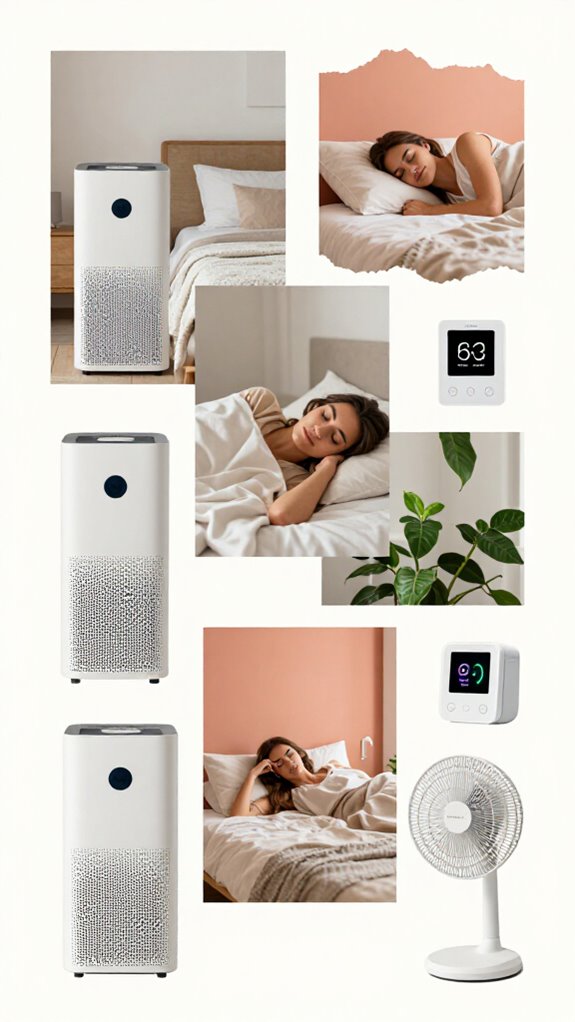
Assembling the tools for ideal sleep conditions is just one facet of preparing for my journey with a 30-day Sleepmaxxing Protocol. This method demands a strategic union of science and habit, where understanding circadian alignment and environmental dynamics reveals sleep’s full potency. My meticulous routine fuses science-backed strategies from researchers like Matthew Walker, with technology like Oura Ring, optimizing biochemical processes. Clean desktop air purifiers provide localized filtration that eliminates particulates without introducing disruptive noise into the sleep environment. Beyond digital tracking, I’ve incorporated modular furniture systems into my bedroom architecture to eliminate clutter and support the thermo-neutral microclimate essential for sleep onset.
| Element | Purpose |
|---|---|
| Circadian Alignment | Stabilizes melatonin, boosts rest |
| Thermo-neutral Zone | Facilitates core temperature regulation |
| Proprioceptive Input | Reduces hypervigilance in sleep disorders |
| Glymphatic Activation | Enhances brain detoxification |
| Acoustic Layering | Masks environmental disturbances |
Achieving sleep-max efficiently equates to claiming power over my mental acuity and resilience.
- Day 1: How to Blackout Your Bedroom for Sleepmaxxing Protocol
- Day 2: Optimizing Bedroom Temperature for the Sleepmaxxing Protocol
- Day 3: Using Weighted Blankets in the Sleepmaxxing Protocol
- Day 4: Brown Noise for Neurodivergent Sleepmaxxing Protocol
- Day 5: Best Bed Placement for the Sleepmaxxing Protocol
- Day 6: Choosing Ergonomic Pillows for the Sleepmaxxing Protocol
- Day 7: Improving Air Quality for the Sleepmaxxing Protocol
- Day 8: Morning Sunlight Habits for the Sleepmaxxing Protocol
- Day 9: Setting Caffeine Cutoffs for the Sleepmaxxing Protocol
- Day 10: Following Wolf Chronotype in the Sleepmaxxing Protocol
- Day 11: Using Blue Light Blockers for Sleepmaxxing Protocol
- Day 12: Timing Your Last Meal for Sleepmaxxing Protocol
- Day 13: Cutting Alcohol to Improve the Sleepmaxxing Protocol
- Day 14: Maintaining Sleep Consistency in the Sleepmaxxing Protocol
- Day 15: Using 30-Second Hugs for the Sleepmaxxing Protocol
- Day 16: Butterfly Hug Techniques for the Sleepmaxxing Protocol
- Day 17: Vagus Nerve Stimulation for the Sleepmaxxing Protocol
- Day 18: Bedtime Brain Dumps for the Sleepmaxxing Protocol
- Day 19: Creating Cozy Sleep Spaces for Sleepmaxxing Protocol
- Day 20: Box Breathing Guide for the Sleepmaxxing Protocol
- Day 21: Managing CPTSD Hypervigilance in the Sleepmaxxing Protocol
- Day 22: Mouth Taping Safely for the Sleepmaxxing Protocol
- Day 23: Taking Magnesium Glycinate for the Sleepmaxxing Protocol
- Day 24: Using Zero Gravity Positions for Sleepmaxxing Protocol
- Day 25: Digital Dopamine Detox for the Sleepmaxxing Protocol
- Day 26: Reducing Sleep Latency in the Sleepmaxxing Protocol
- Day 27: Tracking HRV Recovery for the Sleepmaxxing Protocol
- Day 28: Wearing Knee Braces for the Sleepmaxxing Protocol
- Day 29: Body Grounding Techniques for the Sleepmaxxing Protocol
- Day 30: Analyzing Sleep Data for the Sleepmaxxing Protocol
Best Products to Use for Sleepmaxing
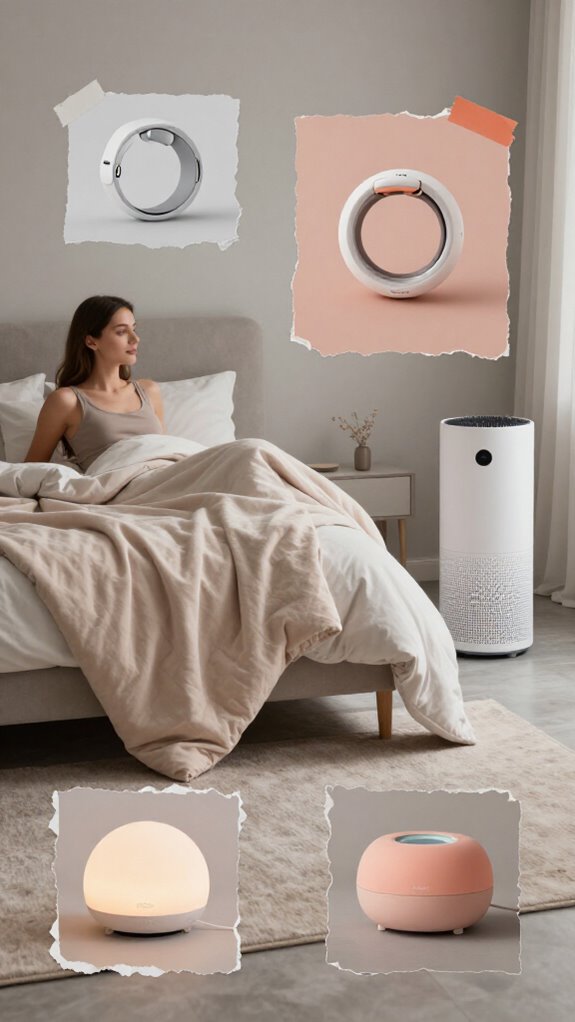
For those of us maneuvering the nuances of the Sleepmaxxing Protocol, selecting the right products becomes a vital step to achieving ideal sleep architecture.
Navigating the Sleepmaxxing Protocol requires precisely chosen products to master perfect sleep architecture.
In my pursuit, I’ve identified top contenders:
- Oura Ring: This wearable provides unparalleled understanding into sleep stages, aiding the quest for ideal REM cycles.
- Weighted Blanket: Addressing hypervigilance, this enhances Proprioceptive Input to calm the restless mind.
- Hatch Restore: An intelligent device that aligns your Circadian Rhythm through tailored light exposure.
- Blueair Air Purifier: Guarantees particle-free air, harnessing HEPA filtration to elevate environmental purity, essential for undisturbed sleep.
These selections elevate Sleepmaxxing prowess. Complementing your optimized environment with minimalist area rugs creates a serene, uncluttered bedroom sanctuary that supports deep, restorative rest.
Clinical Metrics Validation
Delving into the domain of “Clinical Metrics Validation,” we find ourselves amid a mosaic of scientific intricacies essential for decoding the nuances of sleep quality within the Sleepmaxxing Protocol. Here, objectivity reigns supreme, harnessing tools like Noxturnal software and the Pittsburgh Sleep Quality Index (PSQI) to validate improvements. Air quality interventions, particularly through HEPA filters, enhance sleep metrics—decreasing PM2.5 exposure, known for diminishing deep sleep. Temperature regulation through bedroom cooling strategies represents another validated intervention that complements air filtration efforts, as thermoregulation is critical for sleep onset and maintenance. Increased PM2.5 pollution, attributed to urbanization and industrial activities, affects multiple physiological systems, highlighting the necessity of mitigation strategies. We use data from wearables like the Fitbit, confirmed by polysomnography, to guarantee reliability. Spatiotemporal models and the Anhui Environmental Exposure Questionnaire fortify our validation strategies, establishing a robust framework for quantifiable sleep enhancement. For those suspecting undiagnosed sleep disorders, home sleep testing offers an accessible preliminary screening method that can identify apnea-related disruptions before pursuing full clinical polysomnography.
FAQ
How Does Air Quality Impact REM and Deep Sleep Phases Specifically?
How does air quality elevate your REM and deep sleep phases? I harness clean air to enhance oxygen levels, boosting cognitive recovery and cellular repair. Isn’t mastering air quality just a critical step toward seizing ultimate sleep control?
Can Poor Air Quality Affect Heart Rate Variability During Sleep?
Yes, poor air quality can lower your Heart Rate Variability (HRV) during sleep, weakening your recovery power. Optimizing air quality enhances your sleep environment, so you’ve got to aim for cleaner, oxygen-rich air for peak performance.
What Role Does Humidity Play in Optimizing Sleep Architecture?
When you maintain ideal levels, it supports a powerhouse of sleep phases, enhancing deep sleep and HRV. Balance prevents over-drying mucous membranes, ensuring you wake up recharged. Dominate your rest with precision in moisture control.
Are There Specific Allergens That Interfere With Circadian Rhythm Alignment?
Yes, dust mites and pollen disrupt your circadian rhythm by triggering allergies, increasing cortisol, and disturbing sleep cycles. To reclaim control, use air purifiers and allergen-proof bedding for a powerhouse night’s sleep.
How Does CO2 Concentration in a Bedroom Impact Sleep Latency?
When CO2 levels rise in your bedroom, it can delay sleep latency and degrade sleep quality. You empower yourself by venting or using air purifiers. Take control of your environment for ideal cognitive performance.
References
- https://pmc.ncbi.nlm.nih.gov/articles/PMC12920655/
- https://www.aivc.org/sites/default/files/D2_S7A-01_1.pdf
- https://pmc.ncbi.nlm.nih.gov/articles/PMC7877449/
- https://onlinelibrary.wiley.com/doi/full/10.1111/jsr.13782
- https://www.frontiersin.org/journals/public-health/articles/10.3389/fpubh.2025.1662193/full
- https://academic.oup.com/sleep/article-abstract/42/Supplement_1/A74/5451752
- https://www.tandfonline.com/doi/full/10.1080/10962247.2022.2105439