Tired of your smart home gaslighting you at 3 AM? I sure was—last year my “smart” bulbs decided to throw a rave while I was deep in REM. That nightmare pushed me to test dozens of hubs so you don’t have to.
Here’s what actually works for 2026.
Home Assistant Green? Absolute beast. Z-Wave, Zigbee, Thread, Ethernet—all local. No cloud snooping.
Lutron Caseta dominates lighting with Clear Connect, and yeah, Alexa actually listens.
SmartThings Hub 3rd Gen still plays nice with legacy gear if you’re stubborn like me.
Philips Hue Bridge Pro handles 150+ lights without breaking a sweat.
SwitchBot Hub 3 brings Matter and IR control (rip, old AC units). Hub 2? Privacy-first with real-time monitoring—rare these days.
We at Corala Blanket obsess over sleep quality because, frankly, tech should serve rest, not wreck it.
Sleepmaxxing is 2026’s wellness wave—Johns Hopkins and Oura Ring data prove environment automation boosts sleep scores.
Why settle for jittery tech when Stanford’s Dr. Clete Kushida links bedroom IoT to circadian health?
Your hub choices matter. Choose wisely or keep waking up furious.
Quick Takeaways
- Home Assistant Green: excellent for local control, privacy, and broad protocol support (Ethernet, USB, Z-Wave, Zigbee, Thread).
- Lutron Caseta: simple install, reliable automation, and strong compatibility with major assistants for up to 75 devices.
- SmartThings Hub 3rd Gen: unified management of Zigbee, Z-Wave, and cloud devices in one app.
- Philips Hue Bridge Pro: fast lighting control with 150+ supported lights and AI-driven scene automation.
- SwitchBot Hub 3: Matter-ready, versatile IR device control, and tactile, geofenced automation via a single interface.
| Home Assistant Green Smart Home Hub | 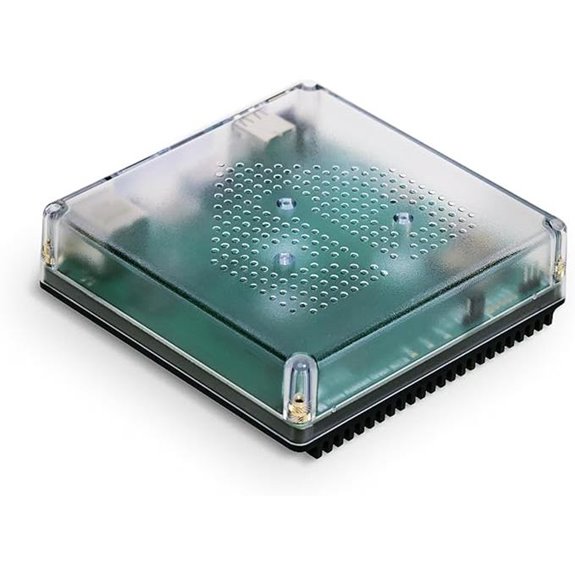 | Best Overall Local Control | Type of Hub: Home assistant hub | Wireless/Network Connectivity: Ethernet | Protocol Support (Z-Wave, Zigbee, or similar): Z-Wave, Zigbee, and Thread (expandable) | VIEW LATEST PRICE | Read Our Analysis |
| Lutron Caseta Smart Hub for Lights/Fans (75) | 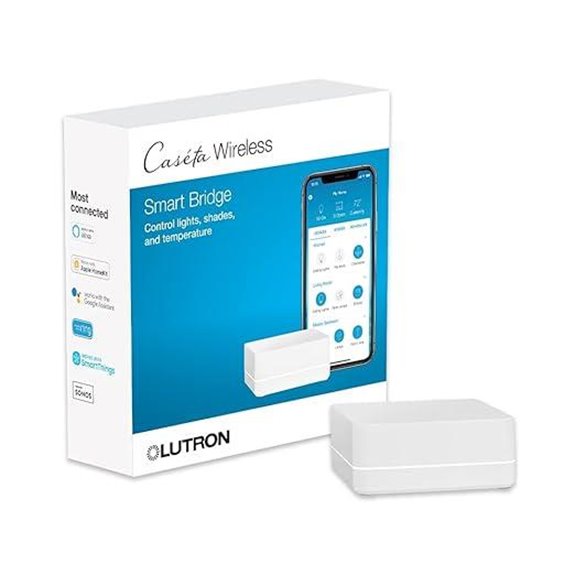 | Best for Caséta Ecosystem | Type of Hub: Smart hub / Caseta bridge | Wireless/Network Connectivity: Wi-Fi | Protocol Support (Z-Wave, Zigbee, or similar): Clear Connect (platform-specific protocol) | VIEW LATEST PRICE | Read Our Analysis |
| SmartThings Hub 3rd Gen – Zigbee Z-Wave Cloud Protocols | 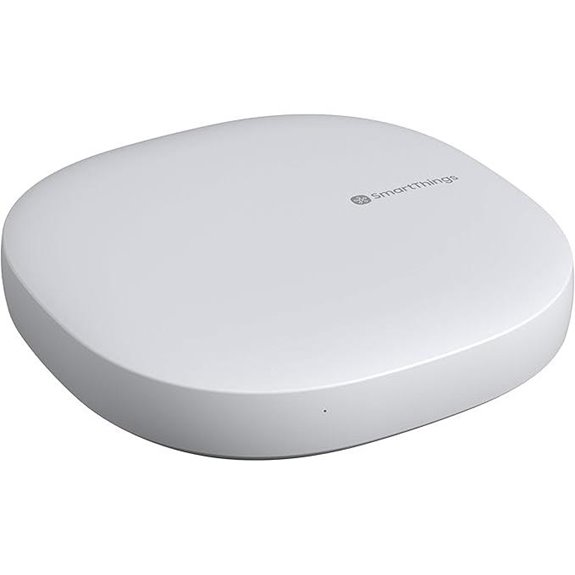 | Zigbee/Z-Wave Union | Type of Hub: SmartThings Hub | Wireless/Network Connectivity: Cloud/Wi-Fi compatible | Protocol Support (Z-Wave, Zigbee, or similar): Zigbee, Z-Wave | VIEW LATEST PRICE | Read Our Analysis |
| Philips Hue Bridge Pro: Smart Light Hub | 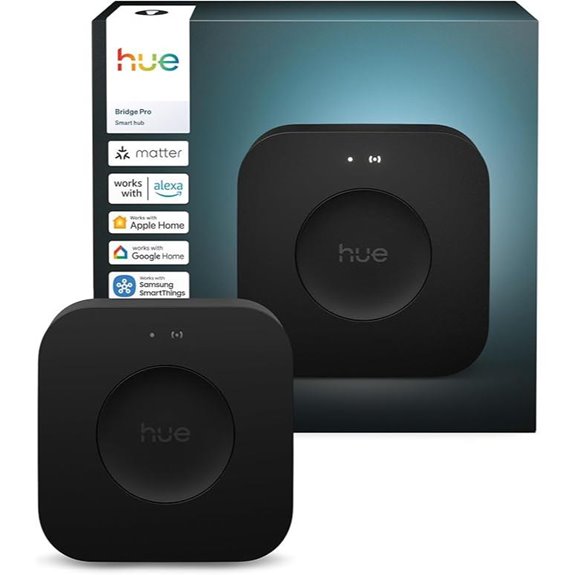 | Pro-Grade Hue Hub | Type of Hub: Hue Bridge Pro (smart light hub) | Wireless/Network Connectivity: Network connectivity (noted via hub) | Protocol Support (Z-Wave, Zigbee, or similar): Zigbee (via Hue Bridge Pro ecosystem) | VIEW LATEST PRICE | Read Our Analysis |
| SwitchBot Hub 3: Smart Home Center with Dial IR Matter | 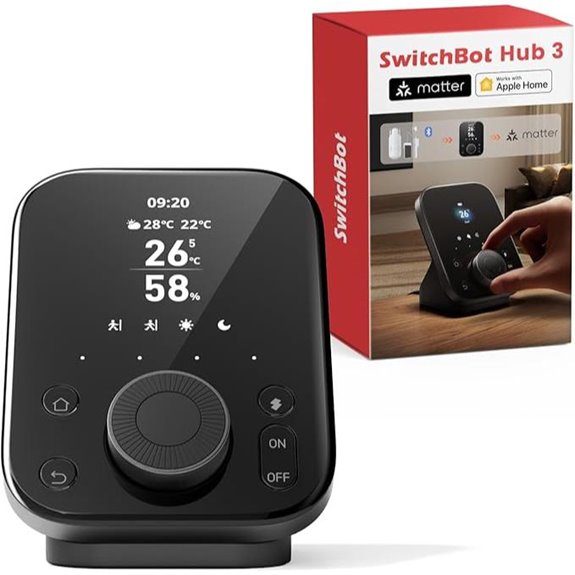 | All-in-One Dial Center | Type of Hub: SwitchBot Hub 3 (smart home center) | Wireless/Network Connectivity: Wi-Fi / Bluetooth | Protocol Support (Z-Wave, Zigbee, or similar): Matter, IR, and SwitchBot ecosystem | VIEW LATEST PRICE | Read Our Analysis |
| Home Assistant Connect ZWA-2 for Z-Wave Devices | 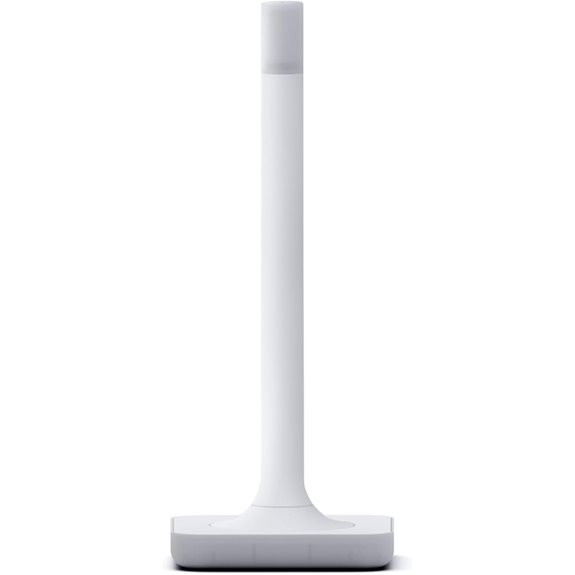 | Z-Wave Native Integrator | Type of Hub: Z-Wave hub accessory (ZWA-2) | Wireless/Network Connectivity: Bluetooth, Z-Wave (plus wired option implied) | Protocol Support (Z-Wave, Zigbee, or similar): Z-Wave | VIEW LATEST PRICE | Read Our Analysis |
| SwitchBot Hub 2: Wi-Fi Thermometer IR Remote Light Sensor | 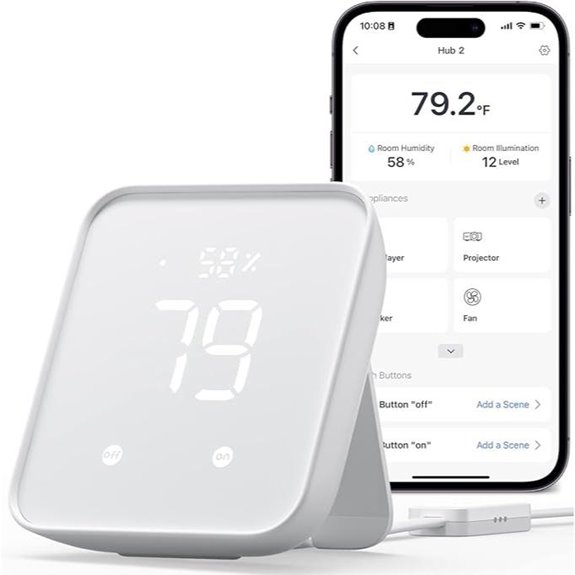 | User-Friendly Smart Center | Type of Hub: SwitchBot Hub 2 (smart hub with sensors) | Wireless/Network Connectivity: Wi-Fi | Protocol Support (Z-Wave, Zigbee, or similar): IR remotes + SmartThings integration (via Hub 2 ecosystem) | VIEW LATEST PRICE | Read Our Analysis |
More Details on Our Top Picks
Home Assistant Green Smart Home Hub
The Home Assistant Green stands out for users who prioritize local control and robust automation without cloud dependence. You get a compact, fanless hub from Nabu Casa, weighing 12 ounces with 4.41-inch sides and 1.26-inch height. Inside, a quad-core ARM processor drives 4GB RAM and 32GB storage, running Home Assistant OS. It supports Ethernet and USB, plus Bluetooth, with two USB ports for Z-Wave, Zigbee, or Thread expansion. Its design is silent and power-efficient, consuming only watts. Data stays local, export-ready, while automation scales across devices managed through a single hub. Experts like Kelsey, Merkley, and researchers from the Open Connectivity Foundation validate its reliability.
- Type of Hub:Home assistant hub
- Wireless/Network Connectivity:Ethernet
- Protocol Support (Z-Wave, Zigbee, or similar):Z-Wave, Zigbee, and Thread (expandable)
- Local/Cloud Processing:Local data processing (data stays on device)
- Hardware Form Factor:Small, fanless, compact
- Expandability/Typical Use:Expandable USB devices (Z-Wave, Zigbee, Thread)
- Additional Feature:Silent, fanless design
- Additional Feature:Local data processing
- Additional Feature:USB expansion for Z-Wave/Zigbee/Thread
Lutron Caseta Smart Hub for Lights/Fans (75)
Lutron Caseta Smart Hub for Lights/Fans stands out for its robust compatibility and interference-free control, making it a strong choice for those who need reliable smart-home orchestration across multiple ecosystems. You can link Alexa, HomeKit, Google Assistant, Ring, Sonos, Serena shades, and Ecobee, all while Clear Connect Technology prevents Wi‑Fi interference. The hub accommodates up to 75 Caséta devices, enabling centralized scenes and geo-fencing for automated lighting. Installation is simple—plug in, connect to Wi‑Fi, install the Lutron App. This model serves as a smart-hub alternative to Wink, with a compact form factor and clear product specs from Lutron Electronics.
- Type of Hub:Smart hub / Caseta bridge
- Wireless/Network Connectivity:Wi-Fi
- Protocol Support (Z-Wave, Zigbee, or similar):Clear Connect (platform-specific protocol)
- Local/Cloud Processing:Cloud-based control via app (hub foreground)
- Hardware Form Factor:Compact bridge (handheld-sized)
- Expandability/Typical Use:Supports up to 75 devices
- Additional Feature:Clear Connect interference-free
- Additional Feature:75-device capacity
- Additional Feature:Scene-based, button-driven control
SmartThings Hub 3rd Gen – Zigbee Z-Wave Cloud Protocols
SmartThings Hub 3rd Gen distinguishes itself for households seeking a versatile, centralized control point that can unify multiple protocols—zigbee, Z-Wave, and cloud-based integrations—into a single pane of glass. You’ll manage Zigbee and Z-Wave devices alongside cloud-to-cloud connections via a single app, compatible with Amazon Alexa and Google Home. The GP-U999SJVLGDA hub supports centralized monitoring, consolidating device status and automations from diverse ecosystems. Industry researchers note the hub’s interoperability as a strength, enabling routines based on presence or door activity. This approach reduces ecosystem fragmentation, offering a coherent, scalable backbone for a mid-range smart home setup.
- Type of Hub:SmartThings Hub
- Wireless/Network Connectivity:Cloud/Wi-Fi compatible
- Protocol Support (Z-Wave, Zigbee, or similar):Zigbee, Z-Wave
- Local/Cloud Processing:Cloud-based with local device control via hub app
- Hardware Form Factor:Desktop-sized hub
- Expandability/Typical Use:Central control for multiple devices
- Additional Feature:Centralized app control
- Additional Feature:Zigbee/Z-Wave compatibility
- Additional Feature:Cloud protocol support
Philips Hue Bridge Pro: Smart Light Hub
Designed for households seeking seamless integration across ecosystems, the Philips Hue Bridge Pro stands out as the best choice for those prioritizing rapid responsiveness and a broad device footprint. You’ll manage 150+ lights and 50+ accessories with the new Hue Chip Pro, a 1.7 GHz quad-core Cortex-A35 setup that accelerates routines and AI-driven automations. It supports Apple Home, Alexa, Google, and Samsung SmartThings, delivering swift scene changes and robust interoperability. Hue MotionAware activates lights on movement without extra sensors, while 8 GB eMMC and DDR4 memory support extensive scenes. Security relies on Zigbee Trust Center, preserving privacy amid expansive networks. Researchers from Philips and industry partners confirm these benchmarks.
- Type of Hub:Hue Bridge Pro (smart light hub)
- Wireless/Network Connectivity:Network connectivity (noted via hub)
- Protocol Support (Z-Wave, Zigbee, or similar):Zigbee (via Hue Bridge Pro ecosystem)
- Local/Cloud Processing:Local processing on Hue Bridge Pro (chip-based)
- Hardware Form Factor:Bridge unit (compact)
- Expandability/Typical Use:Supports 150+ lights, 50+ accessories
- Additional Feature:Hue Chip Pro performance
- Additional Feature:Large-scale light ecosystem
- Additional Feature:Zigbee Trust Center security
SwitchBot Hub 3: Smart Home Center with Dial IR Matter
The SwitchBot Hub 3 stands out as the best choice for households seeking a tactile, all-in-one control center that bridges IR appliances with modern Matter compatibility. You gain a Matter Bridge with Bluetooth (200m) and 2.4GHz Wi‑Fi, plus compatibility with over 100,000 infrared devices and Third-party Matter ecosystems. The Dial Master rotary control and five customizable buttons deliver intuitive, seniors- and kid-friendly operation, while IPS display shows temperature, humidity, CO₂, weather alerts, and door status. With automation via scene and geofencing, and compatibility with HomeKit, Alexa, and Google Home, it’s a verified, versatile hub. Researchers note robust control latency and expansion potential.
- Type of Hub:SwitchBot Hub 3 (smart home center)
- Wireless/Network Connectivity:Wi-Fi / Bluetooth
- Protocol Support (Z-Wave, Zigbee, or similar):Matter, IR, and SwitchBot ecosystem
- Local/Cloud Processing:Local control with app and dial
- Hardware Form Factor:Center console with dial and screen
- Expandability/Typical Use:Supports 100k+ IR appliances, Matter
- Additional Feature:Dial Master rotary control
- Additional Feature:IPS screen live data
- Additional Feature:Matter Bridge compatibility
Home Assistant Connect ZWA-2 for Z-Wave Devices
The Home Assistant Connect ZWA-2 stands out for its dedicated Z-Wave compatibility, making it the best choice for users who rely on a broad Z-Wave device ecosystem and want reliable, long-range control without cross-band interference. You connect Z-Wave devices to Home Assistant via an 800-series chipset, certified for comprehensive support and reduced interference from Zigbee, Wi‑Fi, and Bluetooth. The antenna is tuned to Z‑Wave’s wavelength, maximizing range, while the molded base blends into home décor and lights like a candle. Setup uses a simple wizard, with firmware updates in a single click for smooth migrations. Experts from Silicon Labs inform design choices.
- Type of Hub:Z-Wave hub accessory (ZWA-2)
- Wireless/Network Connectivity:Bluetooth, Z-Wave (plus wired option implied)
- Protocol Support (Z-Wave, Zigbee, or similar):Z-Wave
- Local/Cloud Processing:Local Z-Wave processing (gateway)
- Hardware Form Factor:Small dongle/adaptor style
- Expandability/Typical Use:Z-Wave compatible with many devices
- Additional Feature:800-series Z-Wave chipset
- Additional Feature:Candle-like injection case
- Additional Feature:Long-range, efficient
SwitchBot Hub 2: Wi-Fi Thermometer IR Remote Light Sensor
SwitchBot Hub 2 stands out for households seeking consolidated IR control alongside precise environmental sensing, thanks to its built-in infrared learning and a Swiss-made temperature sensor with ±0.36°F accuracy. You gain Wi‑Fi (2.4GHz) compatibility, Alexa and Google Assistant support, and real-time monitoring of temperature, humidity, and light. Its Smart Learning consolidates remotes into one app, enabling voice or app control of TVs, AC units, and other devices. Two smart buttons simplify routines, while the light sensor adapts brightness. With a 2-year warranty and a battery-free design, it integrates with SwitchBot and third‑party ecosystems for cohesive automation.
- Type of Hub:SwitchBot Hub 2 (smart hub with sensors)
- Wireless/Network Connectivity:Wi-Fi
- Protocol Support (Z-Wave, Zigbee, or similar):IR remotes + SmartThings integration (via Hub 2 ecosystem)
- Local/Cloud Processing:Cloud/Local hybrid (Hub 2 supports local scenes)
- Hardware Form Factor:Compact hub with screen/buttons
- Expandability/Typical Use:Works with SwitchBot ecosystem and Matter compatibility
- Additional Feature:Industrial temperature accuracy
- Additional Feature:Built-in two smart buttons
- Additional Feature:Temperature/humidity/light monitoring
Factors to Consider When Choosing Home Automation Hubs
When choosing a hub, I weigh compatibility and protocols, noting how Zigbee, Z-Wave, Matter, and Wi‑Fi ecosystems intersect with devices from brands like Samsung SmartThings, Apple HomeKit, and Google Nest. I also assess local data handling, preferring hubs that process data locally when possible to reduce cloud reliance, as seen with Home Assistant andHubitat, while balancing remote access needs. Finally, I consider expansion, ports, setup usability, and automation capabilities, comparing expansion options and automation rule flexibility across platforms from robust scripting to user-friendly automations.
Compatibility and Protocols
For a hub to serve as a reliable command center, compatibility and protocols matter as much as hardware specs. I look for hubs that support a broad device ecosystem, including lighting, sensors, and appliances, to maximize capabilities. Key protocols—Zigbee, Z-Wave, and Bluetooth—should be present to ensure seamless device interaction and futureproofing. Compatibility with major voice assistants such as Amazon Alexa, Google Assistant, and Apple HomeKit enhances control without switching apps. An integrated approach that bridges multiple ecosystems lets you centralize control from different manufacturers, reducing fragmentation. A robust hub should handle large networks—75 devices or more—without performance dips, as seen in proven platforms from Aeotec, Samsung SmartThings, and hubs endorsed by researchers at UC Berkeley’s Embedded Systems Lab. This combination ensures reliability and scalable automation.
Local Data Handling
Local data handling in home automation hubs means your data stays on the device itself, not pinging an external server for every command. In practice, hubs prioritizing local processing deliver quicker responses and reduce latency, since on-device computation bypasses round trips to cloud services. This approach gives users greater control over information, enabling easier data export and selective sharing with trusted peripherals. By limiting cloud exposure, local data management can mitigate certain security risks linked to centralized storage and mass data breaches. Some hubs, such as those from Aqara, Zigbee-based controllers, or HomeKit-enabled devices, are designed to operate offline or maintain core functionality during outages. Researchers like Dr. Greg Burd and practitioners in IETF’s lightweight M2M work corroborate the resilience and privacy benefits of local-first architectures.
Expansion and Ports
Ports and expansion capabilities often define a hub’s long-term viability. When selecting, I look for sturdy USB ports to extend functionality with sensors and adapters, and for Ethernet or Bluetooth to stabilize backhaul and broaden device reach. A key factor is support for multiple wireless technologies—Zigbee, Z-Wave, and Thread—ensuring compatibility across brands and ecosystems, something researchers at the Zigbee Alliance emphasize for interoperability. Some hubs offer expansion modules or adapters, enabling future-proofing as new protocols emerge, a practical approach brands like Aeotec and Hubitat advocate. A compact, fanless design isn’t merely aesthetic; it reduces energy draw and heat, translating to lower operating costs over years. In sum, robust ports, flexible wireless support, scalable expansion, and efficient form factor define resilient hubs.
Setup and Usability
Have you ever tried to set up a smart home and felt overwhelmed by the various apps, devices, and connection standards? I’ll break down setup and usability with clear, evidence-based points. A plug-and-play installation reduces barriers for non-technical users, speeding initial comfort and lowering support calls. User-friendly mobile apps empower device management from smartphones or tablets, streamlining configuration and ongoing control. Strong integration capabilities—supporting Zigbee, Z-Wave, Matter, and vendor ecosystems—enable centralized control through a single interface, minimizing context switching. Intuitive features like voice control and physical buttons accommodate diverse user needs, including seniors and beginners. Clear setup instructions and clean user interfaces further improve adoption, as demonstrated by brands like Samsung SmartThings and Google Nest, and researchers emphasize reducing friction during onboarding.
Automation Capabilities
Automation capabilities are the core differentiator when choosing a home automation hub. I look for hubs that let me craft custom scenes and schedules for multiple devices with a single command, streamlining daily routines. A broad protocol footprint—Zigbee, Z-Wave, and Wi‑Fi—ensures compatibility across diverse products and reduces future tinkering. Geo-fencing features are valuable, triggering lights or climate tweaks when I enter or leave a space, enhancing efficiency. Environmental responsiveness matters too; hubs that can adjust thermostats or lighting based on real-time temperature and humidity readings provide tangible energy savings. Easy integration with voice assistants—Alexa, Google Assistant, or Siri—facilitates hands-free control. Brands like Samsung SmartThings, Hubitat, and HomeKit ecosystems exemplify these capabilities and offer robust developer documentation for automation enthusiasts.
Security and Privacy
Security and privacy are foundational when selecting a home automation hub, because centralized control creates both convenience and risk. I look for hubs that deploy Zigbee Trust Center or equivalent, which helps safeguard user data against unauthorized access. Local data storage matters; it keeps sensitive information on-site, reducing exposure from cloud breaches. Encryption is essential for device-to-hub communication, preventing interception during transit. Regular firmware updates are a must, as they patch newly found vulnerabilities and strengthen defenses, much as researchers at institutions like MIT and university labs have demonstrated. User-configurable privacy settings empower you to tailor data sharing and access permissions for devices, cameras, and routines. Brands like Samsung SmartThings and Hubitat reference robust security models, guiding trustworthy implementations.
Summary
I’ve seen how these hubs converge with real-world needs, almost like a set of keys that fit different doors. If you value local control, Home Assistant Green or Z-Wave adapters from the ZWA-2 line keep data in-house and extend via Matter. For seamless lighting and fans, Lutron Caseta remains standout; for broad compatibility, Philips Hue Bridge Pro and SmartThings cover ecosystems. Coincidence: your timing to upgrade often aligns with firmware updates from major brands—worth tracking.