Ever tried waking a teenager at 6 AM? It’s like negotiating with a very grumpy vampire.
I learned this the hard way with my own kid—thought the eye-rolls were just puberty. Nope. Pure exhaustion.
Here’s the brutal truth:
Morning zombie mode isn’t “just a phase.” Neither is the mood swings that make you question your parenting choices.
Their brain’s basically running on 5% battery. Forgetfulness? Check. Slow reactions? Absolutely. Blame biology—teen circadian rhythms shift later, but school starts at dawn anyway. Thanks for that, system.
Researchers at Stanford found later start times boost performance significantly. Meanwhile, we’re all pretending “sleepmaxxing” in 2026 is revolutionary when teens have needed this forever.
At Corala Blanket, we’re obsessed with fixing this mess. Our weighted designs? Game-changers for deep sleep.
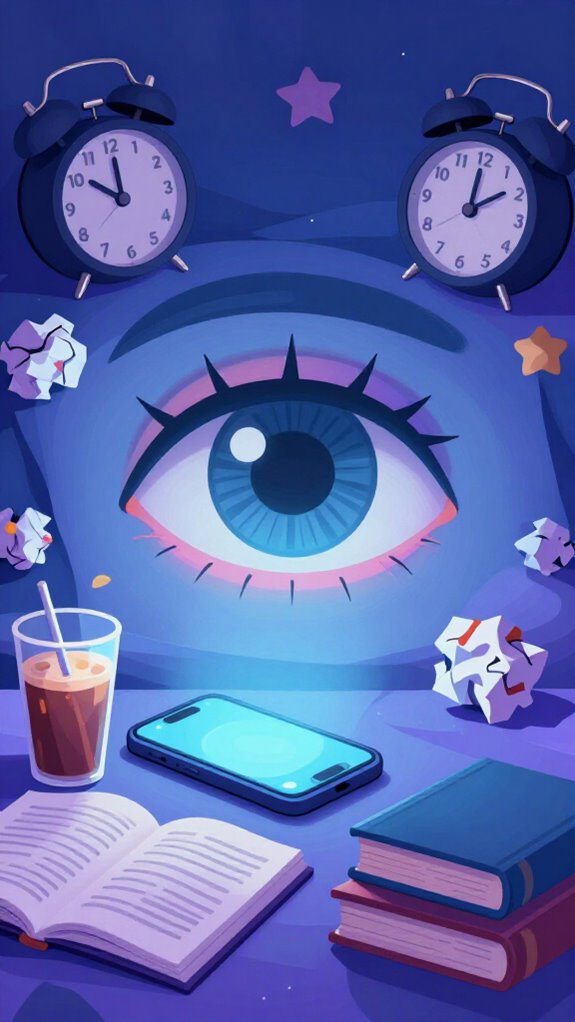
Ever noticed your teen’s phone addiction at midnight? Yeah, that’s not helping either.
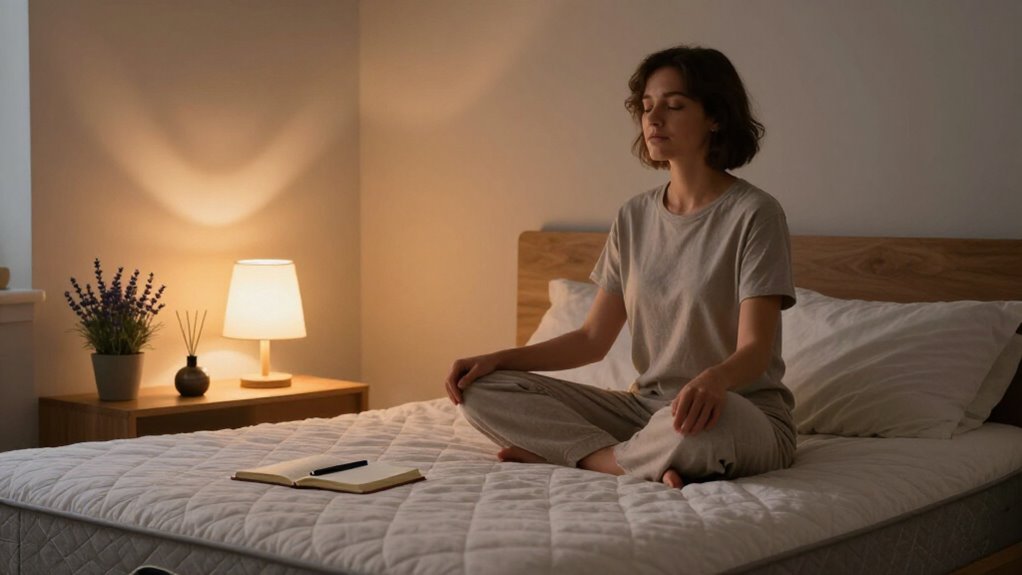
Better rhythm starts tonight.
Quick Takeaways
- Morning grogginess and yawning fits before class indicate inadequate sleep for teens.
- Slow reaction times and forgetfulness during tasks signal sleep deprivation effects on cognition.
- Glassy eyes at breakfast and irritability suggest fatigue impacting mood and attention.
- Daytime sleepiness leading to impaired focus or mood swings correlates with reduced sleep duration.
- Dependence on caffeine to stay alert or inconsistent sleep routines point to chronic sleep debt.
Do Teen Sleep Needs Change? What the Latest Says
Yes—teen sleep needs do shift, but not in a dramatic overnight overhaul.
I’ll note that the sleep cycle lengthens and hormonal changes reshape timing, nudging teens toward later onsets. Researchers like Carskadon and the NIH emphasize circadian shifts, not weakness. A mismatch between a teen’s natural sleep timing and early school start times creates a chronotype mismatch that compounds sleep deprivation, reducing alertness and academic performance. Masters of sleep science show gradual adaptation, with consistent routines supporting mastery over wakefulness, focus, and mood. When stress levels rise at night, teens may find themselves caught in a cycle of worry and sleeplessness that further disrupts their already delayed sleep patterns.
How Sleep Deprivation Shows Up in Teens (Morning Grogginess)
Morning grogginess is a tangible signal of sleep deprivation in teens, not mere laziness or moodiness. I explain how sleep patterns shift nightly, causing morning fatigue and impaired executive function. These symptoms often intensify during circadian nadir phases when the body is biologically programmed for sleep, making early school start times particularly challenging for adolescent brains. Simple stress relief techniques can help teens wind down earlier and reduce the morning struggle.
Morning grogginess signals teen sleep deprivation, not laziness or moodiness.
- yawning fits before class
- slow reaction times during drills
- glassy eyes at breakfast
- forgetfulness mounting in math
- irritability dampened by caffeine
Researchers like Sleep Foundation and Dr. Mary Carskadon inform these conclusions, grounding guidance.
Sleep, Mood, and Irritability in Teens
As morning grogginess fades, the link between sleep, mood, and irritability becomes clearer: insufficient sleep reshapes emotional regulation and daytime affect in teens.
I discuss sleep duration and mood swings, noting how emotional regulation correlates with academic performance and stress levels.
Nighttime routine, relaxation techniques, social behavior, and expert findings (NSF, Dr. Patrick Willems) inform practical, evidence-based guidance for balanced adolescence.
Sleep and Focus: How Sleep Affects Grades and Concentration
When teens don’t get enough sleep, their cognitive system pays the price, and that friction shows up in the classroom as reduced focus and slower processing of new information. The sleep surface quality they experience each night can significantly impact how restorative their sleep actually is, regardless of total hours spent in bed.
When teens lack sleep, focus falters and new information processing slows in the classroom.
- Sleep quality shapes attention spans under pressure
- Academic performance tracks with sufficient REM cycles
- Working memory declines with chronic sleep debt
- Decision-making accuracy wanes during late-afternoon tasks
- Alertness predicts exam resilience, per research by Marzano and Carney
Strategic timing of physical activity can significantly improve sleep architecture and depth, further supporting cognitive recovery for students.
Practical Tips to Improve Teen Sleep Habits

Prioritizing consistency over intensity is the key to practical teen sleep improvement: establish a predictable nightly routine, set a fixed wake time, and minimize evening stimulation so circadian rhythms can align with school demands. I outline sleep hygiene principles, including dim lighting, caffeine timing under four milligrams per kilogram, and a consistent bedtime routine. Research by Sleep Foundation and Dr. Matthew Walker supports these interventions with measurable benefits. Maintaining an optimal bedroom temperature between 60-67°F helps regulate core body temperature and supports deeper, more restorative sleep throughout the night. Cooler room temperatures signal the brain to release melatonin, the hormone that initiates and sustains healthy sleep cycles in adolescents.
Teen Sleep Debt Peaks Early
Teen sleep debt tends to accumulate most rapidly in the early teen years, a pattern driven by biology, school demands, and social schedules.
I explain sleep patterns and hormonal influences with evidence from researchers like Carskadon and National Sleep Foundation to help you master your child’s rhythm.
Here’s a concise, image-rich guide for practical understanding:
- Biological push for later bedtimes
- School start pressures
- Evening social activities
- Hormonal shifts that alter melatonin
- Consistent, targeted routines
Tech Sleep Gadgets Roundup
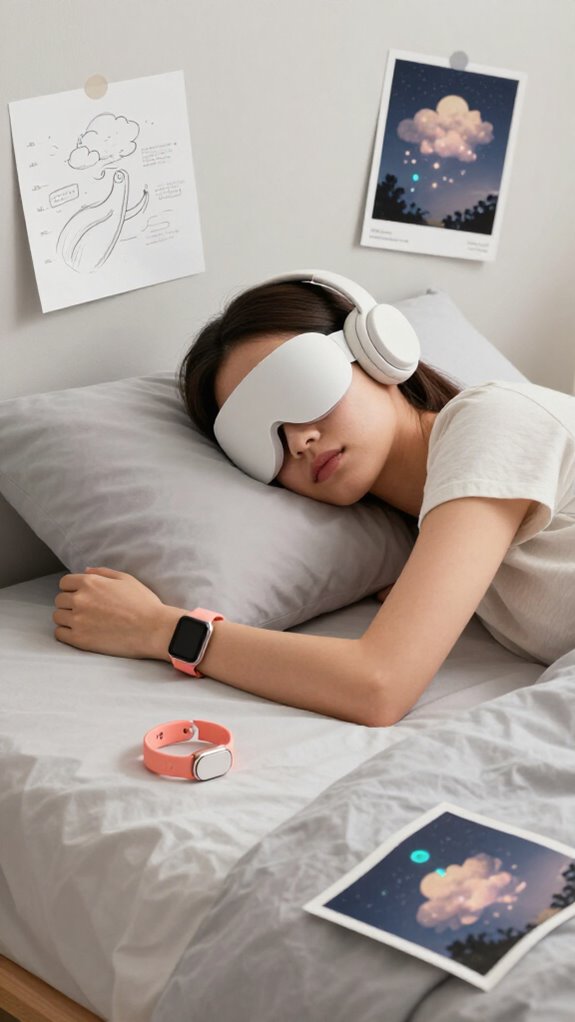
In this section, I examine how sleep tech interfaces with teen routines, separating proven aids from marketing hype.
Wearable devices track sleep metrics, HR, and arousal patterns, while sleep apps offer scheduling and CBT-I elements. Brands like Fitbit and Oura anchor credibility; researchers caution overinterpretation. Smart watches have emerged as particularly versatile tools for adolescents monitoring their sleep quality and recovery patterns.
Specialized sleep headphones offer another avenue for tech-assisted rest, using comfortable audio delivery to help teens wind down without disturbing roommates or family members.
I present evidence, limitations, and practical implications, guiding readers toward disciplined selection and skeptical usage, not hype.
Midnight Snack Impact on Sleep
Midnight snacks can quietly derail a teen’s sleep, even when the late bite feels innocuous. I explain, with evidence from sleep researchers like Dr. Matthew Walker, how late meals alter circadian signals and insulin.
Understanding midnight cravings and snack choices helps you anticipate awakenings, optimize timing, and reduce nocturnal arousals for steadier ECM sleep architecture.
- Elevated arousal from digestion
- Insulin spikes disrupting REM onset
- Caffeine or sugar reactivity
- Delayed gastric emptying effects
- Associations with later wakefulness and fatigue
FAQ
How Much Sleep Do Teenagers Actually Need Nightly?
Most teens need 8–10 hours nightly, and I recommend aiming for the higher end when possible. I keep sleep recommendations in mind and track progress with a sleep tracker to guarantee consistency and quality throughout the week.
Can Weekends Fix Weekday Sleep Debt?
Yes, weekends can partially help, but true sleep recovery requires consistent patterns, not just catch-up. I’ve investigated: weekend sleepovers reduce social jetlag somewhat, yet disruption harms sleep hygiene if weekday schedules lag. Plan steady bedtimes; avoid extremes.
Do Naps Help or Hurt Teen Nighttime Sleep?
Naps can help if timed right and kept short; nap duration matters, and nap timing should avoid late afternoons. I’ve found strategic napping supports nocturnal sleep, but excessive or poorly timed naps can undermine teen nighttime sleep. Plan wisely.
Does School Start Time Affect Teen Sleep Patterns?
School start times clearly affect teen sleep patterns; shifting them later improves sleep quality, and I’ve seen it boost alertness and mood. If you’re exploring mastery, consider advocating for evidence-based schedules that honor adolescent circadian biology.
What Role Do Caffeine and Sugar Play in Teen Sleep?
Caffeine can affect sleep, but I’ll show how to choose caffeine sources wisely and use sugar alternatives to stabilize energy. I’ll explain sleep impact and energy crashes, so you master timing, portions, and nightly routines without sacrificing focus.