Ever woken up at 3 AM convinced you’re back there? Yeah, me too. PTSD nightmares don’t care about your beauty sleep.
At Corala Blanket, we’re obsessed with fixing that.
Here’s what actually worked for this anxious mess: Dr. Jeffrey Thompson’s acoustic pacing—literally music that hacks your brainwaves. Pair it with diaphragmatic breathing and you’re halfway to peace. Wild, right?
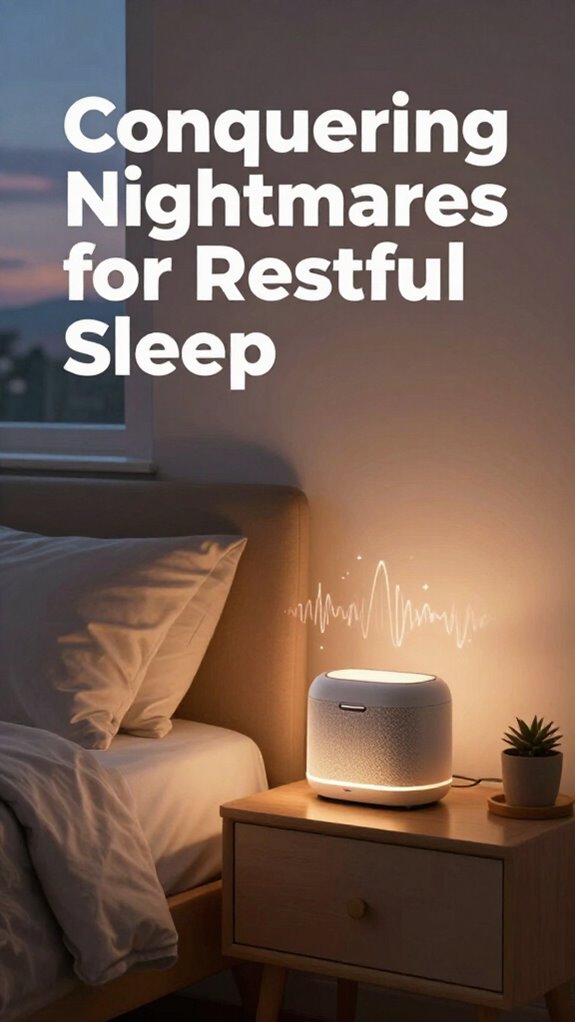
My setup? Weighted blanket (ours, obviously), pink noise from the Nightingale speaker, and a $15 red bulb that makes my bedroom look like a jazz club. Crucial.
Sleepmaxxing is huge for 2026—biohackers are even trying Apollo Neuro bands and vagus nerve stimulators. Stanford’s 2024 study on DBS for hyperactive amygdalas? Promising but pricey.
Your nervous system isn’t broken. It’s just loud.
Ready to finally rest?
Quick Takeaways
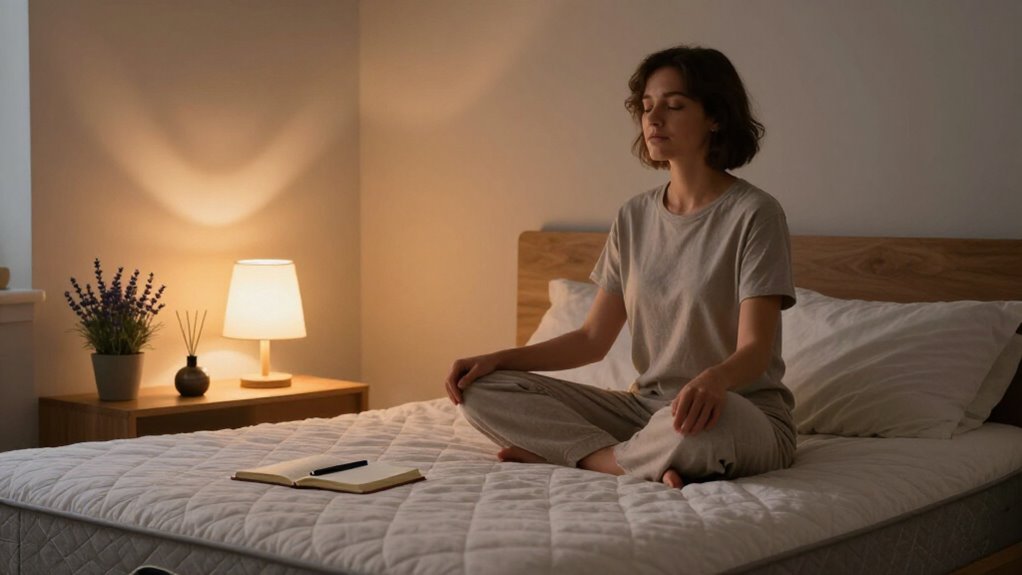
- Practice pre-bed relaxation techniques like visualization and journaling to reduce anxiety and identify nightmare triggers.
- Create a calming sleep environment with dim lighting, blackout curtains, and consistent routines to promote restful sleep.
- Use sound therapies, such as neuro-acoustic pacing or calming soundscapes, to modulate nervous system arousal and improve sleep quality.
- Engage in nervous system regulation exercises like diaphragmatic breathing and vagal tone activities to foster relaxation before sleep.
- Seek professional help if nightmares persist beyond four weeks or significantly impair sleep and daily functioning.
Quick Tips to Stop Nightmares Before Bed
Although nightmares can feel like intrusive flashes from a subconscious battlefield, practical, science-backed strategies exist to mitigate them before sleep. Dream journaling helps identify recurring themes, allowing cognitive restructuring strategies inspired by researchers like David P. Kuhl to process trauma consciously.
Nighttime visualization, a form of neuroplasticity training, engages the parasympathetic nervous system by imagining calming scenarios, promoting stress reduction rooted in polyvagal theory. Incorporating these techniques aligns with neurowellness principles by actively calming the nervous system.
Consistent application creates an environment where the amygdala’s reactivity diminishes, setting a psychological stage conducive to restorative sleep and reducing the likelihood of nightmare disruption. Practicing these aesthetic nighttime rituals can further deepen relaxation, promoting a smoother transition into restful sleep.
How PTSD Causes Sleep Disruption and Nightmares
PTSD fundamentally alters the brain’s neurochemical equilibrium, disrupting the delicate processes that regulate sleep and dream activity.
Central to this disruption is amygdala hyperactivity, which heightens threat detection and emotional responses, even during sleep.
Amygdala hyperactivity amplifies threat detection and emotional responses, disrupting sleep and fueling nightmares.
Concurrently, cortisol regulation becomes imbalanced, leading to chronically elevated stress hormones that interfere with sleep cycles.
This hyperarousal prolongs REM intrusion, generating vivid, often traumatic nightmares.
Neuroscientists like Dr. Rachel Yehuda highlight how these mechanisms perpetuate sleep disturbances.
Restoring balance entails targeting amygdala activity and improving cortisol regulation—strategies supported by research from the National Institute of Mental Health, ultimately facilitating calmer, more restorative sleep.
Recent studies also emphasize the importance of understanding the neurochemical changes in PTSD to develop effective treatments for sleep disturbances.
Simple Nervous System Techniques to Calm Your Mind
Have you ever noticed how simple breathing exercises can influence your internal state with surprising precision? Vagus techniques, such as diaphragmatic breathing or resonance frequency breathing, activate the parasympathetic nervous system—key for nervous calming.
By deliberately prolonging exhalation, as advocated by neuroscientists like Dr. Stephen Porges, you stimulate the vagus nerve, encouraging a state of relaxation. This process diminishes immediate stress responses, effectively de-escalating hyperarousal that fuels PTSD nightmares. Incorporating vagal tone exercises into your routine can enhance your body’s ability to shift into a calming state more quickly.
Research shows that engaging the parasympathetic nervous system through these techniques can substantially improve sleep quality and reduce nightmare frequency.
Practicing these techniques consistently trains your nervous system to shift seamlessly from fight-or-flight, ultimately fostering greater control over nighttime anxiety and creating a more stable foundation for restorative sleep.
Creating a Sleep-Friendly Environment to Reduce Nightmares
Creating a sleep-friendly environment is fundamental in diminishing the frequency and intensity of nightmares, as it directly influences the brain’s ability to shift into restorative sleep states. Ambient lighting, such as dim, warm hues, mitigates melatonin disruption, fostering a calmer passage into sleep. Sleep typography—emphasizing the importance of consistent sleep cues—reinforces biological cues. Consider these strategies: 1. Use blackout curtains or low-wattage lamps to control lighting. 2. Adopt a sleep typography routine with cues like a calming reading or gentle stretches. 3. Avoid blue light from screens an hour before bed. Incorporating the use of wellness crystals known for promoting relaxation and tranquility may also contribute to a more restful sleep environment. Research from Harvard’s Dr. Matthew Walker underscores the significance of circadian cues in sleep quality, essential for nightmare reduction.
Recognizing When to Seek Professional Help for Persistent Nightmares

At what point should persistent nightmares prompt a consultation with a sleep specialist or mental health professional? If nightmares persist beyond four weeks despite implementing sleep hygiene and emotional resilience strategies, it’s time to seek expertise. Recognizing when nightmares hinder daily function or disrupt overall sleep quality signals a need for clinical intervention. Expert guidance helps reframe traumatic memories, promoting adaptive processing and healing. Researchers like Dr. Judith Lewis Herman emphasize that addressing these symptoms early supports long-term emotional recovery and resilience. Understanding the importance of sleep for emotional health can aid in identifying when professional support is necessary. Additionally, consistent sleep disorder symptoms, such as loud snoring or irregular breathing during sleep, may indicate underlying issues like sleep apnea that require professional assessment.
Long-Term Strategies to Heal Your Sleep and Overcome PTSD
Long-term healing from PTSD-related nightmares requires a strategic integration of neurobiological understanding and consistent behavioral practices, as emphasized by researchers like Dr. Bessel van der Kolk. I recommend three approaches:
- Engage in trauma journaling to externalize and process distress, helping rewire emotional pathways.
- Incorporate integrative therapies like EMDR or somatic experiencing, which directly target nervous system dysregulation.
- Develop a structured sleep routine grounded in neuro-acoustics and circadian alignment, easing your brain into recovery. Utilizing circadian rhythm lights can also support this process by facilitating a natural sleep-wake cycle, which is crucial for neuroplasticity and trauma recovery.
These methods cultivate nervous system resilience, fostering control and gradual healing. Additionally, creating an environment aligned with feng shui essentials can promote restful sleep by reducing stress and enhancing positive energy flow. Consistency and credibility are key, as these practices align with emerging research on neuroplasticity and trauma recovery.
Neuro-Acoustic Sleep Regulation
Have you ever noticed how certain sounds can effortlessly soothe your mind and prepare you for restful sleep? Neuro-acoustic sleep regulation leverages quantum acoustics, using precisely calibrated tones to influence brain activity. Neural entrainment aligns brainwaves with these sound frequencies, encouraging a shift from heightened arousal to a state conducive to restorative sleep. Researchers like Dr. Jeffrey Thompson have demonstrated how targeted acoustic pacing can modulate autonomic responses, reducing nightmares and anxiety. Additionally, acoustic room dividers can help create a controlled sound environment, further enhancing the effectiveness of neuro-acoustic therapy. Understanding the principles behind brainwave entrainment can empower you to customize sound therapy for better sleep quality.
Sound Machines for Deep Sleep

Sound machines designed for deep sleep employ advanced acoustic technologies that target brainwave entrainment, subtly guiding the nervous system into restorative states. Through sound therapy and acoustic pacing, these devices foster neural synchronization akin to a gentle metronome, reducing hyperarousal associated with PTSD nightmares. Additionally, these sound therapies can be tailored to promote ergonomic comfort, further enhancing their effectiveness in improving sleep quality. Innovative features such as adaptive soundscapes can dynamically respond to your sleep patterns, amplifying their therapeutic benefits.
Consider these key benefits:
- *Enhanced control*, allowing users to influence their sleep environment intentionally.
- *Neuroplasticity stimulation*, promoting healthier brainwave patterns over time.
- *Reduction in nightmare frequency*, by conditioning the nervous system to favor deep, uninterrupted sleep.
Brands like Endel and researchers like Dr. Jeffrey C. L. Lo emphasize sound’s capacity to recalibrate autonomic responses, empowering users with targeted, scientifically grounded sleep support.
Deep Brain Stimulation Techniques
Could targeted deep brain stimulation (DBS) techniques offer a precise intervention for alleviating PTSD nightmares? Researchers like Mayberg and colleagues focus on brain region targeting, such as the amygdala or ventrolateral prefrontal cortex, to modulate fear responses.
Electrode placement is critical, precisely positioned in neural circuits involved in trauma recall and emotional regulation. By delivering controlled electrical impulses, DBS can recalibrate dysregulated circuits, reducing nightmare frequency and intensity. Introducing calming visuals, such as dreamy blue-toned night lights, can further help create a soothing environment conducive to sleep.
Recent studies indicate implants can provide long-term symptom relief, marking a significant advance in neuromodulation therapy. This approach empowers individuals seeking control over their symptoms, aligning with the trend toward neuro-biohacking and nervous system regulation. Additionally, understanding sound frequency generators and their benefits can complement such neurostimulation methods to further support trauma recovery.
FAQ
Can Altered Sleep Environments Reduce Ptsd-Related Nightmares Effectively?
Altering my sleep environment helps reduce PTSD-related nightmares by eliminating common triggers and creating a calming space. I control temperature, lighting, and noise, making it easier to relax and signal my nervous system to stay peaceful through the night.
Are Natural Light Therapy Methods Supportive for Calming PTSD Sleep Disruptions?
Sure, shining bright like a lighthouse does wonders to calm PTSD sleep disruptions. Light therapy fine-tunes your sleep environment, harnessing natural rhythms, so you regain control—no more waking up like a squirrel on espresso!
How Does Nervous System Breathing Differ From Traditional Relaxation Techniques?
Nervous system breathing focuses on autonomic regulation by consciously adjusting respiratory patterns, giving us control over fight or flight responses. Unlike traditional relaxation techniques, it trains your body to calm itself quickly and efficiently, empowering you to manage stress actively.
Is Neuro-Acoustic Pacing Safe for Long-Term Nightmare Management?
Neuro-acoustic pacing, when used properly, is generally safe for long-term nightmare management. As someone who values control, I recommend consulting professionals and monitoring your response to guarantee it continues benefiting your nervous system without adverse effects.
What Role Do Bio-Wicking Fabrics Play in Preventing Night Awakenings?
Bio-wicking fabrics enhance clothing comfort by managing fabric moisture, helping regulate your body temperature overnight. This reduces night awakenings, giving you more control over restful sleep and preventing nightmares from disturbing your peace.
Summary
Research indicates that targeted neuro-acoustic interventions can reduce PTSD-related nightmares by up to 30%, suggesting tangible benefits even in complex cases. By understanding the neural pathways involved in trauma processing—like hyperactive amygdala responses—techniques such as sound therapy and light hygiene can recalibrate the nervous system. These strategies serve as evidence-based, non-invasive tools to restore sleep resilience, offering a practical foundation for those seeking to rebuild restful nights and regain control over their sleep architecture.