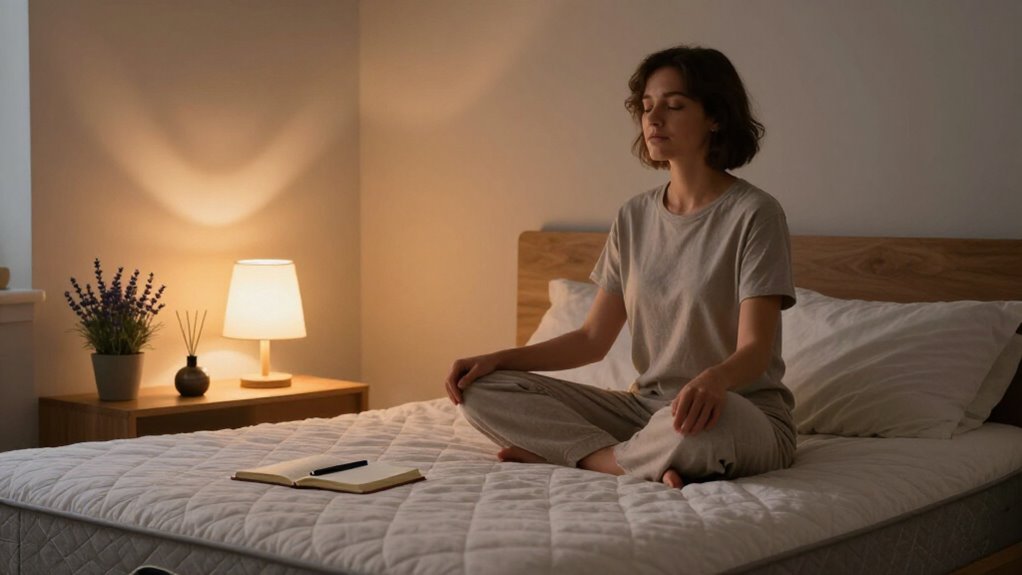
Ever tried explaining to your partner that your legs have *opinions* at 2 AM? Yeah, me too. Restless Leg Syndrome doesn’t care about your beauty sleep.
Here’s what actually moves the needle.
I spent months fighting my own limbs before discovering magnesium glycinate—a game-changer recommended by Johns Hopkins sleep researchers. Not all magnesium hits the same, folks.
The holy trinity that worked? Gentle yoga poses (Yoga with Adriene’s bedtime flows slap), diaphragmatic breathing per Dr. Andrew Huberman’s protocols, and yeah—weighted blankets. We at Corala Blanket obsess over this stuff because *no one* should lose sleep to twitchy legs.
2026’s “Sleepmaxxing” trend? It’s just doing the basics right: cool room, zero blue light, proper minerals.
Valerian root tea tastes like regret, but passionflower? Actually tolerable. Mayo Clinic backs both for muscle relaxation.
What’s your legs’ wildest midnight antic? Drop it below—misery loves company.
Quick Takeaways
- Practice gentle stretching and calf or hamstring yoga poses to relax leg muscles before bed.
- Use foot massages and ankle circles to stimulate nerves and improve circulation.
- Incorporate relaxation techniques like diaphragmatic breathing and calming sleep melodies.
- Create a sleep-friendly environment with dim lighting, optimal temperature, and noise reduction.
- Try natural supplements such as magnesium or herbal teas containing valerian root and passionflower.
What Is Restless Leg Syndrome and How to Spot It
Have you ever experienced an uncontrollable urge to move your legs, especially during rest or inactivity? Restless Leg Syndrome (RLS) manifests as an uncomfortable, creeping sensation prompting movement, often worse in the evening.
Its precise mechanism involves dysfunction in dopamine pathways and iron regulation, confirmed through research by the International Restless Legs Syndrome Study Group. Understanding the neurological basis of RLS can help guide more effective treatments and lifestyle adjustments. Recognizing that certain neurological mechanisms may contribute to RLS can further inform targeted therapies.
To manage symptoms, meditation techniques like mindfulness can lower nervous system arousal, while dietary modifications—such as increasing iron-rich foods—support neurological function.
Recognizing subtle sensory cues and maintaining consistent routines can also improve control over RLS.
Understanding these aspects enables targeted, evidence-based interventions, fostering better sleep and reducing discomfort.
Simple Stretching and Movement Tips to Ease RLS at Night
Targeted stretching and deliberate movement can be powerful tools in alleviating Restless Leg Syndrome symptoms at night.
Incorporating yoga stretches, such as seated hamstring or calf stretches, helps elongate muscles and reduce nerve irritability.
Foot massages stimulate nerve endings, easing discomfort and promoting circulation.
Gentle ankle circles further decrease tension in lower limbs, while leg elevation encourages venous return.
Techniques like pressing points on the sole or using foam rollers can break the cycle of involuntary movements.
Research from Dr. Rajesh Mittal highlights that consistent, controlled movement patterns facilitate the nervous system’s shift from hyperexcitation, offering a modifiable, non-pharmacological method to manage RLS symptoms effectively.
Additionally, integrating marble scent diffusers into your bedroom environment may create a calming atmosphere that supports relaxation and sleep quality.
Engaging in these relaxation techniques regularly can further enhance sleep comfort and reduce nighttime RLS discomfort.
Effective Relaxation and Breathing Techniques for RLS Relief
Breathing techniques rooted in somatic regulation have gained recognition for their capacity to mitigate the involuntary limb movements associated with Restless Leg Syndrome (RLS). Practices like diaphragmatic breathing calm the nervous system by engaging vagus nerve pathways, reducing sympathetic dominance. Incorporating natural remedies such as bananas, which contain magnesium and tryptophan, may further support relaxation and improve sleep quality.
Integrating rhythmic inhalation-exhalation paired with sleep melodies can deepen relaxation. Consider implementing dream journaling as a mental reset, releasing racing thoughts that amplify RLS symptoms.
These methods, supported by neuroscientists like Stephen Porges’ polyvagal theory, facilitate the *shift* from sympathetic arousal to parasympathetic balance. This shift helps your body naturally ease into restorative sleep and minimize RLS disruptions.
How to Create a Sleep-Friendly Bedroom Environment
Creating a sleep-friendly bedroom environment involves more than just a comfortable mattress; it requires an intentional design that aligns with the body’s natural rhythms and neurological needs.
*Prime* sleep hygiene and bedroom ambiance is essential. Consider these elements:
- Lighting: Use dim, warm tones or blackout curtains to support circadian rhythms, reflecting research by Dr. Charles Czeisler on light’s influence on melatonin.
- Temperature: Keep the room between 60-67°F, as studies from Harvard’s Sleep Medicine Program confirm. Maintaining this temperature helps facilitate the body’s natural drop in core temperature, which is vital for deep sleep.
- Sound: Minimize disruptive noise—consider white noise or acoustic pacing devices—key in neurowellness strategies.
- Air Quality: Use HEPA filters or greenery for *ideal* oxygenation, endorsed by environmental health experts.
- Textiles: Opt for bio-wicking fabrics that regulate thermal fluctuations, mimicking natural conditions for deeper sleep.
- Room Environment: Maintaining a consistent and comfortable sleep environment is crucial for aligning with the circadian rhythm and promoting restorative rest. Proper ventilation and humidity levels can further enhance sleep quality.
Natural Supplements and Nutrients That Calm RLS Symptoms

Certain natural nutrients and supplements have garnered recognition for their potential to mitigate Restless Leg Syndrome (RLS) symptoms by targeting neurological imbalances and micronutrient deficiencies. Magnesium, known for relaxing muscles and calming nerve activity, shows promising results, especially when combined with good sleep tracking to identify deficits. Including accessories like stylish throw pillows designed to promote better spinal alignment can also contribute to overall relaxation and improve sleep quality. Regularly monitoring your sleep patterns through sleep tracking can help identify specific deficiencies or disruptions that exacerbate RLS symptoms. Iron supplementation, supported by research including studies from the NIH, can relieve symptoms linked to deficiency. Furthermore, incorporating dream journaling practices can help recognize symptom patterns. These approaches empower you to consciously fine-tune your mineral levels and neurological health, creating a foundation for more restful nights and subtle symptom resolution through targeted, evidence-based supplementation.
Neuro-acoustic Influences on Sleep
Advances in neuro-acoustic science reveal how sound patterns shape brainwave activity via neural entrainment, offering a precise tool for sleep regulation. Sound therapy, informed by researchers like Dr. Jeffrey Thompson, targets specific frequencies to promote alpha and theta states essential for restful sleep. Incorporating herbal tea samplers known for their calming properties can further enhance the relaxation process before sleep.
These techniques foster parasympathetic activation, calming the nervous system pre-sleep. Benefits include:
- Synchronizing brainwaves to relax modes
- Reducing hyperarousal linked to RLS
- Enhancing sleep onset and quality
- Facilitating nervous system downregulation
- Supporting personalized auditory pacing networks
Employing these targeted sound interventions allows for deliberate control over somnolent neural pathways, fine-tuning your internal rhythm for a more restful night.
Premium Organic Herbal Blends

Opting for premium organic herbal blends offers a science-backed, natural strategy to alleviate restless leg syndrome (RLS), steering away from pharmaceuticals with potential side effects. These blends harness herbal synergy—combining botanicals like valerian root, passionflower, and magnesium—to support nervous system regulation.
Incorporating deliberate sleep rituals involving these tinctures or teas can enhance relaxation, calming the nervous system preemptively. Research from institutions like the Mayo Clinic underscores magnesium’s role in neuromuscular health.
Aura Photography for Sleep Insights
Aura photography, a technique rooted in biofield science, offers a novel window into the subtle electromagnetic energy surrounding the human body—an area traditionally explored through intuitive and spiritual frameworks but increasingly validated by scientific inquiry.
Aura photography reveals the body’s electromagnetic energy, blending spiritual insight with scientific validation for holistic health understanding.
By capturing the auric field, practitioners can interpret energy imbalances linked to sleep disruptions.
- Provides visual feedback of energetic health
- Reveals underlying stress or emotional blockages
- Facilitates targeted energy balancing therapies
- Correlates auric distortions with sleep quality
- Reviews subtle shifts post-intervention
Experts like Barbara Ann Brennan and research in biophoton emission support its validity. Additionally, understanding the biofield, which encompasses the electromagnetic and subtle energies around us, enhances the insights gained from aura photography.
Using aura photography for sleep understanding empowers you to take a proactive approach in restoring energetic harmony, thereby easing conditions like Restless Leg Syndrome. Biofield science continues to grow as a scientific foundation for understanding these subtle energies.
FAQ
Can Temperature Regulation Help Reduce RLS Symptoms Overnight?
Cooling therapies and temperature regulation can notably reduce RLS symptoms tonight, as they help calm nerve activity and relax muscles. I recommend trying a cool compress or breathable, temperature-regulating fabrics to actively control your body’s thermal environment and ease discomfort.
Are There Specific Foods to Avoid Before Bedtime for RLS Relief?
Avoid caffeine, sugar, and processed foods before bedtime to improve your sleep position and routines, giving your body control over RLS symptoms. Focus on calming foods and establish a consistent nightly routine for better relief tonight.
How Does Stress Impact RLS Severity During Sleep?
Stress worsens RLS by triggering nerve tension, disrupting sleep, and heightening discomfort. Effective stress management—mindfulness, relaxation, deep breathing—gives you control over sleep disruption, calming your nervous system and reducing restless sensations tonight.
Is There a Link Between Hydration Levels and RLS Flare-Ups?
Hydration myths often exaggerate its impact, but proper hydration strategies can reduce RLS flare-ups by preventing electrolyte imbalances. Staying consistently hydrated helps me maintain nerve health and control symptoms, giving me back some control over my sleep quality.
Can Biofeedback Techniques Improve Nighttime Leg Comfort?
They say, “A stitch in time saves nine,” and that’s true with biofeedback—it promotes muscle relaxation and enhances sleep hygiene, giving you control over nocturnal leg discomfort. You can actively manage RLS for restful nights.
Summary
By implementing these science-backed, natural approaches—like targeted stretching, magnesium intake, and creating an ideal sleep environment—you can markedly diminish RLS symptoms without relying solely on medication. Remember, your nervous system is a complex, delicate instrument, and nurturing it with consistent, evidence-based practices can restore harmony. Embracing these methods might not eliminate RLS overnight, but they can help prevent it from becoming an insurmountable obstacle—turning your restless nights into periods of genuine renewal.