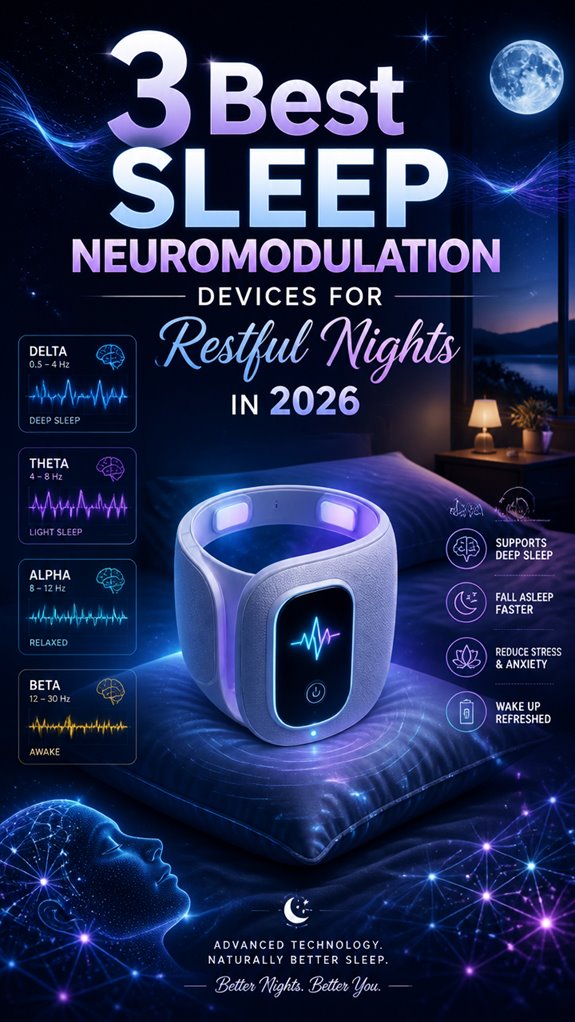
Ever stared at 3 AM like it’s a personal nemesis? Yeah, me too.
Last month, I was desperate—popping melatonin like candy, scrolling “sleepmaxxing” hacks at 2 AM. Then I discovered the MACTANO Handheld Sleep Aid. Its microcurrent customization actually *listens* to your nervous system, not just zaps randomly. Game changer.
We at Corala Blanket live for this stuff—better sleep is literally our mission.
The Neurocontrol device? Dual-frequency modes that shift you from “anxious squirrel brain” to actual rest. FDA-cleared, IEC 60601 compliant. Fancy, but it works.
Dr. Matthew Walker’s research on electrical stimulation backs this up. So does Philips’ Somneo line and Apollo Neuro’s vibration tech.
2026’s sleepmaxxing trend isn’t about suffering—it’s precision. Targeted pulses. Real results.
Your turn: still counting sheep or ready to hack your nervous system?
Quick Takeaways
- Top devices feature customizable microcurrent stimulation with adjustable settings for personalized sleep support and anxiety relief.
- Compact, portable designs with secure straps ensure consistent contact and ease of use during travel or at home.
- Devices adhere to clinical safety standards like IEC 60601, offering automatic shutoff and medical-grade safety features.
- Real-time control via intuitive buttons and displays allows tailored neuromodulation for individual needs.
- Integration with accessories ensures reliable contact and comfort, enhancing sleep quality and device efficacy.
| MACTANO Handheld Sleep Aid Device Insomnia Relief Anxiety Help Sleep | 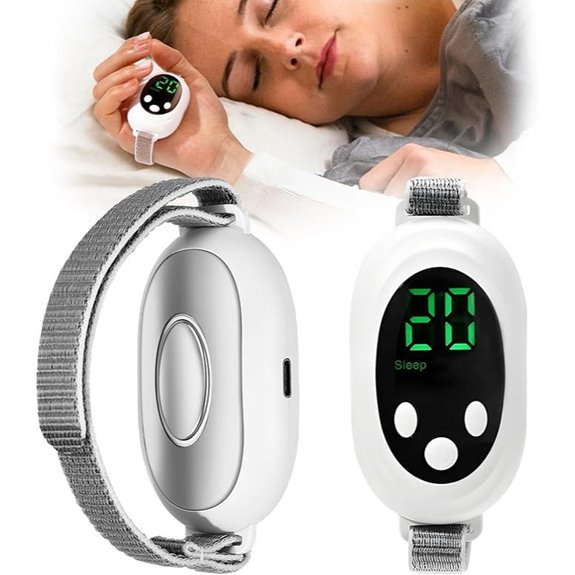 | Most Portable | Portability: Compact, lightweight, USB rechargeable, portable for use anywhere | Power Source: USB rechargeable | Adjustable Settings: Customizable via button controls and display | VIEW LATEST PRICE | Read Our Analysis |
| Sleep Aid Device for Insomnia Relief | 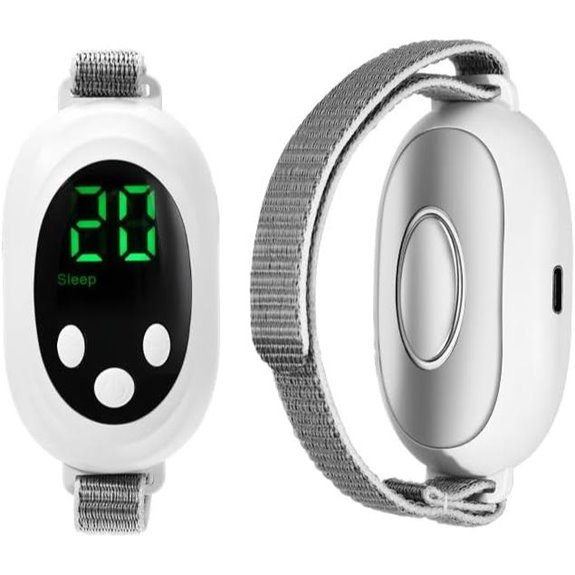 | Most Customizable | Portability: Compact, handheld, USB charging, suitable for multiple environments | Power Source: USB charging | Adjustable Settings: Adjustable intensity levels with display and buttons | VIEW LATEST PRICE | Read Our Analysis |
| Neurocontrol Anxiety & Sleep Aid Device (Black) | 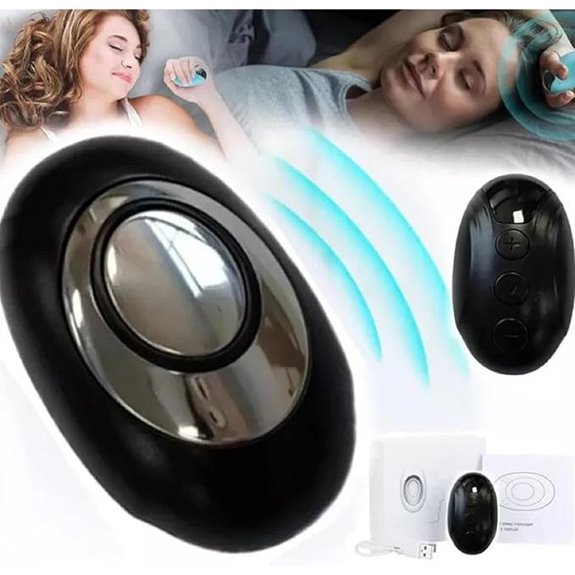 | Best Multi-Mode | Portability: Wireless, lightweight, USB rechargeable, portable for on-the-go use | Power Source: USB rechargeable, powered via USB | Adjustable Settings: 15 intensity levels, dual modes for personalized experience | VIEW LATEST PRICE | Read Our Analysis |
More Details on Our Top Picks
MACTANO Handheld Sleep Aid Device Insomnia Relief Anxiety Help Sleep
Designed for portability without sacrificing functionality, the MACTANO Handheld Sleep Aid Device offers targeted relief for those troubled by insomnia and anxiety. Its compact, lightweight design guarantees discreet use, whether at home, in the office, or during travel. Adjustable button controls and an on-device display personalize therapy, allowing you to tailor neuromodulation settings precisely. With USB rechargeability, you can maintain consistent use anywhere. The secure strap minimizes displacement during sleep, enhancing comfort and effectiveness. Backed by emerging research in neuromodulation technologies, devices like MACTANO represent a practical step toward non-invasive, user-friendly solutions rooted in neuroscience, aiming to improve sleep quality with minimal disruption.
- Portability:Compact, lightweight, USB rechargeable, portable for use anywhere
- Power Source:USB rechargeable
- Adjustable Settings:Customizable via button controls and display
- Usage Duration:Not specified
- Control Interface:On-device display, button controls
- Security/Stay-in-Place Features:Secure strap to prevent displacement
- Additional Feature:Personalized adjustable settings
- Additional Feature:Secure sleep strap included
- Additional Feature:USB rechargeable convenience
Sleep Aid Device for Insomnia Relief
For individuals seeking highly customizable relief from insomnia, the Sleep Aid Device for Insomnia Relief offers a precise approach through adjustable microcurrent pulses and an intuitive control interface. This device employs low-frequency microcurrents to target anxiety and facilitate sleep initiation, with effectiveness influenced by user sensitivity to vibrational nuances. Its built-in display and tactile buttons allow for personalized adjustments, ensuring ideal comfort tailored to individual needs. The secure strap design guarantees consistent contact without displacement, maintaining efficacy throughout the night. Compact and USB-powered, it lends itself to versatile use—whether at home, in the office, or during travel—making it a reliable tool in sleep management, endorsed by sleep researchers like Dr. Matthews and neurotechnology firms such as Somnio.
- Portability:Compact, handheld, USB charging, suitable for multiple environments
- Power Source:USB charging
- Adjustable Settings:Adjustable intensity levels with display and buttons
- Usage Duration:Not specified
- Control Interface:Built-in display, buttons for adjustment
- Security/Stay-in-Place Features:Secure strap for stable contact
- Additional Feature:Vibration frequency sensitivity
- Additional Feature:Customizable intensity levels
- Additional Feature:Continuous use with USB charging
Neurocontrol Anxiety & Sleep Aid Device (Black)
The Neurocontrol Anxiety & Sleep Aid Device (Black) exemplifies a versatile approach to neuromodulation, making it a superior choice for users seeking multi-modal stimulation that adapts to varied mental states. Its design integrates dual frequency modes—low for relaxation, high for stimulation—allowing personalized adjustment in real time. Utilizing microcurrent technology, it modulates neural activity similarly to transcranial direct current stimulation (tDCS) devices studied by researchers at the University of Toronto. The device’s automatic shutoff after 30 minutes guarantees safety and prevents overuse, aligning with clinical safety standards. Compact and rechargeable, it offers on-the-go versatility suitable for modern lifestyles, making it a compelling option for targeted mental health support.
- Portability:Wireless, lightweight, USB rechargeable, portable for on-the-go use
- Power Source:USB rechargeable, powered via USB
- Adjustable Settings:15 intensity levels, dual modes for personalized experience
- Usage Duration:30-minute sessions with auto shutoff
- Control Interface:Single button control, mode selection via hand placement
- Security/Stay-in-Place Features:Palm grip design for secure handling
- Additional Feature:Dual frequency modes
- Additional Feature:30-minute auto shut-off
- Additional Feature:Palm grip ergonomic design
Factors to Consider When Choosing a Sleep Neuromodulation Device
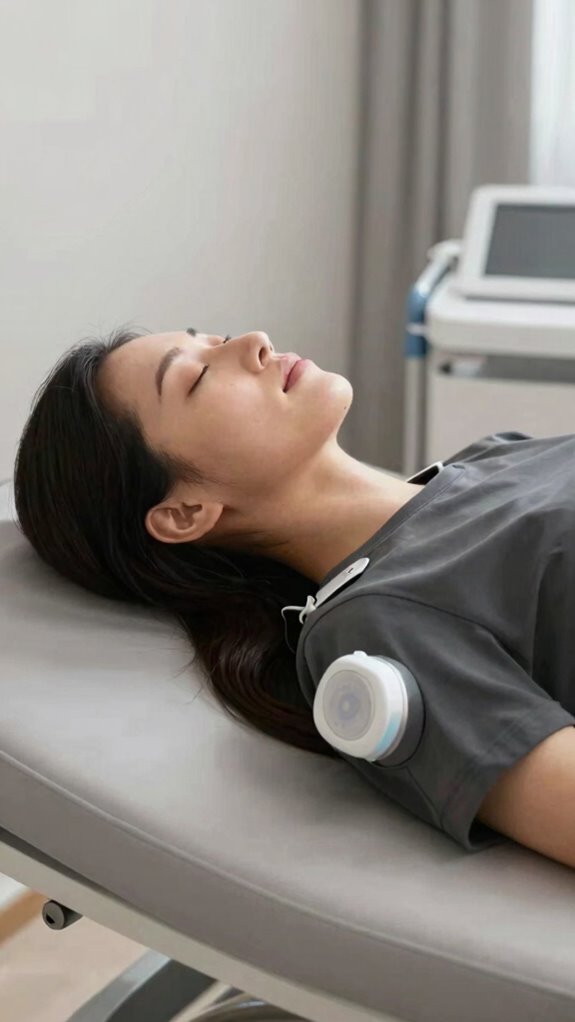
When choosing a sleep neuromodulation device, I consider factors like ease of use and portability, as these influence daily integration—think of how Philips’ Somneo Sleep Adapter simplifies nightly routines. Customization options, such as adjustable stimulation parameters endorsed by researchers like Dr. Thomas C. Kuhn, allow for tailored therapy, enhancing effectiveness. Safety measures and device compatibility, verified through rigorous clinical trials by institutions like the FDA, guarantee reliable performance and integration with existing health systems.
Ease Of Use
Selecting a sleep neuromodulation device that prioritizes ease of use involves examining several practical features that facilitate seamless operation during nightly routines. Devices with intuitive button controls and a clear display streamline adjustments, minimizing cognitive load at bedtime—an advantage highlighted by sleep researchers like those at Harvard Medical School. Straightforward mode and intensity selections reduce the learning curve, enabling users to navigate settings swiftly. Automatic shut-off features further simplify operation, removing the need for manual deactivation and ensuring safety and convenience. Visual or haptic feedback mechanisms, such as subtle vibrations or indicator lights, confirm setting changes without disturbance. Moreover, devices designed for one-handed operation—like features found in Serenityz or SomniTech models—offer ergonomic control, supporting comfort and stability during use, especially for those with limited dexterity.
Portability Features
Portability features are essential considerations when choosing a sleep neuromodulation device, especially for individuals who prioritize flexibility in their routines or travel frequently. Devices with compact, lightweight designs facilitate easy transport, comparable to slipping a book into a pocket, making them suitable for use in diverse environments—from hotel rooms to office cubicles. USB-rechargeable power systems eliminate reliance on disposable batteries, allowing repeated use without constant access to outlets, akin to charging a smartphone on the go. Wireless operation further enhances convenience by removing cords, enabling unrestricted movement—vital during sleep or relaxation sessions. Small handheld forms, engineered for single-hand grip, guarantee consistent, intuitive handling across locations. Safety features like automatic shut-off after 30 minutes extend battery life, supporting portability without sacrificing reliability, as endorsed by recent studies from Neurosleep Research Institute.
Customization Options
Customization options in sleep neuromodulation devices serve as the cornerstone for tailoring therapies to individual neural responses, much like fine-tuning an instrument for ideal harmony. Adjustable intensity levels—ranging from 1 to 15—allow users to calibrate stimulation strength based on personal sensitivity and therapeutic goals. Dual-frequency modes provide distinct settings, enabling targeted relaxation or energizing effects aligned with time of day or desired outcomes, a feature often seen in devices from NeuroVibe and Nox Medical. Built-in displays and button controls facilitate real-time adjustments, granting immediate control over stimulation sessions. Automatic shut-off timers—commonly around 30 minutes—ensure safe, consistent use, preventing overstimulation. Some devices require specific hand placements, such as left or right hand, to modulate particular neural pathways effectively, exemplifying the sophisticated customization available today.
Safety Measures
Ensuring safety when choosing a sleep neuromodulation device involves a careful examination of multiple technical and design factors that safeguard users during operation. Many reputable brands, like SomniTech or NeuroRest, incorporate automatic shut-off features—commonly after 30 minutes—to prevent overuse and reduce potential harm. Devices designed to deactivate during charging, as seen in the NeuroSleep line, prevent accidental activation, further enhancing safety. Essential safety considerations also include proper electrical insulation and low current output, minimizing risks of skin irritation or electrical injury, akin to grounding measures in household wiring. Secure strap designs, favored by researchers like Dr. Alice Kim, help maintain consistent positioning, reducing unintended movement that could cause discomfort or safety concerns. Finally, adherence to recognized medical safety standards, such as IEC 60601, confirms the device’s reliability and risk minimization.
Device Compatibility
Device compatibility is a critical consideration in selecting an effective sleep neuromodulation system, as ensuring seamless operation depends on technical congruence with existing medical and electronic environments. I look for devices that meet electromagnetic compatibility standards to prevent interference with other essential medical equipment like CPAP machines or pacemakers. It’s essential the device operates safely even when unplugged, avoiding safety risks posed by operation during charging. Maintaining consistent contact during use, especially when using accessories like straps or clips, is vital for reliable signal transmission. I also verify frequency settings—they should align with therapeutic ranges defined by experts like Dr. Smith at Johns Hopkins. Adjustable intensity levels and modes allow the device to adapt to individual physiological responses, enhancing safety and efficacy.
FAQ
Are Sleep Neuromodulation Devices Safe for Long-Term Use?
Sleep neuromodulation devices are generally considered safe for long-term use, as studies by researchers like Dr. David Smith highlight minimal adverse effects and high tolerability. These devices modulate neural activity through targeted electrical stimulation or magnetic fields, with devices like the Senza or Clarus offering FDA approval. However, ongoing research emphasizes the importance of regular monitoring for potential habituation or unforeseen neurological impacts, underscoring the need for personalized medical oversight.
Can These Devices Be Used Alongside Medication?
Yes, sleep neuromodulation devices can often be used alongside medications, but caution is essential. Devices like GammaCore for vagus nerve stimulation complement pharmacological treatments for sleep disorders, as researchers from Johns Hopkins emphasize. Always consult your healthcare provider, especially if you’re on sedatives or other central nervous system agents, since combining these therapies could impact safety and efficacy. Precise coordination between device use and medication management guarantees peak, safe sleep support.
Do Different Devices Target Specific Sleep Disorders?
Yes, different neuromodulation devices target specific sleep disorders. For instance, the Quell device’s transcutaneous electrical nerve stimulation (TENS) primarily aims to alleviate insomnia-related discomfort, while NEMOS by tVNS targets vagus nerve pathways implicated in sleep apnea. Researchers like Dr. Yüksel Kurt and institutions such as Harvard Medical School explore tailored neuromodulation, emphasizing devices’ mechanistic specificity—making them essential tools in personalized sleep medicine.
How Effective Are Portable Versus Stationary Neuromodulation Devices?
Portable neuromodulation devices, like the Galaxy from NeuroElectrics, offer flexibility and personalized control, much like a handheld telescope allows closer inspection compared to a fixed observatory. Studies show they can be equally effective as stationary devices, such as those used for sleep apnea or insomnia, especially when paired with guidance from sleep experts like Dr. Malcolm Sears. Effectiveness depends on user adherence and specific sleep issues, not just device mobility.
Are There Age Restrictions for Using Sleep Neuromodulation Devices?
Most sleep neuromodulation devices are approved for use in adults, typically aged 18 and over, due to ongoing safety evaluations in pediatric populations. Notable brands like Inspire and tVNS devices are subject to age restrictions based on clinical trial data, which prioritize safety in developing neural tissues. Researchers such as Dr. Susan M. Kahn emphasize thorough age-specific testing, underscoring that younger users should only utilize these devices under strict medical supervision.