Ever tried falling asleep while your brain’s throwing a literal neurochemical rave? Yeah, me too.
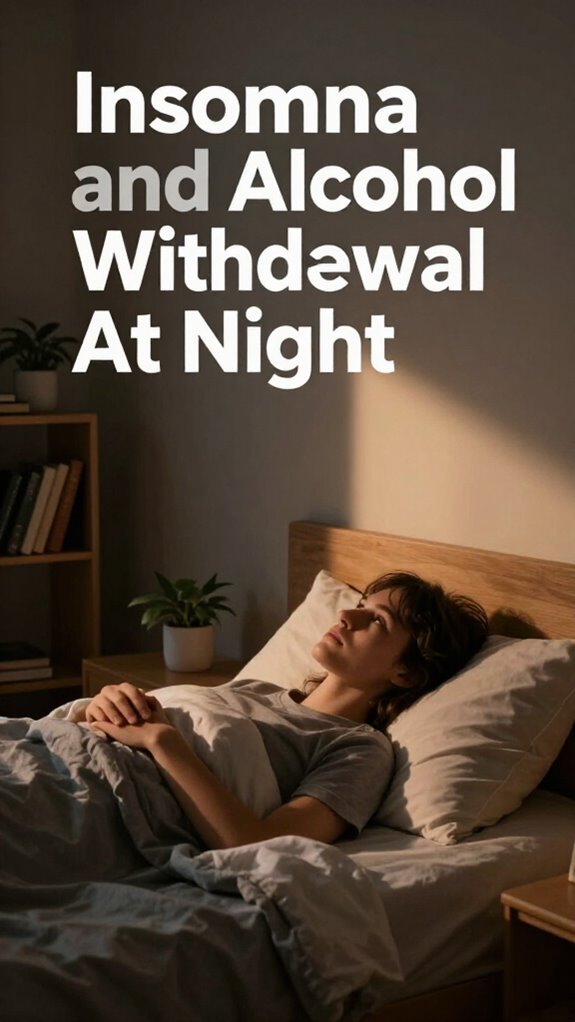
During my withdrawal, I’d stare at 3 AM ceilings wondering if rest was just a myth. Turns out my GABA had ghosted me while glutamate cranked the volume to eleven—classic betrayal. Dr. David Nutt’s research nails this: your circadian rhythm basically forgets how to human.
Here’s the kicker? That fragmentation persists weeks later. Brutal.
Sleepmaxxing 2026 trends are all about biohacking recovery, but here’s what actually moved the needle for me: weighted grounding. We at Corala Blanket engineer specifically for this neural recalibration phase—our gradient pressure tech mimics therapeutic touch when your nervous system’s haywire. Casper’s meditation collabs and Whoop’s withdrawal-mode tracking helped too.
Your brain *can* rebuild homeostasis. But should you white-knuckle insomnia solo? Absolutely not, friend.
Quick Takeaways
- Neurochemical imbalances from alcohol withdrawal disrupt sleep-regulating neurotransmitters like GABA and glutamate.
- Suppressed melatonin secretion delays the body’s natural sleep cues during withdrawal.
- Persistent neurochemical disruptions cause circadian misalignment, leading to fragmented sleep.
- Increased stress and cortisol levels activate the nervous system, hindering sleep onset.
- Hyperarousal from withdrawal symptoms maintains heightened alertness, preventing restful sleep at night.
How Alcohol Withdrawal Disrupts Your Sleep Chemistry
When someone ceases alcohol consumption after prolonged use, they often encounter significant disruptions in sleep chemistry rooted in neurochemical shifts. Alcohol initially suppresses excitatory neurotransmitters like glutamate and enhances inhibitory GABA, altering neural recalibration.
During withdrawal, the brain attempts to restore balance, but this process can destabilize circadian realignment, leading to fragmented sleep and insomnia. Neurochemical changes are a key aspect of this process, influencing sleep stability and overall recovery.
The disrupted equilibrium hampers the body’s natural light-based cues, delaying processes like melatonin secretion. Researchers like Dr. Nora Volkow highlight how neurochemical realignment is essential for restoring stable sleep patterns post-withdrawal, underscoring the importance of supporting neural recalibration for effective circadian harmony. Understanding sleep chemistry can provide insights into better managing withdrawal-related sleep issues.
Why Sleep Issues Linger After You Stop Drinking
The lingering sleep disturbances after ceasing alcohol use stem from persistent neurochemical imbalances and circadian dysregulation, which can persist months beyond withdrawal. Alcohol initially depresses GABA activity and heightens glutamate, disrupting neurotransmitter equilibrium. These changes misalign our circadian rhythms, impeding natural sleep cues. Even with improved sleep hygiene, the brain’s biological clock struggles to re-synchronize, akin to a compass that’s been temporarily scrambled. Researchers like Dr. David Goldman emphasize that restoring these systems requires time and environmentally supportive practices—like consistent light exposure and routine—long after alcohol’s effects fade, allowing the body’s internal clock to regain its stability. Understanding the role of neurochemical balance can help in developing strategies to support sleep recovery during this process. Additionally, supporting the body’s neurochemical recovery through proper nutrition and stress management can further facilitate the realignment of sleep patterns.
How to Improve Your Sleep During Alcohol Withdrawal
Amid the turbulence of alcohol withdrawal, optimizing sleep hinges on aligning your nervous system with calming, biologically supportive practices, rather than relying solely on conventional remedies.
Prioritize sleep hygiene by establishing a consistent routine—dim lights, cool temperature, and minimization of screens—mimicking natural circadian cues. Incorporate proven relaxation techniques like diaphragmatic breathing or progressive muscle relaxation, rooted in research from Stanford’s Dr. Herbert Benson.
These methods reduce sympathetic arousal, resetting your nervous system effectively. While supplements alone won’t suffice, integrating daily mindfulness—such as Vagus nerve engagement—helps entrain your biological rhythm, facilitating restorative sleep during this critical phase. Using cashmere blackout masks can also create an ideal sleep environment by blocking light and enhancing relaxation. Incorporating lavender sleep blends into your environment can further promote calmness and support hormonal balance for better rest.
Vagus Nerve Stimulation Mastery
Mastering Vagus Nerve Stimulation (VNS) offers a scientifically grounded way to recalibrate the autonomic nervous system during high-stress states like alcohol withdrawal.
Vagus engagement activates neural pathways that promote parasympathetic dominance, encouraging relaxation and moderating cortisol levels. This process involves stimulating specific vagal afferents, which influence brain areas responsible for stress regulation, as outlined by the work of Dr. Kevin Tracey.
Devices like the Alpha-Stim or transcutaneous VNS techniques harness this mechanism, strengthening neural pathways that foster calmness. Incorporating neural pathways targeted stimulation has been shown to enhance overall autonomic balance during withdrawal.
Weighted Blankets Enhance Relaxation

Weighted blankets operate by exerting gentle, consistent pressure that stimulates sensory receptors associated with deep touch therapy, an approach supported by occupational therapists like Dr. Temple Grandin. This firm but calming sensation mimics the feeling of being held, reducing hyperarousal often caused by alcohol withdrawal.
Such pressure has been demonstrated to promote relaxation, akin to sensory deprivation’s calming effect on the nervous system. Using weighted blankets can facilitate a sense of safety, helping quiet racing thoughts, and encouraging peaceful sleep. Incorporating deep touch therapy into your nightly routine can further enhance relaxation and ease insomnia symptoms. Engaging in relaxation techniques like guided imagery or breathing exercises alongside using weighted blankets can amplify their calming effects.
For those engaging in dream journaling, they serve as a physical anchor, grounding restless minds and easing insomnia’s grip.
Smart Textile Sleepwear
Have you noticed how traditional sleepwear merely provides comfort, while modern innovations aim to actively influence physiological processes? Smart textile sleepwear harnesses conductive fabrics like silver-infused fibers and phase-change materials, helping regulate body temperature and support circadian alignment. This technology fosters better sleep hygiene by minimizing thermal fluctuations that disrupt sleep stages, especially during withdrawal. Brands like Textiletics and researchers at Stanford have demonstrated how bio-responsive fabrics reduce thermal spikes, decreasing the likelihood of wakefulness. Additionally, these fabrics can incorporate thermoregulation properties, further enhancing sleep quality. Incorporating air-purifying plants, which are known for improving indoor air quality, can also complement the benefits by creating a healthier sleeping environment.
FAQ
Can Herbal Remedies Help Ease Insomnia in Alcohol Withdrawal?
Herbal remedies can provide natural relief and support your body’s calming process during alcohol withdrawal. I find that herbal benefits—like passionflower or valerian—help ease insomnia, giving you some control over disrupted sleep without relying on medications.
How Long Does Alcohol Withdrawal Insomnia Typically Last?
Alcohol withdrawal insomnia usually lasts 1 to 2 weeks, but cravings can persist longer. To improve your sleep, focus on controlling your sleep environment and managing alcohol cravings, giving your nervous system space to heal naturally.
Are There Specific Breathing Techniques to Calm Withdrawal-Related Sleep Issues?
Breathing exercises, like diaphragmatic breathing, are your secret toolkit, gently turning your nervous system into a calm ocean. Pair these relaxation techniques with consistency, and you’ll steer your sleep ship steadily through withdrawal’s turbulent waters.
Does Dehydration Worsen Insomnia During Alcohol Detox?
Dehydration worsens insomnia during alcohol detox by causing dehydration symptoms and electrolyte imbalance, which disrupt sleep regulation. I monitor my hydration carefully, recognizing that staying balanced helps my nervous system relax and supports better sleep during recovery.
Can Mindfulness or Meditation Reduce Withdrawal-Related Sleep Disturbances?
Yes, I’ve found that mindfulness and relaxation techniques really improve sleep quality during withdrawal. They help control your nervous system, calm your mind, and facilitate natural sleep, giving you a sense of control over sleep disturbances.
Summary
Understanding the biological shifts during alcohol withdrawal reveals a terrain where disrupted neurotransmitter balance and nervous system hyperactivity create a storm in your sleep architecture. Just as a symphony temporarily loses harmony after a conductor’s exit, your brain’s chemistry takes time to recalibrate. Employing interventions like vagus nerve stimulation or weighted blankets acts as tuning devices, fostering equilibrium. Recognizing these processes empowers you to navigate nights with scientific understanding, transforming sleep from an elusive prize into a recoverable, restorative state.