You know that bone-tired feeling after eight hours in bed? I lived it for two years, blaming menopause while my husband slept in the guest room. Turns out, my airway was throwing a nightly tantrum.
Women over 50? We’re the hidden epidemic. Dr. Charles Czeisler’s Harvard research shows we underdiagnose ourselves by miles—those choking episodes aren’t “just hot flashes,” friends.
The 2026 trend everyone’s buzzing about? Sleepmaxxing—optimizing every variable. I’m talking Dreem’s EEG sleep masks tracking REM in real-time, or Apollo Neuro’s vibration therapy actually calming your nervous system down.
At Corala Blanket, we’re obsessed with better sleep because we’ve been there. Missed it ourselves once too.
Want to wake up actually rested? Start paying attention to the gasping. Your brain will thank you.
Quick Takeaways
- Women over 50 may experience loud snoring, choking, gasping, and persistent daytime fatigue as signs of sleep apnea.
- Unexplained headaches, memory issues, and mood changes can indicate disrupted sleep patterns related to apnea.
- Sleep tracking apps might miss key symptoms; clinical diagnosis through sleep studies is essential.
- Hormonal changes post-menopause and weight gain around the neck increase sleep apnea risk.
- Emerging sleep technologies like Bluetooth masks, biometric systems, and neurofeedback can help improve symptoms and brain relaxation.
What Are the Signs of Sleep Apnea in Women Over 50?
While sleep apnea is often associated with men, women over 50 face subtle, sometimes overlooked signs indicating airway obstructions. These include frequent night awakenings, morning headaches, or unexplained fatigue—symptoms that link to disrupted sleep architecture. Acknowledging the mental health implications of chronic sleep disturbances can motivate women to seek timely help. Dream journaling can reveal vivid, often distressing recall, indicating fragmented REM cycles. Moreover, optimizing *sleep environment*—reducing noise, controlling temperature, and minimizing light—supports clearer sleep but also highlights irregularities that signal apnea. Researchers like Dr. Christian Guilleminault emphasize that recognizing these early signs, combined with attentive sleep environment management, empowers women to seek timely diagnosis and intervention, preserving health and control over their sleep quality. Additionally, understanding sleep architecture can help women identify disruptions that are characteristic of sleep apnea, further encouraging prompt medical evaluation.
How Does Sleep Apnea Affect Heart Health and Overall Wellbeing?
Sleep apnea exerts a profound influence on cardiovascular health, primarily through intermittent hypoxia and repeated arousals that activate the sympathetic nervous system. This constant stress on the cardio-vasculature elevates blood pressure and risks arrhythmias.
Sleep apnea triggers cardiovascular stress via hypoxia and arousals, increasing blood pressure and arrhythmia risk.
Hormone fluctuations, such as increased cortisol and altered leptin levels, further complicate this picture. Your sleep environment—the temperature and lighting—can amplify or inhibit these effects by affecting sleep quality and night-time breathing stability.
- Elevated blood pressure risk
- Increased inflammation
- Hormonal imbalances impacting heart function
- Greater vulnerability to arrhythmias
Understanding these mechanisms underscores the importance of a controlled sleep setting and holistic health management. Additionally, intermittent hypoxia can cause oxidative stress, further increasing cardiovascular risks. Recognizing the role of sleep quality emphasizes how crucial a stable sleep environment is for minimizing these health issues.
What Sleep Symptoms Indicate Potential Sleep Apnea?
Identifying signs of sleep apnea requires an attentive awareness of both subtle and overt symptoms that disrupt restful sleep. Many rely on sleep tracking biases, like app data or wrist monitors, but these tools often miss key indicators. Using nighttime skincare routines designed for restful sleep can also promote better health and awareness during the night. Common signs include loud, persistent snoring, gasping or choking episodes, and daytime fatigue—symptoms linked to airway obstructions during sleep. Cognitive disruptions such as poor memory and concentration issues may also occur. Experts like Dr. Stephen Young emphasize that abnormal breathing patterns and unrefreshing sleep merit professional assessment. Recognizing these signs empowers you to seek targeted diagnostics, like home sleep studies, with clarity and confidence.
What Are the Risk Factors for Sleep Apnea in Women Over 50?
Understanding the risk factors for sleep apnea in women over 50 involves examining a combination of physiological changes and lifestyle influences that increase vulnerability. Hormonal fluctuations during menopause decrease airway muscle tone and influence fluid redistribution, raising apnea risk.
Thyroid health also plays a role; hypothyroidism can cause airway narrowing and sluggish breathing. Additional factors include obesity, with excess fat around the neck impeding airflow, and structural airway variations.
According to studies by the American Thoracic Society, post-menopausal women exhibit higher prevalence due to these intertwined factors, emphasizing the importance of monitoring hormonal health, thyroid function, and weight management to proactively mitigate sleep disturbances.
How Can You Tell If It’s Sleep Apnea or Another Sleep Issue?

Determining whether you’re experiencing sleep apnea or another sleep disturbance requires analyzing symptoms and underlying mechanisms. Disruptions in your sleep environment—like noise, light, or temperature—can mimic or mask symptoms. Utilizing circadian-tunable bulbs can help modulate sleep-wake cycles and improve overall sleep quality. Focus on breathing patterns: irregularities like episodes of loud snoring, gasping, or pauses signal potential apneas, while chronic insomnia or restless leg movements suggest different issues. Researchers like Dr. Christian Guilleminault emphasize that diagnostics in home sleep testing now include airflow and oxygen saturation, offering objective perspectives. Additionally, understanding how sleep regulation functions can provide insight into various sleep disorders.
When Should You See a Doctor for Sleep Apnea Testing?
When symptoms suggestive of sleep apnea emerge—such as persistent loud snoring, gasping, choking episodes at night, or unexplained daytime fatigue—it becomes essential to consult a healthcare professional. Detecting sleep apnea early allows you to leverage advancements in sleep technology, like home oxygen tracking or portable sleep monitors, which facilitate accurate diagnosis. Some symptoms may be subtle, making sleep monitoring devices especially helpful in identifying irregular breathing patterns during sleep. Consider prioritizing lifestyle modifications—weight management, sleep position, and nasal hygiene—that can substantially improve symptoms. Using sleep technology in conjunction with traditional assessments can make early detection more accessible. If these interventions, combined with sleep technology, don’t alleviate concerns, scheduling a formal sleep study is imperative. Early intervention empowers you with control over your health, guiding targeted treatments that enhance both sleep quality and overall well-being.
Vagus Nerve Stimulation Advances
Advancements in vagus nerve stimulation (VNS), once primarily linked with epilepsy and treatment-resistant depression, are now increasingly focused on sleep regulation for those over 50. Vagus stimulation employs precise neural modulation to influence parasympathetic activity, calming the nervous system during sleep onset. A new approach involves ergonomic mattress bases, which complement these neural techniques by promoting optimal sleep positioning and reducing physical discomfort, thereby enhancing overall sleep quality. This method may also aid in regulating autonomic function, addressing another aspect of sleep disorders in older adults. Such innovations could markedly improve sleep health through targeted, physiological intervention.
Bluetooth Sleep Mask Options
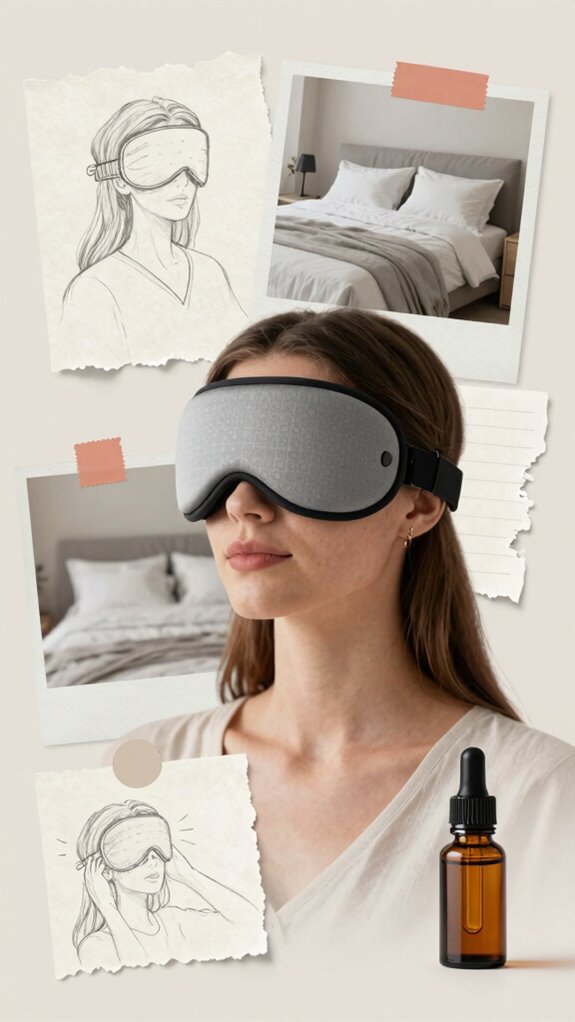
Have you considered how Bluetooth-enabled sleep masks are transforming nocturnal health management for women over 50? These devices merge sleep hygiene with wearable technology, offering precise control over light therapy, temperature regulation, and sleep environment.
Features include customizable light settings, real-time data perspectives, soothing soundscapes, and automatic adjustments based on biometric feedback. Brands like Dreem and Muse employ advanced sensors and integration with health apps, empowering you to optimize sleep ergonomics actively.
Unlike traditional masks, they promote nervous system regulation and environmental harmony, providing a scientifically grounded approach to sleep autonomy—an essential factor for managing sleep apnea symptoms effectively. Incorporating biometric feedback systems into your sleep routine can lead to more personalized and effective sleep strategies. Additionally, integrating aromatherapy oils can further enhance relaxation and improve overall sleep quality.
Use of Neurofeedback Techniques
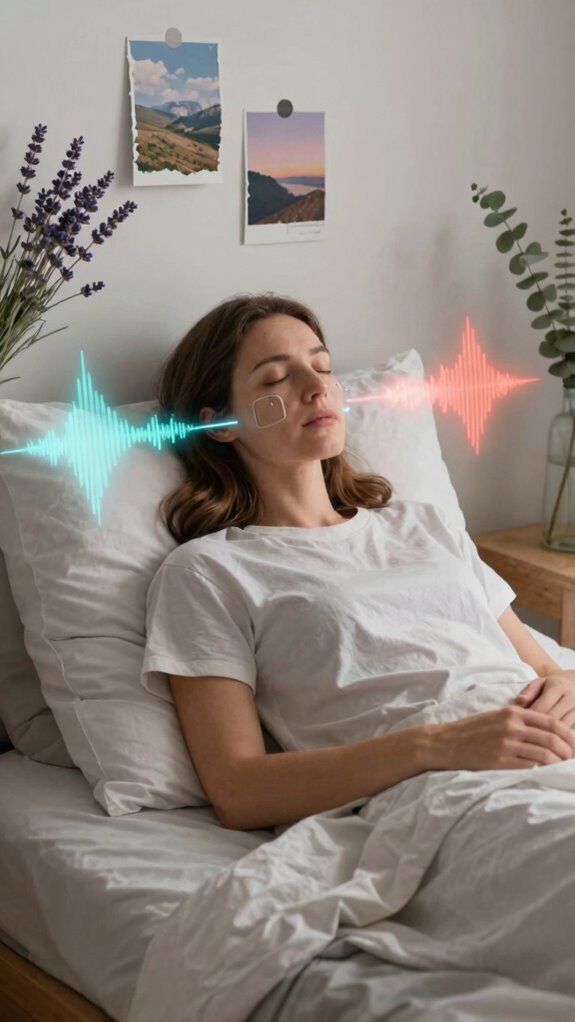
Neurofeedback techniques are increasingly gaining recognition for their potential to regulate the nervous system and improve sleep quality, particularly in women over 50 experiencing sleep disruptions such as apnea.
Neurofeedback training, which involves real-time brainwave modulation, targets specific frequency patterns linked to stress and sleep dysregulation.
Renowned practitioners like Dr. Joel Lubar have demonstrated how tailored protocols can enhance alpha and theta waves, promoting relaxation and autonomic stability.
These methods empower women to actively influence their neural states, fostering a calmer, more resilient nervous system.
As research advances, neurofeedback offers a science-backed, controllable approach for reducing sleep interruptions caused by dysregulated brain activity.
FAQ
Can Sleep Apnea Cause Daytime Fatigue Even Without Loud Snoring?
Yes, sleep apnea can cause daytime fatigue even without loud snoring because breathing interruptions disrupt sleep quality, leading to poor rest and constant exhaustion. You have control over addressing these issues for better energy and well-being.
Are Hormonal Changes After Menopause Linked to Increased Sleep Apnea Risk?
Hormonal fluctuations during menopause markedly increase sleep apnea risk, as decreased progesterone relaxes airway muscles. Understanding menopause effects empowers you to monitor symptoms and seek timely treatment, helping you maintain control over your sleep health.
How Does Sleep Apnea Impact Cognitive Function in Women Over 50?
Sleep apnea clouds my mind like fog, causing memory lapses and concentration issues. Recognizing this, I take control by seeking solutions, understanding that addressing the root restores mental clarity and keeps my cognitive engine running smoothly.
What Lifestyle Changes Can Reduce Sleep Apnea Symptoms Naturally?
I’ve found that improving sleep hygiene and making dietary modifications help reduce sleep apnea symptoms naturally. By establishing a consistent sleep routine and avoiding heavy meals before bed, I promote better airflow and overall better sleep quality.
Are There Specific Sleep Environment Adjustments That Help Manage Sleep Apnea?
Enhancing your bedding with breathable materials and improving bedroom ventilation can substantially help manage sleep apnea. I recommend choosing ideal bedding and ensuring fresh airflow, giving your body a better environment to relax and regulate at night.
Summary
Understanding sleep apnea’s subtle signals is essential for safeguarding your health after 50. Advances like vagus nerve stimulation and neurofeedback are opening new frontiers in management, yet awareness remains key. Ignoring these symptoms can silently jeopardize your cardiovascular and neurological wellbeing, as research by the American Sleep Foundation highlights. By staying informed and consulting specialists, you can open the door to more restorative sleep and prevent long-term consequences—discovering the key link between your sleep health and vitality.