Tired of waking up feeling like a zombie who got run over by a bus? Same. I used to scroll until 2 AM, then wonder why my brain felt like scrambled eggs by noon.
Here’s the thing I learned the hard way: your circadian rhythm isn’t a suggestion—it’s your boss. Light therapy from brands like Philips changed my mornings completely.
At Corala Blanket, we’re obsessed with fixing broken sleep. Our weighted blankets use deep pressure stimulation that hits different—like a hug from someone who actually cares.
The 2026 “Sleepmaxxing” trend? It’s just science with better marketing. Dr. Matthew Walker’s research shows temperature drops trigger melatonin. So yeah, that blackout curtain life? Non-negotiable.
My routine now: morning light within 30 minutes, cold room, zero guilt about my LIFX sunset schedule.
Want mornings that don’t suck? Start tonight. Your future self is begging you.
Trust.
Quick Takeaways
- Expose yourself to natural morning light within 30 minutes to inhibit melatonin and boost alertness.
- Practice deep pressure techniques or gentle movement upon waking to activate your nervous system.
- Maintain a consistent sleep schedule and optimize sleep environment for restorative sleep cycles.
- Limit screen exposure before bed and use circadian lighting to enhance sleep quality and morning alertness.
- Prioritize breathing, hydration, and gradual wake-up routines to transition smoothly into the day.
Why You Feel Groggy in the Morning: and How to Fix It
Many of us wake feeling sluggish or disoriented despite a full night’s sleep, often due to disruptions in the sleep-wake regulation system. This cycle, notably Dream cycling—the shifts through REM and non-REM stages—can become unbalanced, preventing complete sleep resets. Understanding sleep architecture and its phases is crucial for optimizing rest. Poor timing of sleep phases or insufficient deep sleep hampers brain recovery and emotional regulation. To address this, practices like Neuro-acoustic pacing or vagus nerve stimulation optimize brainwave patterns, encouraging natural shifts. Implementing these strategies restores harmony to your sleep architecture, empowering your nervous system to perform its inherent sleep reset. Additionally, activating the parasympathetic nervous system can enhance deep sleep by promoting relaxation and reducing stress, helping you wake up feeling genuinely refreshed and full of energy.
Set Up Your Bedroom for Natural Wakefulness
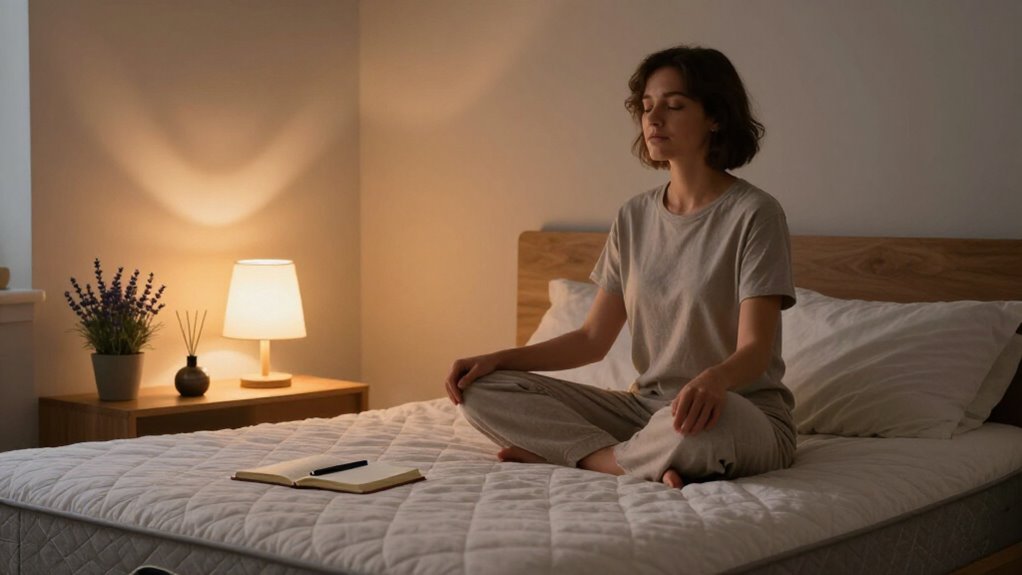
A well-designed bedroom acts as a silent conductor in the orchestra of sleep, harmonizing environmental cues with the nervous system’s natural rhythms— a principle emphasized by researchers like Dr. Charles Czeisler. To foster natural wakefulness, control your sleep environment: 1. Lighting: Use light hues, blackout curtains, and circadian lighting systems like LIFX to regulate melatonin suppression or promotion. 2. Temperature: Maintain a cool micro-environment (~65°F) with bio-wicking fabrics such as bamboo or silver-infused textiles that dynamically modulate heat. 3. Sound: Minimize disruptive noise; consider acoustic pacing with pink noise generators, aligning environmental sound with nervous system calming mechanisms. Incorporating sleep regulation techniques can further enhance your body’s circadian alignment with natural circadian rhythms.
Morning Habits to Boost Your Energy Naturally
Starting your day with intentionality can set a biological tone that sustains energy well into the afternoon, aligning with emerging research from chronobiologists like Dr. Steven Lockley.
Prioritizing circadian alignment through morning light exposure stabilizes your internal clock, optimizing nervous system regulation. This natural cue inhibits melatonin production and signals wakefulness, reducing sluggishness.
Consistent morning habits—like stepping into sunlight within 30 minutes of waking—enhance energy regulation and promote mental clarity. Incorporating deep pressure techniques in the morning can further deepen this regulation, helping to calm the nervous system and enhance alertness.
Integrating this simple, scientifically supported practice taps into your biological rhythm, empowering you to start the day in sync with your body’s innate timing, fostering sustained crucial throughout the day. Evening screen time can also disrupt your circadian signals, making morning light exposure even more vital for re-establishing balance.
Silent Biological Surrender Movement
The Silent Biological Surrender Movement advocates for a deliberate relinquishment of constant effort to control sleep, emphasizing instead a harmonization with the nervous system and environmental rhythms. This approach recognizes that over-manipulation can disrupt natural processes, prolonging stress responses. Incorporating UV bed vacuums into your routine can help create a cleaner sleep environment, supporting these natural rhythms. To realign, consider:
- Cultivating environmental harmony through light hygiene and temperature regulation, reducing sensory disruptions.
- Engaging in nervous system regulation techniques like vagus nerve stimulation, fostering parasympathetic dominance.
- Dismantling hyper-focus by adopting analog tools, encouraging bodily cues over data obsession. Paying attention to natural cues and rhythms can also enhance sleep quality and overall well-being.
Leading researchers such as Dr. Herbert Benson emphasize that biological surrender, when combined with environmental awareness, promotes *most effective* sleep without force, restoring internal balance naturally.
Eco-Friendly Sleep Accessories

Eco-friendly sleep accessories are gaining recognition for their dual role in enhancing rest and supporting environmental sustainability. These tools, such as organic cotton sheets, bamboo fiber pillowcases, and natural latex mattresses, optimize sleep by reducing exposure to chemicals and pollutants. Incorporating sustainable materials in bedroom decor and bedding further promotes a healthier sleep environment. Using air-purifying plants can also improve indoor air quality, contributing to better overall rest. Companies like Avocado Green and Saatva emphasize sustainable materials that foster a calming microclimate, promoting dream enhancement through temperature regulation.
Researchers like Dr. Steven Lockley underline how natural fabrics aid circadian alignment by improving thermal comfort.
Biophilic Sleep Space Design
In creating a sleeping environment rooted in biophilic design principles, the goal is to cultivate a space that seamlessly integrates natural elements with modern ergonomics to reinforce your body’s innate circadian cues. Prioritize biophilic aesthetics—using plant life and organic textures—alongside natural light integration to regulate melatonin production. Incorporating cozy amber lights can further enhance the relaxing atmosphere of your reading nook, promoting a sense of warmth and comfort. Consider: 1. Incorporating large, unobstructed windows that maximize daylight exposure aligned with sunrise and sunset. 2. Using materials like wood and stone to mimic natural environments, reducing stress responses. 3. Installing circadian lighting systems that adapt to the time of day, enhancing neurohormonal balance. Additionally, embracing natural light exposure during the day can support your body’s internal clock and improve sleep quality.
Experts like Stephen Kellert emphasize that such environments facilitate biological surrender, fostering restorative sleep.
FAQ
Can Nervous System Regulation Replace Traditional Sleep Hygiene Practices?
Yes, nervous system regulation can replace traditional sleep hygiene by focusing on stress management and breath control, helping your body relax and exit fight-or-flight mode faster, ultimately optimizing sleep without nearly obsessing over every habit or environment nuance.
How Does Light Hygiene Influence Morning Alertness Without Supplements?
Did you know morning light exposure can increase alertness by 60%, influencing melatonin regulation? I emphasize light hygiene because controlling light at sunrise aligns your circadian rhythm, boosting morning energy naturally without supplements or sleep hacks.
What Role Does Acoustic Pacing Play in Waking up Energized?
Acoustic pacing, a form of sound therapy using sleep gadgets, actively influences my brainwaves, easing me out of stress and helping me wake energized. It’s a powerful tool to take control of my sleep and morning focus.
Are Temperature-Regulating Fabrics Proven to Improve Sleep Quality and Morning Energy?
Temperature-regulating fabrics, driven by fabric innovation, enhance sleep quality by maintaining ideal temperature comfort throughout the night. This control helps me stay relaxed and deepens my rest, leading to more energized mornings and greater daily productivity.
How Do Circadian Realignment Techniques Impact Long-Term Energy Levels?
Circadian realignment techniques help manage melatonin levels and reduce circadian disruption, giving me better control over my energy. By syncing my internal clock, I wake up more refreshed, alert, and capable of maintaining consistent, natural energy throughout the day.
Summary
By aligning your environment and routines with your circadian biology, you activate your body’s inherent rhythms, fostering genuine renewal. Creating a bedroom that mimics natural cues, adopting scientific-based habits, and integrating biophilic design principles can collectively recalibrate your sleep-wake cycle. Embracing these strategies sustains energy levels, reduces grogginess, and optimizes overall well-being. This holistic approach, grounded in current neuroscience and chronobiology research, allows you to harness your biological potential for mornings filled with clarity and vigor.