I used to sleep 10 hours and wake up feeling like I’d been hit by a truck. Turns out, more sleep ≠ better sleep. Who knew?
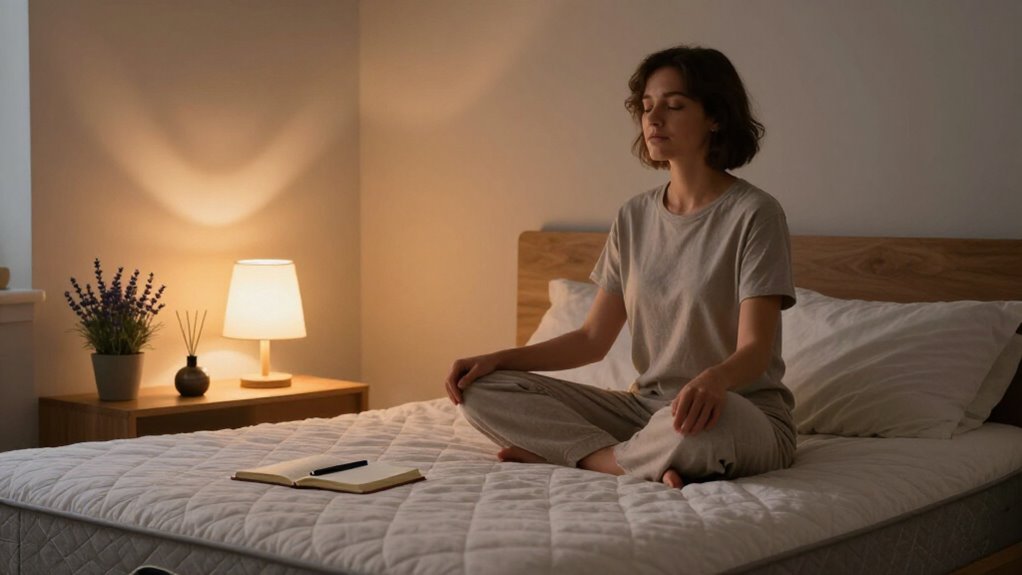
Dr. Stephen Porges’ polyvagal theory changed everything for me. My nervous system was stuck in overdrive, not actually resting. Diaphragmatic breathing and vagus nerve stimulation—think Apollo Neuro or simple cold showers—flipped the switch.
Here’s the kicker: I was doom-scrolling until 2 AM with zero blue-light protection. Pathetic, right? Now? Blackout shades, f.lux on everything, and actual melatonin production.
We’re Corala Blanket, and we’re obsessed with this stuff. Sleepmaxxing is blowing up for 2026—Oura Ring data, Eight Sleep cooling tech, people optimizing like their lives depend on it.
Your nervous system craves surrender, not another alarm snooze. Ready to actually wake up alive?
Quick Takeaways
- Address nervous system dysregulation through calming techniques like diaphragmatic breathing and vagus nerve stimulation.
- Create a sleep environment with blackout shades, dim lighting, and optimal temperature to support natural circadian rhythms.
- Shift from sympathetic to parasympathetic dominance by establishing consistent relaxation rituals before bed.
- Avoid sleep tracking anxiety by trusting your body’s signals rather than forcing sleep schedules.
- Use sleep aids like quality masks and sound therapy to enhance relaxation and improve sleep quality.
Why You Oversleep and Feel Tired Despite Efforts
Despite diligent efforts to improve sleep hygiene, many find themselves oversleeping and waking exhausted—an irony rooted in nervous system dysregulation.
Sleep tracking misconceptions, like obsessing over data, lead to anxiety, disrupting natural rhythms rather than clarifying them. Also, sleep routine myths—such as fixed schedules for everyone—ignore individual circadian variances.
Experts like Dr. Daniel Barone emphasize that forcing sleep doesn’t align with our biological architecture. Instead, enabling nervous system calm through neuro-acoustic techniques and environmental harmony offers true control.
Recognizing that sleep isn’t just duration but quality driven by autonomic balance shifts the approach from punishment to biological surrender.
How to Calm Your Nervous System for Restorative Sleep
Calming the nervous system before sleep involves a deliberate modulation of autonomic activity, shifting from sympathetic dominance—often linked to stress and alertness—toward parasympathetic activation, which promotes rest and recovery.
Achieving autonomic balance can be facilitated through relaxation rituals like diaphragmatic breathing, progressive muscle relaxation, or vagus nerve stimulation. Techniques supported by researchers such as Dr. Stephen Porges and BioBehavioral Systems help reduce cortisol levels and heart rate variability, signaling the body it’s safe to rest.
Incorporating these rituals consistently recalibrates your nervous system, making the shift to restorative sleep more efficient and predictable.
Creating a Sleep Environment That Supports Consistent Rest
Creating a sleep-conducive environment demands more than simply dimming the lights; it requires a deliberate orchestration of sensory factors that influence the body’s circadian rhythms and neurophysiological states. Sleep ergonomics and ambient lighting, as emphasized by researchers like Dr. Daniel Buysse, are critical.
- Use blackout shades and blue-light filters to minimize disruptions.
- Opt for warm, dim lighting to promote melatonin production.
- Maintain *ideal* temperature with breathable, temperature-regulating textiles like bamboo fabric.
- Incorporating calming sensory stimuli, such as soft vibrations or gentle sounds, can also support vagus nerve activation to enhance sleep quality.
These steps align with neuro-acoustic techniques and circadian principles, ensuring your environment nurtures natural sleep cycles and supports consistent, restorative rest.
Vagus Nerve Stimulation Techniques
Vagus nerve stimulation (VNS) techniques harness the body’s parasympathetic response, effectively shifting the nervous system from arousal toward relaxation, which is essential for restorative sleep. Practices like vagus immersion—deliberately engaging breathwork, cold exposure, or gentle neck massage—activate afferent pathways to the brainstem, promoting calmness. Incorporating sound-absorbing curtains into your sleep environment can further enhance relaxation by reducing external noise disruptions. Brain entrainment methods, such as low-frequency auditory stimuli from neuro-acoustic devices like Brainwave Entrainment or Muse, synchronize neural oscillations, easing transition into sleep. Researchers like Dr. Stephen Porges emphasize vagal tone‘s role in resilience, which can be influenced by consistent vagal toning exercises. These controlled interventions empower you to modulate your nervous system, reducing hyperarousal that causes oversleeping and enhancing wakefulness.
Top Rated Sleep Masks
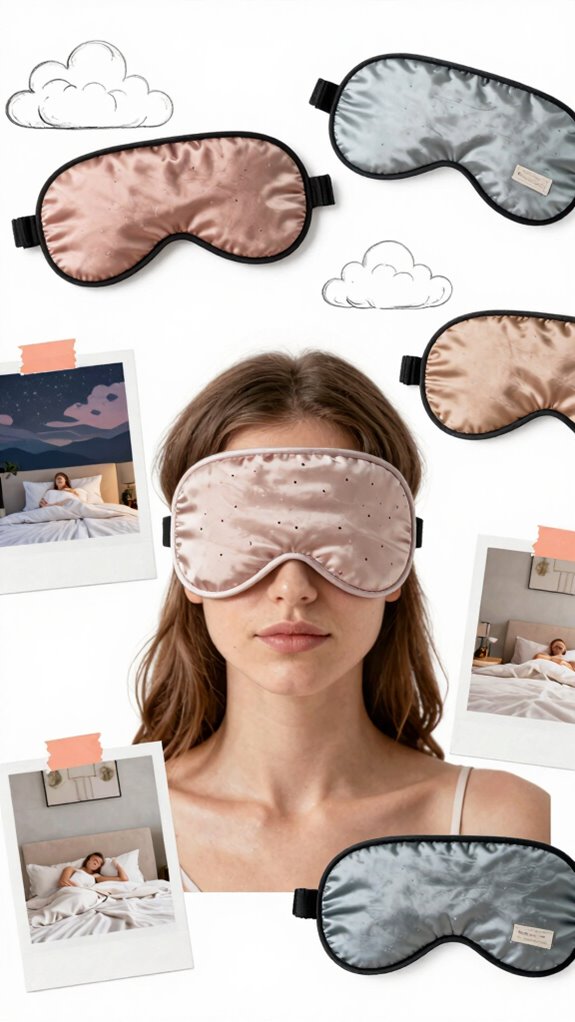
High-quality sleep masks serve as more than simple blackout accessories; they function as sophisticated tools engineered to optimize circadian rhythms and mitigate nocturnal light pollution. Top-rated options like the Manta Sleep Mask and the Tempur-Pedic Sleep Mask integrate adjustable light filters and breathable materials, aligning with light hygiene principles. This control enhances the quality of dream journaling by reducing interference from ambient light, creating a sanctuary for restorative sleep. Additionally, some masks incorporate sound frequency generators to promote relaxation and further improve sleep quality. Significantly, selecting a mask that blocks out disruptive cues allows your nervous system to calm more quickly, supporting natural melatonin production. Investing in trustworthy masks fosters an environment for genetic sleep regulation rather than relying on external stimulants, and choosing portable blackout shades can further enhance light control in your sleeping environment.
Sleep Music for Relaxation
While many recognize music as a simple adjunct to relaxation, research spearheaded by neuroscientists like Dr. Jeffrey S. Miller shows it actively influences brainwaves, fostering sleep cycle synchronization.
Sleep music—especially ambient compositions with slow, rhythmic tempos—can facilitate lucid dreaming by enhancing REM clarity. By entraining neural oscillations to natural theta and delta waves, this soundscape helps calm the nervous system, reducing anxiety that interferes with restorative sleep.
Brands like Brain.fm utilize neuro-acoustic pacing, integrating precise frequencies for targeted neuroplasticity. As a result, sleep music becomes a deliberate tool, empowering you to manage your sleep architecture and enhance overall sleep quality through scientifically grounded auditory cues.
FAQ
Can Adjusting Light Exposure Improve Sleep Duration Naturally?
Adjusting light exposure can naturally improve sleep duration by using light therapy, which strengthens your circadian rhythm, and managing melatonin production. I recommend morning sunlight and evening red light to optimize your sleep without medications.
How Does Nervous System Regulation Impact Sleep Quality?
Did you know that 75% of sleep issues stem from nervous system imbalance? Stress management promotes nervous system balance, which directly improves sleep quality. I focus on calming techniques to harness control over my sleep and wake refreshed.
Are Mechanical Clocks More Effective Than Smart Devices for Sleep Tracking?
Mechanical clocks offer greater accuracy and reliability, giving you real control over your wake-up time, unlike smart devices which can be prone to glitches or false data. I prefer mechanical clocks for consistent, dependable sleep tracking.
What Role Does Temperature Regulation Play in Reducing Oversleeping?
Temperature regulation is essential—by maintaining thermal comfort and aligning body temperature with natural rhythms, I prevent oversleeping. Controlling my sleep environment helps me wake refreshed, as my body’s biological signals stay balanced without forcing them.
Is Sleep Autonomy Beneficial for Different Chronotypes?
Sleep autonomy benefits different chronotypes by allowing tailored evening routines and promoting sleep consistency. This personalized control helps manage natural rhythms, making it easier to wake refreshed and avoid oversleeping, ultimately aligning sleep patterns with your biological needs.
Summary
By aligning with your body’s natural rhythms and calming the nervous system, you can transform sleepless nights into restorative slumber—like tuning a complex instrument to produce harmonious sound. Techniques such as vagus nerve stimulation, creating an ideal sleep environment, and employing scientifically supported tools foster deep, invigorating rest. Over time, this methodical approach rewires your sleep architecture, akin to an orchestra adjusting pitch, ensuring each note—your waking hours—is clear, balanced, and energized.