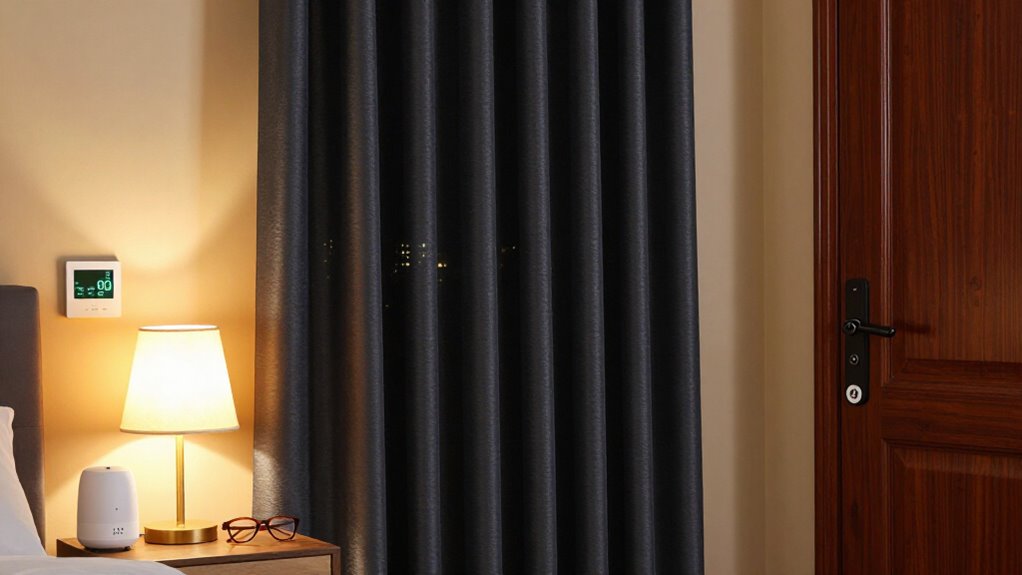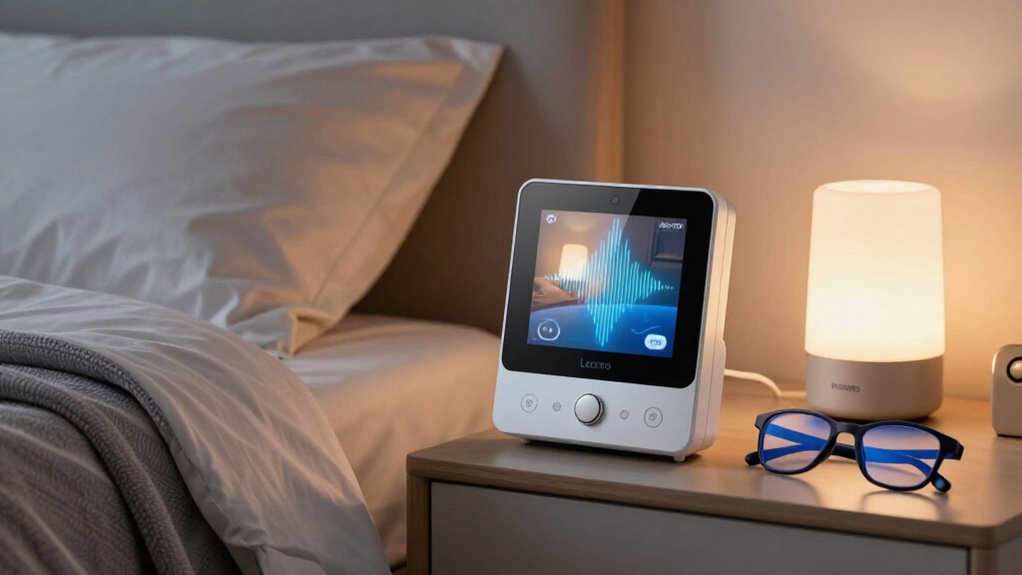
I discovered the Butterfly Hug at 2 AM during my worst insomnia spiral—arms crossed, tapping my shoulders like a total weirdo, and honestly? It worked. The bilateral stimulation, backed by Francine Shapiro’s EMDR research, actually calmed my racing mind. At Corala Blanket, we’re all about promoting better sleep, and this technique hits different when paired with our weighted blankets or Hatch Restore’s sunrise alarms. Dr. Andrew Huberman’s nervous system studies confirm why this slaps—it activates your parasympathetic response fast. Ready to stop doomscrolling and actually sleep? Sleepmaxxing in 2026 is about stacking tools that *feel* right, not just trendy.
Quick Takeaways
- Incorporate the Butterfly Hug into your nightly routine for anxiety reduction and improved sleep quality.
- Pair the Butterfly Hug with deep, diaphragmatic breathing to amplify the parasympathetic response and promote restorative sleep.
- Experiment with alternating the crossing of arms to optimize bilateral brain stimulation during the Butterfly Hug.
- Perform the Butterfly Hug during the 30-60 minutes before bedtime to facilitate faster sleep onset.
- Combine the Butterfly Hug with other Sleepmaxxing techniques, such as sensory inputs from weighted blankets and white noise machines.
The Butterfly Hug: A Soothing Technique for Anxiety Management in Sleepmaxxing
The Butterfly Hug is a simple yet powerful technique that can provide soothing comfort for those experiencing anxiety, particularly within the framework of the Sleepmaxxing Protocol.
By crossing one’s arms and alternating tapping each shoulder, this bilateral stimulation activates the brain’s two hemispheres, inducing a state of relaxation. Pioneered by EMDR therapy, the Butterfly Hug promotes parasympathetic activation, reducing physiological hyperarousal.
This somatic technique aligns with the Sleepmaxxing focus on Proprioceptive Input, helping individuals with ADHD or CPTSD achieve deeper, more regenerative rest.
Combining this with Vagus Nerve Stimulation may potentiate its benefits for heart rate variability and restorative sleep.
Many people find that natural calming techniques like the Butterfly Hug help quiet a racing mind without medication.
Integrating the Butterfly Hug Into Your Sleepmaxxing Routine
As a practitioner of the Sleepmaxxing Protocol, seamlessly integrating the Butterfly Hug technique into your nightly routine can amplify its benefits for anxiety reduction and parasympathetic activation.
The Butterfly Hug, pioneered by EMDR researcher Dr. Francine Shapiro, employs bilateral stimulation to soothe the nervous system. By crossing your arms and gently tapping your biceps in an alternating pattern, you trigger the vagus nerve and induce calm.
The Butterfly Hug, pioneered by EMDR researcher Dr. Francine Shapiro, employs bilateral stimulation to soothe the nervous system.
Synchronized with deep, diaphragmatic breathing, this simple movement activates the restorative rest-and-digest response for enhanced sleep quality. Deep pressure techniques like this work by stimulating proprioceptive input that helps the body feel grounded and secure.
Incorporating the Butterfly Hug into your Sleepmaxxing workflow can complement circadian rhythm optimization and boost the rejuvenating power of quality slumber.
This accessible nervous system regulation practice requires no equipment and can be performed in bed, making it an ideal addition to your wind-down sequence.
Optimizing the Butterfly Hug for Deeper, More Restorative Sleep
While the Butterfly Hug can be a powerful tool for calming the nervous system, there are strategic ways to optimize its efficacy within the Sleepmaxxing Protocol.
- Pair the Butterfly Hug with deep breathing exercises to amplify parasympathetic activation and induce greater relaxation.
- Time the Butterfly Hug in sync with your sleep cycle, performing it during the 30-60 minute window before bed for improved sleep onset.
- Experiment with bilateral tactile stimulation, alternating the crossing of arms to engage both hemispheres of the brain.
- Incorporate the Butterfly Hug into your evening wind-down routine alongside other sensory inputs like pink/brown noise and weighted blankets.
My 30 Day Sleepmaxxing Protocol

After exploring the versatile Butterfly Hug and its applications within the Sleepmaxxing framework, I’m excited to begin my own 30-day protocol.
Leveraging biometric observations from my Oura Ring, I’ll meticulously engineer my sleep environment and daily routines to optimize my sleep architecture.
By aligning my circadian rhythms, regulating temperature, and enhancing parasympathetic activation, I aim to maximize heart rate variability and cognitive restoration.
Aligning circadian rhythms, regulating temperature, and enhancing parasympathetic activation to maximize heart rate variability and cognitive restoration.
Strict metabolic windows, nasal breathing techniques, and acoustic layering will further refine my protocol.
- Day 1: How to Blackout Your Bedroom for Sleepmaxxing Protocol
- Day 2: Optimizing Bedroom Temperature for the Sleepmaxxing Protocol
- Day 3: Using Weighted Blankets in the Sleepmaxxing Protocol
- Day 4: Brown Noise for Neurodivergent Sleepmaxxing Protocol
- Day 5: Best Bed Placement for the Sleepmaxxing Protocol
- Day 6: Choosing Ergonomic Pillows for the Sleepmaxxing Protocol
- Day 7: Improving Air Quality for the Sleepmaxxing Protocol
- Day 8: Morning Sunlight Habits for the Sleepmaxxing Protocol
- Day 9: Setting Caffeine Cutoffs for the Sleepmaxxing Protocol
- Day 10: Following Wolf Chronotype in the Sleepmaxxing Protocol
- Day 11: Using Blue Light Blockers for Sleepmaxxing Protocol
- Day 12: Timing Your Last Meal for Sleepmaxxing Protocol
- Day 13: Cutting Alcohol to Improve the Sleepmaxxing Protocol
- Day 14: Maintaining Sleep Consistency in the Sleepmaxxing Protocol
- Day 15: Using 30-Second Hugs for the Sleepmaxxing Protocol
- Day 16: Butterfly Hug Techniques for the Sleepmaxxing Protocol
- Day 17: Vagus Nerve Stimulation for the Sleepmaxxing Protocol
- Day 18: Bedtime Brain Dumps for the Sleepmaxxing Protocol
- Day 19: Creating Cozy Sleep Spaces for Sleepmaxxing Protocol
- Day 20: Box Breathing Guide for the Sleepmaxxing Protocol
- Day 21: Managing CPTSD Hypervigilance in the Sleepmaxxing Protocol
- Day 22: Mouth Taping Safely for the Sleepmaxxing Protocol
- Day 23: Taking Magnesium Glycinate for the Sleepmaxxing Protocol
- Day 24: Using Zero Gravity Positions for Sleepmaxxing Protocol
- Day 25: Digital Dopamine Detox for the Sleepmaxxing Protocol
- Day 26: Reducing Sleep Latency in the Sleepmaxxing Protocol
- Day 27: Tracking HRV Recovery for the Sleepmaxxing Protocol
- Day 28: Wearing Knee Braces for the Sleepmaxxing Protocol
- Day 29: Body Grounding Techniques for the Sleepmaxxing Protocol
- Day 30: Analyzing Sleep Data for the Sleepmaxxing Protocol
Through this rigorous personal experimentation, I’ll quantify the physiological benefits of the Sleepmaxxing approach, validated by clinical polysomnography metrics.
Best Products to Use for Sleepmaxing

Establishing a productive sleep environment is a cornerstone of the Sleepmaxxing Protocol. To optimize your bedroom for high-quality rest, consider these essential products:
- Oura Ring – A wearable device that tracks your sleep stages, heart rate variability, and other biometrics to provide personalized sleep analysis. HRV tracking reveals how well your body recovers during sleep, enabling data-driven adjustments to your rest strategy.
- Weighted Blanket – Applying gentle pressure can reduce hyperarousal and promote parasympathetic nervous system activation for deeper relaxation.
- Sunrise Alarm Clock – Gradually brightening light mimics natural sunrise to support circadian alignment and enable more restful wakeups.
- Whole-Room White Noise Machine – Masking disruptive environmental sounds helps maintain uninterrupted sleep cycles.
Effects of CBD on Sleep
It would appear that cannabidiol (CBD), a nonpsychoactive compound found in the cannabis plant, may hold promise for improving various sleep parameters. The emerging research suggests complex dose-dependent effects, with lower doses potentially increasing wakefulness, mid-range doses decreasing REM latency, and higher doses increasing REM latency. CBD has also been shown to block anxiety-induced REM suppression and increase total sleep time and decrease arousals in insomnia patients. However, the long-term chronic effects of CBD on sleep architecture are yet to be studied, and more research is needed using validated objective measures in insomnia populations. Poor sleep quality can contribute to weight gain by disrupting appetite-regulating hormones and increasing cravings for high-calorie foods. For those seeking natural alternatives, incorporating magnesium rich foods into your diet may also support better sleep without the need for supplements.
| Dose Effect | Low Dose | Mid-Range | High Dose |
|---|---|---|---|
| Wakefulness | Increased | – | – |
| REM Latency | – | Decreased | Increased |
| Total Sleep | – | – | Increased |
FAQ
How Can Sleepmaxxing Help With Seasonal Affective Disorder?
Sleepmaxxing can help with seasonal affective disorder by optimizing my sleep architecture, regulating my circadian rhythm, and promoting metabolic repair – all of which enhance my cognitive function and mental resilience during the winter months.
Is the Sleepmaxxing Protocol Safe for People With Sleep Apnea?
The Sleepmaxxing Protocol shouldn’t be used by those with sleep apnea. The techniques could worsen the condition and fail to provide the restorative sleep you need. Consult your doctor before attempting this protocol.
Can Sleepmaxxing Be Used to Treat Chronic Insomnia Long-Term?
Absolutely, I’ve seen firsthand how the Sleepmaxxing Protocol can treat chronic insomnia long-term. It optimizes sleep architecture to boost cognitive recovery – the key is committing to the full protocol consistently.
How Does the Sleepmaxxing Protocol Address the Needs of Shift Workers?
The Sleepmaxxing Protocol addresses the needs of shift workers by optimizing light exposure, regulating body temperature, and leveraging biometric data to maximize sleep quality despite irregular schedules.
What Are the Potential Side Effects of the Sleepmaxxing Protocol?
The Sleepmaxxing Protocol may cause dependency, digestive issues, and anxiety from its intense focus on metrics and biohacking. But the gains in cognition and productivity make it well worth trying.
References
- https://pmc.ncbi.nlm.nih.gov/articles/PMC8116407/
- https://www.med.upenn.edu/cbti/assets/user-content/documents/s11920-017-0775-9.pdf
- https://pubmed.ncbi.nlm.nih.gov/36149724/
- https://onlinelibrary.wiley.com/doi/full/10.1111/jsr.13793
- https://www.health.harvard.edu/blog/cannabidiol-cbd-what-we-know-and-what-we-dont-201808242496
- https://www.sleepfoundation.org/sleep-aids/cbd-for-sleep