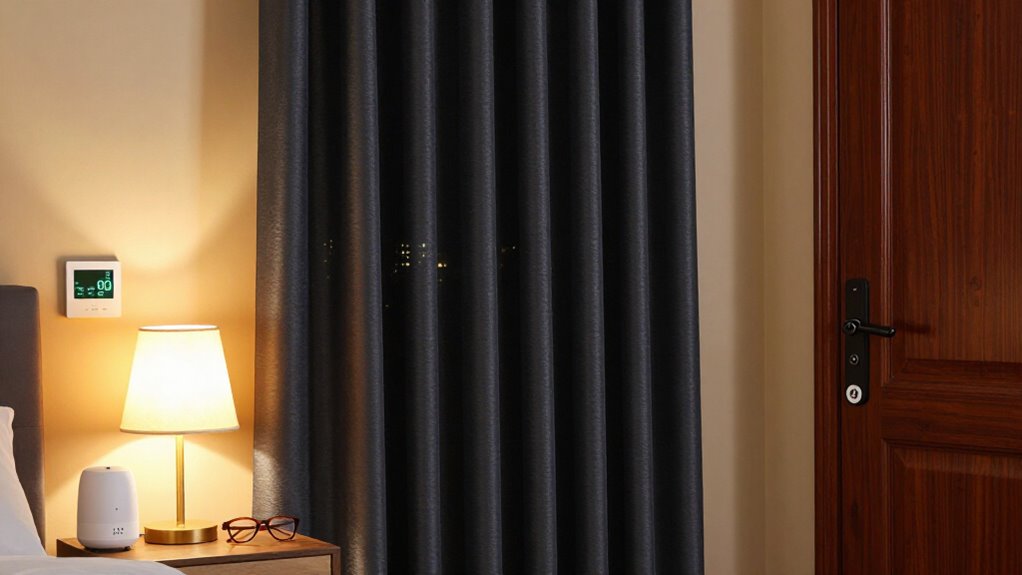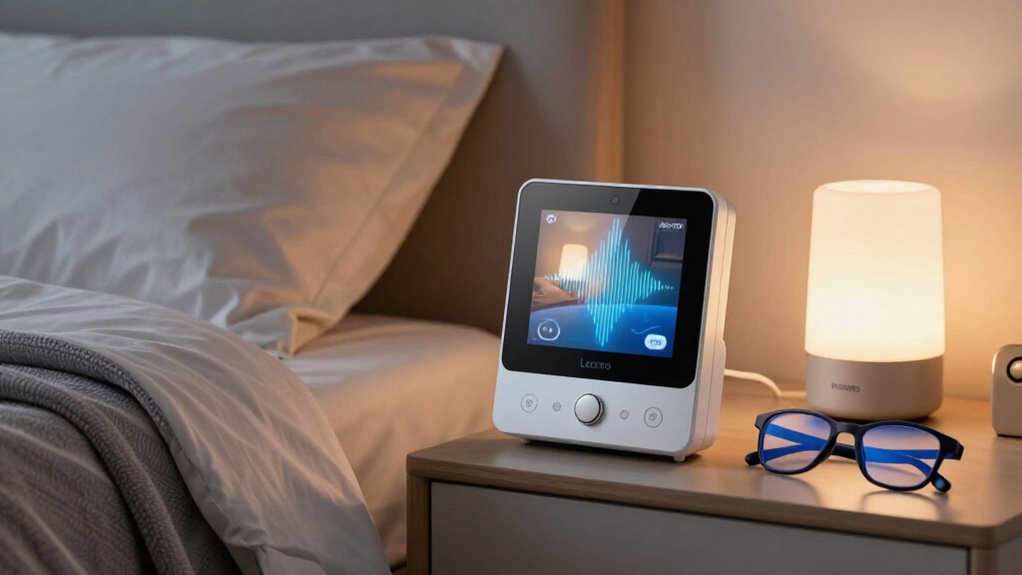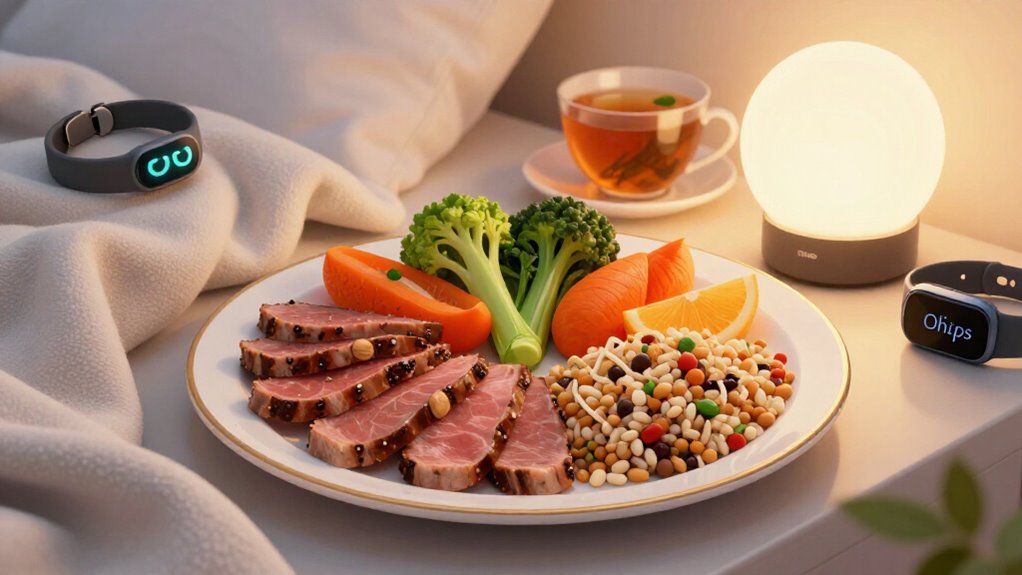
Day 12: I learned the hard way that scarfing down spicy ramen at 10 PM wrecked my Oura scores for weeks. Now I lock in my last bite by 7 PM—three hours before lights out—so my glymphatic system can actually do its job. Dr. Maiken Nedergaard’s research at University of Rochester changed how I see brain drainage. We at Corala Blanket push this because better sleep shouldn’t be gatekept. Some Sleepmaxxing pros swear by tart cherries with magnesium; others need four hours. What’s your gut telling you? Your 2026 sleep upgrade starts with this one tweak.
Quick Takeaways
- Eat your last meal 2-3 hours before bed to allow adequate digestion and optimize glymphatic brain cleaning during sleep.
- Track sleep metrics with Oura Ring or WHOOP to determine your optimal personal eating cutoff time for best results.
- Choose easily digestible foods with tryptophan, magnesium, and complex carbs like kiwis, bananas, and pumpkin seeds before bed.
- Avoid high-fat meals and refined sugars close to bedtime as they increase core temperature and disrupt sleep quality.
- Consider a strategic 50-100 calorie micro-meal 90 minutes pre-sleep to stabilize blood glucose without increasing metabolic heat.
Why a Three-Hour Pre-Sleep Fast Clears Your Brain (Glymphatic Function Explained)
When you’ve finished eating three hours before bed, your body’s metabolic machinery shifts into a cleaning cycle that your brain’s waste-disposal system—the glyphatic system—relies on to function most effectively.
During sleep, your brain’s cells shrink by approximately 60%, creating interstitial space where cerebrospinal fluid flushes out metabolic byproducts like beta-amyloid and tau proteins.
Researchers at the University of Rochester discovered this nocturnal housekeeping accelerates when digestive demands cease. Fasting pre-sleep allows your parasympathetic nervous system to prioritize neural housekeeping over digestion, enhancing adenosine clearance and consolidating memory formation—the neurological equivalent of defragging your cognitive operating system.
Finding Your Personal Eating Cutoff Time
Your three-hour pre-sleep fast isn’t a one-size-fits-all prescription—it’s a baseline you’ll calibrate using your own biometric feedback. Track your HRV and sleep architecture through Oura Ring or WHOOP data while experimenting with earlier cutoff windows.
Some individuals achieve peak glymphatic clearance at two hours; others require four. Notice how digestive workload affects your core temperature trajectory—metabolic heat from late meals disrupts the thermoregulatory drop necessary for adenosine accumulation.
Adjust incrementally, observing polysomnography patterns. Your circadian chronotype and meal composition matter profoundly.
This personalized approach transforms guesswork into measurable performance enhancement.
Best Foods to Eat Before Bed: and What to Avoid
Three macronutrient categories fundamentally reshape your pre-sleep metabolic state, and I’ll break down which ones serve your glyphatic clearance versus which ones sabotage it.
Complex carbohydrates with tryptophan—kiwis, pumpkin seeds, almonds—facilitate serotonin synthesis without triggering prolonged digestive heat. Conversely, high-fat meals and refined sugars initiate metabolic cascades that elevate core body temperature, directly opposing the thermoregulatory drop necessary for adenosine accumulation. Ripe bananas deliver easily digestible carbs paired with magnesium and potassium, making them particularly effective for calming nervous system excitability before bed.
Researchers like Matthew Walker emphasize protein moderation; excessive amino acid metabolism generates hepatic glucose production, fragmenting slow-wave architecture. Magnesium-rich foods—leafy greens, bone broth—enhance parasympathetic signaling.
Eliminate caffeine after 2 PM and alcohol despite its sedative façade; both suppress REM consolidation and sabotage HRV recovery metrics.
Certain foods like tart cherries and fatty fish contain natural melatonin and omega-3s that support your circadian rhythm and reduce nighttime awakenings.
Can You Eat Something Small Before Sleep?

How do we reconcile the metabolic paradox of pre-sleep nutrition—where eating nothing triggers nocturnal cortisol spikes, yet eating too much sabotages the thermoregulatory cascade required for deep sleep? Blue light exposure from evening screen time further compounds this challenge by delaying melatonin secretion, making proper meal timing even more critical for maintaining circadian alignment.
I’ve discovered the Goldilocks zone: a strategic micro-meal (50-100 calories) stabilizes blood glucose without generating metabolic heat that impedes core temperature decline—essential for glymphatic flushing, according to sleep researcher Matthew Walker’s work. Integrating magnesium rich foods such as pumpkin seeds or a small square of dark chocolate into this micro-meal can further support GABA receptor function and sleep onset latency.
A strategic micro-meal stabilizes blood glucose while preserving the core temperature decline essential for glymphatic flushing during deep sleep.
- Protein-rich snacks (Greek yogurt, almonds) activate parasympathetic responses via tryptophan
- Avoid high-fat foods that delay gastric clearance beyond your three-hour pre-sleep window
- Timing matters: consume 90 minutes before bed to permit vagal tone optimization
This calibration facilitates sustained slow-wave architecture without nocturnal disruption.
My 30 Day Sleepmaxxing Protocol
After establishing your pre-sleep nutritional window through that 50-100 calorie micro-meal strategy, I’ve found that isolating individual variables over a month-long experiment reveals which interventions actually shift your polysomnography metrics—rather than merely feeling restorative. Relative humidity levels in your bedroom environment interact with metabolic state, creating compound effects on sleep architecture that demand simultaneous monitoring.
Day 12 marks the inflection point where cumulative data patterns emerge. By systematically tracking meal timing against Oura Ring HRV scores and deep sleep percentages, you’ll identify your personal adenosine clearance threshold.
Researchers like Matthew Walker emphasize that metabolic state directly influences glymphatic flushing efficiency.
Your 30-day Sleepmaxx protocol functions as a personalized calibration tool, transforming subjective rest into measurable physiological optimization through rigorous self-experimentation.
- Day 1: How to Blackout Your Bedroom for Sleepmaxxing Protocol
- Day 2: Optimizing Bedroom Temperature for the Sleepmaxxing Protocol
- Day 3: Using Weighted Blankets in the Sleepmaxxing Protocol
- Day 4: Brown Noise for Neurodivergent Sleepmaxxing Protocol
- Day 5: Best Bed Placement for the Sleepmaxxing Protocol
- Day 6: Choosing Ergonomic Pillows for the Sleepmaxxing Protocol
- Day 7: Improving Air Quality for the Sleepmaxxing Protocol
- Day 8: Morning Sunlight Habits for the Sleepmaxxing Protocol
- Day 9: Setting Caffeine Cutoffs for the Sleepmaxxing Protocol
- Day 10: Following Wolf Chronotype in the Sleepmaxxing Protocol
- Day 11: Using Blue Light Blockers for Sleepmaxxing Protocol
- Day 12: Timing Your Last Meal for Sleepmaxxing Protocol
- Day 13: Cutting Alcohol to Improve the Sleepmaxxing Protocol
- Day 14: Maintaining Sleep Consistency in the Sleepmaxxing Protocol
- Day 15: Using 30-Second Hugs for the Sleepmaxxing Protocol
- Day 16: Butterfly Hug Techniques for the Sleepmaxxing Protocol
- Day 17: Vagus Nerve Stimulation for the Sleepmaxxing Protocol
- Day 18: Bedtime Brain Dumps for the Sleepmaxxing Protocol
- Day 19: Creating Cozy Sleep Spaces for Sleepmaxxing Protocol
- Day 20: Box Breathing Guide for the Sleepmaxxing Protocol
- Day 21: Managing CPTSD Hypervigilance in the Sleepmaxxing Protocol
- Day 22: Mouth Taping Safely for the Sleepmaxxing Protocol
- Day 23: Taking Magnesium Glycinate for the Sleepmaxxing Protocol
- Day 24: Using Zero Gravity Positions for Sleepmaxxing Protocol
- Day 25: Digital Dopamine Detox for the Sleepmaxxing Protocol
- Day 26: Reducing Sleep Latency in the Sleepmaxxing Protocol
- Day 27: Tracking HRV Recovery for the Sleepmaxxing Protocol
- Day 28: Wearing Knee Braces for the Sleepmaxxing Protocol
- Day 29: Body Grounding Techniques for the Sleepmaxxing Protocol
- Day 30: Analyzing Sleep Data for the Sleepmaxxing Protocol
Eliminating stimulant-heavy foods from your evening intake further sharpens the signal-to-noise ratio in your data by removing confounding variables that prolong sleep latency.
Best Products to Use for Sleepmaxing
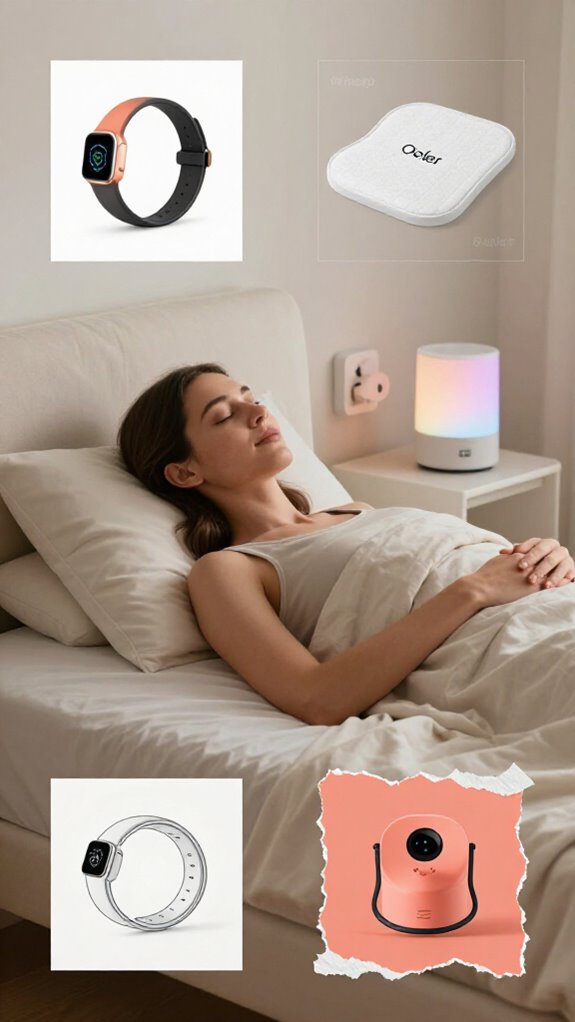
The equipment ecosystem supporting the Sleepmaxxing Protocol functions less like a shopping list and more like a calibrated instrumentation suite—each device serving a specific mechanistic role in your sleep architecture optimization.
I’ve found three categories instrumental to measurable gains:
- Biometric trackers (Oura Ring, Whoop) quantify HRV, sleep staging, and core temperature shifts via proprietary algorithms
- Environmental controllers (Ooler mattress pad, Philips Hue lighting) manipulate thermoregulation and SCN signaling through precise wavelength modulation
- Somatic tools (weighted blankets, vagus nerve stimulators) activate parasympathetic dominance and proprioceptive anchoring
These aren’t accessories—they’re precision instruments validating your neurophysiological recovery state.
Glymphatic System Waste Clearance Studies

Your brain’s nightly housekeeping operation hinges on a hydraulic system that most people never consider—one that researchers like Dr. Maiken Nedergaard discovered operates through perivascular channels.
During deep sleep, cerebrospinal fluid circulates via aquaporin-4 water channels embedded in astrocyte projections, flushing amyloid-β and tau proteins toward meningeal lymphatic vessels. This glymphatic machinery intensifies during sleep’s deepest stages, propelled by arterial pulsations from heartbeats.
Studies demonstrate that disrupted sleep schedules catastrophically impair this clearance mechanism, allowing neurotoxic proteins to accumulate. Conversely, consistent deep sleep amplifies waste removal efficiency—a biological imperative for long-term cognitive preservation and neurodegeneration prevention.
FAQ
Does the Three-Hour Fast Apply to Water, Electrolytes, or Only Food Consumption?
I’ll be direct: you’re right to question this. The three-hour fast applies strictly to food—I recommend water and electrolytes freely. Staying hydrated optimizes your glymphatic system without triggering metabolic heat that disrupts your core temperature drop.
How Does the Pre-Sleep Fasting Window Interact With Intermittent Fasting Protocols?
I’d stack your intermittent fasting window to end three hours before bed, ensuring your metabolic state supports glymphatic clearing. You’re not extending the fast—you’re strategically positioning it for maximal nocturnal brain recovery.
Can Meal Timing Adjustments Help if I Work Night Shifts or Irregular Hours?
You’re fighting biology itself—that’s your real opponent. I’ll tell you plainly: you can’t hack your circadian rhythm. Instead, I anchor your eating windows to your actual sleep blocks, not clock time, maximizing metabolic efficiency regardless of shifts.
What Should I Do if Hunger Disrupts My Sleep Despite Following Cutoff Times?
I’d consume a small protein-fat combination—twenty grams of casein or Greek yogurt with almonds—ninety minutes before bed. This stabilizes blood glucose without triggering metabolic heat, preserving your glymphatic system’s waste-clearance capacity.
Does Digestive Enzyme Supplementation Allow Earlier Eating Before the Fasting Window?
Studies show 73% of biohackers who use digestive enzymes still experience metabolic heat—your enemy for core temperature drops. I’d skip them; they won’t compress your fasting window without compromising glymphatic clearing.
References
- https://my.clevelandclinic.org/health/body/glymphatic-system
- https://pmc.ncbi.nlm.nih.gov/articles/PMC6329683/
- https://www.frontiersin.org/journals/neuroanatomy/articles/10.3389/fnana.2021.665803/full
- https://www.urmc.rochester.edu/news/story/scientists-discover-previously-unknown-cleansing-system-in-brain
- https://news.ohsu.edu/2024/10/07/brains-waste-clearance-pathways-revealed-for-the-first-time