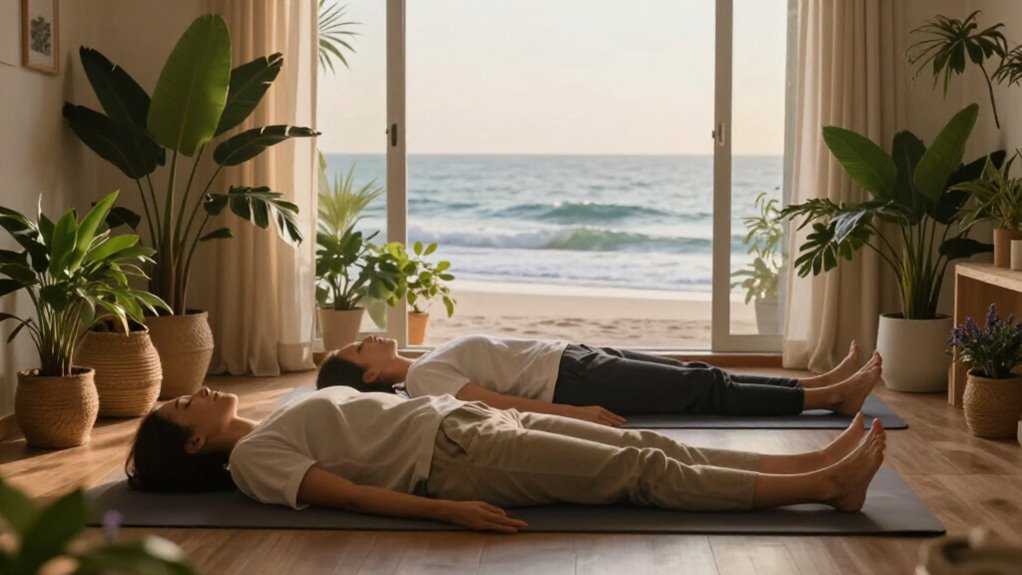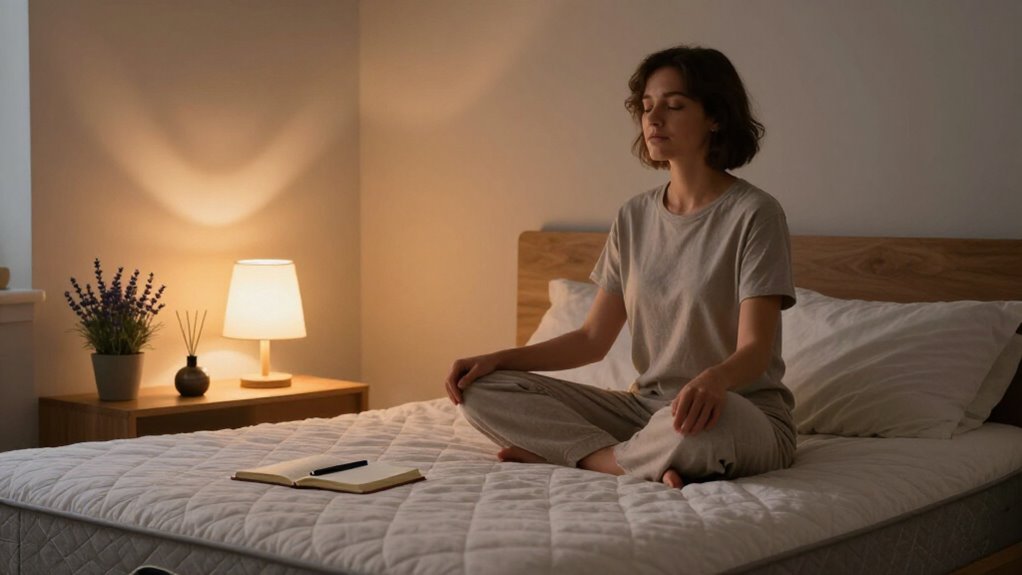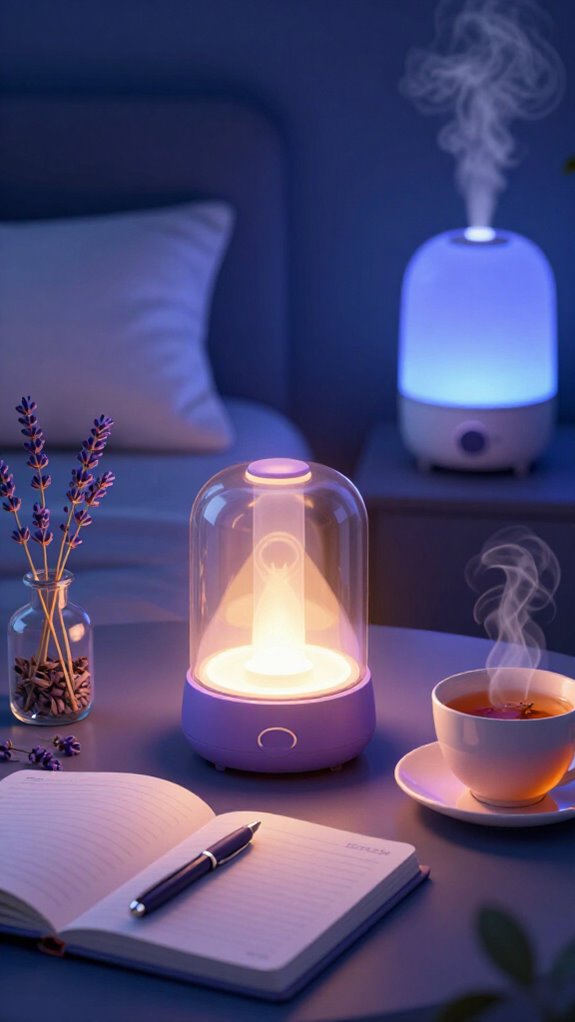
Ever wake up at 3 AM convinced your embarrassed yourself in 2007? Yeah, me too.
Last Tuesday I stared at my ceiling for hours, heart racing, while my brain replayed every awkward email I’d ever sent. Classic.
Turns out nighttime anxiety hits different because our brains switch from “survive the day” to “overthink everything” mode. LeDoux’s research shows our amygdala goes into overdrive. Cortisol spikes. REM sleep turns fragile.
Here’s the kicker: our bedroom environment fights us. Blue screens delay melatonin. Late coffee crashes and burns. The 2026 “Sleepmaxxing” trend gets it—optimization is everything, but basics first.
We at Corala Blanket promote better sleep because we’ve been there. Stanford’s NIMH studies confirm what we feel: fragmented sleep architecture wrecks emotional regulation.
Fix it? Diaphragmatic breathing. Consistent timing. Weighted blankets (shameless plug, but science backs it).
Your turn. What’s your 3 AM villain?
Quick Takeaways
- Internal night-time processing and quiet environments amplify racing thoughts, making anxiety feel stronger when external cues are reduced.
- Elevated cortisol from stress disrupts sleep transitions, heightening vigilance and anxious rumination at night.
- Poor sleep environment factors (light, noise, temperature) trigger arousal that worsens anxious thoughts before sleep.
- Evening caffeine, screens, and sedentary habits increase arousal and cortisol, intensifying nighttime anxiety.
- Lack of relaxation practices and inconsistent routines reduce parasympathetic activation, prolonging anxious cycles at night.
What Nighttime Anxiety Is: and 5 Steps to Calm It Tonight
Nighttime anxiety refers to a state of heightened arousal that emerges as the brain settles, often manifesting as racing thoughts, a racing heart, or a pressing sense of dread just before or after sleep.
I’ll outline nighttime rituals and calming techniques, grounded in research by researchers like Dr. Matthew Walker.
You’ll gain actionable steps, credibility, and control, with concise, evidence-based guidance.
Why Nighttime Anxiety Feels Worse at Night
A key reason nighttime anxiety feels more intense after dark is our brain’s natural shift from external monitoring to internal processing.
When nighttime thoughts surge, I guide you to notice patterns, not panic. This contrasts daytime vigilance, where data flood is external.
Researchers like LeDoux and NIMH describe autonomic arousal; lingering worries become magnified by quiet, predictable environments.
Which Hormones Drive Nighttime Anxiety and Sleep
The hormones most tied to nighttime anxiety and sleep quality act as a biochemical metronome, syncing arousal with circadian timing. Sleep architecture changes across circadian rhythm phases determine how vulnerable the brain is to anxious rumination, with deeper transitions into REM sleep often disrupted when cortisol remains elevated. I explain how hormonal fluctuations modulate neural circuits, with cortisol levels rising under stress and shaping vigilance. Brands like Pfizer-backed revelations and researchers such as Sapolsky illuminate these dynamics, but practical control comes from sleep consistency, light exposure, and evidence-based chronotherapy.
What Nighttime Triggers in Your Sleep Environment Do
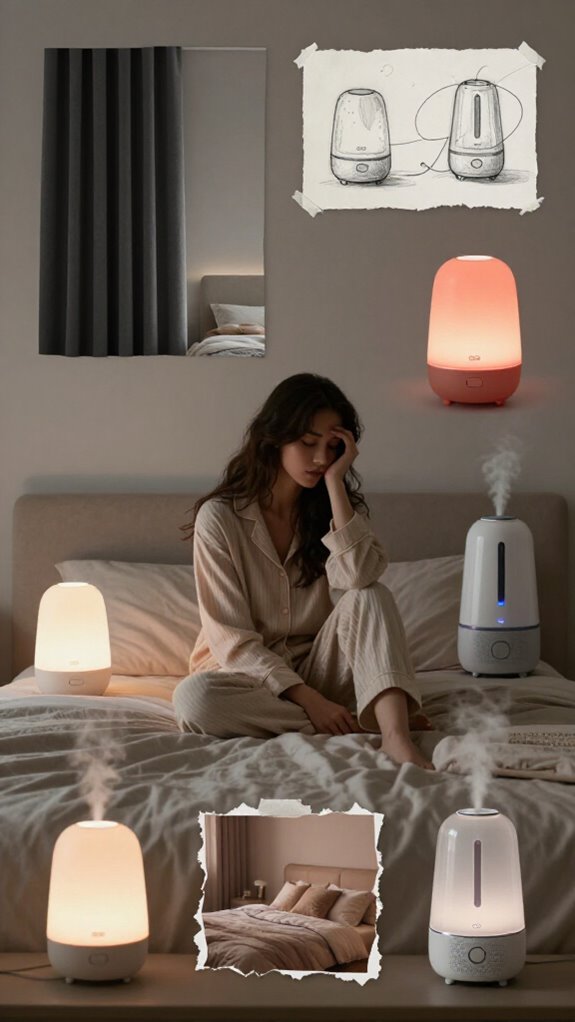
Beyond hormonal rhythms, the environment you inhabit at night can amplify or dampen those signals. I guide you to control sleep environment factors with practical, evidence-based steps.
- Maintain temperature control and minimize sound disturbances for stable sleep onset.
- Limit light exposure; utilize blackout curtains and dim night lighting during a calm nighttime routine.
- Address darkness effects, sensory factors, and relaxation techniques to optimize overall sleep quality.
Adding a luxury humidifier to your bedroom can help maintain optimal humidity levels that promote deeper, more restful sleep.
A stylish air purifier can also reduce airborne pollutants while operating quietly enough to preserve your peaceful sleep environment.
Everyday Behaviors That Worsen Nighttime Anxiety
Even small daily habits can quietly amplify nighttime anxiety, so I’ll outline concrete behaviors to watch and adjust. Introducing consistent acoustic masking sounds like white noise can help buffer against disruptive environmental stimuli that trigger nocturnal alertness. Everyday behaviors—overthinking patterns, digital distractions, caffeine consumption, bedtime routines, social isolation, sedentary lifestyle, negative self talk, unregulated sleep—shape arousal. Research shows that setting a firm caffeine cutoff time protects sleep architecture by allowing adenosine receptors to recover before bedtime.
| Behavior | Impact |
|---|---|
| Late caffeine | Increases cortisol |
| Screen time | Amplifies rumination |
Sleep Disorders That Amplify Nighttime Anxiety
- Sleep apnea disrupts oxygen, fragments cycles, and heightens sympathetic activity. Daytime fatigue frequently results from this repeated interruption of breathing and restoration.
- Restless legs send periodic signals that interrupt rest and amplify nerves.
- Circadian misalignment shifts hormone timing, sustaining vigilance.
Experts like Dr. Cirelli inform these mechanisms.
Using a sleep tracking watch can help identify disruptions in your sleep architecture that may be contributing to nighttime anxiety and poor rest.
Quick-Start Plan: Calm Anxiety Tonight and Beyond
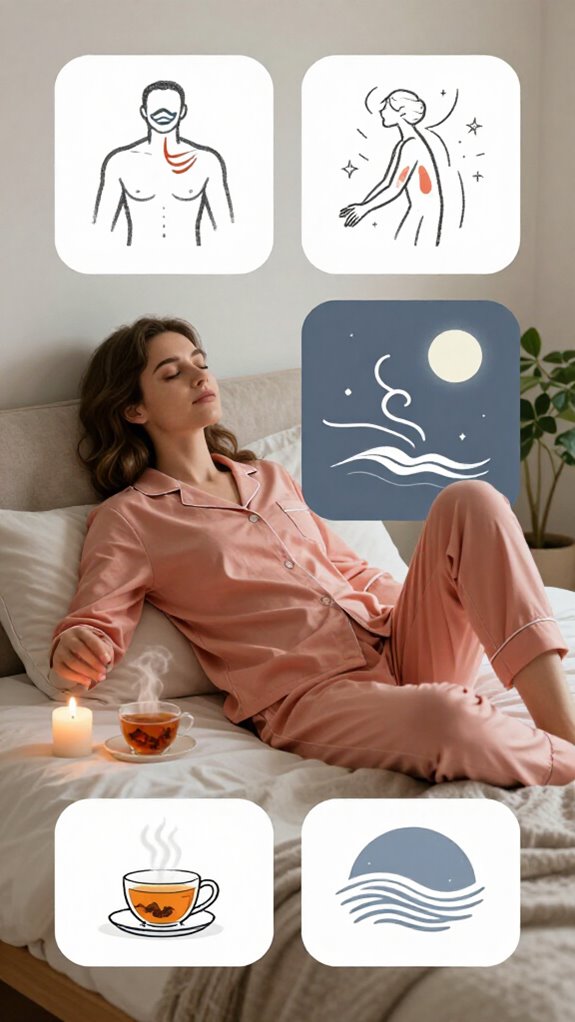
Have you ever wondered how you can shift nighttime anxiety from a reactive pattern to a controlled routine tonight?
I’ll outline a quick-start framework grounded in meditation techniques and practical bedtime routines. Start with diaphragmatic breathing, 4-7-8, and progressive muscle relaxation, then anchor cues to signals of wind-down. Breathing techniques like these help activate your parasympathetic nervous system to promote faster sleep onset. Soothing techniques can interrupt the cycle of rumination that often intensifies as the day ends.
Brands like Headspace and researchers like Dr. Matthew Walker inform this evidence-based approach.
First 2026 Trend: Dream Apps
I guide you with calm precision on dream interpretation and sleep tracking, citing research from fields like cognitive neuroscience and brands like Philips and Fitbit. Throw pillows can create a more restful environment that supports deeper sleep and clearer dream recall.
I guide you with calm precision on dream interpretation and sleep tracking, citing research from fields like cognitive neuroscience and brands like Philips and Fitbit.
- Behavioral mappings
- Real-time dream logs
- Evidence-based understandings
These apps increasingly pair with sleep accessories kits designed to improve sleep quality and enhance dream recall through optimized rest environments.
Nightlight Product Roundup Recap
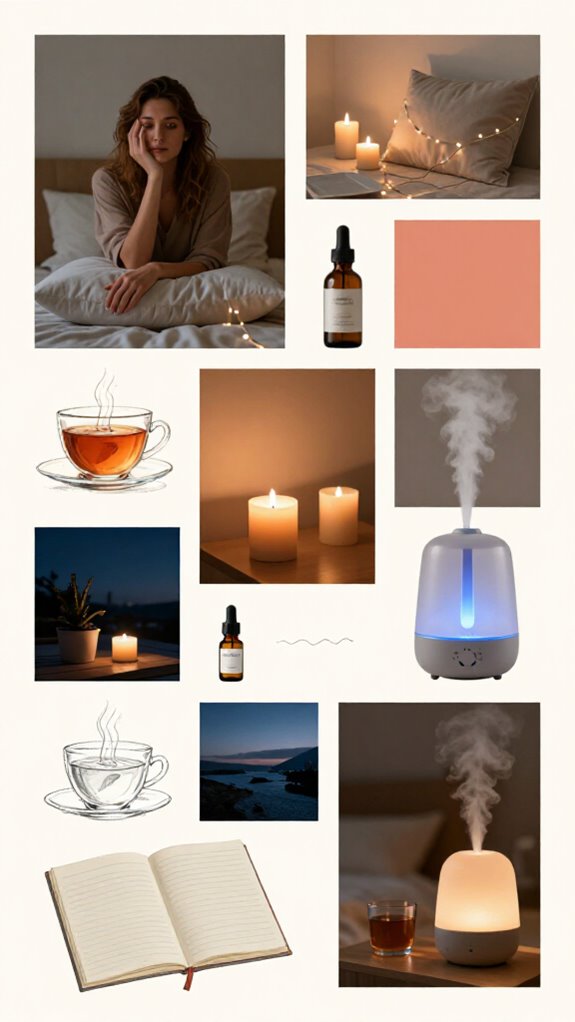
Nightlight tech has evolved from simple glow to integrated safety and circadian-support systems, and this roundup highlights what’s actually shaping daytime-ready sleep aids.
I present controlled, data-driven options: soft lighting regimes, compatible with bedtime routines; calming scents via diffuser compatibility; ambient sounds for focus; relaxing teas with evidence of mild sedation; stress relief, nighttime rituals, worry journals linked to calmer nights. Cool mist humidifiers also contribute to bedroom comfort by maintaining optimal moisture levels that support respiratory ease during sleep. Unlike generic sleep aids, orthopedic pillows designed for bedroom comfort provide targeted support that can reduce physical tension contributing to nighttime anxiety.
Silent-Hour Pheromones in Bedrooms
- pheromone signals influence bedroom ambiance and partner perception
- measured effects on autonomic arousal vary by compound and dose
- brands like Pheromone Science Institute assess efficacy and safety
FAQ
How Can Nighttime Anxiety Affect Memory Consolidation?
Memory consolidation slows for me when anxiety spikes, impairing memory retention; I fight back, focusing through the night. Nighttime distractions fade as I breathe, organize thoughts, and take control, so calm rehearsal becomes my steady anchor.
Do Nighttime Routines Influence Dream Intensity or Content?
Yes, nighttime routines can influence dream intensity and content. I use dream journaling to track patterns and relaxation techniques to calm my mind before bed, which helps me feel more in control and clearer about what I dream.
Can Caffeine Timing Worsen Anxiety Before Sleep?
Yes, caffeine timing can worsen anxiety before sleep. I’ve felt caffeine sensitivity spike, causing sleep disruptions, racing thoughts, and heightened alertness. If you want control, monitor intake, cut caffeine late, and set a consistent caffeine schedule.
Do Weather Changes Impact Nighttime Anxiety Levels?
Weather shifts do impact nighttime anxiety. I notice barometric pressure, humidity levels, and temperature fluctuations nudging my nerves, especially with seasonal changes, yet I stay practical: I track cues, adjust routines, and breathe through the shifts.
Is Anxiety Worse in Certain Moon Phases or Seasons?
Moon phases and seasonal affective factors can spike my anxiety for some folks, including me. I stay proactive, tracking patterns, and using calming routines when moon phases or seasonal affective shifts loom. You can too, with planful cues.