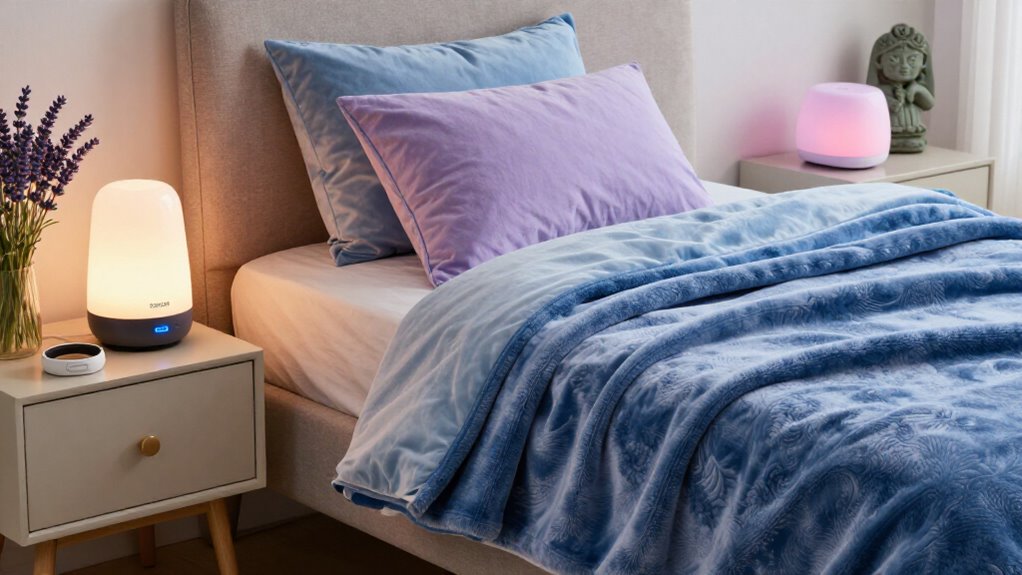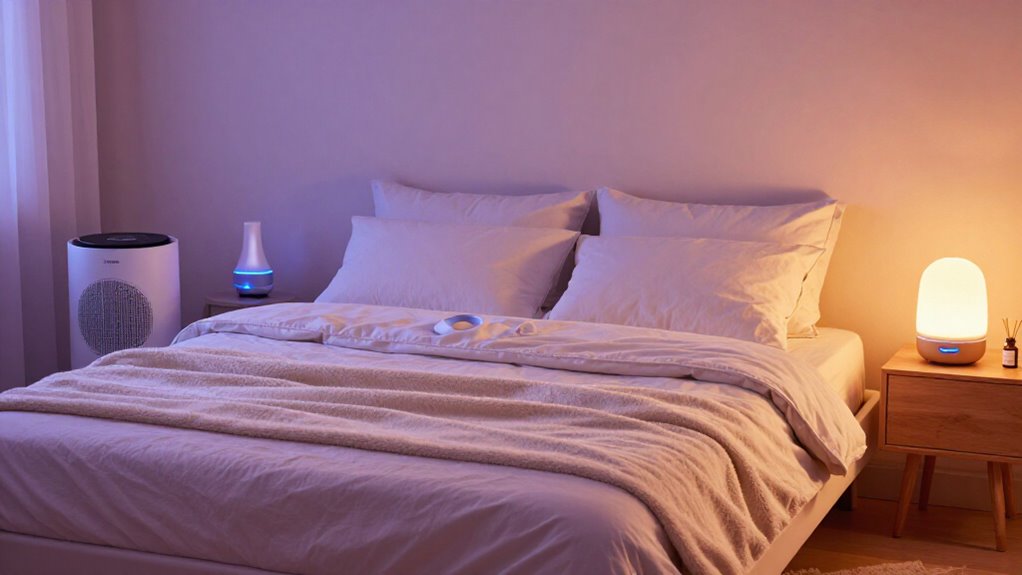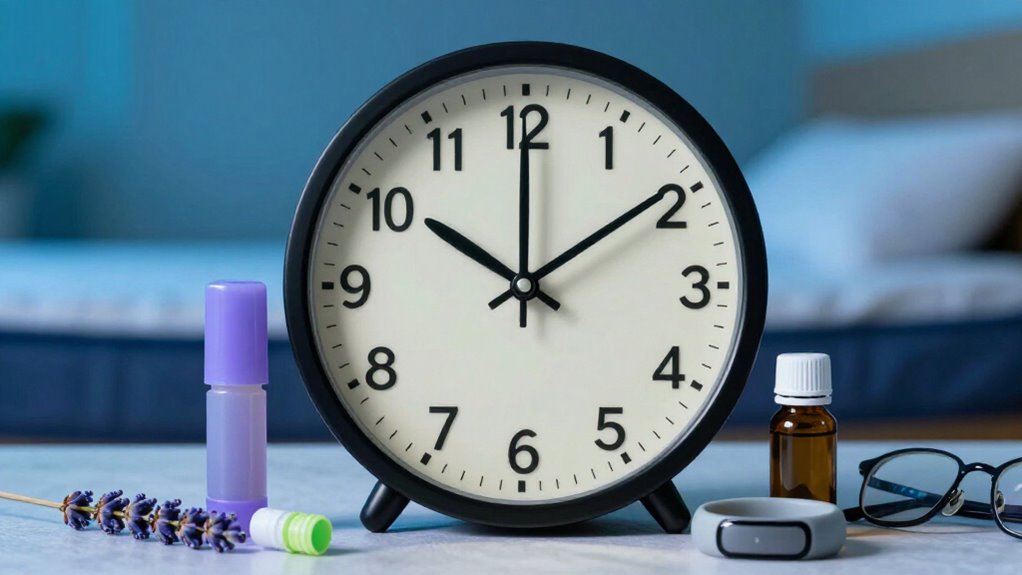
Ever tried functioning on “weekend adrenaline” Monday morning? Yeah, me too. Disaster.
Back in February, I treated Saturday like a Netflix hibernation—2 AM bedtimes, blackout curtains till noon. By Tuesday? My body was essentially screaming “DANGER” at Excel spreadsheets. Dr. Till Roenneberg’s research at the University of Munich calls this social jetlag, and it’s absolutely brutal on your cortisol rhythm.
That mismatch keeps you wired, ruminating, hypervigilant. Classic anxiety loop.
Caffeine over 400mg? A 2023 meta-analysis in *General Psychiatry* links it to panic risk. Late-night scrolling? You’re basically telling your brain it’s noon at midnight.
“Sleepmaxxing” is already trending for 2026—precision timing over just “more hours.”
At Corala Blanket, we’re obsessed with promoting better sleep that actually sticks.
Here’s the fix: anchor your wake time. Use Oura Ring data. Try Neurohacker’s Qualia Sleep. Consistency beats perfection.
Want my five targeted resets? Stick around.
Quick Takeaways
- Social jetlag shifts bedtime between workdays and weekends, disrupting circadian timing and destabilizing mood regulation.
- Irregular sleep timing increases sleep debt and reduces REM efficiency, worsening subjective wellbeing and anxiety sensitivity.
- Caffeine taken later or inconsistently amplifies circadian “stress” signals, increasing next-day anxiety risk.
- Cortisol rhythms get flattened or delayed with misaligned schedules, leaving you more alert and stressed during winding down.
- Sleep disruption increases rumination and threat vigilance, and wearable sleep metrics can turn recovery signals into anxiety.
Social Jetlag Disrupts Circadian Timing and Mood Stability
When your bedtime and wake time shift on workdays versus weekends, you don’t just “break your routine”—you scramble circadian timing, and that disruption can ripple into mood stability.
Shift your bedtime between workdays and weekends and you scramble circadian timing—quietly disrupting mood stability.
I want you to picture your internal clock like a train schedule: social jetlag moves the timetable, yet your brain still expects the original.
Research by Till Roenneberg links irregular sleep timing to worse subjective health, and studies on circadian misalignment show altered cortisol rhythms and reduced REM efficiency. Napping behavior can either buffer or worsen this misalignment depending on timing and duration.
When my sleep debt and biological day disagree, I feel blunted stress tolerance—irritability, low motivation, and a foggy sense of emotional control.
Just as optimal bedroom temperature supports circadian rhythm alignment for better sleep quality, maintaining consistent sleep timing helps stabilize the biological processes that regulate mood and anxiety.
How Social Jetlag Amplifies Anxiety Through Irregular Sleep Pressure
Normally, adenosine accumulates during the day, signaling increasing sleep drive. When my weekday schedule runs early or late, my homeostatic sleep pressure resets at odds with my circadian phase.
Then I lie down, and adenosine gradients don’t match my moment-to-moment arousal. That mismatch can keep my stress-reactive circuitry “searching,” amplifying worry loops.
If you’ve tried to “sleep longer” on weekends, you’ve likely felt this irregular pressure. Quickly resetting your sleep schedule can prevent this pressure mismatch from compounding into chronic sleep debt.
Establishing consistent nighttime ritual kits can help stabilize your sleep pressure by reinforcing predictable cues that align your circadian rhythm with your actual bedtime.
Social Jetlag and Cortisol: Morning vs. Night Stress Hormones
Even though cortisol gets labeled as a “stress hormone,” I treat it more like a timekeeping messenger that rises and falls on a tight circadian schedule.
When your social clock drags your sleep later on weekends, your morning cortisol peak often hits before your body feels ready, nudging your alert system while you’re still physiologically “asleep.”
Later nights can flatten or delay cortisol decline, leaving you wired when you should be winding down.
Studies by Till Roenneberg and circadian researchers show shifted rhythms correlate with higher perceived stress.
If you wake up later, protect morning light and keep bedtime within an hour, consistently.
Why Social Jetlag Worsens Rumination and Tracker Anxiety
Because social jetlag yanks your circadian timing off its normal rails, it doesn’t only shift sleep—it also amplifies the brain’s “future scanning” habit that fuels rumination. When my body clock lags on weekdays, prediction errors pile up: the brain keeps running simulations, searching for what I “should” have done, and what might go wrong. That’s how worry turns sticky.
When my body clock lags on weekdays, prediction errors pile up—my brain simulates what I should’ve done, and worry sticks.
Add a Fitbit or Oura-style sleep report, and the loop tightens: numbers become threats, not feedback. Blood pressure medications can similarly disrupt sleep architecture and amplify nighttime vigilance, compounding the anxiety loop.
- Misaligned circadian signals increase prefrontal noise
- Error-monitoring networks stay hypervigilant
- Reduced REM coherence weakens emotional gating
- Sleep loss heightens threat salience (Walker, Meerlo)
- Metrics prime orthosomnia-style appraisal anxiety
Light Hygiene Fixes Social Jetlag-Linked Anxiety

| Morning | Evening |
|---|---|
| Outdoors light | Red, low lumens |
| Consistent wake | Darkness window |
| Bright noon backup | Avoid overhead LEDs |
| Move your body | Keep blinds closed |
| Eat normally | No late caffeine |
Research suggests that night mode on phones may not significantly improve sleep quality, so prioritize the environmental light changes in this table instead. Nervous system regulation through consistent light exposure helps anchor your circadian rhythm and reduce anxiety symptoms tied to social jetlag.
“Vagus Nerve Stimulation Surge”
As I’ve watched the 2026 sleep conversation shift from “optimize every metric” to “regulate the system underneath,” Vagus Nerve Stimulation has moved to the center of the neurowellness conversation—not as a gimmick, but as a targeted way to nudge your autonomic nervous system out of sympathetic dominance.
I want you to see it as “braking for your body,” not a sedative. One session can increase parasympathetic tone, lowering stress arousal that often rides along social jetlag.
See VNS as “braking” for your body—not a sedative; one session may boost parasympathetic tone and ease social jetlag stress.
- Baroreflex modulation
- HRV-friendly shifts
- Transcutaneous vs implant options
- Clinical anchors (Ben-Menachem)
- Safety: avoid contraindications
Product Roundup
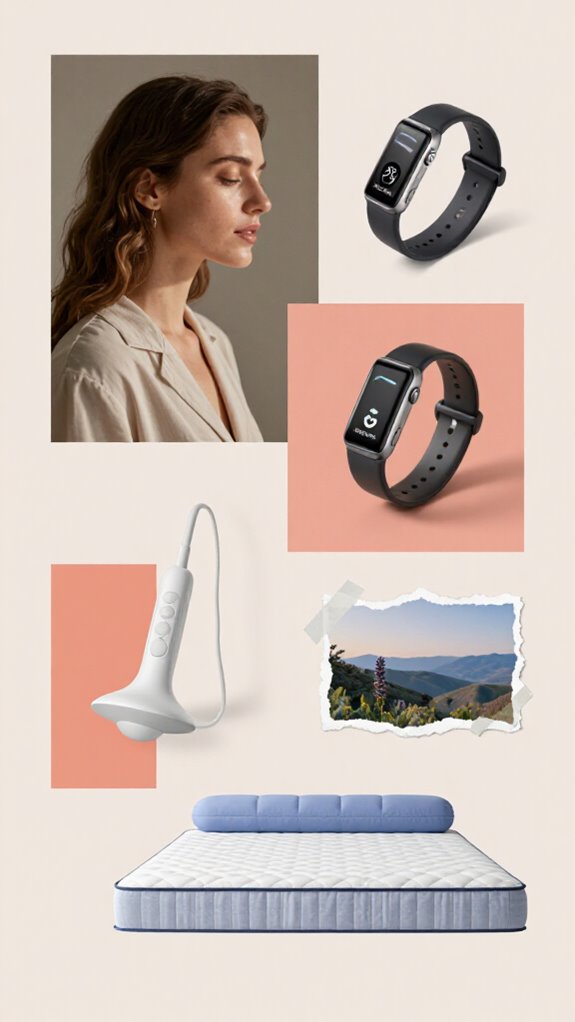
Vagus Nerve Stimulation gets the nervous system’s “brakes” working, and the right products help you keep that momentum when your clock keeps getting knocked sideways. Social jet lag can intensify anxiety by repeatedly disrupting circadian timing, which increases fatigue and stress sensitivity. Unlike prescription sleep aids that can cause dependency and next-day grogginess, natural melatonin offers a gentler approach to circadian realignment without the harsh side effects. Here’s my practical roundup for social jetlag-driven anxiety: I combine circadian timing, temperature control, and gentle calming. Melatonin can support schedule shifts; Natrol and NOW both target circadian consistency, and subjective studies report severe jet lag symptom reduction (P=0.009). For tracking without obsession, RingConn auto-monitors sleep midpoints. For realignment, I use light hygiene tools, including morning light and red light apps, paired with flight-delay recalculation glasses. Temperature-regulating sleep surfaces like a premium phase change mattress topper can further stabilize deep sleep by buffering against thermal disruptions that worsen circadian misalignment.
| Use-case | Product examples |
|---|---|
| Sleep onset | Natrol Melatonin, NOW Melatonin |
| Pattern awareness | RingConn smart ring |
| Light hygiene | light apps + glasses scheduling |
| Fast calming | Aura Cacia Lavender Roll-On |
| Cooling recovery | Chilipad systems, cooling toppers |
“Caffeine Timing Study Link”
If you’re trying to untangle social jetlag-driven anxiety, I’d start with caffeine timing—not because caffeine “works like a switch,” but because it nudges your circadian gears and your stress physiology in ways that can look like anxiety the next day.
Start with caffeine timing; it shifts circadian stress signals and can mimic anxiety the next day.
In studies, caffeine intake correlates with social jetlag (p<0.05) and energy drinks track with sleep problems.
But timing matters: caffeine within 3–6 hours of bedtime worsens sleep quality and shortens sleep, prolonging sleep latency.
Meta-analytic evidence also shows caffeine increases anxiety risk (SMD=0.94; high-dose ≥400 mg: SMD=2.86).
Gradually reducing caffeine intake can help reset your sleep-wake cycle and lower baseline arousal, making it easier to align your circadian rhythm with your social schedule.
- Keep caffeine outside the 3–6 hour window
- Track next-day anxiety with STAI/BAI-style checks
- Watch energy drink “stacking”
- Consider A2A receptor genetic susceptibility
- Test a bidirectional pattern: sleep loss → higher caffeine
FAQ
How Quickly Does Social Jetlag Worsen Anxiety After a Weekend Shift?
After a weekend shift, I usually notice anxiety worsening within 1–3 days as my sleep timing drifts. By day two, inconsistent circadian cues raise stress feelings and irritability, then a rebound hits once I return to normal. You’ll feel it fast.
Can Consistent Wake Times Fully Prevent Social Jetlag-Driven Anxiety?
Yes—mostly. Still, I can’t promise “fully” prevention: your clock resyncs gradually, and stress can leak through. I’d aim for consistent wake times, then add gentle light and wind-down rituals to keep anxiety at bay.
What Role Does Caffeine Play When My Sleep Schedule Is Irregular?
When my sleep schedule’s irregular, I use caffeine strategically: I front-load it early, keep doses modest, and cut it off 8–10 hours before bed. Otherwise, it masks fatigue, delays melatonin, and leaves my anxiety louder at night.
Do Smartwatches Increase Anxiety by Highlighting Social Jetlag Differences?
Yes—smartwatches can increase anxiety by making social jetlag differences feel “measurable.” When I see missed sleep timing, I spiral. I use them for trends only, not nightly scores, and I mute alerts.
When Should I Seek Clinical Help for Persistent Anxiety From Jetlag?
I’d seek clinical help if your jetlag-linked anxiety lasts over two weeks, worsens despite light, sleep schedule tweaks, or disrupts work, relationships, or panic control. I’d also go sooner if you have suicidal thoughts or substance dependence.
References
- https://www.natrol.com/blogs/sleep-guide/what-is-social-jet-lag-and-how-to-manage
- https://sleep.me/post/social-jet-lag
- https://ringconn.com/blogs/news/what-is-social-jetlag-symptoms-cure
- https://www.healthline.com/health/healthy-sleep/how-to-get-over-jet-lag
- https://castleremedies.com/blogs/castle-remedies-blog/jet-lag-recommendations
- https://pmc.ncbi.nlm.nih.gov/articles/PMC3086113/
- https://www.outsideonline.com/adventure-travel/advice/flykitt-jet-lag/
- https://pmc.ncbi.nlm.nih.gov/articles/PMC12038348/
- https://discovery.researcher.life/article/caffeine-sleep-and-academic-performance-a-crosssectional-study-among-university-students/cd4467e00e633a2d9eed1e3e5d9fe0c0
- https://pmc.ncbi.nlm.nih.gov/articles/PMC10867825/