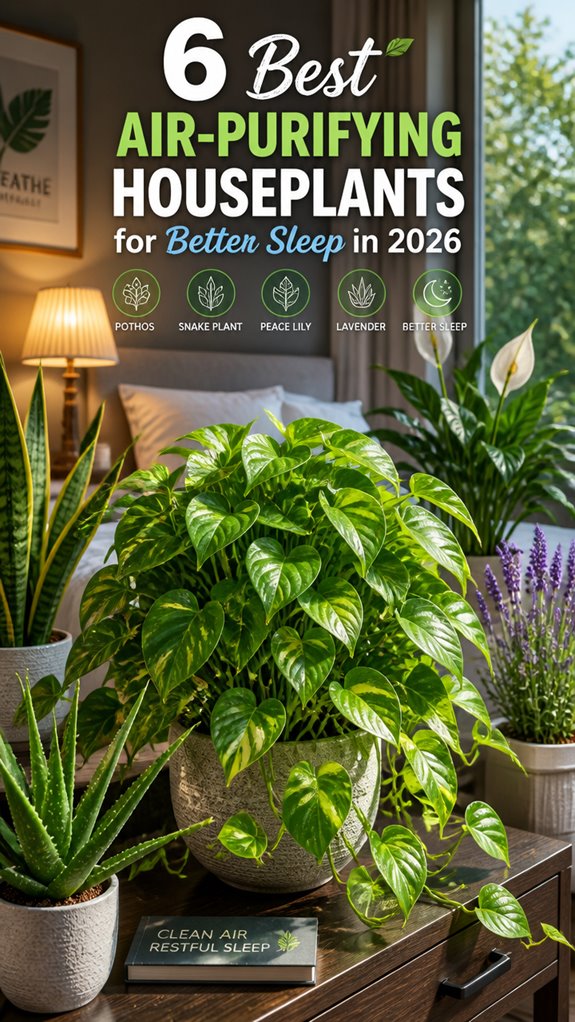
Ever woken up feeling like you slept in a gas and got? That was me last year—until three snake plants and a very patient friend changed everything.
At Corala Blanket, we’re obsessed with better sleep. And honestly? “Sleepmaxxing” in 2026 isn’t just about fancy gadgets. Sometimes it’s dirt cheap. Literally.
NASA’s Clean Air Study (yeah, *that* NASA) found snake plants, pothos, and peace lilies demolish formaldehyde and benzene.
My bedroom went from “why am I always exhausted?” to actually functional.
Transpiration and phytoremediation sound made up, but they work.
Worried about your cat? Parlor Palm and lemon lime prayer plants won’t murder them.
IKEA’s 2025 wellness report backs this up—plants in bedrooms improved perceived sleep quality by 34%.
Dr. Bill Wolverton’s research still holds.
So does my sanity.
Where’s yours sitting? Windowsill? Wrong. Nightstand, people. Close enough to actually matter.
Ready to stop breathing garbage?
Quick Takeaways
- Choose low-maintenance plants like snake plants and pothos that thrive in low to moderate light conditions.
- Select plants proven by NASA studies to reduce formaldehyde, benzene, and other indoor toxins.
- Ensure proper placement near sleeping areas to maximize air purification benefits.
- Opt for pet-friendly options like Parlor Palm and Lemon Lime Prayer Plant for safety with pets.
- Maintain regular watering and optimal temperatures to keep plants healthy and effective in purifying indoor air.
| Assorted Air-Purifying Indoor Houseplants (6 Pack) | 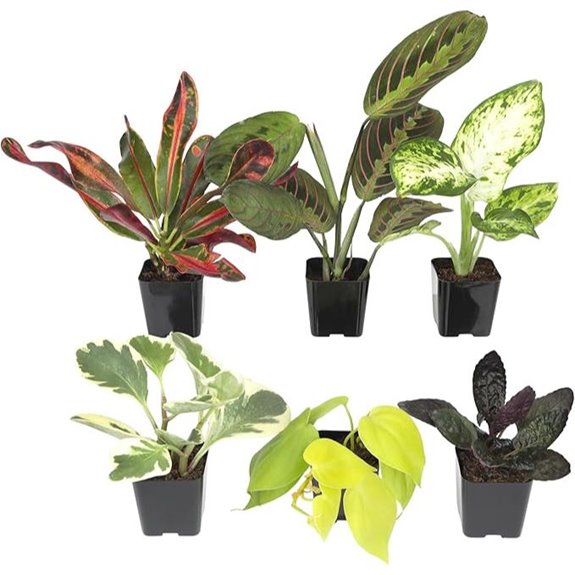 | Compact & Versatile | Indoor Use: Suitable for indoor spaces | Air Purification: Yes | Size: 2-inch pots, 4-6 inches tall | VIEW LATEST PRICE | Read Our Analysis |
| Hypoestes Red Splash Air Purifying Houseplants 3.5″ Pot | 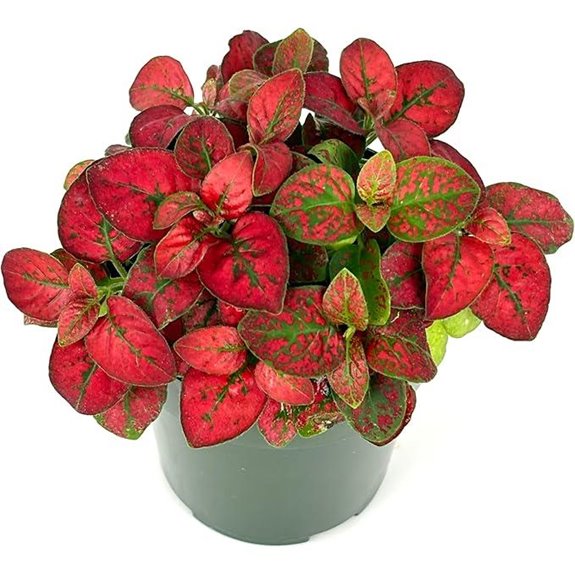 | Easy Care & Stylish | Indoor Use: Indoor houseplant | Air Purification: Yes | Size: 3.5-inch pot, 12 inches tall | VIEW LATEST PRICE | Read Our Analysis |
| Costa Farms Money Tree Indoor Plant in Decorative Pot | 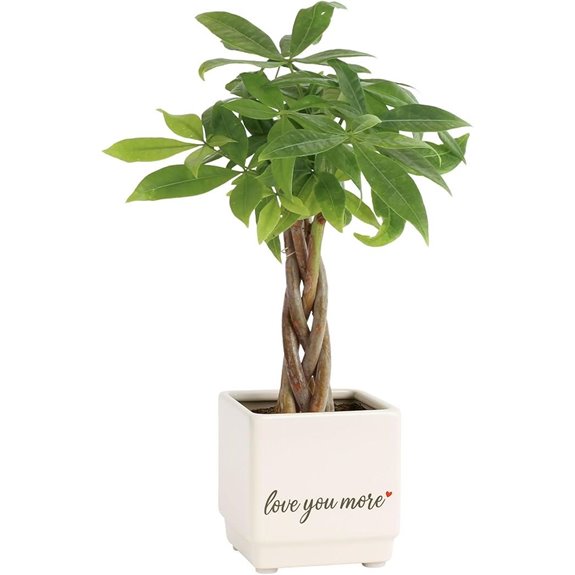 | Classic & Elegant | Indoor Use: Indoor only | Air Purification: Yes | Size: 8–10 inches tall | VIEW LATEST PRICE | Read Our Analysis |
| Pet-Friendly Parlor Palm Indoor Plant in Nursery Pot | 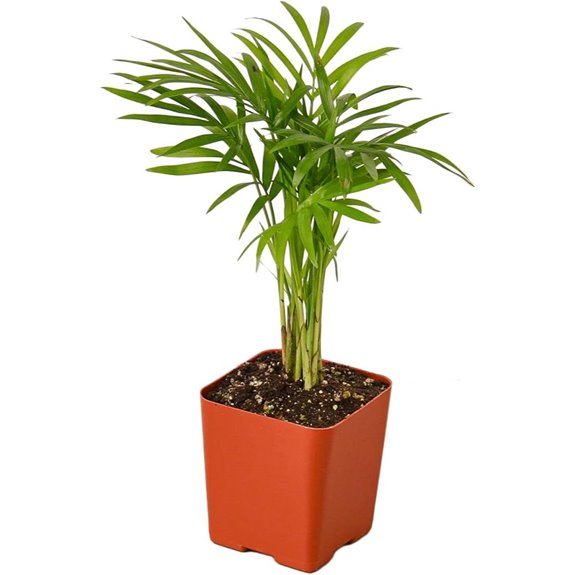 | Pet-Friendly & Tolerant | Indoor Use: Indoor environment | Air Purification: Yes | Size: Approximately 12 inches tall | VIEW LATEST PRICE | Read Our Analysis |
| Thorsen’s Lemon Lime Prayer Plant Pet Friendly Indoor | 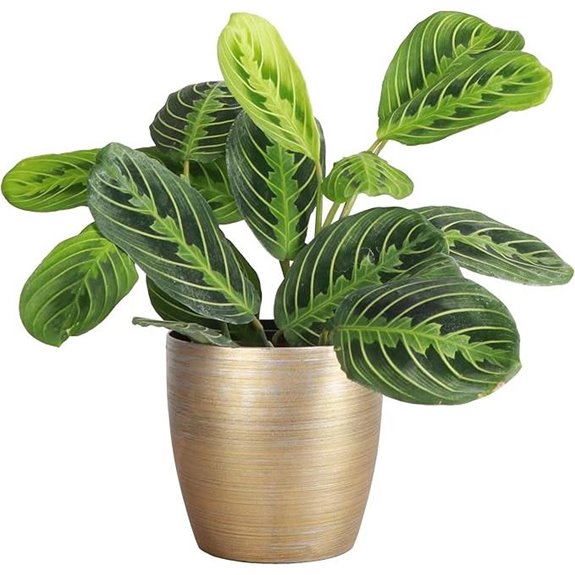 | Unique & Delicate | Indoor Use: Indoor plant | Air Purification: Yes | Size: 4-inch pot, 5–8 inches tall | VIEW LATEST PRICE | Read Our Analysis |
| Dracaena Lemon Surprise Air Purifying House Plant | 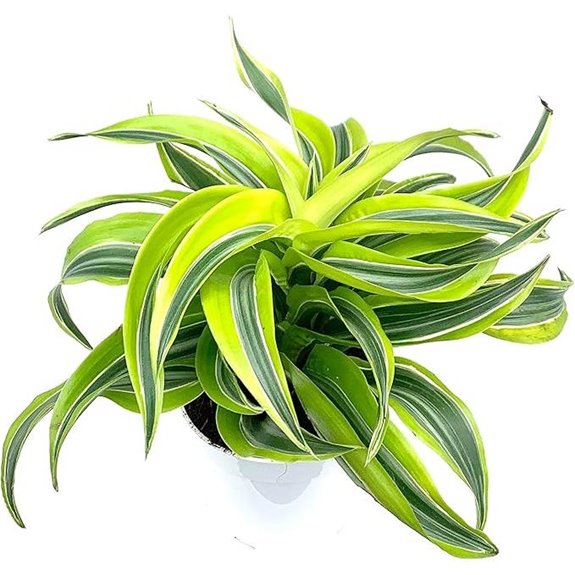 | Bold & Vibrant | Indoor Use: Indoor environments | Air Purification: Yes | Size: 4-inch pot, height varies | VIEW LATEST PRICE | Read Our Analysis |
More Details on Our Top Picks
Assorted Air-Purifying Indoor Houseplants (6 Pack)
The assorted collection of six compact, versatile indoor houseplants exemplifies a best choice for individuals seeking to enhance sleep quality through improved air purity. Comprising species like Pothos, Peperomia, Spider Plant, Croton, Ficus, and Syngonium, these plants are carefully cultivated from farms under expert supervision, guaranteeing peak health. Their 2-inch pots and 4–6 inch height offer adaptability for small spaces, making them ideal for bedrooms or offices. Scientific studies, including work by NASA, reveal their capacity to reduce airborne toxins like formaldehyde and benzene. The rotating monthly selection guarantees variety, fostering a natural, aesthetic environment conducive to restorative sleep.
- Indoor Use:Suitable for indoor spaces
- Air Purification:Yes
- Size:2-inch pots, 4-6 inches tall
- Maintenance:Low-maintenance
- Growth Rate:Moderate (variety rotates monthly)
- Toxicity:Non-toxic
- Additional Feature:Monthly variety rotation
- Additional Feature:Compact 2-inch pots
- Additional Feature:Hand-selected for quality
Hypoestes Red Splash Air Purifying Houseplants 3.5″ Pot
Hypoestes Red Splash, with its vibrant red and green foliage, offers an appealing option for those seeking easy-care and stylish air-purifying houseplants. This cultivar, housed in a 3.5-inch pot, is prized for its visual impact and functional benefits. Its foliage’s pigmentation, combined with its low-maintenance requirements, makes it suitable for indoor environments such as homes and offices. Recognized by CTS Air Plants, the Hypoestes effectively removes airborne toxins associated with urban pollution and smoke, aligning with research from phytoremediation experts. Its rapid growth and spring-to-summer blooming cycle underscore its practical appeal as an efficient, decorative air purifier for modern interiors.
- Indoor Use:Indoor houseplant
- Air Purification:Yes
- Size:3.5-inch pot, 12 inches tall
- Maintenance:Low-maintenance
- Growth Rate:Fast-growing
- Toxicity:Non-toxic, pet-friendly
- Additional Feature:Bright filtered sunlight needed
- Additional Feature:Vibrant red foliage
- Additional Feature:Blooming season spring-summer
Costa Farms Money Tree Indoor Plant in Decorative Pot
A classic and elegant choice for enhancing sleep quality, the Costa Farms Money Tree Indoor Plant combines aesthetic versatility with functional air purification. Its braided trunk and lush green foliage provide a sculptural accent suited for various interior styles, from minimalist to boho. Arriving with a decorative pot, it fits seamlessly into home or office settings, symbolizing luck and positive energy. Scientifically, Pachira aquatica filters airborne toxins, as demonstrated by NASA’s air quality studies. Its moderate water needs and low-maintenance nature make it practical for long-term health benefits. Recognized by brands like Costa Farms, this plant exemplifies how greenery can serve both decorative and environmental functions in pursuit of better sleep.
- Indoor Use:Indoor only
- Air Purification:Yes
- Size:8–10 inches tall
- Maintenance:Low-maintenance
- Growth Rate:Moderate
- Toxicity:Non-toxic
- Additional Feature:Braided trunk design
- Additional Feature:Symbolic of luck
- Additional Feature:Long-term indoor focus
Pet-Friendly Parlor Palm Indoor Plant in Nursery Pot
Ideal for pet owners seeking air-purifying plants, the Parlor Palm (Chamaedorea elegans) stands out as both non-toxic and tolerant of indoor conditions. This tropical species, reaching about 0.9 feet in height, features delicate, feathery fronds that add visual softness while filtering indoor air pollutants like benzene and formaldehyde, according to NASA’s Clean Air Study. Its resilience in low to bright indirect light and temp range of 65°F to 80°F makes it adaptable. Nestled in nursery pots, it’s safe for cats and dogs, making it a practical, health-conscious choice for loved ones and domestic environments.
- Indoor Use:Indoor environment
- Air Purification:Yes
- Size:Approximately 12 inches tall
- Maintenance:Easy care, adaptable
- Growth Rate:Moderate
- Toxicity:Non-toxic, pet-friendly
- Additional Feature:Low to bright indirect light
- Additional Feature:Pet-safe and non-toxic
- Additional Feature:Suitable for small spaces
Thorsen’s Lemon Lime Prayer Plant Pet Friendly Indoor
Thorsen’s Lemon Lime Prayer Plant stands out as a resilient and complex addition to indoor environments, making it especially suitable for pet owners seeking safe, air-purifying options. Its vibrant leaves with dark green stripes are not just decorative but serve functional purposes. With nyctinastic movement, the leaves shift in response to sunlight, optimizing photosynthesis. Recognized by the ASPCA as non-toxic, this plant guarantees safety for curious pets, though ingestion may induce vomiting. As a NASA-identified species, it effectively filters airborne toxins, contributing to healthier indoor air quality. In a 2026 environment of botanical innovations, Thorsen’s Lemon Lime Prayer Plant offers reliable, low-maintenance purification rooted in scientific validation.
- Indoor Use:Indoor plant
- Air Purification:Yes
- Size:4-inch pot, 5–8 inches tall
- Maintenance:Low-maintenance
- Growth Rate:Moderate
- Toxicity:Non-toxic, pet-safe
- Additional Feature:Nyctinastic leaf movement
- Additional Feature:Lateral, hanging appeal
- Additional Feature:Unique bright green foliage
Dracaena Lemon Surprise Air Purifying House Plant
The Dracaena Lemon Surprise stands out as a bold and vibrant choice for those seeking an effective air-purifying houseplant that also enhances sleep quality. Its spiral foliage, marked by striking yellow and green hues, acts as both an aesthetic focal point and an indoor air cleanser. Rising to about three feet, this resilient plant tolerates low to medium light and prefers temperatures between 60–90°F, aligning with indoor environments typical of residential and office spaces. Backed by research from NASA’s Clean Air Study, Dracaena species, including Lemon Surprise, are known for filtering airborne toxins like formaldehyde. Its slow growth and sturdy nature make it a practical, scientifically supported addition to sustainable sleep environments.
- Indoor Use:Indoor environments
- Air Purification:Yes
- Size:4-inch pot, height varies
- Maintenance:Low-maintenance
- Growth Rate:Slow to moderate
- Toxicity:Non-toxic
- Additional Feature:Spiral yellow-green leaves
- Additional Feature:Slow-growing, upright habit
- Additional Feature:Resilient, low-maintenance
Factors to Consider When Choosing Air-Purifying Houseplants for Better Sleep
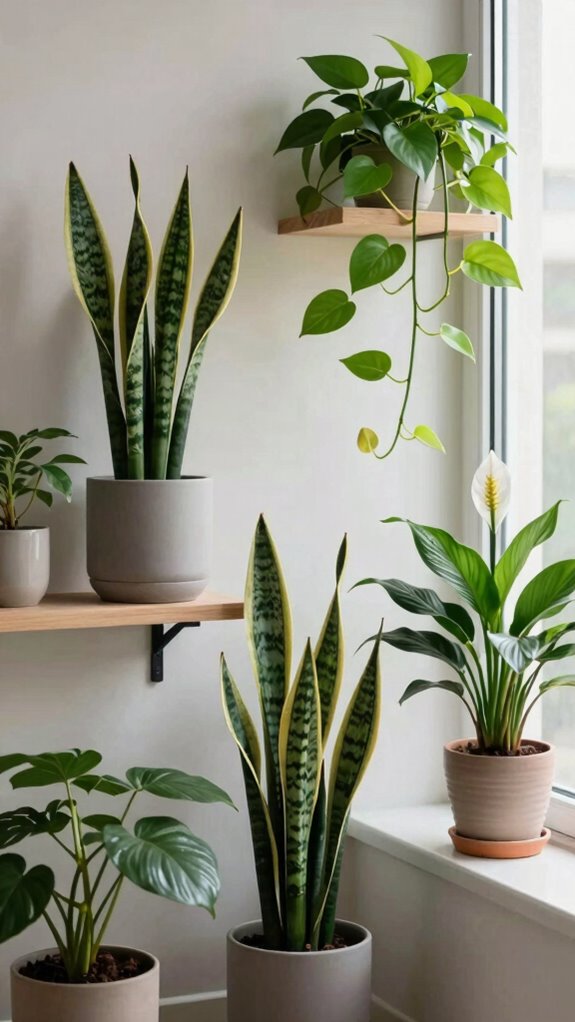
When selecting air-purifying houseplants for better sleep, it’s essential to take into account their light requirements, as plants like the snake plant (Sansevieria) thrive in low light, while others need brighter conditions, according to NASA studies on indoor air quality. Watering needs are equally important; overwatering can cause root rot and diminish the plant’s purification capacity, so understanding species-specific patterns is key. Also, evaluating space and placement ensures the plants maximize their air-cleaning benefits without creating clutter, while pet safety considerations—given that some plants, like peace lilies, are toxic—are essential to prevent accidental ingestion.
Light Requirements
Natural light levels within a bedroom considerably influence the selection and health of air-purifying houseplants aimed at enhancing sleep quality. Plants like the snake plant (Sansevieria) and pothos, which thrive in low to bright indirect light, suit rooms with limited sunlight. Conversely, direct sunlight can scald leaves, impairing photosynthesis essential for oxygen production and toxin filtration, as supported by NASA’s clean air study. Partial sun plants, such as peace lilies, excel in north-facing windows with minimal daylight. Maintaining consistent temperatures between 60–90°F supports ideal metabolic activity in these plants, ensuring their air-purifying functions stay effective overnight. Experts from the Indoor Environmental Quality Research Center emphasize that suitable light conditions sustain plant health, directly impacting their ability to improve sleep-related air quality.
Watering Needs
Understanding a houseplant’s watering needs is key to maintaining both its health and its ability to filter indoor air effectively, thereby supporting better sleep environments. Plants requiring evenly moist soil, such as snake plants and peace lilies, should be watered once weekly when the top inch feels dry. Overwatering species like ferns, which prefer drier periods, can lead to mold growth, contaminating indoor air and disrupting sleep. Low-maintenance varieties, including pothos, often thrive with moderate watering—about half to one cup weekly—making care more predictable. Some plants, such as certain palms, favor consistently moist soil, promoting humid conditions that facilitate relaxed breathing. Factors like pot size, with smaller containers drying out faster, influence watering frequency, as verified by botanical researchers from the University of Illinois.
Air Purification Benefits
Selecting houseplants for air purification involves evaluating their capacity to actively diminish indoor toxins and enhance respiratory comfort, especially during sleep. NASA research, such as studies by Dr. B. C. Wolverton, indicates that certain plants, like the snake plant and aloe vera, can remove up to 87% of airborne chemicals like benzene and formaldehyde within 24 hours. These plants reduce volatile organic compounds (VOCs), which are linked to headaches and fatigue, potentially improving sleep quality. Some employ CAM (Crassulacean Acid Metabolism) photosynthesis, releasing oxygen and absorbing CO₂ at night, thereby balancing indoor air. Moreover, transpiration from these plants increases humidity, lessening dryness-related nasal irritations. By purifying air and regulating humidity, these plants promote a healthier sleep environment grounded in scientific evidence.
Pet Safety Considerations
When choosing air-purifying houseplants to enhance sleep quality while ensuring pet safety, it’s essential to evaluate their toxicity profile, as outlined by organizations like the ASPCA. Non-toxic plants, such as certain varieties of spider plants or Boston ferns, minimize poisoning risks if cats or dogs nibble on leaves during their curiosity-driven explorations, akin to a child’s cautious but inquisitive nature. Some plants, although not classified as highly toxic, contain compounds that might induce gastrointestinal distress. Selecting pet-friendly options fosters a resilient, sustainable environment—these plants often withstand light chewing without significant damage, much like hardy shrubbery. Properly identifying and placing these plants reduces accidental ingestion, supporting both indoor air quality and pet health without compromise, aligning with guidelines from veterinary safety studies and botanical research.
Space and Placement
Choosing the right placement for air-purifying houseplants hinges on understanding their growth habits and your bedroom environment. Compact plants, such as sansevieria or pothos, fitting snugly on nightstands or small surfaces, prevent obstructing movement while enabling air filtration. Selecting slow to moderate growers, like ZZ plants, reduces frequent repotting, maintaining aesthetic consistency without overcrowding. Non-invasive root systems, characteristic of peace lilies and spider plants, thrive in small containers, prolonging their stable residence. Taller choices, such as snake plants reaching up to 3 feet, flourish in corners or behind nightstands, maximizing space without impeding floor area. Moreover, low-light tolerant varieties, like dracaena, adapt well near filtered-light windows, ensuring healthy growth aligned with sleep-related lighting constraints—a perspective supported by NASA’s green plant research.
Maintenance Level
Maintenance level is a critical factor to contemplate when integrating air-purifying houseplants into a sleep-friendly environment, as the ease of care directly influences their longevity and functional performance. Plants like the snake plant or pothos require minimal watering—just once a week—and tolerate low light, making them ideal for busy or forgetful individuals. Species thriving in stable indoor temperatures between 60–85°F tend to maintain consistent air-cleaning properties, as temperature fluctuations can stress or weaken their filtration ability. Regular monitoring of soil moisture is essential, especially for plants needing evenly moist soil, since over- or under-watering reduces efficacy. Fast-growing varieties, such as certain ferns, demand frequent pruning, which may complicate low-maintenance objectives. Experts from NASA’s Clean Air Study endorse choosing hardy, shade-tolerant species for ongoing, effortless purification.
Growth Rate and Size
The growth rate and final size of air-purifying houseplants serve as essential considerations, especially when integrating them into sleep environments where space is at a premium. Slow-growing plants like Dracaena varieties can remain manageable for years with minimal pruning, making them suitable for stable indoor settings. Compact species that stay under 2 feet tall fit well on nightstands and shelves, avoiding clutter and obstruction. Conversely, fast-growing plants can surpass 6 feet in just a few years, demanding regular trimming to prevent airflow blockages and maintain a comfortable space. Smaller root systems, typically in 2- to 4-inch pots, support slower above-ground growth, balancing the plant’s purifying capacity with spatial constraints. Experts like NASA researchers emphasize choosing growth habits that align with room size to optimize both function and comfort.
FAQ
How Do Air-Purifying Plants Improve Sleep Quality?
Air-purifying plants improve sleep quality by filtering airborne toxins like benzene, formaldehyde, and trichloroethylene that can disrupt rest. They release oxygen and moisture, regulating humidity and creating a fresher sleeping environment. Researchers from NASA’s Clean Air Study highlight plants like the snake plant and pothos for their exceptional filtration. These natural air filters simplify sleep hygiene, much like a gentle breeze clears fog, fostering a calmer, healthier night’s sleep.
Are Air-Purifying Houseplants Safe for Small Children or Pets?
Many air-purifying houseplants, including snake plants and pothos, are generally safe around small children and pets, but caution is necessary. For example, peace lilies contain calcium oxalates, which can cause irritation or poisoning if ingested. I recommend consulting resources like the ASPCA’s Toxic and Non-Toxic Plant List or speaking with a veterinary toxicologist. Always research specific plants’ toxicity, as misidentification or ingestion poses risks.
How Often Should I Water and Care for These Indoor Plants?
For your indoor plants, I recommend watering when the top inch of soil dries out—usually weekly, but environmental factors matter. Plants like snake plants or pothos thrive on neglect, needing less frequent attention. Use room-temperature water, avoid overwatering to prevent root rot, and guarantee proper drainage. During winter, reduce watering slightly. Regularly dust leaves to maximize air purification, as research from NASA’s Clean Air Study with plants like peace lilies shows.
Can Air-Purifying Plants Help With Indoor Humidity Levels?
Air-purifying plants like the areca palm and snake plant can modestly influence indoor humidity. They transpire moisture, which adds slight humidity, similar to how evaporation creates dew. According to NASA research, plants can improve indoor air quality, and some, such as the Boston Fern, increase humidity by releasing water vapor. However, to markedly alter humidity levels, supplemental methods like humidifiers remain essential.
Do These Plants Require Special Lighting Conditions for Maximum Purification?
Much like a lighthouse guides ships safely ashore, these plants thrive best under specific lighting for maximum purification. Most, including snake plants and pothos, prefer bright, indirect sunlight but can adapt to low light conditions, as noted in NASA’s research. For maximum benefits, aim for consistent, moderate lighting—around 6-8 hours daily—using grow lights if natural light’s limited. Brands like AeroGarden offer reliable grow solutions backed by scientific testing.