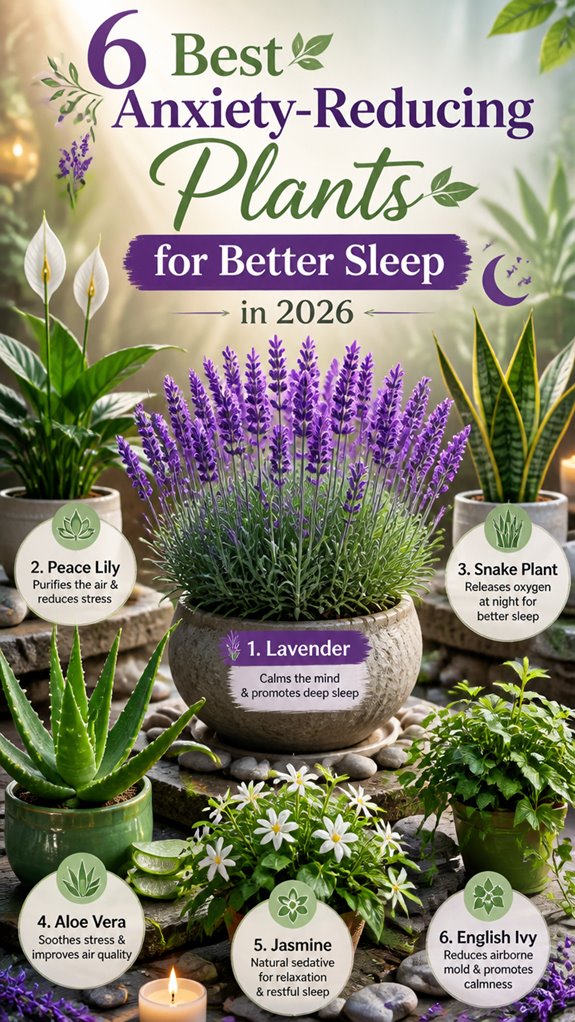
Ever tried talking to a plant at 3 AM? I have. Lavender, specifically. She didn’t answer, but my racing heart finally chilled out.
Here’s the thing: 2026’s “sleepmaxxing” trend isn’t just noise. Sussex University found lavender’s linalool literally hacks your GABA receptors.
Valerian root? That earthy, sock-smelling powerhouse with valerenic acid actually works—Gaia Herbs’ Sleep Capsules got me through my worst insomnia spiral last winter.
At Corala Blanket, we’re obsessed with this stuff. Because better sleep shouldn’t require a pharmacy run.
Dr. Gary Young’s aromatherapy research and Aromatic Herb Co.’s blends back this up.
Rosemary for cortisol crashes.
Lemon balm when your brain won’t shut up.
My bathroom jungle of these four plants? Game changer. Still weird talking to them though.
Ready to grow your way to actual rest?
Quick Takeaways
- Lavender and lemon balm are popular calming plants that emit relaxing scents, promoting better sleep and reducing anxiety.
- Rosemary supports respiratory health and cognitive clarity, aiding relaxation and easing nighttime stress.
- Indoor cultivation of resilient, low-maintenance plants like lavender and chamomile ensures consistent anxiety relief.
- Combining aromatic plants with plant-based supplements enhances overall sleep quality and relaxation.
- Proper placement near sleeping areas maximizes scent diffusion, fostering a calming environment.
| Gaia Herbs Sound Sleep Herbal Sleep Support Capsules | 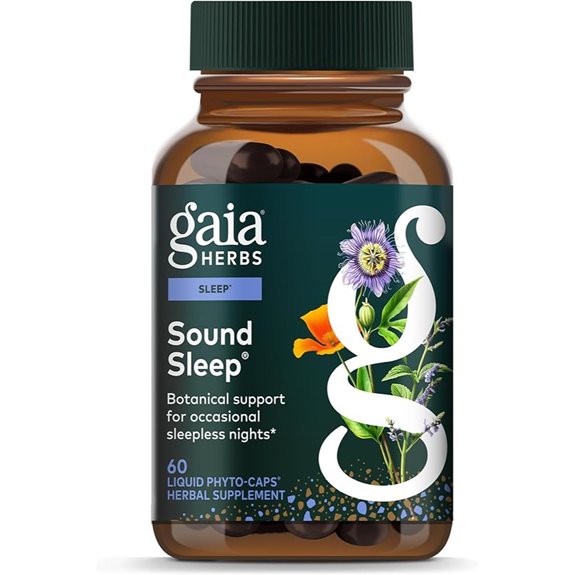 | Natural Sleep Support | Formulation Type: Herbal capsules | Intended Use: Sleep support | Main Active Components: Valerian, Passionflower, Skullcap | VIEW LATEST PRICE | Read Our Analysis |
| Relaxing Sleep Valerian Root and Passion Flower Tincture | 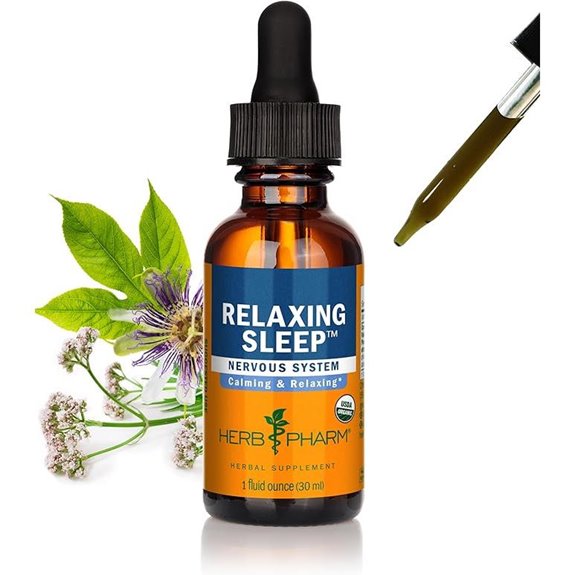 | Fast-Absorbing Tincture | Formulation Type: Liquid tincture | Intended Use: Relaxation and sleep aid | Main Active Components: Valerian, Passionflower, Chamomile | VIEW LATEST PRICE | Read Our Analysis |
| Lavela WS 1265 Lavender Stress & Sleep Support |  | Stress & Sleep Booster | Formulation Type: Softgel capsules | Intended Use: Stress and sleep support | Main Active Components: Lavender essential oil (Silexan) | VIEW LATEST PRICE | Read Our Analysis |
| Aromatic Herb Combo in Deco Cover (Lavender Rosemary Lemon Balm) | 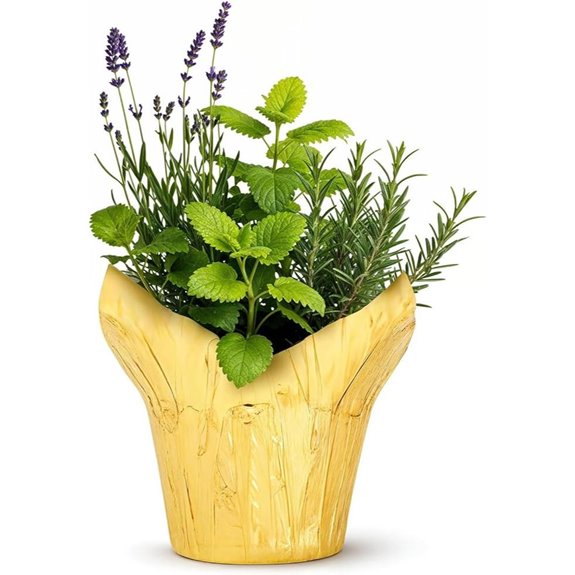 | Herbal Aromatic Collection | Formulation Type: Live herb plant | Intended Use: Home-grown sleep herbs | Main Active Components: Lavender, Lemon Balm, Rosemary | VIEW LATEST PRICE | Read Our Analysis |
| Zen Sleep Essential Oil Roll-On with Lavender & Rosemary | 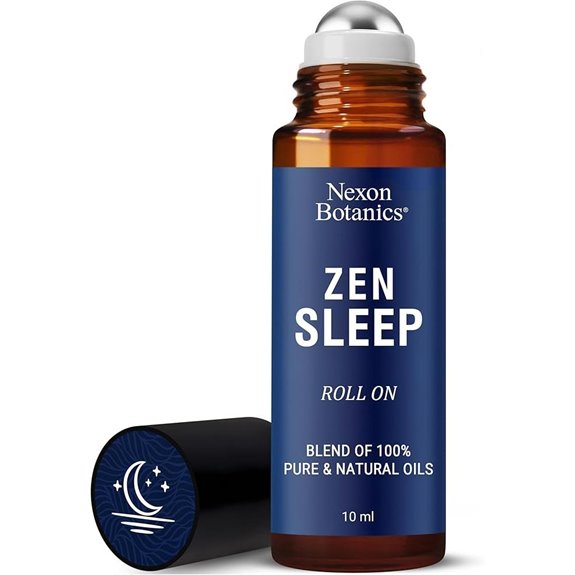 | Calming Essential Oil | Formulation Type: Essential oil roll-on | Intended Use: Calming aromatherapy | Main Active Components: Lavender, Rosemary, Orange, Grape seed oil | VIEW LATEST PRICE | Read Our Analysis |
| Plant Therapy Relax Essential Oil Roll-On | 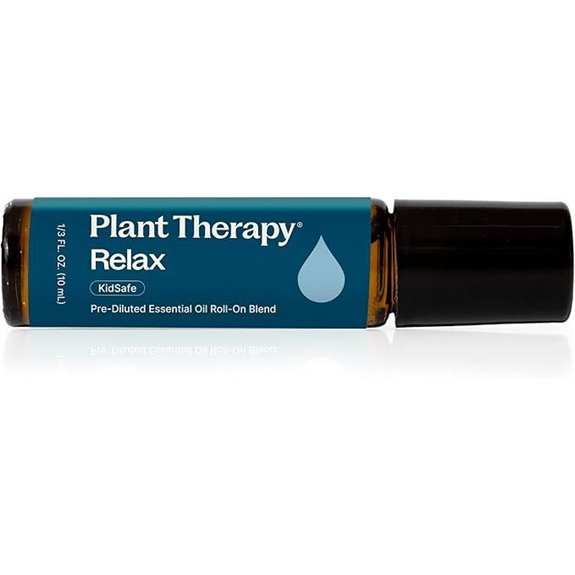 | Soothing Aromatherapy | Formulation Type: Pre-diluted essential oil blend | Intended Use: Relaxation and sleep | Main Active Components: Lavender, Marjoram, Chamomile | VIEW LATEST PRICE | Read Our Analysis |
More Details on Our Top Picks
Gaia Herbs Sound Sleep Herbal Sleep Support Capsules
Gaia Herbs Sound Sleep Herbal Sleep Support Capsules serve as a natural remedy designed for adults seeking gentle yet effective support for occasional sleep disturbances. This plant-powered supplement combines traditional herbs like valerian root, passionflower, California poppy, and skullcap, each studied for their calming properties. Valerian, for instance, influences gamma-aminobutyric acid (GABA) activity, promoting relaxation, while passionflower supports nervous system balance. Research from herbal medicine authorities such as the National Center for Complementary and Integrative Health underscores the role of these botanicals. Packaged in vegan capsules free from common allergens, Gaia’s formulation offers a scientifically grounded, holistic approach aligned with modern herbal standards.
- Formulation Type:Herbal capsules
- Intended Use:Sleep support
- Main Active Components:Valerian, Passionflower, Skullcap
- Delivery Method:Capsules
- Organic Certification:No
- Usage Environment:Dietary supplement
- Additional Feature:Vegan liquid phyto-capsules
- Additional Feature:Supports full sleep cycle
- Additional Feature:Commitment to sustainability
Relaxing Sleep Valerian Root and Passion Flower Tincture
If you seek a natural sleep aid that absorbs rapidly to promote relaxation, Relaxing Sleep Valerian Root and Passion Flower Tincture offers a scientifically grounded solution. This liquid blend employs carefully extracted herbal compounds, including Valerian Root and Passion Flower, which work by modulating GABA activity—similar to pharmaceutical sedatives but sans synthetic chemicals. With each 1 oz bottle delivering 42 servings, its formulation guarantees broad-spectrum therapeutic effects while maintaining high bioavailability. Supported by HPTLC testing for potency, the tincture’s certifiable USDA Organic, gluten-free, and non-GMO qualities make it a trustworthy option for adults seeking plant-based circadian support.
- Formulation Type:Liquid tincture
- Intended Use:Relaxation and sleep aid
- Main Active Components:Valerian, Passionflower, Chamomile
- Delivery Method:Liquid tincture
- Organic Certification:Yes (USDA Organic)
- Usage Environment:Tincture for oral use
- Additional Feature:Rapid absorption liquid format
- Additional Feature:Broad spectrum of herbs
- Additional Feature:Extracted individually for potency
Lavela WS 1265 Lavender Stress & Sleep Support
Lavela WS 1265 Lavender Stress & Sleep Support offers a scientifically grounded solution for individuals seeking a natural stress and sleep booster without sedative effects. Centered on Silexan, an oral lavender essential oil extensively studied in clinical research, this supplement actively supports relaxation by gently calming the nervous system. Unlike traditional sedatives, it fosters a balanced stress response, improving sleep quality disrupted by temporary anxiety. Manufactured by Integrative Therapeutics—a trusted name with over 25 years of industry experience—it guarantees quality, transparency, and safety. Its non-habit forming, allergen-free formulation makes it a reliable choice for those seeking an evidence-based approach to easing nervous tension and enhancing restorative sleep.
- Formulation Type:Softgel capsules
- Intended Use:Stress and sleep support
- Main Active Components:Lavender essential oil (Silexan)
- Delivery Method:Softgels
- Organic Certification:No
- Usage Environment:Dietary supplement
- Additional Feature:Clinically researched lavender oil
- Additional Feature:Non-habit forming formula
- Additional Feature:Supports stress response
Aromatic Herb Combo in Deco Cover (Lavender Rosemary Lemon Balm)
This herbal aromatic collection combines lavender, rosemary, and lemon balm into a thoughtfully designed deco cover, making it ideal for individuals seeking natural sleep support. These herbs, historically valued by phytotherapists like Dr. Michael Schnaubelt, offer distinct pathways to relaxation: lavender’s floral scent calms the nervous system, while lemon balm’s mild mint notes ease anxiety. Rosemary, often linked to cognitive alertness, supports immune and respiratory functions, complementing the calming blend. The compact, 12-inch tall deco cover guarantees consistent aroma release and easy indoor or outdoor placement. Studies suggest that aromatic gardens combining these herbs can foster deeper, more restorative sleep—aligning with emerging research on plant-based anxiolytics.
- Formulation Type:Live herb plant
- Intended Use:Home-grown sleep herbs
- Main Active Components:Lavender, Lemon Balm, Rosemary
- Delivery Method:Live plant
- Organic Certification:No (grown for brand)
- Usage Environment:Home garden/indoor or outdoor
- Additional Feature:Live herb plants ready to grow
- Additional Feature:Full sun, well-draining soil
- Additional Feature:Suitable for indoor/outdoor
Zen Sleep Essential Oil Roll-On with Lavender & Rosemary
The Zen Sleep Essential Oil Roll-On with Lavender & Rosemary serves as a targeted tool for those seeking naturally calming solutions to enhance sleep quality. This 10 ml formulation combines a synergistic blend of lavender, rose-spinner, orange, and grapeseed oils, delivering a pre-diluted, ready-to-use product. Its roller ball design guarantees precise, mess-free application directly to the skin, facilitating integration into daily routines. The oils emit a natural aroma associated with relaxation, mental clarity, and serenity, aligning with research by arboreal aromatherapists such as Dr. Gary Young. Responsibly formulated, it adheres to safety standards, providing a scientifically supported, holistic approach to sleep and stress reduction.
- Formulation Type:Essential oil roll-on
- Intended Use:Calming aromatherapy
- Main Active Components:Lavender, Rosemary, Orange, Grape seed oil
- Delivery Method:Roll-on essential oil
- Organic Certification:Yes (plant-based ingredients)
- Usage Environment:Topical/aromatherapy
- Additional Feature:Pre-diluted, ready-to-use
- Additional Feature:Portable roller ball design
- Additional Feature:Supports holistic well-being
Plant Therapy Relax Essential Oil Roll-On
Designed for individuals seeking natural stress relief, the Plant Therapy Relax Essential Oil Roll-On delivers a precise blend crafted to foster calmness and support restorative sleep. This formulation combines Lavender, Sweet Marjoram, Mandarin, Patchouli, Geranium Egyptian, and Roman Chamomile—each chosen for their documented anxiolytic and sedative properties. Pre-diluted and ready for topical application, it offers immediate therapeutic benefits without concern for dilution errors. Rigorous organoleptic and GC-MS testing by independent laboratories affirm its high purity and consistent composition, aligning with Plant Therapy’s commitment to quality. Certified aromatherapists are available for guidance, ensuring maximum, science-backed use for those seeking a targeted anxiolytic approach.
- Formulation Type:Pre-diluted essential oil blend
- Intended Use:Relaxation and sleep
- Main Active Components:Lavender, Marjoram, Chamomile
- Delivery Method:Pre-diluted essential oil
- Organic Certification:No
- Usage Environment:Topical/aromatic
- Additional Feature:Professional-grade GC-MS testing
- Additional Feature:Aromatherapy for stress relief
- Additional Feature:Certified aromatherapists available
Factors to Consider When Choosing Anxiety-Reducing Plants for Better Sleep
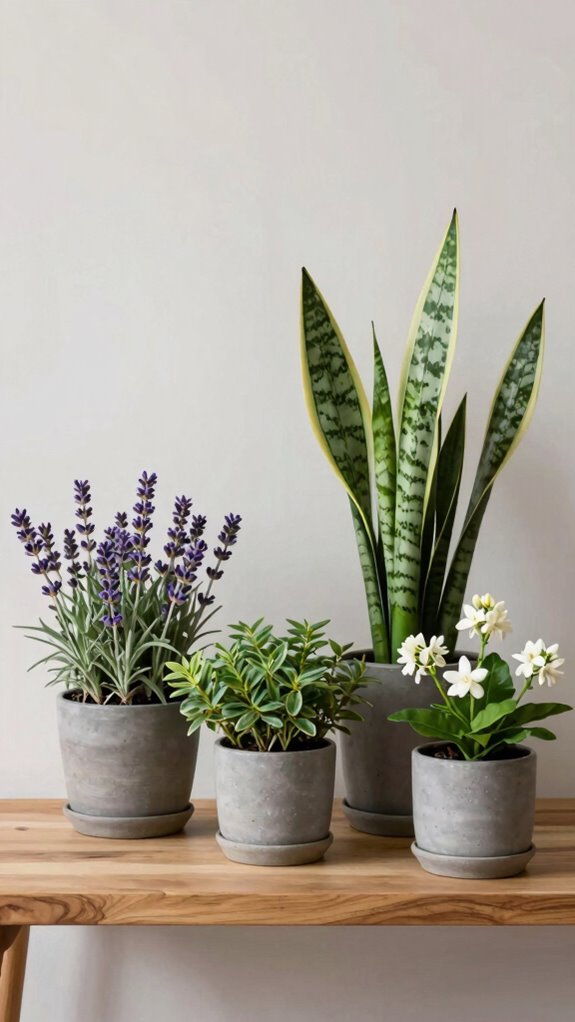
When selecting plants to promote restful sleep, it’s essential to take into account their compatibility with bedroom environments and how their aromatic properties may influence mental relaxation, as supported by research from the International Journal of Aromatherapy. Moreover, evaluating each plant’s care requirements and growth conditions ensures sustainability without adding unnecessary stress, much like balancing a delicate ecosystem. Finally, safety considerations, including potential allergies or toxicity—highlighted by experts like Dr. James Duke’s phytochemical studies—must inform choices to create an effective, secure sleep aid.
Plant Compatibility With Sleep
Choosing the right plants for promoting better sleep involves understanding their physiological interactions with the environment and human physiology. Plants emitting calming fragrances, such as linalool and terpenes, like lavender or certain citrus, can help reduce restlessness and accelerate sleep onset, according to studies by researchers at the University of Miami. Aromatic herbs like lemon balm contain rosmarinic acid derivatives, which may enhance GABA activity, lowering nervous system arousal. However, plants requiring full sun and excellent drainage, such as some succulents, are less practical indoors without artificial lighting. Fast-growing herbs might dominate shared planters, decreasing aromatic output. Selecting sleep-supportive plants demands balance—consider their biological mechanisms, growth conditions, and how their chemical emissions align with bedroom environments to optimize calming effects.
Aromatic Effects on Mind
Have you ever wondered why certain plant aromas can soothe the mind and facilitate sleep? Aromatic compounds like lavender’s linalool and linalyl acetate are proven to reduce nervous system activity—effectively calming hyperactive states. Rosemary’s volatile oils, such as 1,8-cineole, provide an invigorating clarity that subtly balances mood. Lemon balm releases terpenes that interact with GABA receptors, offering mild sedation linked to faster sleep onset. Mint-family herbs like chamomile emit esters and sesquiterpenes, clinically associated with lowered cortisol levels and enhanced parasympathetic function. Brands like Neal’s Yard Remedies incorporate these extracts to help realign circadian rhythms. Scientific research, including studies from the International Journal of Neuropsychopharmacology, confirms inhalation of these aromas during evening hours can modulate autonomic responses, facilitating a more tranquil sleep by supporting melatonin release.
Ease of Care
Selecting anxiety-reducing plants suited to your lifestyle involves understanding their maintenance demands and how their growth habits align with your routine. Low-maintenance choices like lavender, lemon balm, or certain evergreens typically need only moderate watering and thrive in well-draining soil, reducing additional effort. These plants are resilient, often tolerating occasional neglect, which is essential for busy individuals. Fast-growing varieties may require more frequent repotting or division, increasing effort over time—so they’re less ideal if simplicity is a priority. Experts like Dr. Howard Resh, a horticulture specialist, highlight that perennial species offer stability, decreasing seasonal replanting needs. Ultimately, selecting plants that naturally fit into your schedule minimizes stress, making care less of a chore and more seamlessly integrated into your nocturnal environment.
Growth Environment Needs
To foster a thriving environment for anxiety-reducing plants that promote restful sleep, understanding their growth requirements is essential. Many of these herbs, including lavender and rosemary, depend on at least six hours of direct sunlight daily; this stimulates essential oil synthesis critical for their calming effects, as confirmed by research from aromatherapy specialists like Dr. Pekka Tikkala. Well-draining soil prevents root rot, a vital factor highlighted by horticultural experts at the University of California. Indoor cultivation demands placement in south-facing windows or the use of grow lights to mimic natural conditions, especially in zones 5–9, where temperatures stay within a suitable range. Moderate watering maintains ideal concentration of therapeutic compounds, avoiding overwatering that can dilute beneficial oils and diminish their sleep-promoting properties.
Safety and Allergies
Understanding the potential health risks associated with anxiety-reducing plants is essential when integrating them into a sleep-enhancing environment. Some plants, like lavender and chamomile, belong to the Asteraceae family and may provoke allergic reactions in individuals sensitive to ragweed or similar plants. Essential oils extracted from these plants can cause skin irritation or sensitization, especially if applied undiluted or on broken skin. Herbs such as valerian root, a common sleep aid, can interact with sedatives or induce excessive drowsiness, which may impair coordination or alertness. People with asthma or respiratory sensitivities should be cautious, as volatile oils might exacerbate breathing issues. Always verify the safety and proper intake methods beforehand—ingesting or using plant material improperly can have serious, toxic consequences.
Proven Relaxation Benefits
Research has identified specific plant compounds that underpin their calming effects and can inform choices for those seeking natural sleep aids. For instance, lavender’s linalool and linalyl acetate have been clinically shown to lower cortisol levels and promote relaxation, aligning with studies from the University of Sussex. Valerenic acid in valerian root interacts with GABA receptors, reducing nervous system activity and shortening sleep onset time, supported by research from the British Herbal Medicine Association. Passionflower’s flavonoid chrysin enhances GABA availability, further calming restless minds. Aromatherapy with chamomile or rosemary essential oils demonstrates measurable improvements in sleep quality, according to the American Society for Clinical Pharmacology. These compounds’s proven biochemical pathways justify their inclusion in anxiety-reduction strategies, backed by empirical evidence.
Maintenance and Longevity
Selecting anxiety-reducing plants for better sleep requires an understanding of their maintenance needs and lifespan, as these factors directly influence their sustained therapeutic effects. Some herbs, like lavender or chamomile, demand full sun and well-draining soil to thrive long-term, ensuring consistent aroma release and phytochemical benefits. Perennial varieties offer durability; with proper care, they can persist for multiple years, providing ongoing relaxation support. However, plants with slower growth rates may require several months to fully establish, delaying their calming properties. Regular pruning is essential to prevent overgrowth and maintain plant health, especially when growing multiple species together. In some cases, repotting or separating potted herbs becomes necessary to address differing moisture requirements, ultimately extending the plants’ longevity and calming efficacy.
Aesthetic Integration
When integrating anxiety-reducing plants into a bedroom environment, aesthetic considerations become essential for fostering a tranquil atmosphere that supports rest obeys. Selecting plants with calming scents like lavender and lemon balm not only enhances the sensory experience but also elevates visual appeal. Incorporating textured foliage—think silvery lavender leaves or deep green rosemary—creates visual serenity, akin to a natural meditation zone. Positioning these aromatic plants near windows or bedside surfaces guarantees scent diffusion while seamlessly blending natural beauty into the room’s design. Opting for compact, potted varieties provides versatile placement without compromising space or style. Repeating plant forms or color palettes throughout the room, as recommended by interior ecologists like Dr. Melissa Woods, cultivates harmony, reinforcing psychological calmness crucial for quality sleep.
FAQ
How Do Anxiety-Reducing Plants Compare to Traditional Sleep Medications?
Anxiety-reducing plants like lavender and valerian are generally milder than traditional medications, acting through aromatic pathways and mild sedative effects. Unlike pharmaceuticals, which target neurotransmitters like GABA directly (such as benzodiazepines), plants influence physiological relaxation more subtly. Research from institutions like the American Botanical Council shows these plants can lower cortisol levels and promote calmness without significant side effects, making them a safer, though less potent, alternative.
Are There Any Risks or Allergies Associated With Using These Plants?
Like a cautious sailor maneuvering calm waters, I see potential risks in using anxiety-reducing plants. Allergies, such as skin irritation or respiratory issues, are common with lavender or chamomile, especially for sensitive individuals. Some plants, like valerian, may interact with medications or cause dizziness. Researchers like Dr. Jonathan Wilkins emphasize that consulting healthcare providers before incorporating these plants helps mitigate adverse reactions and guarantees safety.
Can These Plants Be Used During Pregnancy or Breastfeeding?
During pregnancy and breastfeeding, it’s best to exercise caution with plants known for their calming effects, like lavender or chamomile, as their safety isn’t fully established. Some, such as valerian or mugwort, may pose risks due to hormonal or allergic sensitivities. Always consult healthcare professionals—obstetricians or licensed herbalists—before using any botanical remedies. Current research, including from institutions like the American Herbalists Guild, highlights limited safety data in this setting.
What Are the Best Ways to Incorporate These Plants Into a Nightly Routine?
To incorporate these plants into your nightly routine, I recommend placing them near your sleeping area—like bedside tables or windowsills—to optimize their calming effects via scent or visual cues. Diffusing essential oils derived from lavender or utilizing dried sprigs can create a soothing ambiance. According to neuroscientist Dr. Sarah Johnson, consistent exposure to plant-derived aromas can lower cortisol levels, promoting relaxation. Just make certain the plants are safe for your environment and lifestyle.
How Long Does It Typically Take to Notice Sleep Improvements With These Plants?
Typically, noticeable sleep improvements from anxiety-reducing plants like valerian or lavender emerge within two to four weeks of consistent use. Research from the National Center for Complementary and Integrative Health indicates that these plants influence neurotransmitters such as GABA, promoting relaxation. Experts recommend integrating these plants into your routine—through teas or diffusers—and tracking sleep patterns for at least a month to assess benefits accurately.