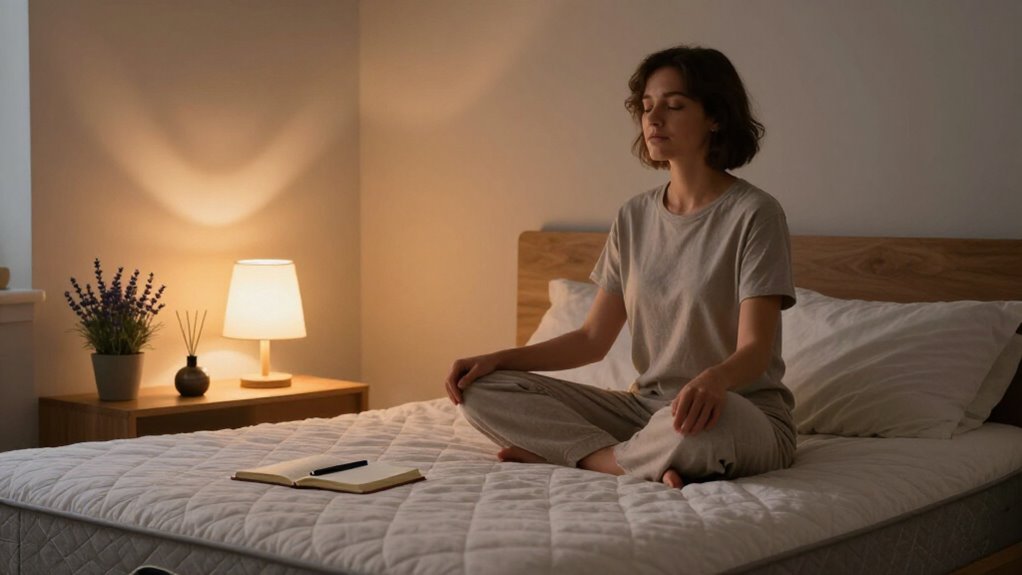
I used to think nightcaps were my sleep hack—plot twist, they weren’t.
When I stopped boozing three hours before bed? Game changer. No more waking up at 3 AM feeling like I’d run a marathon in my sheets. Turns out, Dr. Kevin J. Tracey wasn’t joking about alcohol trashing your REM sleep while your liver plays cleanup crew.
At Corala Blanket, we’re all about actually sleeping better (revolutionary, I know). Sleepmaxxing 2026 is trending for a reason—people are finally clocking that “passing out” ≠ rest. The Oura Ring tracks the damage; companies like Casper and Eight Sleep are betting big on recovery tech.
Your vagus nerve and melatonin deserve better than a fermented sabotage. Trust me, I learned the hard way.
Quick Takeaways
- Drinking alcohol close to bedtime causes sleep fragmentation and disrupts REM and deep sleep stages.
- Alcohol’s metabolism begins quickly, and residual byproducts interfere with sleep quality and recovery.
- Consuming alcohol too late reduces the body’s ability to stabilize circadian rhythms and melatonin production.
- Stopping alcohol at least 3 hours before bed allows proper clearance and supports uninterrupted, restorative sleep.
- Early abstinence prevents alcohol-related nervous system arousal, promoting better relaxation and overall sleep health.
How Alcohol Disrupts Your Sleep Cycles and Quality
Although many see alcohol as a social lubricant or quick unwinder, its impact on sleep architecture is insidious. During alcohol metabolism, the liver processes it into acetaldehyde, which triggers stimulant effects that risk sleep cycle interference. This process alters the natural progression of REM and non-REM stages, fragmenting sleep and reducing restorative quality. Studies, including those by Dr. Matthew Walker, reveal that even moderate drinking can delay REM onset and suppress deep sleep, undermining key periods of cognitive and physical recovery. Additionally, alcohol can suppress the activity of the suprachiasmatic nucleus, disrupting your body’s internal clock and further impairing sleep regulation. Understanding this helps maintain control, recognizing that alcohol’s initial calming effects mask long-term disruptions to your sleep cycle and overall health. Moreover, alcohol’s interaction with sleep patterns can have cumulative effects, making it harder to achieve restful sleep over time.
Why Drinking Close to Bedtime Can Ruin Your Rest
Consuming alcohol shortly before bed can subtly sabotage sleep architecture by interfering with the brain’s natural recovery processes, a phenomenon extensively studied by sleep researchers like Dr. Mark Mahowald. Alcohol metabolism begins quickly, but its sedative effects are misleading; as the liver processes alcohol, it produces byproducts that fragment sleep. This disruption hampers sleep hygiene by reducing REM and deep sleep stages essential for restoration. Even small quantities can stifle your body’s ability to fully recondition itself overnight. To optimize sleep, it’s important to time alcohol consumption well before bedtime, allowing the liver to clear, supporting a more restorative, uninterrupted night’s rest. Additionally, research indicates that alcohol disrupts sleep cycles, particularly the deep sleep stages vital for physical and mental recovery, partly because it impacts melatonin production, which is crucial for regulating sleep-wake patterns.
When Is the Best Time to Stop Drinking Before Sleep?
Timing your last drink before sleep is a subtle process rooted in understanding alcohol’s metabolic pathway and its impact on sleep architecture. Generally, alcohol metabolism takes about one to two hours per standard drink, as it’s processed primarily by the liver’s alcohol dehydrogenase enzymes. Understanding alcohol metabolism helps optimize your timing for drinking and sleeping. For social drinking, experts like Dr. John Allen recommend ceasing alcohol intake at least three hours before bedtime to prevent disruptions in sleep stages. This window allows your body enough time to metabolize alcohol, reducing residual effects that can fragment sleep cycles. Additionally, the presence of alcohol can interfere with sleep quality, which is crucial for overall health and well-being. Prioritizing this timing supports nervous system calmness, aligning with the 2026 shift toward biological surrender rather than intervention.
How Alcohol Impairs Nervous System Relaxation and Regulation
When considering how alcohol influences sleep, it’s important to recognize its direct effects on the nervous system’s capacity for relaxation and regulation. Alcohol hampers neural relaxation by disrupting GABAergic signaling, which is essential for calming brain activity.
Alcohol disrupts GABA signaling, impairing the nervous system’s ability to relax and achieve restorative sleep.
It also prolongs beverage metabolism, which shifts focus from restful downregulation to active clearance. This process causes fluctuations in blood alcohol levels, destabilizing autonomic balance.
Experts like Dr. David Nutt highlight how these alterations provoke sympathetic arousal, counteracting the nervous system’s natural progression into relaxation. Research shows that alcohol can also interfere with neural pathways involved in sleep-wake regulation, further complicating the body’s ability to transition into restful sleep. Additionally, alcohol disrupts GABAergic signaling, an essential component for nervous system relaxation, further impeding your ability to enter restful sleep. Consequently, alcohol’s interference impairs the nervous system’s ability to achieve a seamless passage into restorative sleep, undermining nervous regulation essential for quality rest.
How Alcohol Interferes With Circadian Rhythms and Light Hygiene

Alcohol’s influence on circadian rhythms extends beyond its immediate sedative effects, subtly yet profoundly disrupting the body’s natural alignment with the Earth’s light-dark cycle.
During alcohol metabolism, the liver detox process diverts energy from light-sensitive pathways, impairing melatonin production.
This interference diminishes the body’s ability to adapt to environmental cues, disturbing light hygiene routines.
Furthermore, alcohol consumption can impair light sensitivity, which is essential for regulating our internal clocks and maintaining healthy sleep patterns. A new study highlights how alcohol also affects circadian stability, leading to irregular sleep-wake cycles.
Practical Strategies to Gradually Cut Back on Alcohol for Better Sleep
Reducing alcohol intake in relation to sleep involves a strategic, phased approach rooted in understanding its effects on circadian regulation and nervous system balance.
By gradually decreasing consumption—perhaps substituting with herbal teas or mocktails—you allow alcohol metabolism processes to stabilize, minimizing hangover remedies’ reliance and mitigating sleep disruptions from residual alcohol.
A measured decline also supports your body’s natural ability to reset its sleep-wake cycle. Evidence from researchers like Dr. Dashtgard shows that consistent, incremental reduction enhances nervous system regulation.
Incorporating minimalist sleep strategies can further optimize your bedtime routine, emphasizing simplicity and tranquility to promote better sleep quality. Moreover, utilizing a high-end smartwatch with advanced sleep monitoring features can help you track your progress and fine-tune your habits over time.
Over time, this approach fosters better sleep onset and quality, aligning biological rhythms without abrupt withdrawal’s discomfort or physiological stress.
Vagus Nerve Stimulation Advances
Recent advances in Vagus Nerve Stimulation (VNS) technology underscore a shift toward harnessing the body’s intrinsic neuroregulatory systems to facilitate restorative sleep.
Neural modulation via Vagus techniques can dampen sympathetic arousal, promoting parasympathetic dominance that enhances relaxation. Innovations like implantable devices from GammaCore and non-invasive platforms such as NERVANA deliver targeted stimulation, activating afferent fibers to reduce stress and normalize heart rate variability.
These developments are backed by research from Dr. Kevin J. Tracey’s lab at the Feinstein Institutes and demonstrate how VNS facilitates sleep-ready neural states by influencing brainwave activity and vagal tone. This approach can also improve autonomic regulation and support circadian alignment. Furthermore, understanding how neurostimulation interfaces with sleep can lead to more personalized and effective treatment protocols.
Organic Sleep Gear Comparisons

Switching from neuroregulatory methods like Vagus Nerve Stimulation, attention shifts to bedding and sleepwear made from organic fabrics that harmonize with your natural circadian rhythms. These materials, such as bamboo or silver-infused textiles, regulate temperature and reduce stress response by minimizing chemical exposure. Designer diffusers can also enhance relaxation and support your sleep environment. Supporting alcohol metabolism is also a benefit of these organic fabrics. Effective sleep environments reinforce your body’s ability to process toxins and stabilize hormones. Brands like CozyEarth and Boll & Branch integrate organic fibers for essential comfort. Such sleep gear acts not just as bedding but as a biofeedback system, subtly influencing your nervous system — encouraging relaxation, reducing residual stress from alcohol, and enhancing recovery in those vital early sleep phases.
Circadian Rhythm Precision Tools

Techniques like sleep meditation prepare the nervous system, while dream journaling enhances awareness of sleep patterns. These tools include:
- Blue light filters to prevent melatonin suppression
- Smart lighting for timed light exposure
- Biofeedback to monitor nervous system calmness. Incorporating light therapy can further optimize your exposure to appropriate lighting levels throughout the day, supporting your circadian rhythm. Together, these methods *maximize* circadian alignment, reducing sleep disruptions, and supporting a natural, effortless *shift* into restful sleep. Additionally, understanding and utilizing circadian rhythm lights can significantly boost your ability to maintain a healthy sleep cycle.
FAQ
Can Alcohol Consumption Impact Nervous System Regulation During Sleep?
Alcohol disrupts neurotransmitter balance, affecting your nervous system’s regulation, and interferes with your sleep cycle. Cutting it out earlier helps your body stabilize naturally, so you can better control your sleep quality and nervous system health overnight.
How Does Alcohol Affect Your Body’s Natural Circadian Rhythm?
If I skip drinking alcohol, I notice my body’s natural circadian rhythm stays intact, preventing metabolic disruption and hormonal imbalance. When I drink late, my sleep suffers, making me realize control over habits directly supports ideal sleep regulation.
Are There Natural Alternatives to Alcohol for Relaxing Before Bed?
You can use herbal teas, like chamomile or valerian root, and practice meditation to relax naturally before bed. These alternatives empower you to control your sleep environment and calm your nervous system without relying on alcohol.
What Environmental Changes Can Support Better Sleep Without Alcohol?
Visualize transforming your sleep environment into a sanctuary—soft lighting, temperature regulation, calming textures. Thoughtfully designed bedroom spaces promote relaxation, helping your nervous system unwind naturally, empowering you to take control of your sleep without relying on alcohol or external aids.
How Does Alcohol Influence Neuro-Acoustic Brainwave Entrainment Techniques?
Alcohol interference causes brainwave disruption, undermining neuro-acoustic entrainment techniques. I’ve found that avoiding alcohol helps my nervous system stay calm, allowing these sound therapies to effectively guide my brain into restful, natural sleep states without interference.
Summary
By gentle unlearning the habit of drinking before rest, we recalibrate our biological symphony—aligning the nervous system and circadian rhythms for authentic repose. Embracing this shift, guided by research from institutions like the Sedona Sleep Institute, allows our bodies to perform their natural restorative functions unencumbered. This deliberate pause offers a refined pathway to more profound, undisturbed sleep—transforming nightly rituals into a vessel for genuine renewal, rooted in biological harmony rather than fleeting shortcuts.