Ever tried putting a toddler to bed? It’s like negotiating with a tiny, irrational dictator who suddenly NEEDS water at 9 PM.
Here’s what actually works.
I learned this the hard way after my daughter treated bedtime like a hostage situation for months. Dr. Russell Foster from Oxford and Harvard’s Dr. Charles Czeisler saved my sanity—their research on circadian rhythms is legit game-changing.
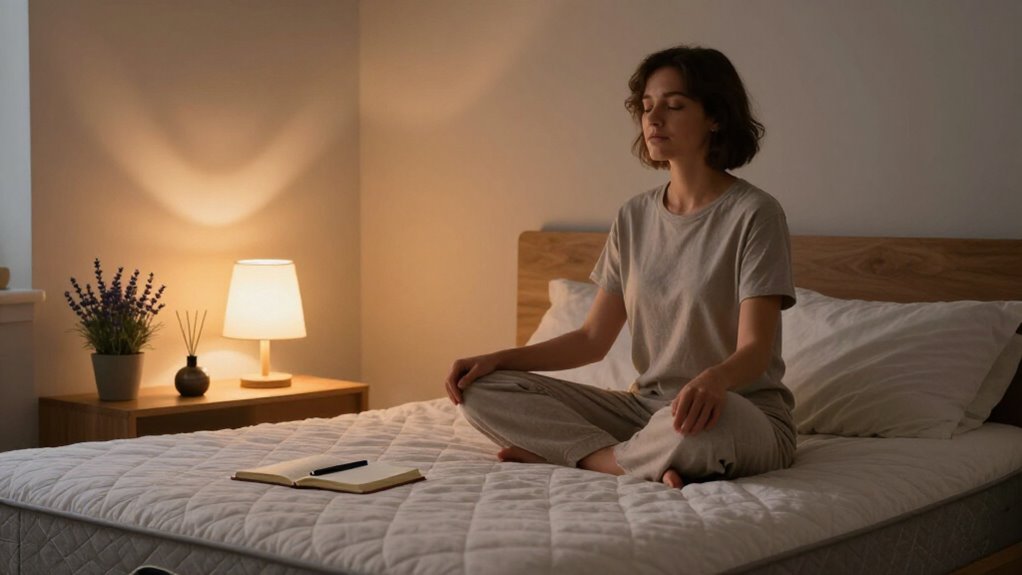
The 2026 “sleepmaxxing” trend? We’re already there. Consistent sleep-wake times. Dim lights. Zero screens (yeah, I know, brutal). Deep breathing, lavender scents, the whole shebang.
We at Corala Blanket obsess over this stuff—weighted blankets, temperature regulation, whatever actually moves the needle.
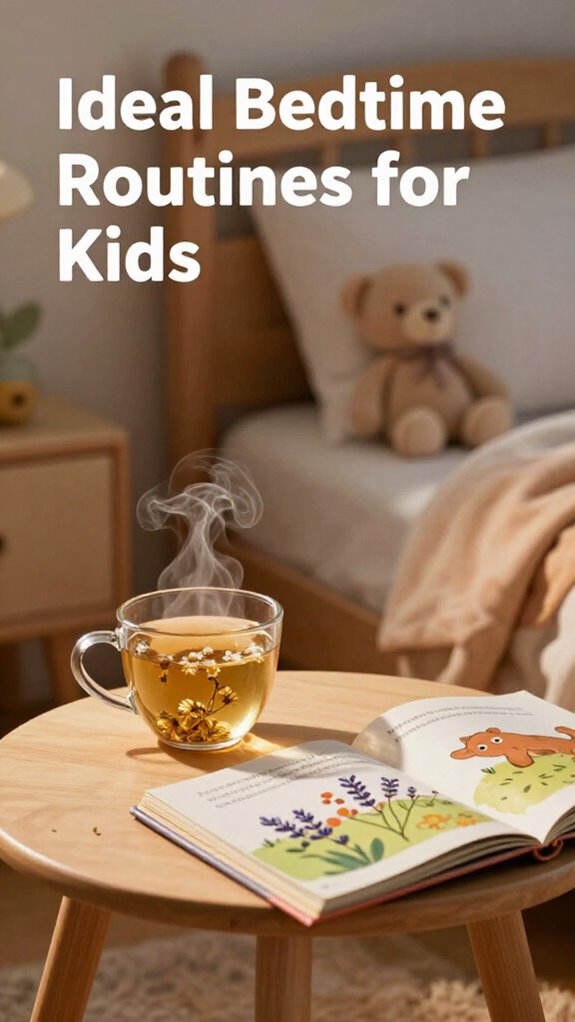
IKEA’s sleep studies back the noise-reduction thing. Hatch makes decent sound machines. My personal hack? Chamomile tea and a 10-minute foot rub. Sounds woo-woo, works magic.
Your kid’s brain is literally wiring itself during sleep. No pressure, right?
What’s your bedtime battle look like?
Quick Takeaways
- Establish consistent bed and wake times to regulate the child’s internal clock and promote better sleep quality.
- Create a calming environment with dim lighting, comfortable bedding, and minimal noise or electronic distractions.
- Incorporate relaxing activities like reading, storytelling, or gentle massage to signal the transition to sleep.
- Practice relaxation techniques such as deep breathing or mindfulness to reduce anxiety and promote calmness.
- Avoid stimulating foods, drinks, and screen use before bed to prevent sleep disruptions and support healthy habits.
How to Establish a Consistent Bedtime Routine for Kids
Establishing a consistent bedtime routine for children is fundamental to fostering healthy sleep patterns, and recent research underscores its importance in biological regulation, particularly through circadian alignment and nervous system calmness.
Consistent bedtime science shows that predictable sleep-wake schedules strengthen the sleep cycle regulation, aligning biological clocks as noted by sleep scientists like Dr. Russell Foster.
Predictable sleep schedules reinforce the body’s natural clock, promoting healthier, more restorative rest.
Regular routines signal to the nervous system that it’s time to wind down, reducing fight-or-flight responses, and promoting deeper, restorative sleep.
Implementing a fixed schedule—around the same time each night—serves as a biological anchor, optimizing neural pathways for relaxation and waking up refreshed, rather than fatigued.
Creating a Calm and Sleep-Friendly Bedroom Environment
Creating a calm and sleep-friendly bedroom environment involves more than just decluttering; it requires a deliberate manipulation of sensory stimuli to signal to the nervous system that relaxation is imminent. Implementing a digital detox reduces overstimulation from screens emitting blue light, which can inhibit melatonin production, as supported by researchers like Harvard’s Sleep Health Laboratory. Incorporating soothing elements like blackout curtains and temperature regulation, similar to bio-wellness innovations like Biovaila’s thermal fabrics. Bedtime storytelling, proven to strengthen neural pathways and promote relaxation, offers a controlled shift into sleep. Additionally, adjusting ambient scents with calming essential oils can help enhance relaxation through aesthetic nighttime rituals, which utilize sensory cues to prepare the body for deep sleep. Studies suggest that smart lighting can further support the natural production of melatonin by gradually dimming, creating a soothing environment that aligns with the body’s circadian rhythms. These combined strategies forge an environment that naturally cues the body ahead of transition to rest, emphasizing deliberate sensory management.
Simple Relaxation Techniques to Help Kids Wind Down
When it comes to helping children move smoothly into sleep, employing simple relaxation techniques grounded in neurophysiological principles can be highly effective.
Mindfulness exercises, such as deep breathing or focused attention on sensations, activate the vagus nerve, promoting parasympathetic responses that calm the nervous system.
Bedtime story techniques craft a soothing narrative to reduce cognitive arousal, guiding children into a relaxed state.
According to neuroscientists like Dr. Sara Lazar, these practices facilitate neuroplasticity in regions associated with anxiety regulation.
Implementing these methods with consistency can help children learn voluntary relaxation, creating a predictable, calming shift from wakefulness to restful sleep.
Memory foam vs spring mattress sleep quality is an example of how environment and comfort also play crucial roles in improving sleep quality for children.
How to Limit Screen Time and Build Healthy Sleep Habits
As modern screens evolve into pervasive fixtures in children’s lives, the impact on sleep architecture becomes increasingly evident. Establishing a designated screen-free zone during the hour before bedtime creates a vital digital detox, reducing blue light exposure that suppresses melatonin production.
Research from Dr. Charles Czeisler highlights how blue light delays circadian rhythms, impairing sleep quality. Implementing consistent boundaries around device use enhances nervous system regulation, anchoring children’s biological clocks. Additionally, incorporating high-end gel mattress toppers can improve sleep comfort, making it easier for children to relax without interruptions. Engaging in calming bedtime routines, such as reading or gentle stretching, can further support healthy sleep patterns and sleep quality.
Vagus Nerve Stimulation Techniques

Vagus nerve stimulation (VNS) techniques are gaining prominence as a non-invasive means to regulate the nervous system and promote relaxation before sleep. Vagus activation enhances parasympathetic tone, helping balance the nervous system—crucial for calming the mind and body.
Devices like the LORETA or transcutaneous vagus nerve stimulators leverage bioelectrical impulses to foster this equilibrium, reducing stress responses rooted in sympathetic dominance. Research by neuroscientists like Dr. Kevin Tracey underscores VNS’s ability to modulate inflammation and improve mood.
When integrated into bedtime routines, these techniques support natural autonomic regulation, anchoring children’s biological rhythms and facilitating progressions into restful sleep.
Organic Sleep Aid Teas

Organic sleep aid teas are experiencing a resurgence as part of the broader movement toward integrating natural, biological harmonization into bedtime routines. These teas, often infused with chamomile, valerian root, or lavender, influence the nervous system by promoting relaxation without reliance on pharmaceuticals. Incorporating practices like dream journaling or bedtime storytelling enhances their effectiveness, grounding children in calming, predictable rituals. Envision a warm, fragrant cup as a signal to unwind, while stories or reflections help shift their brainwaves towards delta states. Utilizing natural sleep-promoting ingredients can further support relaxation and improve sleep quality for children. Additionally, understanding the neurophysiological effects of these herbs can help caregivers select the most suitable options. Brands like Traditional Medicinals and Gaia Herbs now prioritize organic, ethically sourced ingredients, aligning with scientific insights from neurophysiology experts like Dr. Stephen Porges on vagus nerve engagement.
Sleep-Friendly Aromatherapy Scents
Sleep-friendly aromatherapy scents harness the subtle power of botanical compounds to modulate neural activity and promote relaxation during the shift to rest. Scents like lavender and chamomile are supported by research from aromacology specialists, such as Professor Pierre Franchignon, to reduce anxiety and lower cortisol levels. These natural scents help create a calming sleep environment, which is essential for supporting vivid dream journaling and deeper sleep cycles. Incorporating these scents into bedtime routines can also influence the neurophysiological processes that facilitate restful sleep. Integrating essential oils into bedtime routines—via diffusers or topical application—allows parents to exert control over their child’s sleep quality. Careful selection of scent profiles aligns with neurophysiological principles, offering a natural, science-backed method to enhance children’s transition into rest.
FAQ
How Can Parents Tailor Bedtime Routines for Children With Different Chronotypes?
I tailor bedtime routines by embracing personalized routines and prioritizing chronotype awareness, adjusting sleep schedules to fit each child’s natural rhythm. This way, I give my kids better control over their sleep, fostering healthier, more restful nights.
What Are the Signs of Overstimulation That Disrupt Children’s Sleep?
Think of overstimulation as a whirlwind in a child’s mind, making sleep tough. Signs include darting eyes, fidgeting, and fussiness. I control this with calming music and sensory baths, helping their nervous system settle smoothly.
How Does Environmental Harmony Influence a Child’s Ability to Fall Asleep?
Environmental harmony helps my child fall asleep faster by creating a calming space with soothing scents and calming sounds. I control the environment to promote relaxation, reducing overstimulation and making bedtime smoother and more consistent for a peaceful night.
Are There Natural Ways to Regulate a Child’s Nervous System Before Bed?
I find that blending relaxation techniques with sensory activities helps regulate my child’s nervous system naturally. Deep breathing, gentle massage, and calming textures create a soothing pre-bed environment, giving me control over their bedtime peace and ease.
How Do Sleep-Friendly Fabrics Impact a Child’s Sleep Quality?
Sleep fabric and restful textiles considerably improve a child’s sleep quality by regulating temperature and reducing discomfort. I focus on choosing soothing, natural materials that support nervous system calmness, giving children the control for a truly restorative night’s sleep.
Summary
Establishing a consistent, calming bedtime routine is like assembling a finely tuned instrument—each component, from environmental tweaks to relaxation techniques, plays a crucial role in harmony. By integrating evidence-based practices advocated by sleep researchers like Dr. Charles Czeisler, and utilizing sensory cues such as aromatherapy, parents can foster a secure, restorative sleep environment. Thoughtful routines, tailored to individual needs, support not only physical restoration but also foster resilience and emotional well-being, setting a foundation for healthier, more restful nights.