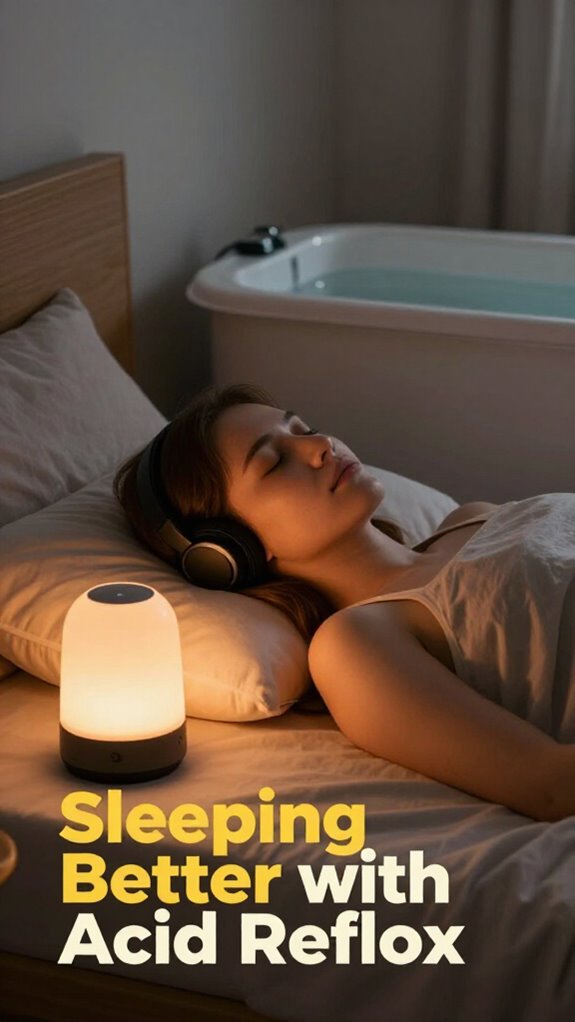
Because lying flat while your stomach stages a hostile takeover at 2 AM is *exactly* how sanity dies.
Let me paint you a picture: me, three years ago, curled up on my right side, wondering why my esophagus felt like it was being slow-roasted. Spoiler—that’s the “wrong side,” folks. Left lateral position? Game changer. Gravity becomes your bestie instead of your betrayer.
Elevate your head 6-8 inches with wedge pillows—not the “propped on three sad regular pillows” hack that folds you like origami. Trust me, I tried that. My neck still holds grudges.
Late-night meals? Hard pass. Your LES loosens up when you’re horizontal, basically inviting acid to the party. Dr. Mark Pimentel’s research at Cedars-Sinai emphasizes this timing matters *more* than we thought.
At Corala Blanket, we’re obsessed with better sleep—period. That’s why we’re tracking 2026’s “Sleepmaxxing” trend: biohacking rest through vagus nerve stimulation devices like Apollo Neuro and sensory-controlled environments. Breathable bedding, dim lighting, actual melatonin production—wild concept, right?
Your turn—still sleeping on your right side like a chaos agent?
Quick Takeaways
- Sleep on your left side and elevate your upper body by 6-8 inches to reduce acid reflux episodes.
- Avoid trigger foods like caffeine, fatty foods, and alcohol before bedtime to minimize reflux during sleep.
- Create a calming sleep environment with dim lighting, breathable bedding, and relaxing routines to promote restful sleep.
- Practice stress management techniques such as deep breathing or mindfulness to regulate nervous responses linked to reflux.
- Consult a healthcare professional if symptoms persist or worsen despite lifestyle adjustments for personalized treatment options.
Which Sleep Positions Help Reduce Acid Reflux?

Certain sleep positions can considerably influence the severity of acid reflux during the night, with research indicating that elevating the upper body reduces the likelihood of gastric contents regurgitating into the esophagus. Proper sleep posture involves sleeping on your left side, as studies from the Journal of Clinical Gastroenterology show it minimizes acid triggers by preventing stomach acids from pressing against the lower esophageal sphincter (LES). Raising the head of your bed by 6-8 inches also promotes gravitational advantage, reducing reflux episodes. Incorporating luxury blankets for better sleep can further enhance comfort and help you maintain your recommended position throughout the night. These positioning strategies, endorsed by gastroenterologists like Dr. David Johnson, support maintaining an ideal balance between sleep biomechanics and reflux control.
How Can You Adjust Your Bed Environment to Prevent Reflux?
Adjusting your bed environment to prevent reflux involves strategically modifying your sleep setup to leverage gravity and optimize hormones’ natural functions. Elevating the head of your bed by 6-8 inches with wedge pillows or risers encourages gastric acid to stay in your stomach, reducing esophageal exposure.
Elevate your bed by 6–8 inches to help keep stomach acid down and reduce reflux episodes naturally.
Limiting bedroom lighting contrasts—using dim, warm lights at night—stimulates melatonin, supporting digestion and sleep quality.
Incorporate dream journaling to identify reflux triggers linked to stress, and adopt soft, breathable bedding to regulate temperature. Understanding environmental harmony can further enhance your sleep environment, as subtle adjustments have been shown to markedly diminish reflux episodes. Additionally, understanding how chronobiology influences REM sleep cycles can help you schedule your sleep patterns to align with your body’s natural rhythms, further enhancing sleep quality and reducing reflux discomfort.
What Lifestyle Habits Can Help You Sleep Better Despite Acid Reflux?
Adopting specific lifestyle habits can considerably mitigate the impact of acid reflux on sleep quality, even when symptoms persist. Implementing precise diet modifications—such as reducing trigger foods like caffeine, alcohol, and fatty fare—can lessen acidity stress on the esophageal sphincter.
Equally crucial is stress management; chronic stress activates the sympathetic nervous system, exacerbating reflux. Techniques like mindfulness meditation, deep breathing, or progressive muscle relaxation—supported by researchers at Harvard Medical School—help lower cortisol levels, promoting nervous system calmness.
Consistent routines grounded in these habits foster a biological environment conducive to restful sleep, aligning internal processes with natural rhythms rather than fighting symptoms with reactive measures.
When Should You See a Doctor About Reflux and Sleep Issues?
Knowing when to consult a healthcare professional about reflux and sleep disturbances is foundational, especially as lifestyle modifications and sleep hygiene strategies evolve in importance within the 2026 sleep terrain.
If symptoms persist despite dietary changes—like avoiding triggers such as spicy foods or caffeine—and are exacerbated by genetic predispositions, seeking expert guidance is prudent.
Warning signs include frequent nighttime awakenings, chest pain, or regurgitation affecting sleep quality, which may indicate underlying conditions like GERD or esophageal issues.
Dr. Mark Pimentel’s research at Cedars-Sinai emphasizes early intervention, as unaddressed reflux can impair nervous system regulation, further disrupting sleep. Understanding why rest doesn’t always feel refreshing highlights the importance of addressing underlying causes like reflux to improve overall sleep quality.
Additionally, recognizing GERD symptoms early can prevent complications and long-term health issues.
Vagus Nerve Stimulation Adoption

As research advances into neuroregulation of sleep, Vagus Nerve Stimulation (VNS) has emerged as a promising tool for enhancing autonomic balance and nervous regulation.
By activating the vagus nerve, VNS facilitates parasympathetic dominance, promoting calmness and reducing stress responses linked to acid reflux and disrupted sleep. Additionally, incorporating weighted comforters can provide gentle pressure that further promotes relaxation and improves sleep quality.
Devices like those developed by Inspire Medical Systems deploy electrical pulses to modulate vagus activity, influencing heart rate variability and neural plasticity.
Clinical studies, especially by Dr. Kevin J. Tracey, underline VNS’s potential to re-establish communication pathways within the nervous system—empowering individuals to control their autonomic responses naturally, supporting healthier sleep patterns.
Understanding neuroregulation strategies can further optimize the benefits of VNS in managing sleep disturbances related to acid reflux.
Sound Therapy Devices Comparison
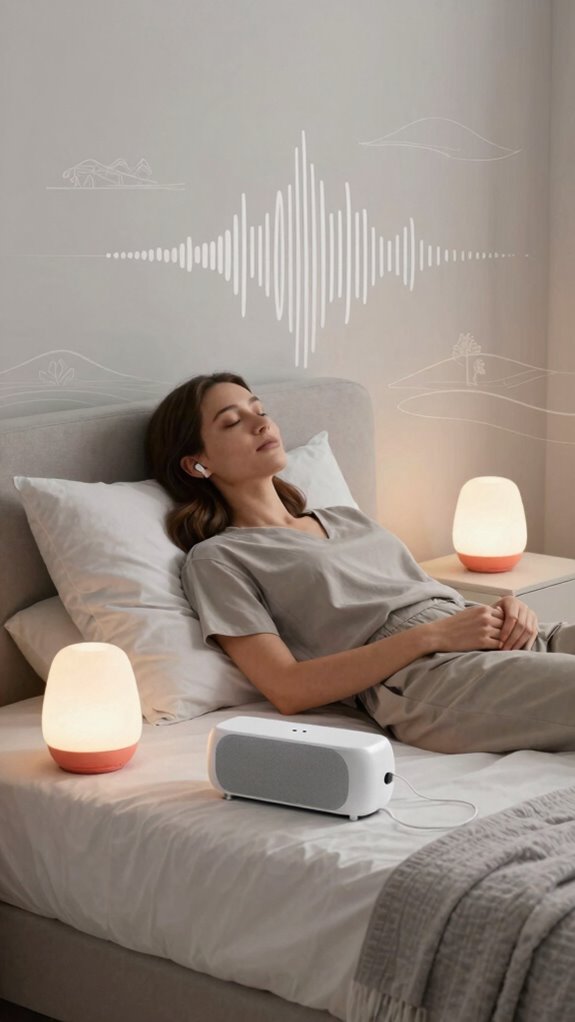
Among the progressing array of sleep aids, sound therapy devices occupy a distinctive niche in promoting relaxation and mitigating disruptions caused by acid reflux and anxious arousal. These devices craft a tailored sleep environment that fosters dream induction by masking disruptive external noises and smoothing nervous system responses. Incorporating cold immersion tanks into your bedtime routine can further enhance sleep quality by lowering body temperature and promoting relaxation, which is especially beneficial for those struggling with reflux-related discomfort. Scientific evidence suggests that consistent auditory stimuli can shift the brain into a calmer, restorative state, critical for those seeking control over their sleep architecture. Properly selected sound therapy not only enhances nightly relaxation but also entails an understanding of sleep architecture to optimize conditions for restorative dreams.
Neurotransmitter Modulation Techniques
Neurotransmitter modulation techniques target the subtle chemical messengers that regulate sleep-waking cycles by adjusting their levels or receptor sensitivity, thereby influencing neural signaling pathways. Through deliberate brain chemistry modulation, I can optimize neurotransmitter balancing—particularly serotonin, GABA, and dopamine—to facilitate relaxation and deepen sleep. Incorporating Chic Linen Duvet Covers can also contribute to creating a comfortable sleep environment that supports these chemical processes. Techniques like transcranial magnetic stimulation (TMS) and targeted pharmacology, such as low-dose psychedelics studied by researchers at Johns Hopkins, exemplify this approach. Understanding these mechanisms empowers me to influence my nervous system consciously, promoting stability in circadian rhythms and supporting better overall sleep.
FAQ
Are There Specific Foods That Worsen Acid Reflux at Bedtime?
Certain diet triggers like spicy or fatty foods worsen acid reflux at bedtime. I recommend controlling food timing, avoiding heavy meals close to sleep, and choosing gentle, low-acid options to help manage symptoms and improve sleep quality.
Can Certain Sleep Trackers Accurately Monitor Reflux Episodes?
Sleep trackers are like modern detectives—helpful but not foolproof for reflux detection. They can hint at sleep quality issues caused by reflux, but for full accuracy, specialized equipment or medical advice remains your best bet.
How Does Sleep Position Impact Esophageal Sphincter Function?
Sleeping on your left side improves esophageal pressure, reducing reflux symptoms by delaying reflux timing. I control my reflux by choosing ideal sleep positions, helping my body manage acid more effectively and preventing discomfort during the night.
What Natural Remedies Can Alleviate Reflux-Related Discomfort During Sleep?
Studies show herbal teas can soothe reflux discomfort; I find Boldo leaves especially calming. I brew a cup an hour before bed, helping my body relax and keep acid at bay naturally, giving me more control over my sleep.
Does Acid Reflux Improve With Sleep Cycle Realignment Techniques?
Yes, acid reflux can improve with sleep cycle realignment, especially through lifestyle modifications like timing meals and managing stress, and medication options. I recommend taking control by adjusting habits and consulting your doctor for personalized strategies.
Summary
Adopting evidence-based strategies like vagus nerve stimulation, optimizing sleep environments, and integrating sound therapy can profoundly mitigate reflux-related disruptions—akin to quieting a tumultuous storm within. While no single method guarantees overnight relief, combining these approaches aligns with perspectives from Harvard neuroscientists and sleep researchers like Dr. Matthew Walker, fostering restorative sleep. Persistent issues warrant medical consultation, but a holistic, science-backed routine empowers you to lessen reflux’s grip and reclaim peaceful slumber.