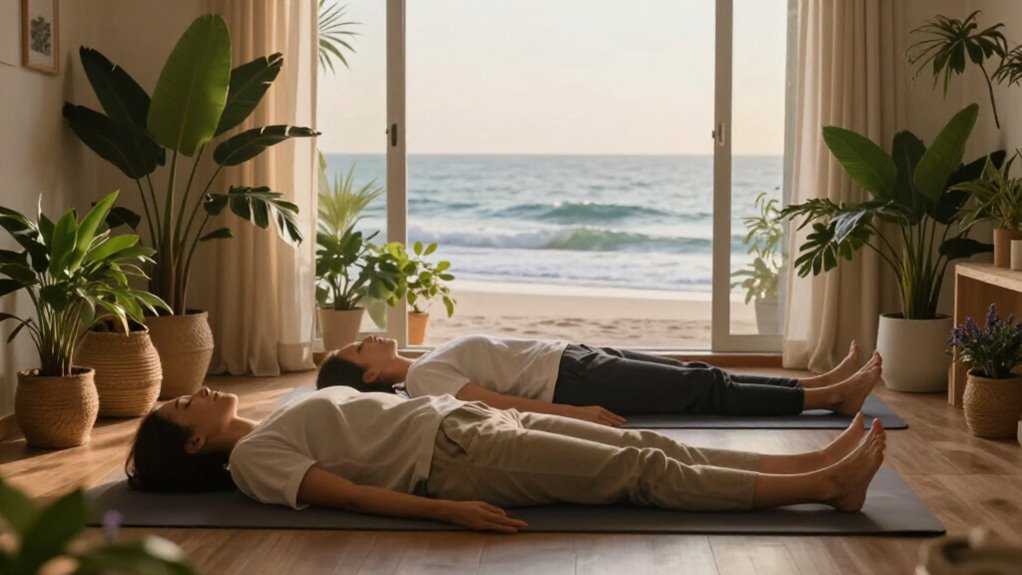
Ever tried napping for “just five minutes” and woke up three hours later, drooling on your keyboard? Yeah, me too.
That’s why I now hard-cap my power naps at 10–20 minutes.
NASA’s famous 1995 study on pilots found 26-minute naps boosted performance by 34%. Sleep researcher Dr. Sara Mednick at UC Irvine backs the sweet spot too—anything past 30 minutes drags you into sleep inertia hell.
Last Tuesday, I ignored my own rule. Napped 45 minutes. Felt like concrete until dinner.
Now? I set a brutal alarm. Mid-afternoon dip hits around 2 p.m., I’m out for 15, back crushing it.
We at Corala Blanket live this stuff—promoting better sleep isn’t marketing, it’s our actual mission.
The 2026 “sleepmaxxing” crowd gets it: optimize or fossilize.
So what’s your nap record? Be honest.
Choosing the Right Power Nap Length
Power naps work like a “software restart” for your brain—small, timed resets that trade a little sleep depth for a lot of wakefulness. If you want control, start by choosing a suitable nap length that matches your goal: alertness now, cognitive lift later, or both. In most real-world settings, the standard power nap range is 10–30 minutes. That window tends to boost alertness and functioning without reliably pushing you into the deeper stages that cause grogginess.
If you need immediate performance—driving, monitoring systems, or any safety-critical task—I’ll aim shorter. Naps under 20 minutes improve alertness right away with minimal sleep inertia. Even better, a 10-minute nap produces very little disorientation, which is why it’s often favored during night shifts. For daytime work, a 15–20 minute nap is typically the “sweet spot” for many people: it lifts alertness and keeps you from waking into a fog. NASA research on pilots found that napping 20–30 minutes made them over 50% more alert and over 30% more proficient than non-nappers, and brief naps improved alertness for about two hours.
Now consider how sleep inertia changes your results. Sleep inertia—the drowsy, disoriented feeling—usually appears after about 30 minutes of sleep, when deeper stages start to enter. That’s not just inconvenience; it can mask your gains for 15–60 minutes after waking, delaying the moment you actually feel sharper. Recovery often takes 30–60 minutes, especially after a 30-minute nap, so I treat the 30-minute threshold as a practical boundary.
If your priority shifts from “right now” to cognitive benefits, older adults have additional options. A 30–90 minute nap can improve word recall and figure drawing, suggesting meaningful memory and cognition enhancements. However, exceeding 90 minutes can impair cognitive thinking and memory, and long naps beyond 30 minutes have been linked to higher blood pressure and blood sugar levels.
Mid-Afternoon Circadian Dip Naps

When your circadian clock lowers its guard in the mid-afternoon, your brain briefly behaves like a laptop that’s drawing more power than it can comfortably supply.
I use mid-afternoon circadian rhythm dips—often around 1–4 p.m.—to cut through afternoon fatigue fast. Here’s how I keep control:
- Set 10–20 minutes: mostly N2, less sleep inertia.
- Avoid past 30 minutes: deep sleep rises, grogginess follows.
- Start near 2:30–3:30 p.m. for best alertness timing.
I learned this from sleep researchers mapping Process C and S; brands like Fitbit sleep logs help me stay consistent.
FAQ
Is It Better to Set an Alarm for 20 or 30 Minutes?
If you want the cleanest balance—like choosing the right gear before a hill—I’d set an alarm for 20 minutes.
Most people get strong nap effectiveness without slipping into deeper stages that trigger sleep inertia. Research summarized by sleep scientists and echoed in guidance from organizations like the National Sleep Foundation suggests 20–30 minutes works well, but 30 can nudge you toward grogginess for some.
If you’re older, I’d prefer 20 first.
Can I Power Nap After 5 P.M. Without Harming Nighttime Sleep?
Yes, you can power nap after 5 p.m., but only if you control both ideal timing and nap duration.
I’d aim for 10–20 minutes; that typically avoids entering deeper sleep stages that cause inertia and, more importantly, late-day circadian “drag.”
If you must, I set an alarm, place the nap early in your window, and keep lights low.
Sleep researchers like Dr. Sara Mednick emphasize short naps reduce grogginess and protect nighttime sleep.
What’s the Safest Nap Length if I Struggle With Sleep Inertia?
If you struggle with sleep inertia, I’d choose an ideal duration of 10–20 minutes, ideally closer to 15.
This sweet spot keeps you in lighter N1/N2 sleep, so you wake without the 30–60 minute fog that shows up when you fall into deeper stages (>30 minutes).
I rely on findings echoed by sleep researchers like Matthew Walker and on practical timing rules used in Fitbit and Philips sleep coaches.
Aim for early afternoon.
How Often per Day Should I Take Power Naps for Benefits?
I’d aim for 1 power-nap episode per day, sometimes 2, if you absolutely need it. The ideal duration is 10–20 minutes to preserve alertness without deep-sleep inertia.
Timing matters: I schedule it in the early afternoon (about 1–3 p.m.). Research summarized by Matthew Walker and findings on circadian effects in sleep studies suggest extra naps beyond this window add diminishing returns and risk nighttime sleep disruption.
If I nap twice, I keep the second short.
Does Lying Down Change Results Versus Sitting Upright?
Yes—though you won’t turn a nap into magic, nap positions and posture effects matter.
When I lie down, venous return improves and my breathing feels steadier, which can quiet micro-arousals.
Sitting upright can keep me more alert, but it often encourages restless neck and fragmented sleep, raising sleep inertia if I drift too deep.
For control, I use a reclined chair or a couch, head supported, and limit it to 10–20 minutes—per sleep researchers like Wehr and NASA-style vigilance studies.
References
- https://www.health.harvard.edu/healthy-aging-and-longevity/can-a-quick-snooze-help-with-energy-and-focus-the-science-behind-power-naps
- https://www.cdc.gov/niosh/work-hour-training-for-nurses/longhours/mod7/05.html
- https://health.clevelandclinic.org/are-long-naps-bad-for-you-and-if-so-why
- https://pubmed.ncbi.nlm.nih.gov/36775965/
- https://www.hopkinsmedicine.org/health/wellness-and-prevention/can-a-nap-boost-brain-health
- https://ntrs.nasa.gov/api/citations/20190033981/downloads/20190033981.pdf
- https://pmc.ncbi.nlm.nih.gov/articles/PMC4763354/
- https://www.sleepfoundation.org/sleep-hygiene/power-nap
- https://www.puirp.com/index.php/research/article/view/31
- https://pmc.ncbi.nlm.nih.gov/articles/PMC5598771/