Ever spend three hours “resting” while your brain runs a middle-of-the-night TED Talk? Same. That was me until my nervous system finally tapped out and said, “we’re done here.”
My five somatic rituals now? Weighted blanket pressure for 2 minutes—game changer. Then 4-in, 6-to-8-out breathing to trick my vagus nerve into chill mode. Gentle isometrics (3 sets, zero pain), a body scan with extended exhales, and 15 minutes of analog wind-down with dim light and brown noise.
At Corala Blanket, we’re all about promoting better sleep. Studies from Harvard Medical School and Dr. Andrew Huberman’s lab back this pacing. Sleepmaxxing for 2026? It’s science, not just TikTok hype.
We doing this or what?
Quick Takeaways
- Use 2 minutes of deep-pressure body settling with hands or a weighted blanket to calm the nervous system.
- Practice diaphragmatic breathing (inhale 4, exhale 6–8) for 5 cycles to trigger vagus-nerve downshift and relaxation.
- Try gentle isometric release: three sets of 10–20 second wall or palm presses to release muscle tension safely.
- Do a 10-minute body scan with extended exhales, softening sensations without fixing them, to activate parasympathetic calming.
- Create a 15-minute analog wind-down with dim warm lighting and minimal digital input, plus steady ambient sound for lower arousal.
Do Deep-Pressure Body Settling (2 Minutes)
I guide you through deep-pressure body settling for just two minutes because your nervous system can’t “decide” to calm down instantly—it needs a physical cue.
Start by lying still and doing gentle body awareness from jaw to toes. With tactile grounding (weighted blanket, or your hands pressing in slow waves), you activate pressure benefits tied to mechanoreceptors, nudging sympathetic tone down.
This sensory mindfulness supports a somatic connection: feel the contact points, then relax muscles on the exhale. For body tuning, scan once more and soften any guarded areas. Deep pressure therapy works by stimulating the release of serotonin and melatonin while decreasing cortisol levels.
If emotion surfaces, allow emotional release as tension melts—simple, repeatable relaxation techniques, like Sara Lazar and Deb Dana describe.
Deep touch pressure from weighted blankets has been shown to reduce nighttime cortisol and promote deeper sleep stages through gentle, distributed compression.
Breathe With Longer Exhales for Vagus Downshift
After two minutes of deep-pressure settling cues your body to “let go” at the tissue level, the next signal comes through your breath.
I guide your breath awareness into diaphragmatic breathing: inhale quietly through the nose for a count of 4, then exhale slowly for 6–8. Those longer exhales bias vagus stimulation, nudging your heart rate variability upward and supporting stress reduction. These breathing exercises are particularly effective when practiced consistently as part of your evening routine.
Breathe in quietly through your nose for 4, then exhale slowly for 6–8 to calm the nervous system via vagus stimulation.
This extended exhale practice helps strengthen vagus nerve tone, which research links to improved REM sleep quality and more restorative rest cycles.
If you notice your mind racing, I call it “signal noise,” not danger—just return to the exhale’s texture. This is nervous regulation through calming techniques, preparing sleep readiness and a relaxation response.
Try this for 5 cycles tonight.
Try Gentle Isometric Release (No Pain, 3 Sets)
Three sets of gentle isometric release can help your nervous system “unclench” without triggering pain or adrenaline—think of it as taking the steering wheel while your body lowers its volume. I cue you to sit or lie down, then lightly press into a wall, floor, or your own palm for 10–20 seconds, 3 rounds total. Aim for muscle relaxation, not strain; pain means back off immediately. Pair each set with calming music and a brief mindfulness practice for body awareness. Notice tension release, then exhale and soften. Add zen visualization: envision warm light melting tight fibers. This is stress management through safe, measurable body awareness. Aesthetic nighttime rituals create a sensory environment that signals your brain it’s time to rest.
Do a 10-Minute Body Scan While Exhaling Longer
Now that you’ve practiced gentle isometric release to help your system “unclench,” use the next tool to teach your breathing to escort attention back to the body: a 10-minute body scan paired with longer exhales.
Try a 10-minute body scan with longer exhales—soften each area and return gently whenever your mind wanders.
I start by setting a timer and slowing my exhale so it lasts about twice as long as my inhale. As I scan from scalp to toes, I practice mindful awareness of body sensations—warmth, tingling, pressure—without fixing them. Each time my mind wanders, I return with a self compassion practice, not a scolding. For breath visualization, I envision my breath traveling down the midline as I exhale. Research shows that slower breathing techniques activate the parasympathetic nervous system, signaling safety to the brain and making it easier to drift off. The deep pressure applied through sustained attention to each body region reinforces this calming effect, helping the nervous system settle into rest.
- Forehead: soften jaw
- Neck: release tension
- Chest: feel breath
- Belly: expand gently
- Legs: notice heaviness
Use an Analog Wind-Down Routine (15 Minutes)

To make your nervous system’s “good night” message stick, I use an analog wind-down routine for about 15 minutes that trades digital stimulation for patterned cues—light, sound, and touch—that reliably nudge the body out of vigilance. I begin with mindful alterations: dim lights to a warm, low glow; silence phones; and choose one repeatable sound, like a steady fan or ocean track. Research consistently shows that bedroom lighting significantly influences melatonin production and overall sleep architecture. Studies also demonstrate that white noise can mask disruptive environmental sounds and promote more stable sleep patterns throughout the night.
| Cue | Sensory engagement | Somatic effect |
|---|---|---|
| Light | amber dimming | less arousal |
| Sound | slow, constant tone | steadier breath |
| Touch | warm hands/blanket | muscle softening |
| Done | cue repeats nightly | faster downshift |
“Neurowellness, Acoustic Pacing Sessions”
When I talk about neuromellness, I mean I’m actively steering your nervous system toward safety cues—before sleep pressure has to bully your brain into relaxing. Compressive sleep aids like weighted blankets or gentle pressure devices can amplify these safety signals through proprioceptive feedback, helping your body feel contained and secure.
In my acoustic pacing sessions, I play rhythmic soundscapes that cue neuromodulation techniques, aiming for neural synchronization methods similar to how the Auditory Brainstem Response research explains time-locked processing.
- Match tempo to your exhale, not your thoughts
- Use biofeedback devices to watch HRV drift upward
- Try harmonizing frequencies around 432–528 Hz, gently
- Pair sensory grounding exercises with low-volume drones
- Let restorative acoustic environments support cognitive relaxation strategies
I’m also fond of Muse and Inner Balance guidance here.
Research suggests that consistent acoustic masking with broadband sound can reduce sleep fragmentation by minimizing the impact of sudden environmental noises.
Product Roundup

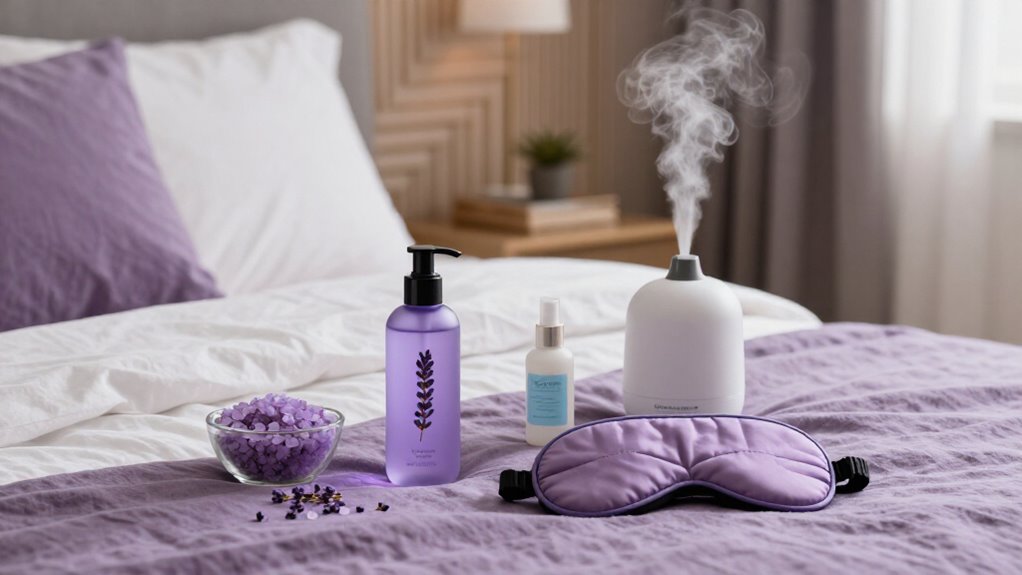
Here’s a practical Product Roundup I use to turn the “Analog Bedroom” idea into repeatable nighttime inputs—aroma, touch, minerals, and environment—without turning sleep into a scoreboard.
For aromatherapy benefits, I keep Midnight oil (attar of orange) at wrists/behind ears, plus a lavender dream mist for pillow linens and a sedative roller for targeted calming. Somatic therapy works by gently bringing awareness back to body sensations and their emotional connections, which can help you settle more easily into rest.
For sleep hygiene cues, I use a sleep patch 30–90 minutes before bed, then lock in darkness with organic linen sleep masks or blackout curtains. Strategic noise reduction materials like acoustic panels can minimize disruptive sounds that trigger micro-awakenings during the night.
I add magnesium-infused lotion (with squalane) via slow circular pressure, and finish with mineral bath salts. A premium cool mist humidifier maintains optimal moisture levels for restful nights, preventing dry air from disrupting sleep quality.
Consistency—same time nightly—matters, like Dr. Russell Foster’s light research.
“Warm LED Strip Therapy”
– Ambient sound masking from white noise machines can complement warm light therapy by further lowering cognitive arousal and sleep latency. Sound therapy machines designed specifically for sleep create soothing auditory environments that help mask disruptive noises and promote more restful sleep.
FAQ
What if Somatic Rituals Trigger Anxiety or Restlessness During Bedtime?
If somatic rituals trigger anxiety, I pause and honor that reaction. I ground with gentle mindfulness techniques, soften my breath, and practice emotional release slowly. You set personal boundaries—stop anytime, switch sensations, and keep it safe and intimate.
How Soon Should I Feel Calmer After Starting These Practices?
I had a client feel noticeably calmer within 10–20 minutes after starting calming techniques, practicing sleep consistency, and doing slow vagus-linked exhales; then, nightly progress built over a week. Expect small relief fast, deeper calm gradually.
Can Couples Share an Analog Wind-Down Routine Without Waking Each Other?
Yes—I guide couples through a shared, analog wind-down with couples’ synchronization: dim lights, quiet touch, and a slow breath cadence. We practice shared mindfulness with spoon-to-shoulder somatic cues, then sync bedtime clocks so neither of us jolts awake.
What’s the Safest Way to Practice Vagus Downshift Breathing?
The safest way is gentle, controlled breathing: inhale through your nose 4 seconds, exhale 6, for 3–5 minutes. I keep my jaw soft, sit upright, and practice mindful vagus nerve downshift together—whispered, steady, never forced.
Do Isometric Releases Help Sleep, or Could They Increase Muscle Tension?
Yes, I think isometric releases can help sleep, like a slow tide easing your waves. But done hard, isometric tension can stiffen muscle tension and keep your body guarded. I guide light holds, then deep muscle relaxation with your breath.
References
- https://redflower.com/products/bedtime-ritual-for-better-sleep-kit-1
- https://bettersleep.org/blog/unlocking-the-wisdom-of-your-body-how-somatic-therapy-transforms-stress-into-healing/
- https://kloris.co/blogs/cbd-information/science-backed-bedtime-rituals
- https://yogicbox.com/products/deep-sleep-ritual-kit
- https://www.wildcraftwellnessstudio.com/product/SleepRitualKit/38
- https://www.meadowandbark.com/products/sleep-ritual-kit
- https://www.thisworks.com/products/sleep-ritual
- https://www.etsy.com/market/bedtime_rituals
- https://www.benefitdisruptors.com/post/greatist-bedtime-routines-15-products-that-help-our-editors-sleep
- https://pmc.ncbi.nlm.nih.gov/articles/PMC12187440/