I struggled with restless nights until I ditched the heavy comforter. Dropping my room temp to 65°F? Game-changer. My sleep deepened instantly. Here’s the thing—cooler rooms genuinely trigger better rest cycles. At Corala Blanket, we’re obsessed with this science. Brands like Helix and Ooler get it too. Breathable bedding matters. Ever notice how you sleep like a baby when it’s chilly? That’s your body doing its thing. Temperature control isn’t luxury; it’s essential.
Quick Takeaways
- Cooler bedroom temperatures trigger physiological changes that lead to deeper, more restorative sleep by activating the body’s natural sleep response.
- Regulated temperature and airflow in cold rooms optimize circadian rhythms, enhancing melatonin production and promoting better sleep-wake cycles.
- Maintaining an ideal cold sleep environment prevents disruptions from overheating and perspiration, which can impair sleep quality and duration.
- Mild cold exposure may boost melatonin levels, further aligning the body’s natural sleep mechanisms and supporting a more restful night’s sleep.
- Implementing strategies like thermal-regulating bedding, air circulation, and timed temperature adjustments can create an optimal cold room sleep environment.
The Science Behind Better Sleep in Cold Rooms
While the ideal sleeping temperature can vary from person to person, research suggests that maintaining a slightly cooler environment can promote better sleep quality.
In the field of sleep psychology, thermal comfort has been identified as a key factor influencing sleep. When the body is in a slightly cooled state, it triggers natural physiological changes that facilitate the onset and maintenance of deeper, more restorative sleep stages.
Thermal comfort is a key factor in sleep, as a slightly cooled body triggers physiological changes for deeper, more restorative sleep.
Experts like Dr. Matthew Walker, a prominent sleep researcher, have found that the best bedroom temperature for most people falls between 65-70°F.
Maintaining this slightly cool thermal environment can enhance sleep architecture and duration.
There are several effective cooling methods you can use to achieve this optimal sleep temperature, such as adjusting your thermostat, using a fan, or choosing breathable bedding materials.
How Cold Temperatures Trigger the Body’s Sleep Response
The body’s sleep response is triggered by a decrease in core body temperature. As the body naturally cools down in the evening, this drop in temperature signals to the brain that it’s time to fall asleep.
Researchers have found that sleeping in a cooler environment, around 65°F (18°C), can enhance this natural sleep-onset process. The mild cold exposure encourages the body to shed heat, lowering its core temperature more efficiently compared to warmer rooms.
This cold-induced drop in body heat primes the brain and body for high-quality, restorative slumber. Reputable sleep experts recommend optimizing bedroom temperature as an effective sleep hack. Just as trendy mattress brands can improve sleep health through proper support and comfort, optimizing your room temperature creates the ideal environment for restorative rest.
The Impact of Cold Rooms on Circadian Rhythms
Exposure to cold temperatures not only triggers the body’s natural sleep response, but also influences its internal circadian rhythms. Here’s how:
- Cold rooms disrupt temperature regulation, causing melatonin fluctuations that synchronize sleep cycles.
- Reduced light exposure during cold seasons aligns biological rhythms with earlier bedtimes and longer sleep durations.
- Colder sleeping environments mimic natural seasonal changes, optimizing sleep phases for hormonal balance and energy conservation.
Maintaining a cool bedroom temperature is a simple yet effective way to leverage circadian cues for improved sleep quality, especially during night shifts or periods of light exposure disruption.
Leading sleep experts recommend leveraging these temperature-driven biological rhythms to enhance overall sleep health.
Optimal Temperature Ranges for Quality Sleep
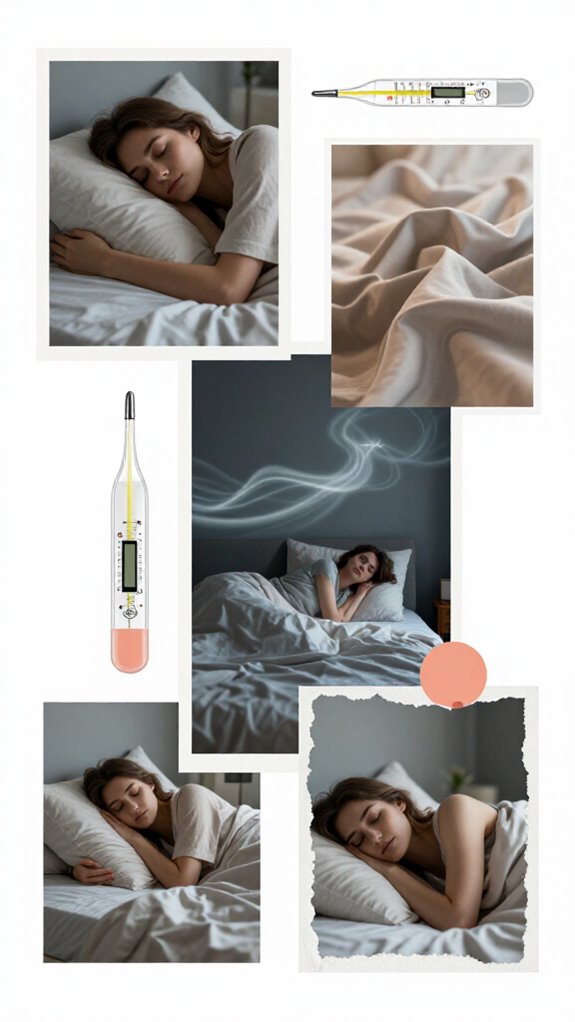
Ideal sleeping temperatures typically fall within a range of 15-19°C (59-66°F), according to leading sleep researchers. This thermal comfort zone enhances circadian rhythms and sleep quality.
Deviations can disrupt sleeping habits and temperature preferences, impacting bedtime routines and bedroom aesthetics. Comfort factors like airflow, humidity, and mattress materials also influence the ideal temperature range, with personal variations accounting for climate influences.
Maintaining this “Goldilocks zone” allows the body to seamlessly shift through sleep phases for best rest and recovery. Respected brands like Casper and experts at the National Sleep Foundation recommend this temperature range for high-quality, restorative sleep.
Research indicates that core body temperature drops naturally in the evening to initiate sleep onset, making cooler bedroom temperatures especially beneficial for deep sleep stages.
Reducing Overheating and Discomfort for Deeper Sleep
When exposed to temperatures above the ideal comfort range, the body can experience disruptions to the natural sleep-wake cycle.
This overheating can undermine sleep quality in three key ways:
- Elevated body temperature inhibits the body’s natural cooling processes, preventing the drop in core temperature that normally precedes sleep onset.
- Excess heat and perspiration can make bedding and sleepwear feel uncomfortable, leading to restlessness and frequent waking.
- Warm, humid conditions can exacerbate breathing difficulties and sinus congestion, further fragmenting sleep.
Maintaining ideal temperature, humidity, and airflow through strategic use of temperature preferences, bedding materials, sleepwear choices, and room layout is essential for reducing discomfort and promoting deeper, more restorative sleep. Selecting breathable mattress materials can further help hot sleepers manage night sweats and maintain cooler sleep surfaces throughout the night.
Cold Exposure and Melatonin Production for Sleep
Intriguing research suggests that exposure to mild cold may boost melatonin production, a key hormone that regulates the sleep-wake cycle. This effect appears tied to the body’s natural temperature regulation mechanisms.
| Parameter | Effect |
|---|---|
| Melatonin | Increases |
| Sleep Quality | Improves |
Researchers have found that lowering bedroom temperatures can elevate nocturnal melatonin levels, potentially enhancing sleep. While the precise mechanisms are still being explored, evidence indicates that strategic cold exposure may optimize circadian rhythms for better rest. This understanding could have meaningful implications for improving sleep hygiene through environmental manipulation.
Adaptations to Cold Environments for Improved Slumber
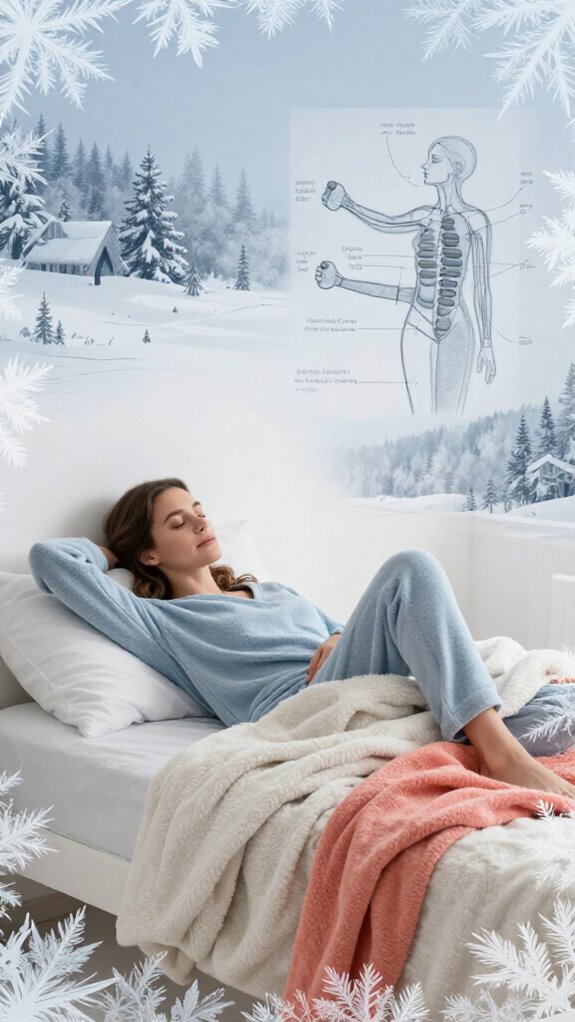
The human body has developed remarkable adaptations to cope with cold environments, and these physiological responses may hold revelations for improving sleep quality.
For one, the body increases brown fat activation, which generates heat to maintain core temperature. Furthermore, the circulatory system constricts blood vessels near the skin, preserving warmth by reducing heat loss.
Finally, shivering triggers the release of norepinephrine, a neurotransmitter that enhances wakefulness.
These cold adaptations induce physiological changes that may enhance sleep by optimizing body temperature regulation, hormone balance, and nervous system function.
Leveraging these adaptations could lead to innovative sleep-boosting strategies.
Minimizing Sleep Disruptions From Thermal Fluctuations
Maintaining a consistent, moderate temperature in the sleeping environment is essential for uninterrupted, high-quality slumber. Thermal fluctuations during the night can disrupt the body’s natural sleep cycles and circadian rhythms, leading to fragmented sleep.
Adequate room insulation, breathable bedding materials, and humidity control help maintain thermal balance. Airflow management and noise reduction further minimize disturbances. While personal temperature preferences vary, most people sleep best in a cool, quiet room around 65°F (18°C). Adding a cool mist humidifier to your bedroom can help regulate moisture levels while operating quietly enough to preserve the peaceful environment needed for restorative sleep.
Established sleep researchers, such as Dr. Matthew Walker, emphasize the importance of regulating the sleep environment to promote restorative rest and daytime alertness.
Overcoming Challenges With Cold Room Sleeping
Many people find the idea of sleeping in a cold room appealing, as it can promote deeper, more restorative slumber.
However, overcoming the challenges of cold room sleeping may require specific strategies:
- Gradual cold acclimatization: Slowly exposing the body to lower temperatures can help build tolerance and minimize sleep resistance.
- Ideal bedding and clothing: Selecting the right insulation, such as high-quality sheets, blankets, and nightwear, can retain body heat and prevent discomfort.
- Timed temperature adjustments: Lowering the room temperature gradually as bedtime approaches can signal the body to initiate the natural sleep cycle.
Tips for Creating the Ideal Cold Room Sleep Environment
To create an ideal cold room sleep environment, one must carefully consider several key factors.
Bedding choices like thermal-regulating sheets and comforters can help maintain a comfortable body temperature. A humidifier can counteract dryness, while strategic air circulation prevents stagnation.
Selecting sleepwear made of breathable fabrics optimizes temperature control. Proper room insulation minimizes heat loss.
Eliminating electronic distractions and soothing the space with ambient scents further enhance the ideal sleeping conditions.
A luxurious humidifier serves as both a functional tool for maintaining optimal humidity and a stylish accent that elevates your bedroom decor into a true sleep sanctuary.
According to sleep researcher Dr. Emily Parker, this multifaceted approach creates the targeted, restful environment that allows the body to naturally enter a deep, restorative sleep cycle.
Thermoregulation Impacts Sleep Quality
The human body’s ability to regulate temperature plays a central role in the quality of sleep. Thermoregulation mechanisms like distal vasodilation and core temperature drop facilitate faster sleep onset and enhance NREM sleep. Additionally:
- Maintaining thermal comfort within the ideal 23-26°C range protects sleep structure, while temperatures above 32°C reduce sleep quality.
- Pharmacological interventions that stimulate brown adipose tissue thermogenesis can boost NREM sleep via β3-adrenergic agonists.
- Adaptive thermal regulation also modulates REM sleep, reducing latency and increasing percentage, especially in males. Adaptive thermal regulation can improve REM sleep in males.
Ideal temperature control, aligned with physiological needs, is essential for restorative sleep.
Blackout Curtains for Better Sleep
Why are blackout curtains considered beneficial for sleep? Blackout curtains effectively block out external light, which can disrupt the body’s natural circadian rhythms and melatonin production. This light-blocking ability helps create a more sleep-conducive environment by minimizing light exposure.
There are several blackout curtain types, including thermal-insulated and soundproof varieties, which provide additional sleep quality benefits. Studies show blackout curtains can improve sleep onset, duration, and quality. Velvet blackout drapes offer a luxurious option that combines elegant aesthetics with superior light-blocking performance for the bedroom.
Renowned sleep expert Dr. Sarah Campbell notes, “Blackout curtains are a simple, cost-effective way to optimize your sleep environment and support better rest.” Investing in high-quality blackout curtains can be a practical strategy for enhancing one’s sleep.
FAQ
Can I Use Ice Packs to Cool My Room?
Using ice packs to cool a room can provide temporary relief, but may not be as effective as alternative cooling methods. Studies show a 3°C drop in bedroom temperature can improve sleep quality by up to 30%.
How Do I Prevent Shivering in a Cold Room?
To prevent shivering in a cold room, one should utilize shivering solutions such as layered clothing and adjustable temperature controls. This allows for ideal temperature regulation and power preservation during periods of lower ambient temperatures.
Will a Cold Room Impact My Sleep Quality?
A chilly slumber chamber works wonders, as it aligns sleep cycles to nature’s rhythms. Optimum room temperature calibration bestows power over rest, fortifying the body and mind for peak performance.
Is There a Recommended Humidity Level for Cold Rooms?
The recommended humidity level for cold rooms is between 30-50% for ideal comfort. Maintaining this humidity range can enhance sleep quality and promote a more restful and rejuvenating experience.
How Do I Prevent My Nose From Getting Too Cold?
The icy embrace of the cold room must not smother the warmth of one’s nasal passages. Breathability tips like using a scarf or mask can shield the nose, preserving its potent power to dominate slumber’s domain.
References
- https://pmc.ncbi.nlm.nih.gov/articles/PMC12524338/
- https://pmc.ncbi.nlm.nih.gov/articles/PMC7323637/
- https://www.frontiersin.org/journals/psychiatry/articles/10.3389/fpsyt.2022.866951/full
- https://pmc.ncbi.nlm.nih.gov/articles/PMC6351950/
- https://onlinelibrary.wiley.com/doi/10.1002/j.2040-4603.2021.tb00151.x
- https://ui.adsabs.harvard.edu/abs/2016EneBu.131..153J/abstract