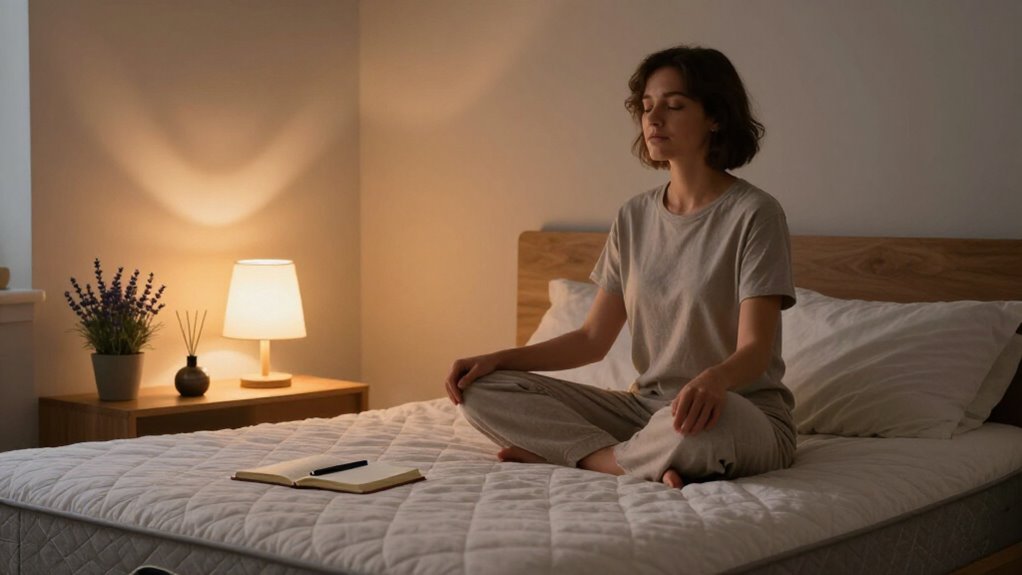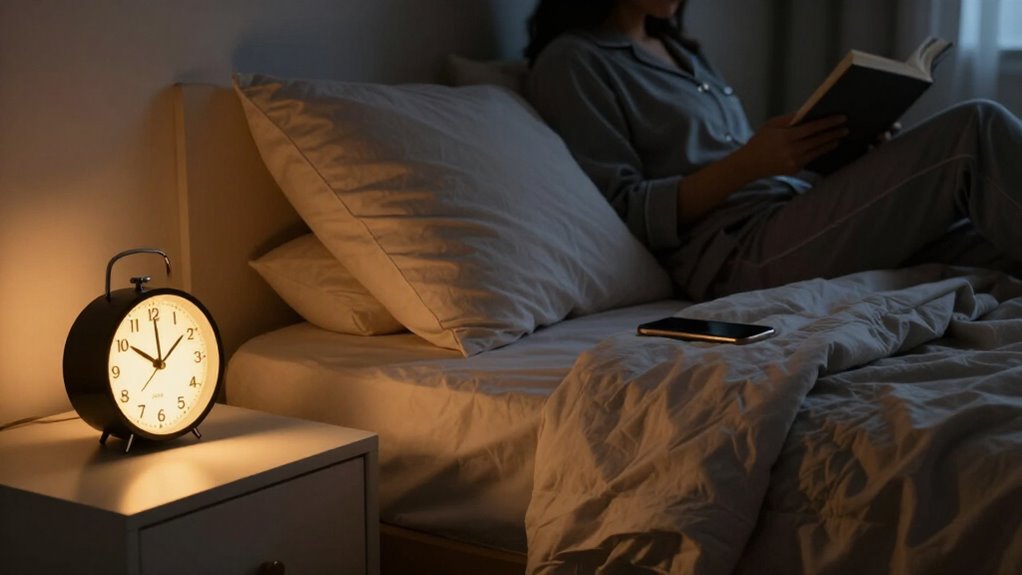
I used to doom-scroll until midnight, totally wrecking my sleep. Then I ditched screens two hours before bed—game changer. That blue light was killing my melatonin, messing with my circadian rhythm something fierce. Now? I’m pairing screen-free nights with a weighted blanket from Corala Blanket, and honestly, my sleep’s never been better. We at Corala Blanket are legit invested in your rest. Ever noticed how your phone’s glow keeps you wired? Try nixing it.
Quick Takeaways
- Stop using screens at least 1-2 hours before your desired bedtime for optimal sleep quality and duration.
- Use blue light filtering modes or install blue light blocking apps on your devices to minimize sleep disruption when using screens closer to bedtime.
- Establish a consistent pre-bed routine that gradually limits screen usage and transitions to screen-free relaxation activities like reading or journaling.
- Avoid charging devices in the bedroom to prevent late-night temptation to use them, which can negatively impact sleep quality.
- Persistent sleep issues or excessive daytime fatigue despite adequate time in bed may indicate the need to seek professional medical advice to address underlying causes.
What Is Blue Light and How Does It Affect Sleep?
Blue light is a specific wavelength of the visible light spectrum that can impact human sleep patterns. Many common blue light sources, such as smartphone, computer, and television screens, emit significant amounts of blue light.
This blue light exposure can disrupt the body’s natural circadian rhythms by suppressing the production of melatonin, a hormone critical for regulating the sleep-wake cycle.
Studies show that limiting screen time and blue light exposure in the hours before bedtime can improve sleep quality and duration. Following evidence-based screen curfew guidelines can optimize rest and daytime energy levels. Research indicates that excessive screen time before bed is one of the leading causes of sleep disruption in modern society.
How Long Before Bed Should You Stop Using Screens?
Ideally, individuals should cease using electronic screens several hours before their intended bedtime. Research indicates that screen time in the hours leading up to sleep can disrupt normal circadian rhythms and melatonin production, making it more difficult to fall asleep.
According to sleep experts, stopping screen use at least 1-2 hours before bed is recommended for ideal sleep hygiene and quality. This allows the brain to naturally shift into a restful state.
Establishing a consistent pre-bed routine that avoids screens promotes better sleep outcomes. Following these guidelines can help improve overall sleep health and daytime energy levels. For those who must use screens closer to bedtime, wearing blue light blockers can help minimize disruption to melatonin production and support a trendy nighttime routine aesthetic.
Tips for Reducing Screen Time in the Evening
Although some individuals may find it tempting to continue using electronic devices up until bedtime, sleep experts recommend implementing various strategies to gradually reduce screen time in the evening hours.
- Establish a consistent evening routine that limits screen usage as bedtime approaches.
- Engage in screen-free activities, such as reading physical books, journaling, or practicing relaxation techniques. Create a dedicated cozy reading nook in your home to make offline relaxation more inviting.
- Utilize night mode or blue light filters on devices to minimize the impact on melatonin production.
- Charge devices outside the bedroom to avoid the temptation of late-night screen time.
Sleep Hygiene Habits to Try Instead of Screens

Establishing healthy sleep hygiene habits can serve as an effective alternative to relying on electronic devices before bed. Mindful reading of a physical book or listening to calming music can help prepare the body and mind for sleep. Using soft bedroom lighting in the evening hours supports the body’s natural transition toward rest and enhances sleep quality.
Research by sleep experts like Dr. Matthew Walker shows that exposure to blue light from screens disrupts the body’s natural circadian rhythms, hindering the release of melatonin.
Incorporating relaxing pre-bed routines, such as light stretching or meditation, can further promote high-quality rest without the distraction of screens. These practices guarantee the mind is calm and focused on sleep, not stimulating content.
Recognizing Signs of Excessive Night-Time Screen Use
What are some of the tell-tale signs that an individual may be engaging in excessive nighttime screen use?
Individuals may experience:
- Difficulty falling or staying asleep due to disrupted sleep cues and circadian rhythms
- Persistent fatigue, despite adequate time in bed, indicating poor sleep quality
- Inability to wind down or relax in the evenings due to overstimulation from digital devices
- Reliance on screens as a primary nighttime routine rather than healthy relaxation techniques
These signs suggest the need for a digital detox and incorporation of more mindful evening activities to support effective nighttime routines and restful sleep.
When to Seek Medical Advice for Sleep Issues
For individuals experiencing persistent sleep issues or signs of excessive nighttime screen use, seeking medical advice from a healthcare professional can be a prudent next step.
Sleep disorders, such as insomnia or sleep apnea, may require evaluation and treatment by medical professionals. Consulting a doctor can help identify underlying causes and recommend appropriate interventions, which may include adjusting sleep hygiene, using light therapy, or prescribing medication.
The American Academy of Sleep Medicine and licensed sleep specialists can provide authoritative guidance on managing chronic sleep problems. Addressing sleep issues promptly can improve overall health and quality of life. Prolonged screen time before bed can exacerbate sleep deprivation anxiety, creating a cycle that worsens both sleep quality and mental health over time.
Blue Light Exposure Disrupts Circadian Rhythm
The sensitivity of the human circadian system to blue light wavelengths is well-established. Research demonstrates:
- Blue light at 480nm strongly activates melanopsin-containing retinal ganglion cells, suppressing melatonin and delaying circadian rhythms.
- Violet light at 424nm produces even greater melatonin suppression and circadian phase shifts compared to standard blue at 460nm.
- Evening blue light exposure causes average 1.1-hour circadian delays and 30-minute REM sleep onset delays in studies.
- Adolescents exhibit heightened sensitivity to blue light, exacerbating the circadian disruption from late-night electronic device use.
Mitigating blue light exposure through screen-time management and blue light-blocking technologies can help maintain healthy sleep-wake cycles. Evening screen time disrupts the natural release of sleep hormones like melatonin, making it harder to fall asleep.
Melatonin Supplements for Natural Sleep
Melatonin, a naturally occurring hormone produced by the pineal gland, plays an essential role in regulating the body’s sleep-wake cycle.
Melatonin supplements can help improve sleep quality and duration when taken as directed. The ideal melatonin dosage for natural sleep varies, but generally ranges from 0.5 to 5 milligrams 30 minutes before bedtime.
Melatonin supplements can improve sleep quality and duration when taken 30 minutes before bed, in doses ranging from 0.5 to 5 milligrams.
Researchers recommend trying natural remedies like melatonin before resorting to prescription sleep aids.
Melatonin is considered safe for most adults, but individuals should consult their healthcare provider, especially if taking medications or have underlying conditions.
Proper melatonin use can support the body’s circadian rhythms for better, more restful sleep.
Adequate melatonin production helps prevent sleep deprivation effects that can compromise immune function over time.
FAQ
How Do I Manage Screen Time for Children?
Establish screen time limits for children and encourage digital detox activities before bedtime to guarantee healthy sleep patterns and balanced technology use. Prioritize family time and unplugged hobbies for ideal child development.
What Are the Health Benefits of Reducing Screen Time?
Reducing screen time before bed can improve sleep quality by up to 21%, and boost mental health by 15%. Power comes from self-discipline and prioritizing physical and psychological wellbeing.
How Can I Create a Relaxing Bedtime Routine?
To create a relaxing bedtime routine, incorporate mindfulness practices like meditation and guarantee a calming environment with low lighting and soothing sounds. This enables the mind and body to unwind, preparing for restorative sleep.
Are There Any Alternative Activities to Replace Screen Time?
Replacing screen time with book reading, puzzle solving, journaling thoughts, and meditation exercises can be a soothing balm to the soul, empowering the individual to reclaim their time and cultivate a tranquil bedtime routine.
How Can I Monitor My Family’s Digital Device Usage?
To monitor family digital device usage, leverage digital wellness tools that establish device boundaries and enable oversight of screen time across devices, empowering parents to promote healthy digital habits.
References
- https://pmc.ncbi.nlm.nih.gov/articles/PMC7065627/
- https://www.tandfonline.com/doi/full/10.1080/07420528.2018.1527773
- https://www.chronobiologyinmedicine.org/journal/view.php?number=167&viewtype=pubreader
- https://aastweb.org/shedding-light-on-blue-light-and-sleep/
- https://www.cdc.gov/niosh/work-hour-training-for-nurses/longhours/mod2/20.html
- https://www.health.harvard.edu/healthy-aging-and-longevity/blue-light-has-a-dark-side
- https://www.sbm.org/healthy-living/blue-in-the-face-the-effects-of-blue-light-on-sleep
- https://www.aoa.org/news/clinical-eye-care/health-and-wellness/amber-tinted-lenses-and-blue-light
- https://pmc.ncbi.nlm.nih.gov/articles/PMC9424753/