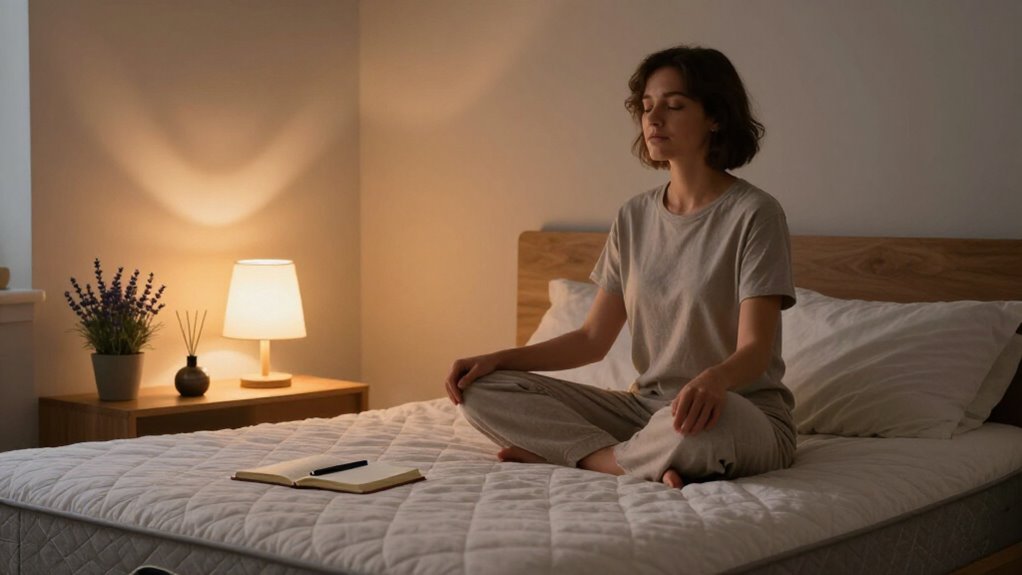
I used to be a total zombie during afternoons—my eyes would droop by 3 PM like clockwork. Then I discovered power naps, and honestly? Game-changer.
A quick 20-minute snooze combined with caffeine beforehand gives me this incredible second wind. No grogginess, just pure energy. I’m talking legendary productivity vibes.
Here’s what actually works: timing matters big time. Napping in the afternoon aligns with your body’s natural dip, so you’re not fighting against bedtime later. Pretty genius, right?
We at Corala Blanket understand this struggle—we’re all about creating those perfect nap conditions. Combined with quality bedding from brands like Purple or Brooklinen, you’re setting yourself up for success.
The sweet spot? 10-30 minutes. Nothing longer. Keep it consistent too. That routine signals your body it’s legit rest, not laziness.
Want deeper sleep at night? Master the nap first.
Quick Takeaways
- Maintain an optimal nap duration of 10-30 minutes to avoid sleep inertia and boost alertness without interfering with nighttime sleep.
- Time naps during the afternoon hours (1 pm to 3 pm) to align with natural energy dips and enhance nighttime rest.
- Incorporate caffeine-infused power naps by consuming caffeine immediately before a 20-minute nap for a substantial short-term energy boost.
- Establish a consistent bedtime routine and create a comfortable sleep environment to support quality nighttime sleep.
- Incorporate sleep-promoting supplements, such as melatonin and magnesium, and incorporate sleep-friendly foods to complement your napping habits.
Understanding the Science Behind Napping and Sleep Cycles
Although many people think of napping as an indulgence, the science behind this sleep behavior reveals its important role in regulating the body’s natural circadian rhythms.
Napping offers numerous benefits, including sleep enhancement, restorative effects, and cognitive improvement. Studies show that short naps can improve energy restoration, stress reduction, and mood enhancement.
The physiological mechanisms involve changes in sleep architecture, with naps promoting memory consolidation and allowing the brain to recharge. Researchers like Dr. Sara Mednick have investigated the ideal nap duration for maximizing these benefits, underscoring napping’s value in overall sleep health and performance. Following an optimal nap schedule can significantly increase the amount of deep sleep you achieve at night.
Determining the Optimal Nap Duration for Better Nighttime Sleep
How much time should one spend napping to reap the maximum benefits for better nighttime sleep? Studies suggest that the ideal nap duration for improved sleep quality and quantity ranges from 10-30 minutes.
This “power nap” window allows for the completion of a full sleep cycle, boosting alertness and cognition without leaving one feeling groggy.
Longer naps over 30 minutes may result in sleep inertia, disrupting the body’s circadian rhythms and undermining nap effectiveness.
Identifying the Best Time of Day for Napping
When it comes to the ideal time of day for napping, research suggests that the afternoon hours often provide the greatest benefits.
The body’s circadian rhythm typically experiences a natural dip in energy levels in the midafternoon, making this an advantageous window for a short, restorative rest.
According to sleep experts at Stanford University, the ideal nap times are generally between 1 pm and 3 pm, when the afternoon energy slump hits.
Napping during this advantageous window can help restore alertness, improve cognitive performance, and support healthy nighttime sleep patterns.
Proper nap timing is a key component of effective napping habits.
The best time to nap depends on individual sleep schedules and chronotype, but most people find early afternoon timing prevents interference with nighttime rest.
Harnessing the Power of Caffeine-Fueled Power Naps

Alternatively, individuals seeking a more potent daytime boost may find benefits in “caffeine-fueled power naps.” This technique involves consuming a small amount of caffeine, such as a cup of coffee or tea, immediately before taking a brief 20-minute nap. The caffeine takes about 20 minutes to take effect, which aligns perfectly with the length of the nap, resulting in an energizing awakening.
| Caffeine Timing | Energy Boost |
|---|---|
| 0 minutes | Negligible |
| 20 minutes | Ideal |
| 40 minutes | Diminishing |
Research suggests this approach can provide a more substantial short-term energy increase compared to napping or caffeine consumption alone, making it a potentially powerful tool for those seeking a midday productivity boost.
Developing a Consistent Nap Routine
Establishing a consistent nap routine can yield significant benefits for overall sleep quality and daytime alertness.
Research suggests a preferable nap frequency of 1-2 short naps per day, each lasting 20-30 minutes. The ideal nap environment should be cool, dark, and quiet to facilitate rapid entry into light sleep stages.
Companies like Casper and Nap York provide specialized nap pods and quiet rooms to support employee productivity and wellbeing.
Avoiding Napping Too Late in the Day
Why do sleep experts recommend avoiding napping too late in the day? Taking long or late afternoon naps can disrupt the body’s circadian rhythms and sleep-wake cycle, negatively impacting post-nap productivity and afternoon energy levels.
According to Dr. Michael Twery of the National Sleep Foundation, napping within 6 hours of bedtime may make it harder to fall asleep at night. Experts suggest limiting naps to 30 minutes or less, and avoiding daytime sleep after 2-3 pm.
This allows the body to maintain a stable sleep-wake pattern for better nighttime rest and daytime alertness.
Following a consistent sleep schedule each day helps anchor your circadian clock and makes it easier to resist late-day naps that could interfere with nighttime sleep.
Managing Nap-Related Grogginess and Sleep Inertia

When someone wakes up from a nap, they may experience a temporary period of grogginess and disorientation known as “sleep inertia.” This is a normal physiological response that occurs as the brain shifts from a sleep state to wakefulness.
To manage this, experts recommend creating a nap environment conducive to quality rest, such as a dark, quiet, and cool space. Applying principles of sleep-friendly bedroom layout can help optimize your napping environment for minimal disruptions.
Power nap strategies, like limiting naps to 20-30 minutes, can also minimize sleep inertia.
Recovery naps, taken after a period of sleep deprivation, may lead to more significant grogginess but provide restorative benefits.
Prioritizing Relaxation Over Strict Napping Rules
While a structured nap routine can help manage sleep inertia, it’s also important to prioritize the overall relaxation and comfort of the napping experience.
Mindful relaxation techniques, like breathing exercises and intention setting, can make nap environments more conducive to restorative rest.
Research shows that reducing stress through the power of pauses and comfort factors, such as temperature and light, enhances the quality of short daytime slumbers.
Applying calming techniques during your pre-nap routine can help quiet a racing mind and ease the transition into sleep.
Combining Napping With Other Healthy Sleep Habits
| Nap Benefits | Lifestyle Adjustments | Outcomes |
|---|---|---|
| Energy boost | Regular bedtime and wake-up schedule | Increased focus and performance |
| Stress reduction | Limiting caffeine and screen time before bed | Enhanced wellbeing and work-life balance |
| Mood enhancement | Engaging in relaxing pre-bed activities | Higher quality nighttime sleep |
Experts recommend experimenting with napping duration and timing to determine the ideal strategy for individual needs and constraints. Incorporating napping into a holistic sleep hygiene plan can yield transformative results. To unwind after a stressful day, consider pairing your nap with calming evening rituals like gentle stretching or reading.
Circadian Rhythm Regulation
Our circadian rhythms are the intrinsic 24-hour cycles that regulate critical physiological processes, including sleep-wake patterns. These internal clocks are synchronized by environmental circadian cues, such as light exposure.
Disruptions to this natural rhythm can lead to sleep disturbances and other health issues. Maintaining consistent sleep phases by adhering to a regular sleep schedule, minimizing light exposure before bedtime, and optimizing daytime activity levels can help entrain the circadian system.
Researchers have found that napping can complement these strategies by supporting the body’s natural sleep-wake cycles. Strategically incorporating naps can enhance overall sleep quality and quantity for better nighttime rest.
Sleep-Promoting Supplements
In addition to regulating the body’s natural sleep-wake cycles, certain supplements may also promote better sleep quality and quantity. Melatonin supplements, for instance, can help induce sleep onset and enhance sleep duration.
Magnesium benefits include reducing sleep disturbances, while herbal remedies like valerian root and passionflower tea possess calming properties.
Vitamin D deficiency has been linked to poor sleep, so ensuring adequate levels may be beneficial.
Maintaining good sleep hygiene, such as establishing a consistent bedtime routine and using adaptive lighting, can also synergize with these supplements to reduce stress and improve overall sleep.
Foods to eat before bed can complement these supplements by providing natural sources of sleep-promoting nutrients like tryptophan and magnesium.
FAQ
Should I Nap With or Without Socks On?
Wearing socks during a midday siesta helps regulate body temperature, enveloping the feet in a cozy embrace. This small comfort provides the power to release a more restorative nap and better nighttime sleep.
Is It Better to Nap on the Couch or in Bed?
Napping on the bed is superior, as it provides maximal napping benefits and ideal duration. The reclined posture and comfort of a bed enhances the quality and restorative effects of the nap.
Can I Nap While Listening to Music?
Listening to music during a nap can be beneficial, provided the selection is calming and the duration does not exceed 30 minutes. This strategy can enhance the restorative effects of the nap.
How Do I Prevent Drooling During My Nap?
Tilt the head slightly to one side, and position a small towel or handkerchief beneath the cheek to catch any errant drool during the nap. Employing this simple drooling prevention technique guarantees a clean, comfortable napping experience.
Should I Set an Alarm for My Nap or Let It Happen Naturally?
Setting an alarm for the nap is prudent, as it optimizes the duration and timing for maximum rejuvenation. Allowing the nap to occur naturally risks disruption to the circadian rhythm and suboptimal nighttime sleep.