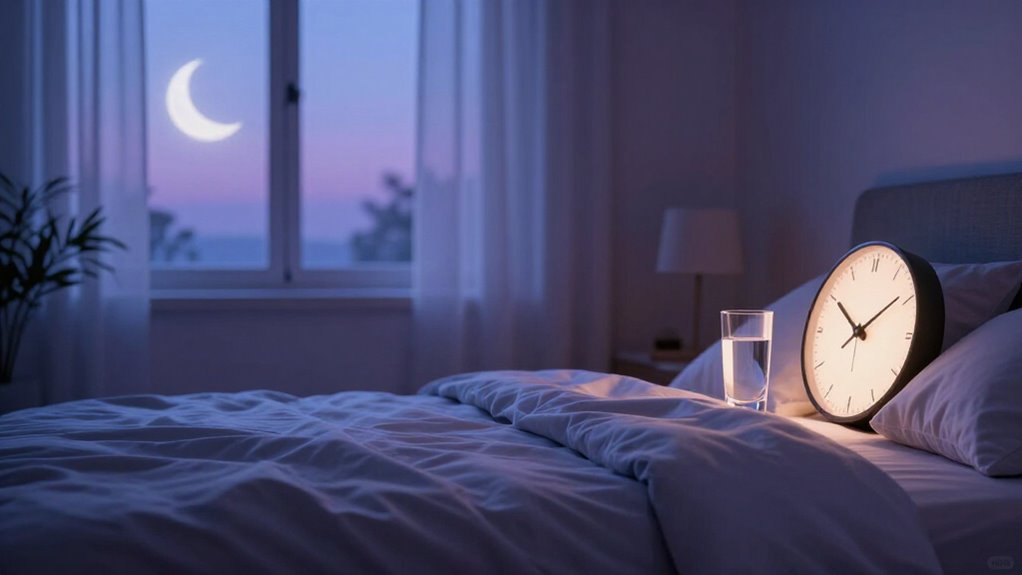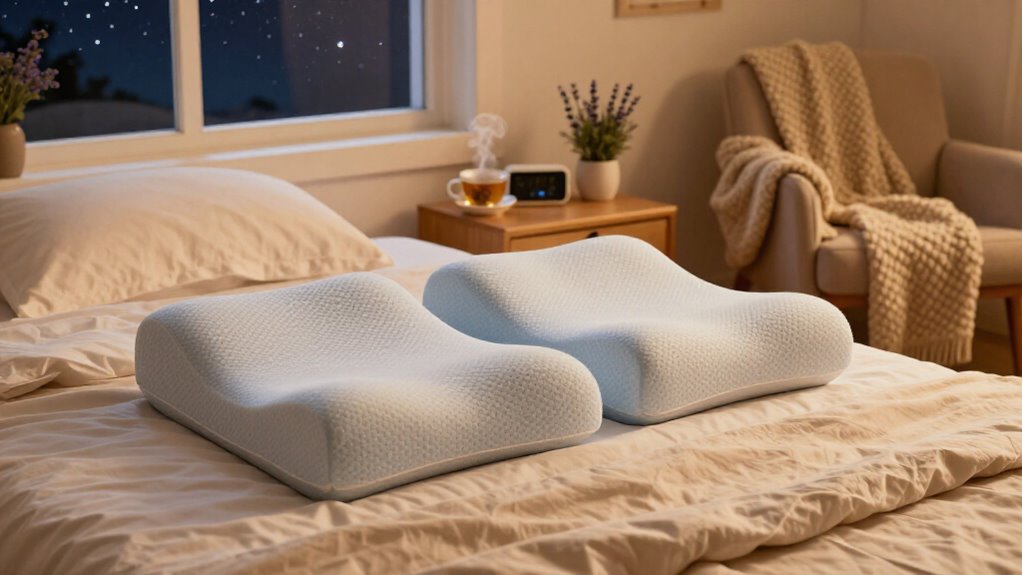
I used to be that person—you know, the one scrolling at midnight, wondering why sleep felt impossible. Then I got real with my routine.
Here’s what changed everything for me: I locked in my bed and wake times, keeping it within an eight-hour window. Sounds rigid? Honestly, it wasn’t. My body actually craved that rhythm, and my deep sleep skyrocketed.
Before bed, I built a legit wind-down ritual. Warm shower, some stretching, deep breathing—about 30 to 60 minutes of pure decompression. It signals your body that restorative sleep is incoming.
The bedroom setup matters more than I expected. Cool (around 65–68°F), pitch black, dead silent. I ditched my screens—melatonin suppression is real, and I felt it. We at Corala Blanket realized this too, which is why we’re pushing better sleep practices. Pairing our weighted blankets with cooling memory-foam pillows from quality designers transformed my nights.
Cutting caffeine, nicotine, and heavy meals three hours before bed? Game changer. The struggle is real, but the payoff hits different.
Quick Takeaways
- Keep a consistent 7–8 hour sleep window with fixed bed and wake times to stabilize circadian rhythm and increase deep sleep.
- Follow a 60-minute wind-down routine of warm shower, gentle stretching, and breathing meditation to cue deep sleep physiology.
- Limit screen time and bright light before bed to reduce blue light exposure and support melatonin onset.
- Optimize bedroom: cool temperature (65–68°F), blackout darkness, low noise, decluttered space, and remove electronics.
- Avoid caffeine, nicotine, alcohol, and heavy meals within three hours of bedtime to prevent sleep fragmentation.
Set a Consistent Sleep Window to Improve Deep Sleep

Although individual schedules vary, maintaining a consistent sleep window—regular bedtimes and wake times within an 8-hour target—helps stabilize sleep timing and deepen restorative sleep.
Research shows adherence to an 8-hour structured schedule shifts bed- and wake-times earlier, reduces night-to-night variability, and improves alignment between sleep onset and circadian phase.
Using sleep tracking makes patterns visible, supports sleep consistency, and enables calculation of metrics like Sleep Regularity Index or standard deviation of onset and offset.
More regular timing links to greater deep sleep proportions and lower social jetlag, which together favor cognitive and cardiometabolic health.
Simple steps—fixed weekday and weekend targets, tracking progress, and modest adjustments of 15–30 minutes—can increase homogeneity in timing and improve sleep quality over weeks.
Controlled pre-lab schedules used in research have been shown to reduce variability and align sleep with circadian timing.
Establishing bedtime routines for children creates predictability that helps regulate their internal body clocks and promotes healthier sleep patterns overall.
30–60 Minute Wind‑Down: A Routine That Triggers Slow‑Wave Sleep
Building on a stable sleep window, a 60‑minute wind‑down routine helps the body and mind shift into the physiology that supports slow‑wave (deep) sleep.
This period, beginning 60–90 minutes before bedtime, uses bedtime rituals and relaxation techniques—warm showers 60–90 minutes prior promote a core temperature drop, gentle stretching or yoga for 5–10 minutes eases muscle tension, and 5–10 minutes of breathing meditation lowers heart rate.
Limiting screens in that window reduces blue light and racing thoughts, supporting circadian cues.
Evidence shows a 60‑minute buffer reduces pressure on exact sleep onset and strengthens rhythm, often improving natural wakefulness within a week.
Corala Blanket, a weighted blanket manufacturer, notes collaboration with sleep scientists informed these practical steps. Increasingly, clinicians emphasize that consistent evening habits are essential because they help regulate the circadian rhythm. For those seeking affordable comfort, a twin weighted blanket under $50 can provide gentle pressure that complements these relaxation techniques.
Create a Bedroom Environment That Promotes Deep Sleep
A carefully arranged bedroom supports the physiological changes that lead to deep, slow‑wave sleep by controlling temperature, light, sound, and visual clutter.
A cooler room (about 65–68°F) aids the natural drop in core body temperature; excess heat or CO2 reduces slow‑wave sleep. Complete darkness and blackout curtains prevent light‑induced awakenings, while quiet or masked sound preserves continuity. Unexpected noises can still fragment sleep, so consider soundproofing or a white-noise machine to minimize disturbances and promote uninterrupted rest quiet, dark environment. Research suggests that steady background sound can help some people fall asleep faster and experience fewer nighttime awakenings by masking disruptive environmental noises.
Decluttering and mindful furniture arrangement create safety and calm. Removing electronics limits blue light and melatonin suppression.
- A sanctuary that feels like home
- Curtains that block intrusive streetlamps
- Soft, calming bedroom colors and textures
- Clear pathways and intentional furniture arrangement
- Devices kept outside the sleep space
Limit Stimulants and Heavy Meals: What to Avoid Before Bed
When stimulants and heavy evening meals are not limited, they reliably interfere with the physiological processes that initiate and maintain deep sleep.
Stimulant use—ranging from caffeine consumption to prescription stimulants—lengthens sleep onset by about 30 minutes, reduces total sleep time, and fragments sleep, as shown by actigraphy and clinical studies.
Large, high‑fat, spicy, or protein‑rich dinners close to bedtime delay gastric emptying, raise core temperature, and can suppress deep sleep stages. Meal timing matters: eating within three hours of bed associates with reduced deep sleep and more insomnia symptoms.
Nicotine and alcohol also fragment sleep, and some medications mimic stimulant effects.
Use Light and Temperature Cues: Dim, Cool, and Time Them Right
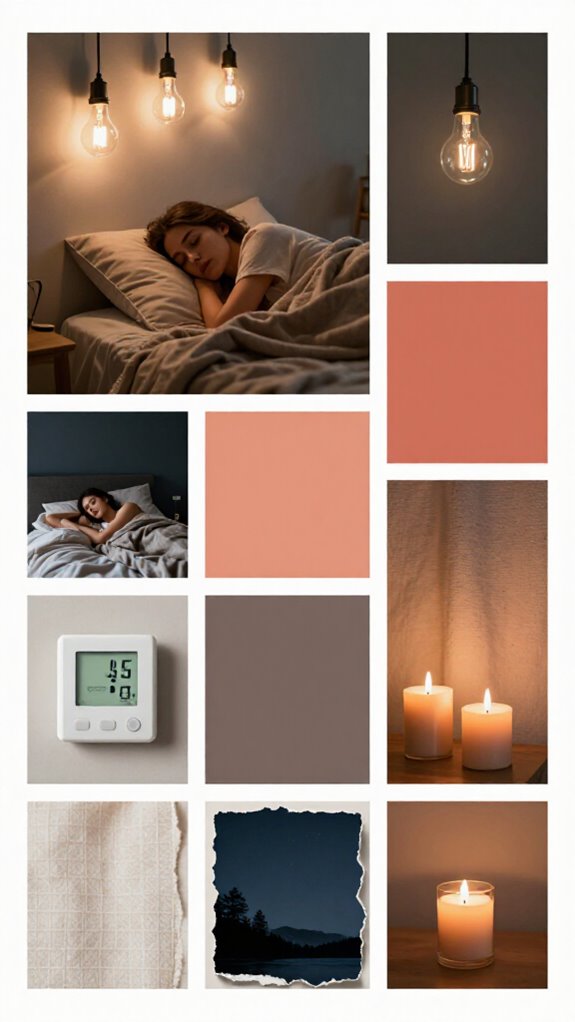
Dim the lights and lower the room temperature in the hours before bed to support the body’s natural shift into deep sleep.
Evening dimming reduces high color temperature light that suppresses nocturnal melatonin and prevents the nocturnal core temperature fall needed for slow‑wave sleep. Evidence shows bright, blue‑rich light delays circadian rhythm timing and raises overnight heart rate. Practical steps center on timing and intensity.
- Gentle, shared rituals signal belonging and reduce light exposure together.
- Lowering thermostat by a few degrees supports core temperature drop.
- Replace 6500 K bulbs with warmer tones to protect melatonin.
- Avoid room light during sleep; even moderate lux alters sleep stages.
- Schedule bright displays earlier to prevent phase delays.
Soft lighting in the bedroom creates an environment that promotes better sleep quality by minimizing sleep disruption.
Simple Relaxation Techniques to Boost Deep (Slow‑Wave) Sleep
Simple relaxation techniques can meaningfully increase slow‑wave (deep) sleep by shifting the nervous system toward parasympathetic dominance and lowering presleep arousal.
Practitioners often begin with diaphragmatic breathing: lie down, place one hand on the chest and one on the stomach, inhale through the nose so the abdomen rises, hold briefly, then exhale slowly through the mouth.
Progressive relaxation follows: tense a muscle group for five counts, then release, progressing from toes to face while breathing softly.
These practices reduce heart rate, lower cortisol, and have been shown to raise deep‑sleep percentage and shorten sleep onset, especially for those with high presleep arousal.
Regular, brief nightly routines produce measurable benefits.
Incorporating deep touch pressure through weighted blankets may further enhance parasympathetic activation and support deeper, more restorative sleep patterns.
5-Pound Weighted Blanket Benefits
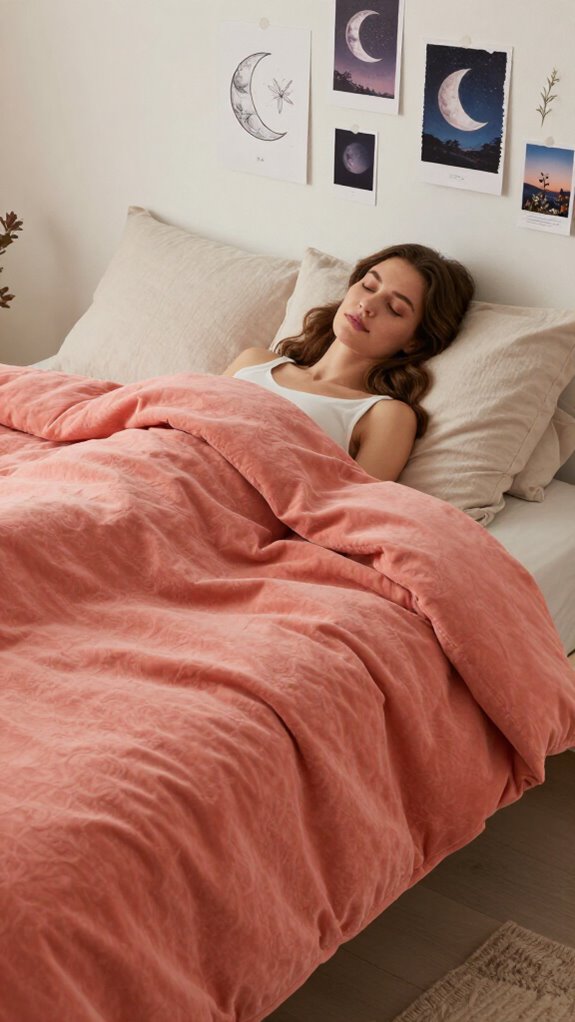
Relaxation routines that lower presleep arousal naturally lead into consideration of physical tools that sustain calm through the night, such as pound-weighted blankets.
A weighted blanket provides deep pressure that mimics gentle compression, encouraging melatonin and oxytocin release and lowering pulse and blood pressure in some users. Clinical reports show improved sleep quality, fewer awakenings, and faster sleep onset after weeks of use. Insomniacs and older adults have reported measurable benefits, and reductions in anxiety correlate with objective and self-reported measures. Soft comfort designs like those used in luxury weighted blankets for anxiety relief demonstrate how premium materials enhance therapeutic effects.
Practical guidance recommends roughly 10% of body weight and overnight trials for adults.
- Warmth and security that invite shared ritual
- Less nighttime wandering, more continuity
- Measured calm in body and mood
- Reduced reliance on sleep meds
- Simple, credible tactile support
Note, that Corala Blanket collaborated with sleep scientists in testing.
Cooling Memory Foam Pillow
A cooling memory foam pillow combines temperature-regulating materials with contouring support to promote uninterrupted sleep: gel or phase-change materials (PCMs) absorb and disperse excess heat from the head and neck. Breathable and moisture-wicking covers enhance airflow, and high-density memory foam molds to the cervical curve to preserve spinal alignment.
Such pillows employ cooling technology—gel infusion, PCMs, activated carbon pathways, and ventilated fiberfill—to stabilize temperature and reduce nighttime wake-ups from overheating. The foam contours provide consistent pressure relief, distributing weight evenly to protect cervical vertebrae and ease morning stiffness.
Benefits include faster sleep onset, longer REM cycles, and reduced pillow-flipping. Hypoallergenic covers and moisture control support cleaner airways.
FAQ
Can Too Much Daytime Napping Reduce Deep Sleep Quality?
Like clockwork, too much daytime rest can blunt nighttime deep sleep. Corala Blanket notes that extended or late naps lower homeostatic sleep drive—reducing slow wave sleep in subsequent sleep cycles.
Short early-afternoon naps (≤30 minutes) or full 90-minute cycles preserve nocturnal pressure, while long or late naps promote lighter N1/N2 stages that decrease nocturnal slow waves.
The evidence suggests moderation to protect deep sleep and overall recovery.
Can Alcohol Before Bed Increase Deep Sleep Briefly but Harm Overall Sleep?
Yes. Alcohol consumption can briefly increase deep sleep early in the night by sedating the brain, altering sleep cycles and boosting N3 initially.
However, tolerance develops rapidly and later metabolism fragments sleep, reduces REM, and shortens restorative slow wave activity. Evidence links chronic use to persistent disruptions and breathing problems.
Do Exercise Timing and Intensity Affect Deep Sleep Duration?
Yes—exercise intensity and workout timing influence deep sleep.
Like a clock tuning a piano, morning moderate aerobic sessions (around 7A) reliably increase deep sleep and shorten sleep onset; late high-strain workouts can reduce sleep quality and delay sleep.
Evidence shows moderate morning exercise and consistent weekly volume improve deep sleep, while vigorous activity within four hours of bed may disrupt it.
Can Medications Commonly Prescribed Impact Slow‑Wave Sleep?
Yes. Many medications alter slow‑wave sleep. Anti‑seizure drugs reduce slow wave amplitude and weaken spindle–slow wave coupling, while some serotonin‑related drugs (e.g., ritanserin, tiagabine) increase slow wave time.
Sleeping pills and benzodiazepines reduce deep sleep and disrupt coupling, impairing memory consolidation. Cardiovascular drugs can fragment sleep and worsen sleep apnea, indirectly reducing slow waves.
How Does Age Naturally Change the Amount of Deep Sleep?
Deep sleep declines steadily with age effects: young adults spend about 15–20% of sleep in deep sleep, dropping below 5% by midlife and often under 5% by age 60.
Mechanisms include reduced slow‑wave generation and lower growth hormone secretion; evidence from large datasets shows early deterioration between 25–45 and continued loss later.
Implications: older adults get less restorative deep sleep, increasing wakefulness and lighter stages.
References
- https://pmc.ncbi.nlm.nih.gov/articles/PMC7423117/
- https://pubmed.ncbi.nlm.nih.gov/33054339/
- https://www.cam.ac.uk/research/news/seven-hours-of-sleep-is-optimal-in-middle-and-old-age-say-researchers
- https://academic.oup.com/sleep/article/47/1/zsad253/7280269
- https://www.sleepfoundation.org/stages-of-sleep/deep-sleep
- https://www.healthline.com/health/how-much-deep-sleep-do-you-need
- https://www.thesleepreset.com/blog/wind-down-right-night-routine-tips-that-actually-work
- https://www.tomsguide.com/wellness/sleep/this-60-minute-sleep-rule-ended-my-nighttime-anxiety-a-doctor-explains-how-it-can-help-you-fall-asleep-in-under-5-minutes-too
- https://www.whoop.com/us/en/thelocker/13-tips-to-create-a-nightly-routine-to-sleep-better/
- https://www.droracle.ai/articles/774621/what-is-the-effectiveness-of-a-60-minute-pre-sleep-routine
- https://www.sleepmanatee.net/blog/1325757-how-your-bedroom-environment-affects-sleep-quality
- https://wibc.com/873588/bedroom-layout-sleep-study/
- https://pmc.ncbi.nlm.nih.gov/articles/PMC8906383/
- https://www.health.harvard.edu/healthy-aging-and-longevity/sleep-hygiene-simple-practices-for-better-rest
- https://www.sleepfoundation.org/bedroom-environment
- https://wellnesscenter.gatech.edu/sleep/bedroom-environment
- https://www.tandfonline.com/doi/abs/10.1080/23744731.2020.1756664
- https://www.psychologytoday.com/us/blog/sleep-newzzz/201205/how-sleep-friendly-is-your-bedroom
- https://www.psychiatrist.com/jcp/impact-stimulant-pharmacotherapy-sleep-quality-post/
- https://cacap-acpea.org/wp-content/uploads/The-Effects-of-Extended-Release-Stimulant-Medication-on-Sleep.pdf