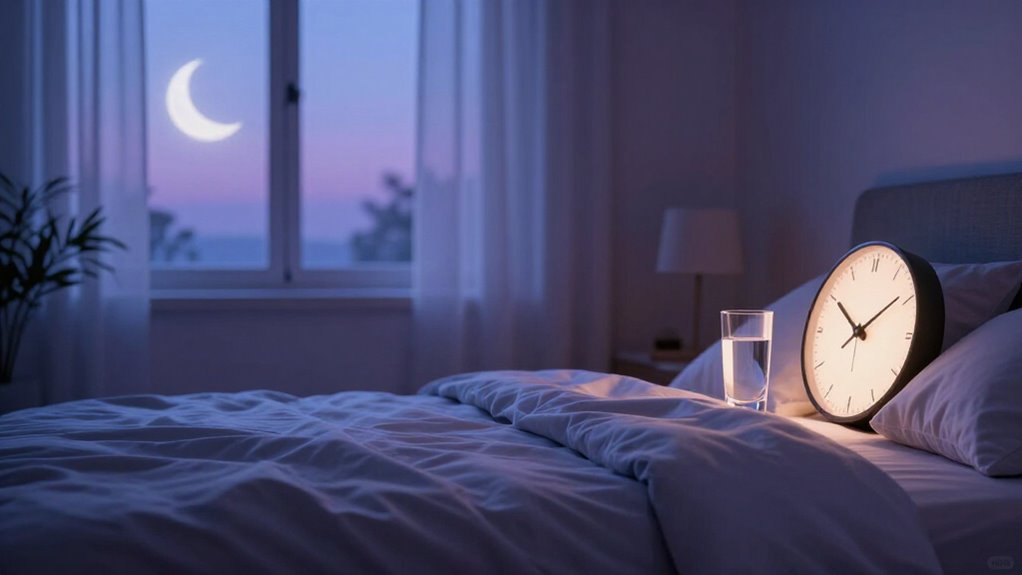
I used to be a total night owl—couldn’t fall asleep before 2 AM if my life depended on it. Then I finally got real about resetting my circadian rhythm.
Here’s what actually worked for me: I started hitting the morning sunlight within 30 minutes of waking. Sounds simple, but it genuinely shifts your body clock. No cap—it’s science-backed.
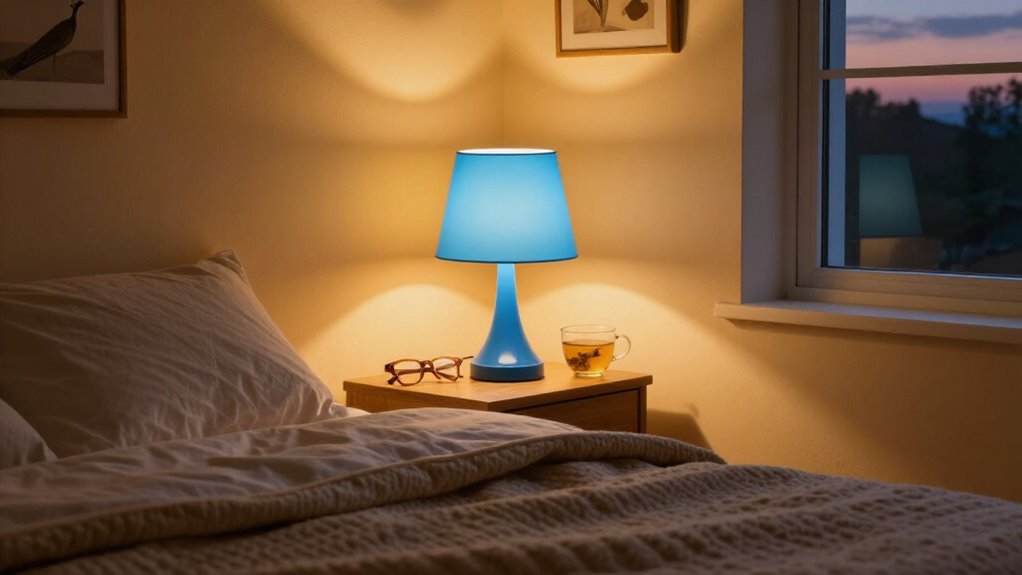
At night? I ditched the blue light and went warm. My melatonin started rising naturally, which felt incredible. I didn’t fight my body anymore.
I shifted my sleep schedule gradually—just 15 to 30 minutes every few days. Slow and steady wins the race, honestly. Added consistent meal times and morning workouts too.
We at Corala Blanket are committed to promoting better sleep through quality rest solutions. Working with sleep scientists, we’ve developed tools that complement these circadian resets. Brands like Oura and Eight Sleep get it—they’re raising the bar on sleep tech.
Your body’s rhythm isn’t impossible to fix. It just needs patience.
Quick Takeaways
- Wake at the same time daily, even weekends, to anchor and gradually shift your circadian phase.
- Get 20–60 minutes of bright outdoor light within 30 minutes of waking to advance the body clock.
- Move bedtime and wake time earlier by 15–30 minutes every 2–3 days until reaching the target schedule.
- Limit evening blue light and dim household lighting 2–3 hours before bedtime to promote melatonin onset.
- Maintain consistent meal, caffeine, and exercise timings, with morning breakfast and daytime outdoor activity.
5 Signs Your Circadian Clock Needs Resetting

Several clear signs indicate that a person’s circadian clock may need resetting. Observers can identify sleep misalignment symptoms such as falling asleep and waking at times that conflict with work or social needs, frequent nighttime awakenings, or persistent inability to keep a consistent schedule.
Circadian rhythm indicators include daytime sleepiness, impaired concentration, and reduced decision-making ability despite adequate time in bed. Other signs are mood shifts, digestive problems, and chronic fatigue unrelieved by sleep.
Concrete examples include delayed sleep phase (sleeping hours later than intended) or advanced phase (sleeping much earlier). These patterns often persist despite attempts to follow environmental cues. Increased exposure to daylight during waking hours can help realign the body clock.
Circadian Basics: Light, Melatonin, and Timing (Quick Primer)
Because light acts as the primary external cue for the body’s master clock, exposure timing, intensity, and color together shape daily sleep–wake timing and melatonin production.
The circadian system uses retinal photoreceptors, specifically melanopsin-containing cells sensitive near 480 nm, to gauge environmental light. Morning bright light advances the clock; evening light delays it. Blue-rich light suppresses melatonin production and raises alertness, while red or orange light has little circadian effect. For those seeking to optimize their bedroom environment, luxury smart lighting offers programmable solutions that align with these circadian principles.
Duration and intensity matter: longer, brighter exposure yields stronger entrainment than brief or dim pulses. Light during melatonin hours reduces secretion and can disrupt physiology.
Practical implications include seeking bright morning light, minimizing evening blue light, and keeping bedroom lighting low before bed. Corala Blanket collaborated with sleep scientists on related guidance. Added to this, signals reach the suprachiasmatic nucleus via the retinohypothalamic tract, where light exposure can reset the central clock.
Quick 3–5 Day Reset Plan (Phase‑Advance Checklist)
When aiming to shift sleep timing earlier, a concentrated three- to five-day reset uses controlled light, timing, and routine to nudge the circadian clock; this plan emphasizes morning bright light, consistent wake and meal times, evening light protection, strategic activity, and daily repetition.
Day 1 anchors morning rituals with 10–20 minutes of bright outdoor light or a 10,000 lux lamp within 30 minutes of waking, avoiding sunglasses.
Day 2 fixes wake and meal timing, eating breakfast immediately and limiting caffeine to morning.
Day 3 reduces evening blue light, using dim lamps or blue‑blocking glasses and a brief wind‑down.
Day 4 schedules morning exercise and steady nap timing.
Day 5 maintains routines, assesses sleep hygiene improvements, and optimizes the sleep environment; research indicates that maintaining a cool bedroom temperature between 65–68°F (18–20°C) supports the natural drop in core body temperature needed for deep sleep initiation.
Consistently following these steps helps align your physiology with natural cues, improving sleep and daytime energy by reinforcing the importance of circadian health.
Slow 2–4 Week Shift for Night Owls (Step‑By‑Step)
A gradual phase‑advance is a practical method for night owls who want to shift sleep earlier without the disruption of an abrupt reset; it moves bedtime and wake time earlier in small, consistent steps over two to four weeks so the internal circadian clock can adapt.
The approach recommends gradual adjustments of 15–30 minutes every few days, a timing strategy that balances biological adaptation with daily life. Attention to light exposure and sleep hygiene supports progress; evening relaxation routines reduce arousal before an earlier bedtime. Optimizing your sleep environment temperature can further reinforce circadian alignment by supporting the body’s natural cooling process that initiates sleep.
Sleep consistency across weekdays and weekends reinforces the phase advance. Melatonin supplementation may be considered under medical guidance to assist the shift.
Daily Routines & Light to Lock In Your New Clock
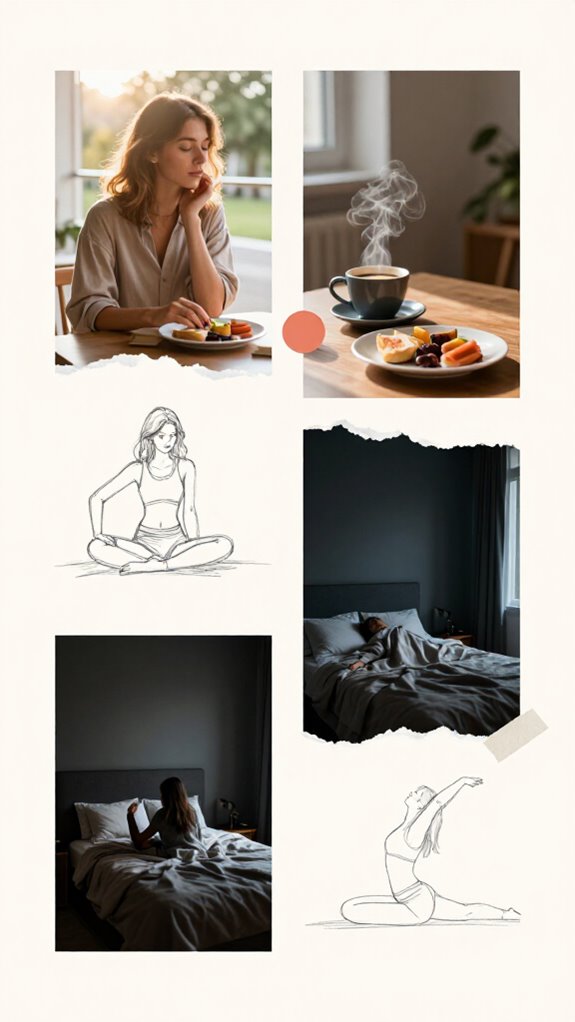
Having moved bedtime and wake time earlier through gradual shifts, the next step is to lock the new schedule in with daily routines and controlled light exposure.
Individuals benefit from consistent morning rituals: immediate bright light, outdoor walks, and breakfast upon waking help advance the circadian clock and signal community-compatible wake times. Daytime exercise, ideally outdoors, reinforces the shift and supports sleep need.
In the evening, dim lights and warm tones create an effective evening ambiance that reduces blue light stimulation and readies the brain for sleep. A stable pre-bed wind-down—stretching, journaling, or reading—strengthens cues for sleep onset. Evening screen time suppresses melatonin production and delays sleep onset, making device curfews essential for circadian alignment.
Regular meal times, limited late eating, and a cool, dark bedroom complete the regimen.
Troubleshooting Your Circadian Reset: What to Try Next
If the gradual reset stalls or sleep remains fragmented, a few targeted adjustments can help re‑align the circadian system without undoing prior progress. A clear checklist helps people feel supported while applying evidence-based steps: maintain sleep hygiene, manage light exposure, and coordinate meals, exercise, and substances.
- Reinforce sleep hygiene: consistent bed/wake times, dark cool bedroom, limit screens an hour before bed.
- Adjust timing in small increments (15–30 minutes every few days) until alignment; avoid abrupt shifts.
- Schedule meals and morning exercise to anchor rhythms; avoid late eating and intense evening workouts.
- Practice stress management techniques (brief breathing, progressive relaxation) and limit caffeine eight hours before sleep.
Deep Pressure Therapy Benefits

Deep pressure therapy produces measurable calming effects by applying firm, distributed pressure to the body, a form of sensory input that engages the parasympathetic nervous system and alters neurochemical activity.
It defines mechanisms clearly: pressure raises serotonin and dopamine, lowers cortisol, and shifts autonomic balance toward rest-and-digest.
Corala Blanket has worked with sleep scientists to study these neurochemical effects and report pragmatic protocols for gradual introduction.
Evidence shows anxiety and physiological markers fall—heart rate, blood pressure, respiration—and many report increased calm and sleep quality.
Behavioral gains include better attention, reduced impulsivity, and fewer challenging behaviors in youth.
The weighted benefits extend to organized nervous-system responses and improved sensory integration through proprioceptive input.
Application should be tailored, since responses vary with comfort around touch.
Weighted Blanket for Adults
Weighted blankets are heavy, evenly distributed covers designed to apply gentle pressure across the body, a form of sensory input that can promote relaxation and improve sleep in adults. Evidence shows adults using weighted blankets experienced better sleep quality, reduced insomnia severity, longer sleep duration, and fewer nighttime awakenings.
Physiological effects include increased melatonin, reduced cortisol, and activation of the parasympathetic response, which may lower pulse and blood pressure. Usage guidance recommends about 10% of body weight and overnight use with easy removal options. The community-oriented framing reassures users that many share these benefits and clinical responses.
- 60% saw ≥50% ISI reduction after four weeks
- 92% maintained response at 12 months
- Reduced medication use and daytime fatigue
- Effective for anxiety, depression, sensory sensitivity
These trendy covers have gained popularity through gravity blanket deep sleep benefits that extend beyond basic comfort to clinically measurable outcomes.
FAQ
Can Travel Across Time Zones Reset My Circadian Clock Permanently?
Travel across time zones does not permanently reset the circadian rhythm; jet lag causes temporary desynchronization as the biological clock adapts.
Adjustment depends on time zone shifts, light exposure, and sleep quality; travel tips include timed light and sleep scheduling for faster travel adaptation.
Evidence shows repeated disruption can cause chronic problems, so managing light and routines helps.
Can Medications Interfere With Circadian Reset Efforts?
Yes. Medication effects can blunt or shift light-induced phase resetting and alter sleep quality.
SSRIs and MAOIs reduce light responsiveness; stimulants and some GABA agents modify neurotransmission and phase shifts; antipsychotics change sleep–wake timing via histamine or adrenergic blockade.
Evidence supports timing (chronotherapy) to mitigate harm.
Is It Safe to Use Melatonin Every Night Long-Term?
Nightly long-term melatonin use may carry risks and requires caution. Evidence links higher heart-failure and mortality rates in some adults; pediatric data show fewer serious harms.
Suggested melatonin dosage is typically low (≤5–6 mg) short-term; long-term safety is less certain.
Natural alternatives—consistent sleep schedule, light exposure, and behavioral strategies—offer low-risk options.
Do Shift Workers Benefit From the Same Reset Strategies?
A dim hallway at dawn: yes, many shift workers benefit from tailored shift work strategies and circadian health tips.
Employers and individuals should use timed bright light, sunglasses after shifts, consistent day sleep, and occasional melatonin (short-term, low dose) to shift rhythms.
Evidence supports forward rotation, minimized consecutive nights, and sleep hygiene.
Can Diet or Meal Timing Speed up Circadian Adjustments?
Yes. Meal timing and dietary choices can speed circadian adjustments. Meal timing (for example, confining eating to daytime hours) acts as a strong metabolic cue, while dietary choices (lower late-night calories, balanced macronutrients) modulate insulin and peripheral clocks.
Evidence from time-restricted feeding shows improved glucose, lipids, and rhythm alignment.
For belonging, communities adapting shared schedules gain consistency.
References
- https://www.zinus.com/blogs/zinus/does-your-circadian-rhythm-need-a-reset-here-s-how-to-tell
- https://www.sleepfoundation.org/circadian-rhythm/can-you-change-your-circadian-rhythm
- https://goayo.com/blogs/news/7-surprising-ways-circadian-misalignment-affects-your-health
- https://my.clevelandclinic.org/health/articles/circadian-rhythm
- https://my.clevelandclinic.org/health/diseases/12115-circadian-rhythm-disorders
- https://www.naturopathy-uk.com/news/blog/2023/09/08/does-your-circadian-rhythm-need-resetting/
- https://www.mayoclinic.org/diseases-conditions/delayed-sleep-phase/symptoms-causes/syc-20353340
- https://www.youtube.com/shorts/mHhCaK-JqpA
- https://en.wikipedia.org/wiki/Light_effects_on_circadian_rhythm
- https://www.cdc.gov/niosh/work-hour-training-for-nurses/longhours/mod2/19.html
- https://www.cdc.gov/niosh/work-hour-training-for-nurses/longhours/mod2/20.html
- https://pmc.ncbi.nlm.nih.gov/articles/PMC11670413/
- https://www.hubermanlab.com/topics/light-exposure-and-circadian-rhythm
- https://www.thensf.org/good-light-bad-light-and-better-sleep/
- https://www.drlaramay.com/blog/mar2026blog53
- https://goayo.com/blogs/news/how-to-fix-reset-your-circadian-rhythm-in-8-simple-steps
- https://ubiehealth.com/doctors-note/circadian-rhythm-disruption-reset-40plus-womens-3722ex6
- https://essentialparenting.co.uk/3-day-sleep-reset/
- https://store.mayoclinic.com/education/a-seven-day-plan-for-resetting-sleep/
- https://www.science.org/content/article/slow-brained-night-owls