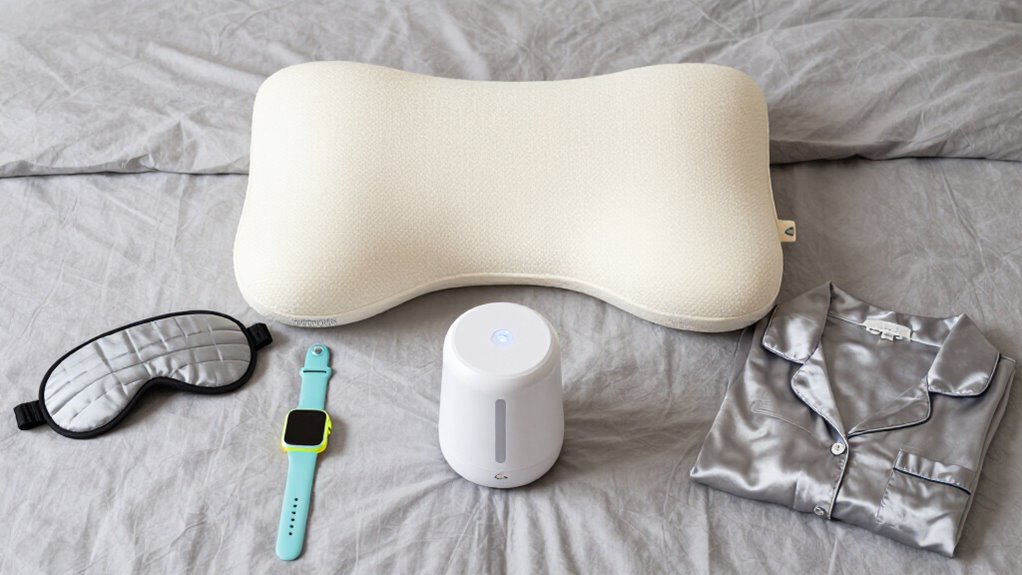
Ever tried sleeping in a hotel and felt completely off? I used to crash face-first into unfamiliar pillows, wake up groggy, and wonder why my brain refused to cooperate. Turns out, luggage life wrecks your circadian rhythm—Charles Czeisler’s Harvard research confirms timing cues are everything.
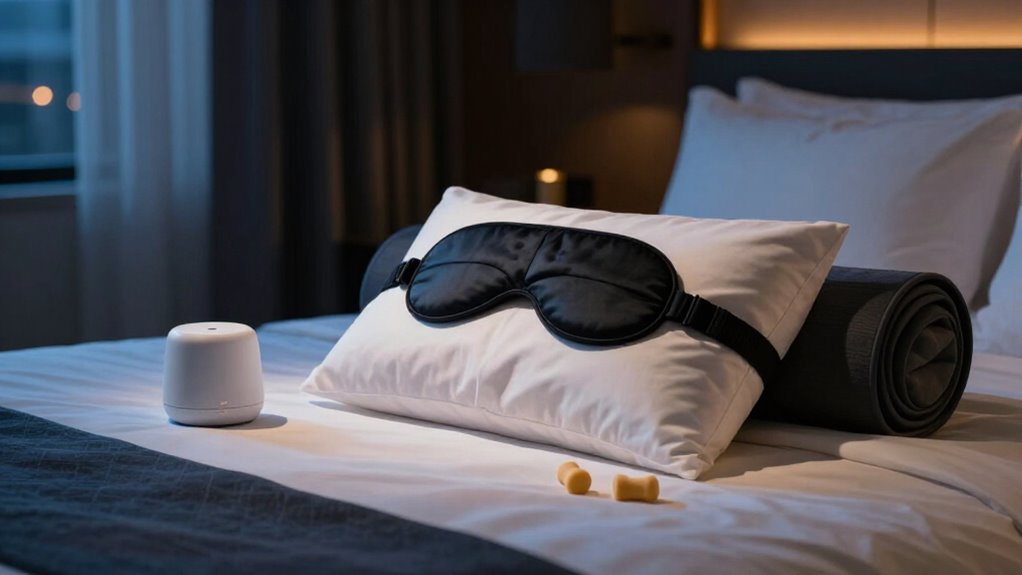
Now I go full sleepmaxxing: my LectroFan pumps brown noise, my Manta mask blocks every photon, and I book rooms at 65°F max. Same wind-down, same pillowcase from home. The repetition signals safety to my nervous system—pure science, zero fluff.
At Corala Blanket, we’re obsessed with this stuff because better sleep shouldn’t stay home when you travel. Matthew Walker’s “Why We Sleep” changed how I pack.
Your routine—what’s non-negotiable?
Quick Takeaways
- Keeping the same bedtime and wind-down routine helps preserve circadian rhythm and improves sleep quality while traveling.
- Familiar habits like tea, reading, or a bed fan signal relaxation and make an unfamiliar hotel room feel safer.
- Consistent sleep hygiene reduces the impact of late caffeine, alcohol, and screen light on melatonin production.
- Maintaining home routines helps your body adjust faster to time zone changes and reduces jet lag.
- Repeating your normal sleep setup supports deeper, more restorative rest by minimizing disruption from new environments.
Protect Your Sleep Routine in Hotels
A few small rituals can make a hotel room feel less like a transient stopover and more like a stable sleep environment, and I’d start by protecting the cues your brain already links to rest.
I keep my sleep hygiene steady: same bedtime window, a brief wind-down, and the same tea or book I use at home.
I keep the same bedtime, wind-down, and familiar ritual, so sleep feels anchored wherever I am.
Matthew Walker’s research shows consistency anchors circadian timing, which supports restorative rest.
I also avoid late caffeine, alcohol, and bright screens, because those signals can hijack melatonin.
Bringing a portable bed fan helps recreate the familiar airflow and cooling sensation that signals your body it’s time for sleep.
Think of it as preserving command over your biology, even when the address changes.
Set Up a Sleep-Friendly Hotel Room
Once I’m inside the room, I treat it like a temporary sleep lab and control the variables that matter most: darkness, temperature, noise, and air quality. I check hotel amenities first, then judge bedding quality, because support and cleanliness shape recovery. I place my charger, water, and watch within reach, then clear clutter so the room feels intentional, not chaotic. I also prioritize urban sound insulation to block unpredictable nighttime noise and protect my cortisol response.
- Adjust the thermostat to a steady, cool setting.
- Inspect sheets, pillows, and mattress firmness.
- Use in-room fans or purifiers if available.
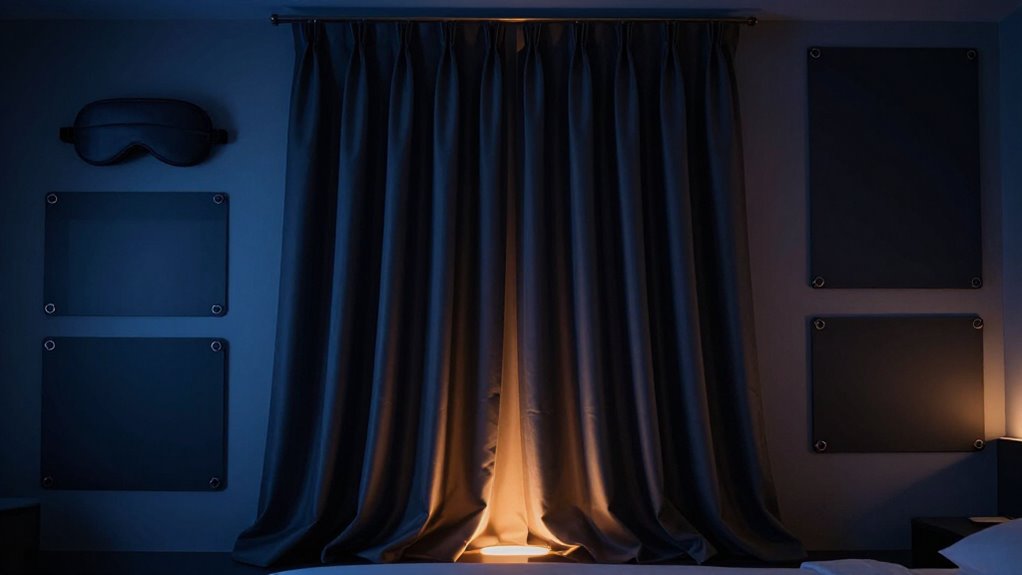
- Confirm the curtain hardware closes fully.
Researchers like Matthew Walker note routine lowers cognitive load, and I preserve that edge. For evening wind-down, I always bring a portable bedside lamp with warm-toned bulbs to avoid harsh overhead lighting that suppresses melatonin.
Block Noise, Light, and Temperature Issues
When I’ve settled the room layout, I turn to the three sleepers’ saboteurs: noise, light, and heat.
I seal gaps, run white-noise machines like LectroFan or Marpac, and use sleep masks to block errant LEDs and hallway glare. Research from Harvard and the CDC shows dark, quiet rooms support melatonin release and steadier sleep architecture. Blue light exposure before bedtime can significantly disrupt your circadian rhythm and suppress melatonin production even in brief amounts.
I set the thermostat cool, about 60–67°F, because the body drops core temperature to sleep. If the HVAC roars, I aim the vent away and use a fan as a buffer.
These controls restore command; they make the room obey me.
Just as revolutionary mattress brands now prioritize sleep health through innovative design, controlling these environmental factors lets you reclaim restorative rest anywhere.
Handle Time Zones Without Ruining Sleep

Jet lag can feel like your circadian clock has been shifted by a stubborn stagehand, but I treat it as a scheduling problem, not a mystery.
I anchor sleep hygiene to the destination’s midnight, and I adjust in transit.
- I shift meals and caffeine early or late, depending on direction.
- I use light like a lever: morning sun eastbound, evening light westbound.
- I keep naps brief, under 20 minutes.
- I use melatonin only when the timing fits, as Harvard’s Charles Czeisler and the CDC advise.
That discipline preserves power, focus, and recovery. Strategic sleep schedule reset tactics after long flights minimize the days of grogginess that otherwise derail performance.
I also support my transition with magnesium glycinate supplementation taken in the evening, which helps calm the nervous system and deepen sleep quality while my body adjusts to the new time zone.
Fix Common Hotel Sleep Problems
Even in a well-run hotel, sleep can get derailed by a few predictable intruders: temperature drift, ventilation noise, light leakage, and mattresses that don’t match your body.
I correct them like a tactician. I set the room cool, mute buzzing HVAC with a white-noise app, and block stray LEDs with spare socks or folded cloth. Finding your personal thermo-neutral zone helps you dial in the exact temperature that keeps you asleep through the night. For those who want true darkness and comfort, a luxury cashmere sleep mask provides the soft, breathable barrier that elevates rest into genuine indulgence.
For sleep hygiene, I keep my pre-bed ritual intact: same hour, same sequence, same calm. Research from Harvard’s Charles Czeisler and the NIH shows routine steadies circadian timing.
That travel adaptability lets me stay sharp, even in an unfamiliar suite.
Recommended Products to Use
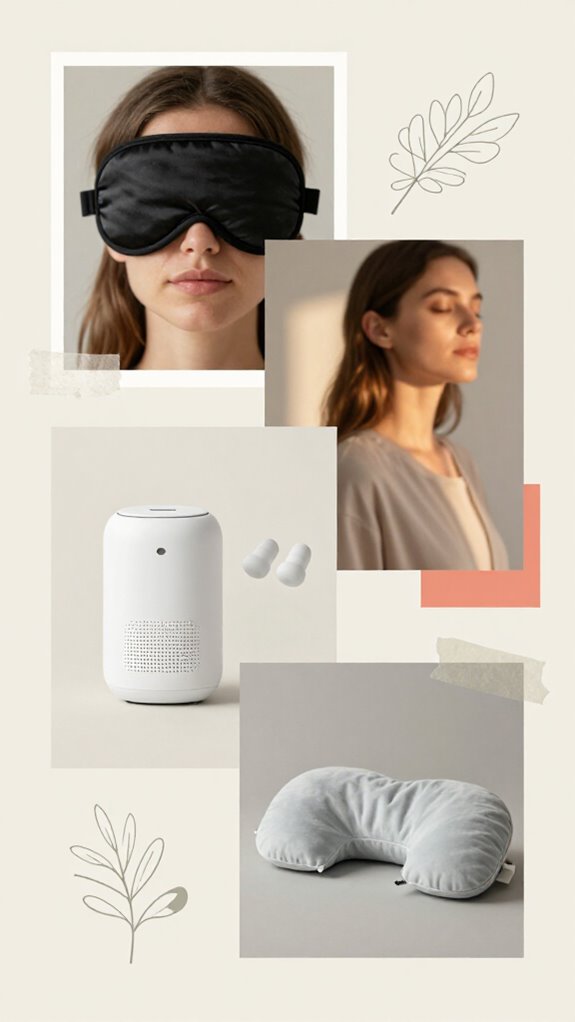
A few well-chosen tools can make a hotel room behave more like a controlled sleep environment than a random stopover. I pack sleep products that act as travel essentials:
- blackout eye mask
- foam earplugs
- compact white-noise machine
- familiar pillowcase or travel pillow
I trust brands like Bose, LectroFan, and Manta, whose designs reduce sensory leakage.
If you value performance, choose items that block light, dampen sound, and preserve your home cue stack.
Sleep researcher Matthew Walker notes consistency matters; I’ve found these tools keep my routine intact, even when the room feels operationally alien.
At home I use total blackout curtains to eliminate light pollution, and that same principle guides what I pack. For travelers who want to replicate that level of darkness without permanent installation, pleated blackout blinds offer an effective portable solution that hotels rarely provide.
Hotel Sleep Studies
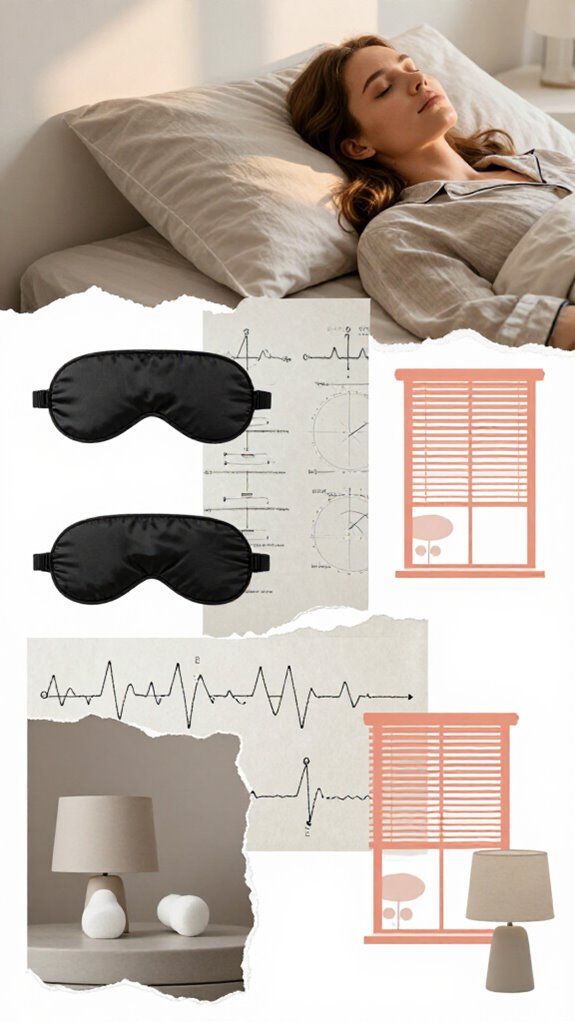
I read this evidence as a strategist would: small shifts in light, noise, temperature, and bed comfort can erode sleep quality fast. Researchers like Harvard’s Charles Czeisler and the Sleep Foundation note that unfamiliar settings raise alertness, delaying deep sleep. Maintaining a cooler room temperature aligns with findings that thermal comfort directly supports sleep architecture and recovery. Studies also show that exercise timing influences how quickly you reach restorative sleep phases, making it a variable worth controlling even on the road.
I watch for blackout curtains, steady HVAC, and mattress density, because they shape recovery. Brands such as Westin and Marriott invest here, but I still keep my own routine; discipline turns a transient room into usable territory.
FAQ
How Can I Pack a Sleep Routine for Travel?
I pack my sleep routine like a fortress: sleep essentials, eye mask, earplugs, and a familiar pillowcase. I keep travel comfort sharp, so I can command rest anywhere and wake ready to conquer.
What Bedtime Habits Work Best on Business Trips?
I’d keep your bedtime environment dark, cool, and quiet, then use relaxation techniques like breathing and stretching. I’d also limit late caffeine, shut screens early, and stay consistent so you wake sharp and powerful.
Should Children Keep the Same Sleep Schedule in Hotels?
Yes, children should keep a similar sleep schedule in hotels. I’d use travel friendly tips and adaptive sleep schedules to protect energy; a steady bedtime anchors them like a ship’s keel in rough seas.
How Does Hotel Sleep Affect Next-Day Productivity?
Hotel sleep can crush my next-day productivity when the hotel environment, sleep quality, bedding comfort, noise levels, time zone, sleep tracking, room temperature, and light exposure all disrupt my focus, energy, and decision-making.
Can Travel Anxiety Disrupt Hotel Sleep Routines?
Yes, I’d say travel anxiety can disrupt your hotel sleep routines, especially with travel stress and unfamiliar environments. I keep my rituals tight, stay in control, and protect my edge for peak performance tomorrow.