Ever tried falling asleep after your phone’s blasted your eyeballs with blue light? Yeah, me too—until I discovered smart lighting that actually respects my circadian rhythm.
Last year, I was doomscrolling at 2 AM, wondering why I felt like garbage. Then I switched to Philips Hue’s 2000K sunset mode. Game. Changer.
Here’s the tea on 2026 sleepmaxxing: brands like LIFX and Nanoleaf now sync with your body’s internal clock, ditching harsh blues for warm ambers that boost melatonin naturally. Dr. Charles Czeisler’s Harvard research backs this—light literally programs your brain.
Motion sensors? App routines? Flicker-free dimming? It’s not gimmicky tech bro nonsense. It’s survival.
At Corala Blanket, we’re all about maximizing those z’s through whatever works. Whether it’s tunable 5000K-to-2000K systems or our weighted blankets, your sleep deserves better than 3 AM TikTok holes.
So what’s your move—keep fighting your biology, or work with it?
Quick Takeaways
- Systems with circadian rhythm-supporting features like dim-to-warm and tunable color temperatures promote natural sleep cycles.
- Red and amber light therapy solutions enhance melatonin production and reduce blue light exposure for improved sleep quality.
- Smart bedside and ambient lighting with audio masking help create calming environments that facilitate easier sleep onset.
- Motion-sensing, energy-efficient LED lights allow customizable dimming and automation to support healthy sleep routines.
- Compatibility with voice assistants and app control enables personalized, drug-free sleep environment adjustments.
| Restful 2-Pack Bedtime Bulb for Better Sleep | 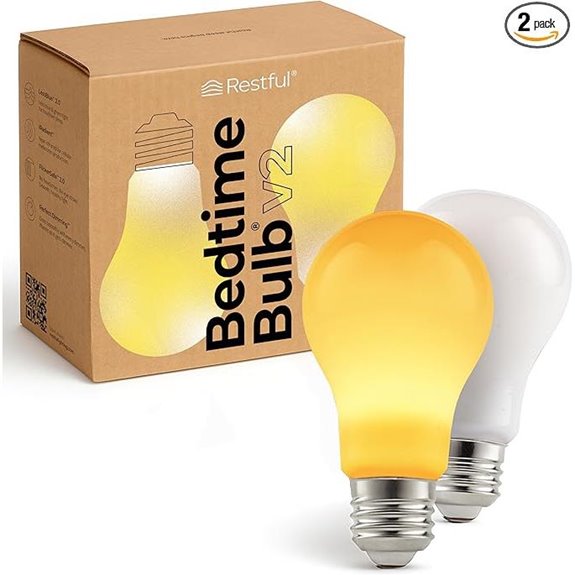 | Best Blue Light Reduction | Connectivity: Not smart, standard bulb | Light Temperature Control: Warm white | Sound or Light Therapy: No | VIEW LATEST PRICE | Read Our Analysis |
| ThirdReality RGB Night Light with Motion Sensor | 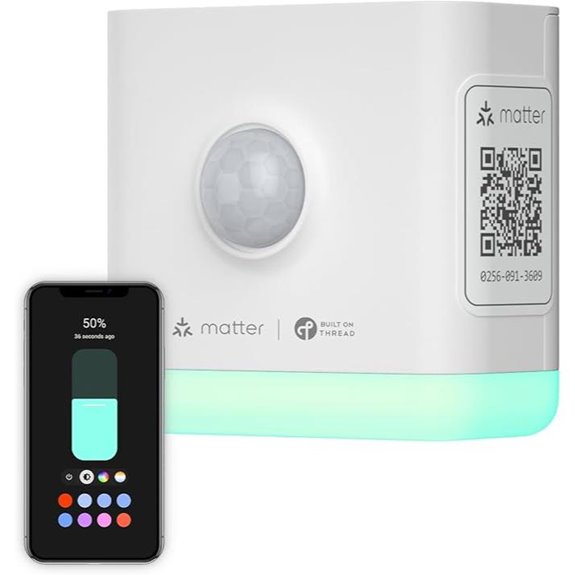 | Most Intelligent Control | Connectivity: Matter over Thread certified Wi-Fi/Smart home compatible | Light Temperature Control: RGB, adjustable color | Sound or Light Therapy: No | VIEW LATEST PRICE | Read Our Analysis |
| Red and Amber Sleep Bulb with Remote (2 Pack) | 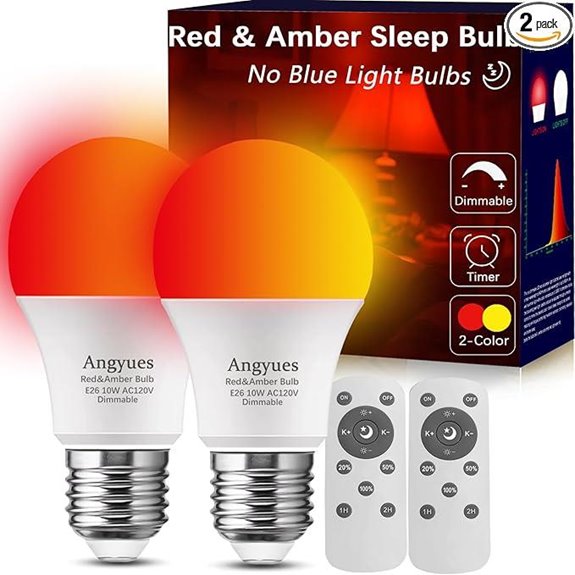 | Best Sleep Therapy | Connectivity: Remote control, app-controlled | Light Temperature Control: Red & amber (660nm, 1800K), dimmable | Sound or Light Therapy: Yes, sleep mode with dimmable light | VIEW LATEST PRICE | Read Our Analysis |
| Touch Bedside Lamp with Sound Machine (3-in-1) | 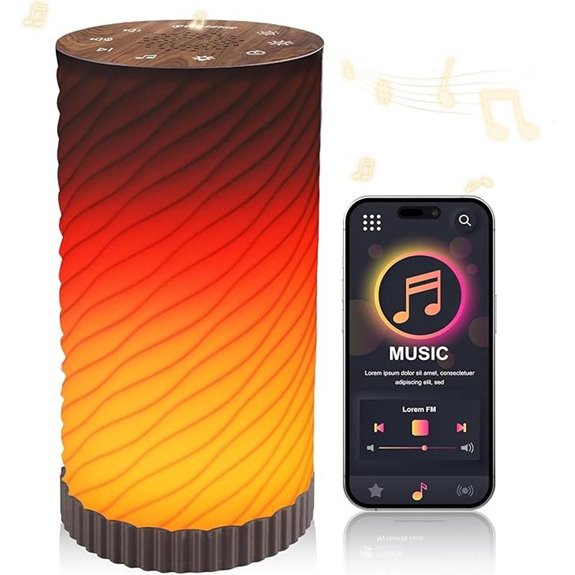 | Best Multi-Functionality | Connectivity: Bluetooth, touch controls, no Wi-Fi required | Light Temperature Control: Warm white (3500K), cool white (6500K), dynamic modes | Sound or Light Therapy: Built-in sounds, Bluetooth speaker | VIEW LATEST PRICE | Read Our Analysis |
| Red Light Therapy & Sleep Sound Machine with App Control | 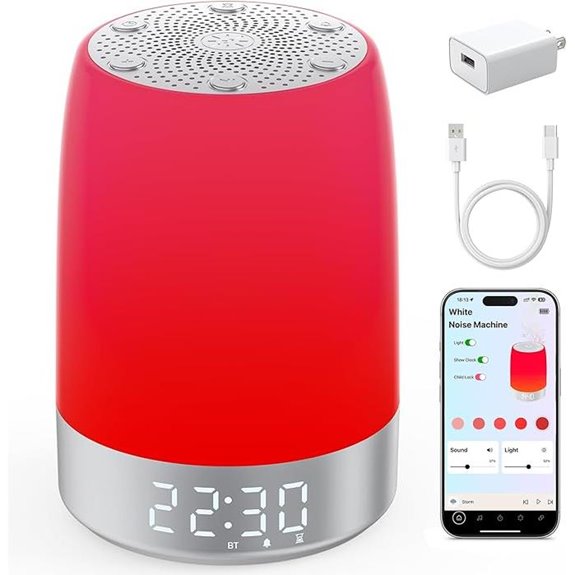 | Most Customizable | Connectivity: App control, smart home compatible via app | Light Temperature Control: Red light therapy, adjustable wavelengths | Sound or Light Therapy: White noise sounds, sleep aid | VIEW LATEST PRICE | Read Our Analysis |
| Philips Sleep and Wake-Up Light with Sunrise/ Sunset | 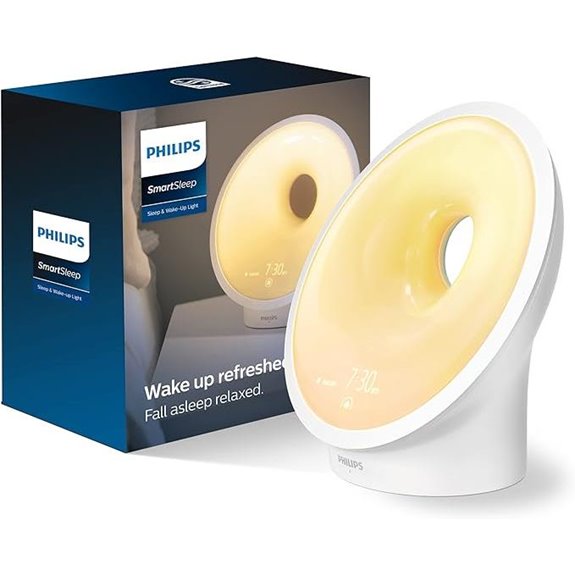 | Best Clinically Proven | Connectivity: Not specified, features controlled via physical buttons | Light Temperature Control: Not specified, simulated sunrise/sunset | Sound or Light Therapy: Sunrise/Sunset simulation, breathing guides | VIEW LATEST PRICE | Read Our Analysis |
| Sky Scene Sleep Aid Ceiling Light with App Control | 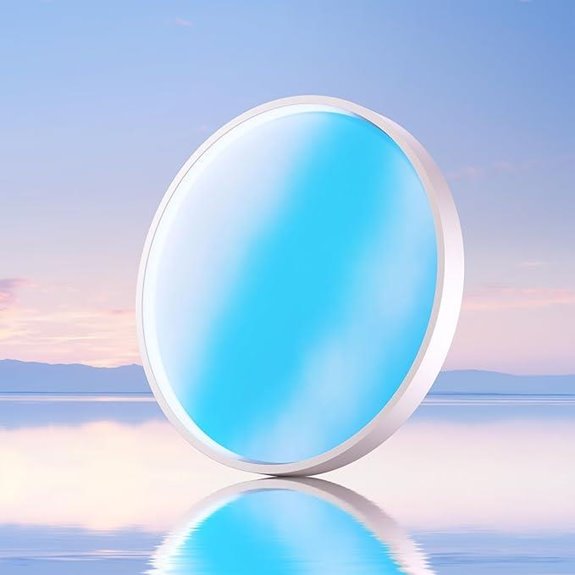 | Most Immersive Experience | Connectivity: App control, smart home integration via Tuya or ADL | Light Temperature Control: Adjustable brightness, scene modes, no direct temp but color settings | Sound or Light Therapy: Scene modes, sleep-focused lighting | VIEW LATEST PRICE | Read Our Analysis |
| Casper Sleep Glow Night Light White Two Pack | 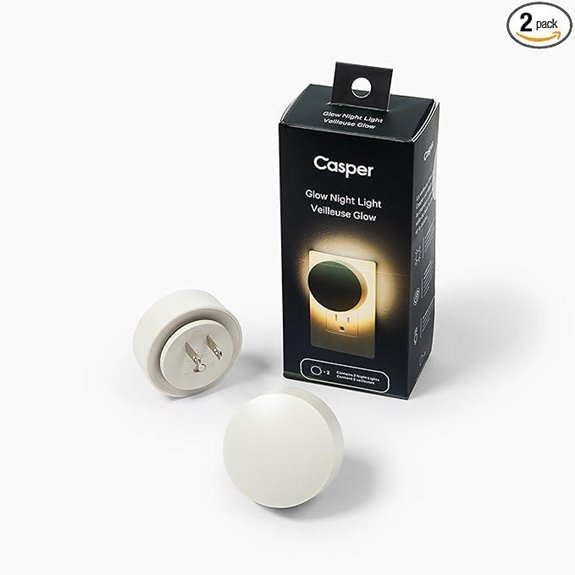 | Best Budget Night Light | Connectivity: No connectivity, manual controls | Light Temperature Control: Night light, no adjustable temperature | Sound or Light Therapy: Night lights, no sound | VIEW LATEST PRICE | Read Our Analysis |
| Philips Hue Twilight Smart Sleep LED Lamp | 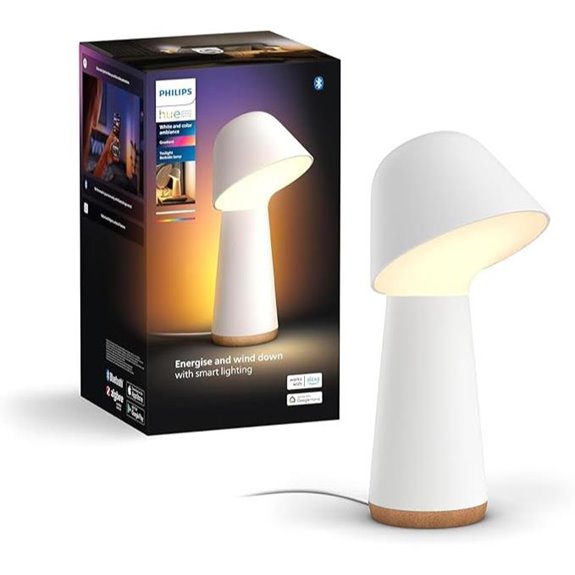 | Most Advanced Sleep Aid | Connectivity: Bluetooth app, voice & hub compatible | Light Temperature Control: Adjustable white & color scenes, circadian optimized | Sound or Light Therapy: Sleep & wake scenes, ambient light & sounds | VIEW LATEST PRICE | Read Our Analysis |
More Details on Our Top Picks
Restful 2-Pack Bedtime Bulb for Better Sleep
The Restful 2-Pack Bedtime Bulb is designed for those seeking to mitigate blue and green light exposure during pre-sleep hours, making it an ideal choice for individuals prioritizing circadian-friendly lighting. Supported by research from experts like Dr. Charles Czeisler at Harvard, these bulbs reduce disruptive wavelengths by 95%, fostering melatonin production. The dim-to-warm technology guarantees a gradual shift to warm, calming light, mimicking natural sunset cues. With flicker levels under 1%, they alleviate eye strain and headaches, providing smooth dimming. Constructed to last over 50,000 hours, these bulbs integrate seamlessly with standard fixtures, making circadian regulation accessible without sophisticated smart systems.
- Connectivity:Not smart, standard bulb
- Light Temperature Control:Warm white
- Sound or Light Therapy:No
- Automation Features:No
- Power Source:Standard AC (120V)
- Control Method:Manual switch + dimmer
- Additional Feature:Dim-to-warm technology
- Additional Feature:Flicker-free performance
- Additional Feature:Long lifespan (50,000 hours)
ThirdReality RGB Night Light with Motion Sensor
Featuring a triad of functionalities—RGB night lighting, motion detection, and illuminance sensing—the ThirdReality RGB Night Light exemplifies the pinnacle of intelligent control in smart home automation. Its design integrates customizable LED illumination, enabling users to set a wide spectrum of colors and adjustable brightness levels from 1% to 100%, facilitating tailored ambiance. Equipped with Matter over Thread certification, it offers rapid, energy-efficient connectivity compatible with major platforms like Alexa, Google Home, and Apple Home. Its motion sensor optimizes energy consumption and safety, ideal for use in hallways or nurseries. Supported by a dedicated app, OTA updates extend its longevity and functionality, aligning with standards set by industry innovators such as IKEA and LIFX.
- Connectivity:Matter over Thread certified Wi-Fi/Smart home compatible
- Light Temperature Control:RGB, adjustable color
- Sound or Light Therapy:No
- Automation Features:Automation routines, smart routines
- Power Source:Mains power + optional remote control
- Control Method:App, voice, local control
- Additional Feature:Matter over Thread certified
- Additional Feature:Supports multiple smart platforms
- Additional Feature:Adjustable brightness (1%–100%)
Red and Amber Sleep Bulb with Remote (2 Pack)
Red and amber sleep bulbs, particularly when controlled remotely, offer a targeted approach to circadian rhythm regulation, making them a top choice for scientifically grounded sleep therapy. The Angyues 2-pack combines dual-light modes—660nm red light and 1800K amber—that simulate natural sunset hues, reducing blue light exposure. This elimination of 100% blue light and flicker-free LED technology support melatonin production, essential for restful sleep. With full-range dimming and timer functions, these bulbs integrate seamlessly into standard fixtures, aiding nighttime routines. Research from institutions like Harvard highlights the importance of red light in reducing sleep latency, positioning such bulbs as effective tools for circadian health.
- Connectivity:Remote control, app-controlled
- Light Temperature Control:Red & amber (660nm, 1800K), dimmable
- Sound or Light Therapy:Yes, sleep mode with dimmable light
- Automation Features:Timer, sleep mode, remote control
- Power Source:Mains power, remote control
- Control Method:Remote, app, physical button
- Additional Feature:Dual-light red/amber modes
- Additional Feature:Remote control operation
- Additional Feature:Fully flicker-free at all brightness levels
Touch Bedside Lamp with Sound Machine (3-in-1)
For individuals seeking streamlined bedtime solutions, the Touch Bedside Lamp with Sound Machine excels in consolidating multiple functions into a single, intuitive device. Its dynamic lighting offers four immersive modes—including spiral, flow, breathing, and a flickering campfire—along with static warm and cool white settings, facilitating relaxation or focus. Embedded sound therapy provides 24 high-fidelity, non-looping sounds like rain and thunder, effectively masking noise and enhancing sleep quality, as supported by sleep research from institutions like the National Sleep Foundation. Its Bluetooth speaker enables wireless streaming, while touch-sensitive controls with stepless dimming assure seamless operation, making this device a versatile addition to sleep environments.
- Connectivity:Bluetooth, touch controls, no Wi-Fi required
- Light Temperature Control:Warm white (3500K), cool white (6500K), dynamic modes
- Sound or Light Therapy:Built-in sounds, Bluetooth speaker
- Automation Features:Auto-timer (15-120 min)
- Power Source:Mains power, touch & Bluetooth controls
- Control Method:Touch panel, timers
- Additional Feature:Integrated Bluetooth speaker
- Additional Feature:Multiple dynamic modes (Flow, Spiral, etc.)
- Additional Feature:Auto-timer with multiple options
Red Light Therapy & Sleep Sound Machine with App Control
This sleep enhancement device stands out for its highest level of customization, allowing you to fine-tune red light wavelengths between 620–690nm inspired by sunset tones, which supports melatonin production by replacing blue light typically emitted by screens. Its 5-stage red light therapy mimics natural dusk, signaling your body’s internal clock to wind down smoothly. Coupled with 32 curated sound options like rain and ocean waves, it masks interruptions and internal chaos. The app control opens access to detailed settings, preset alarms, and timers up to 24 hours, while tactile buttons provide quick adjustments. Powered by a 2600mAh battery, it offers portability for outdoor use, ensuring consistent sleep support beyond your bedroom.
- Connectivity:App control, smart home compatible via app
- Light Temperature Control:Red light therapy, adjustable wavelengths
- Sound or Light Therapy:White noise sounds, sleep aid
- Automation Features:Custom alarms, timers, auto shut-off
- Power Source:Built-in rechargeable battery + mains
- Control Method:App, physical buttons, alarms
- Additional Feature:5-stage red light therapy
- Additional Feature:7 customizable alarms
- Additional Feature:Built-in 2600mAh battery
Philips Sleep and Wake-Up Light with Sunrise/ Sunset
The Philips Sleep and Wake-Up Light with sunrise/sunset simulation stands out for its clinical validation, making it especially suitable for individuals seeking scientifically supported sleep regulation. Its gradual light intensification mimics natural dawn, encouraging a gentle rise while reducing sleep inertia. Supported by over 30 years of Philips sleep research, it’s endorsed by physicians and pharmacists for establishing healthy routines. Controlled via customizable settings, it also features soothing sunset cues, fostering pre-sleep relaxation. Studies, including those by Giménez et al. (2010), confirm that artificial dawn can improve alertness and regulate circadian rhythms. Its thorough design supports both physiological benefits and psychological comfort, promoting consistent, restorative sleep-wake cycles.
- Connectivity:Not specified, features controlled via physical buttons
- Light Temperature Control:Not specified, simulated sunrise/sunset
- Sound or Light Therapy:Sunrise/Sunset simulation, breathing guides
- Automation Features:Sunrise/sunset simulation, programmable routines
- Power Source:Mains power
- Control Method:Manual buttons, app for advanced controls
- Additional Feature:Guided breathing programs
- Additional Feature:Sunrise and sunset simulation
- Additional Feature:Power backup feature
Sky Scene Sleep Aid Ceiling Light with App Control
The Sky Scene Sleep Aid Ceiling Light with App Control offers an exceptionally immersive experience tailored for individuals seeking a natural, circadian-aligned sleep environment. Employing 1800K golden amber illumination with minimal blue light, it minimizes circadian disruption, supporting melatonin production. Featuring ten sky scenes—ranging from dawn to dusk, including seasons and weather variations—plus dedicated Sleep and Focus modes, it adapts to your daily rhythm. Controlled via user-friendly apps like ADL or Tuya, you can personalize brightness, color temperature, and schedules. Its full-spectrum, glare-free LEDs replicate natural sunlight, a technology aligned with research from circadian experts, making it a precise sleep optimization tool.
- Connectivity:App control, smart home integration via Tuya or ADL
- Light Temperature Control:Adjustable brightness, scene modes, no direct temp but color settings
- Sound or Light Therapy:Scene modes, sleep-focused lighting
- Automation Features:App control, scheduling, automation routines
- Power Source:Mains power
- Control Method:App, physical buttons, scheduling
- Additional Feature:10 immersive sky scenes
- Additional Feature:Full-spectrum 95+ CRI lighting
- Additional Feature:Tool-free quick installation
Casper Sleep Glow Night Light White Two Pack
Designed for those seeking an affordable yet reliable sleep aid, the Casper Sleep Glow Night Light offers intuitive illumination tailored to nightly routines. Its motion-activated mode guarantees hallways and bathrooms are lit instantly when needed, reducing disruption, while darkness-activated settings provide a gentle glow in bedrooms without disturbing sleep cycles. Packaged in twos, these lights serve multiple purposes—bedrooms, hallways, kitchens, and bathrooms—amplifying safety and comfort. With Casper’s legacy of aiding over 4.5 million sleepers for more than a decade, this product combines practical design with trusted expertise, offering a straightforward, evidence-based approach to better sleep environments.
- Connectivity:No connectivity, manual controls
- Light Temperature Control:Night light, no adjustable temperature
- Sound or Light Therapy:Night lights, no sound
- Automation Features:Motion-activated, darkness-activated
- Power Source:Mains powered
- Control Method:Motion sensor, manual switch
- Additional Feature:Motion-activated and darkness-activated modes
- Additional Feature:Two-pack design
- Additional Feature:Designed for multiple areas (bedroom, hallway, bathroom)
Philips Hue Twilight Smart Sleep LED Lamp
For those seeking the most advanced sleep aid, the Philips Hue Twilight Smart Sleep LED Lamp offers a scientifically grounded approach to aligning your circadian clock. Combining ambient color shift technology with sleep-specific lighting, it employs wall washing and adjustable bedside illumination to mimic natural light patterns. With features supported by research from experts at institutions like Harvard Health, the lamp minimizes blue light exposure during evening hours to promote melatonin production. Connectivity via Bluetooth and compatibility with dominant voice assistants streamline control, while scene presets synchronize lighting with natural cycles. Its design integrates seamlessly into bedrooms, facilitating a controlled environment optimized for rest.
- Connectivity:Bluetooth app, voice & hub compatible
- Light Temperature Control:Adjustable white & color scenes, circadian optimized
- Sound or Light Therapy:Sleep & wake scenes, ambient light & sounds
- Automation Features:Custom wake-up & sleep routines, automation
- Power Source:Mains power + rechargeable features
- Control Method:App, voice commands, physical controls
- Additional Feature:Wall washing projection feature
- Additional Feature:Sleep and wake-up scenes
- Additional Feature:Adjustable front directional light
Factors to Consider When Choosing Smart Lighting Systems for Better Sleep
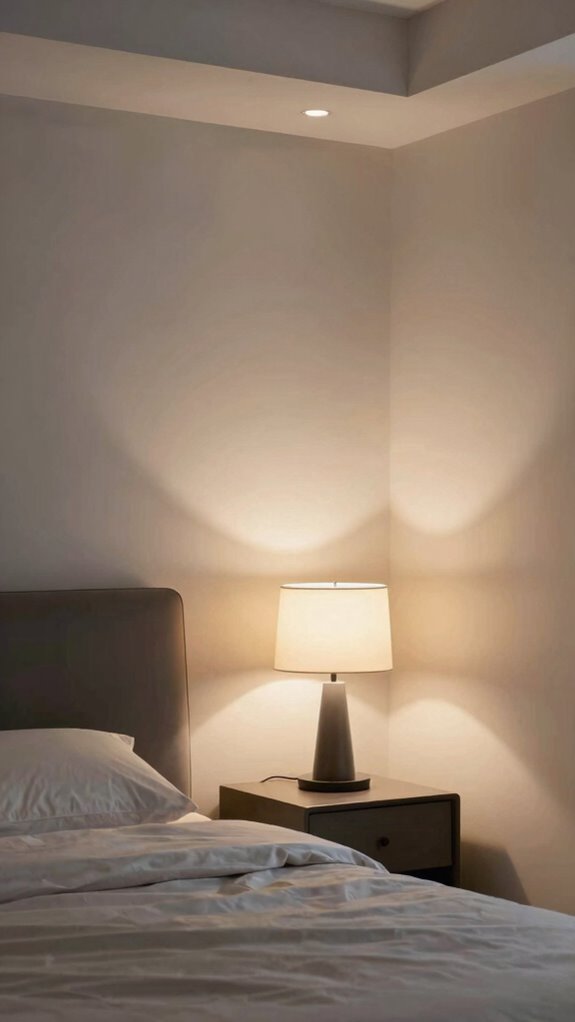
When selecting smart lighting for improved sleep, it’s essential to take into account options like adjustable light color temperature, which research by NASA highlights as critical for circadian regulation. Compatibility with existing devices and simple installation processes, as recommended by sleep scientists such as Dr. Charles Czeisler, can streamline the setup and integration into your nightly routine. Moreover, features like precise diming capabilities and automation—studied by Harvard researchers for their impact on melatonin production—can transform a standard fixture into a personalized sleep aid.
Light Color Options
Selecting the appropriate light color for a smart lighting system hinges on understanding how different wavelengths influence circadian regulation. Warm light below 2000K, like amber or golden white, minimizes blue light exposure, supporting natural melatonin production and easing sleep onset. Red light in the 620–700nm spectrum has the least circadian impact, making it ideal for nighttime use. Research by Harvard scientists shows blue light at 450–480nm suppresses melatonin by over 50%, delaying sleep. Tunable systems that shift from daylight tones (5000–6500K) in the morning to warmer hues illustrate how closely lighting can mimic natural rhythms. Brands like Philips Hue and LIFX incorporate these principles, aligning artificial light with our biological clocks to promote restorative sleep.
Compatibility With Devices
Guaranteeing a smart lighting system integrates seamlessly with your existing technology requires careful consideration of compatibility factors that can greatly influence usability and long-term performance. Support for protocols like Matter, Thread, or Wi-Fi guarantees devices communicate reliably, like a universal language connecting different smart home components. Local control options matter too, allowing continued operation without internet interruptions—think of it as a backup brain for your lights. Compatibility with voice assistants such as Alexa, Google Assistant, or Apple Home enhances convenience through hands-free control, a feature extensively studied by researchers like the University of Michigan’s Smart Home Lab. Moreover, determine if a hub or bridge is needed; some systems, like Philips Hue, demand extra hardware, impacting setup complexity and cost. Finally, OTA firmware updates keep devices current, akin to software patches that enhance longevity and adapt to advancing tech standards.
Ease of Installation
Ease of installation is a critical factor that often determines whether a smart lighting system will genuinely integrate into daily routines without adding complexity. Many smart bulbs, like those from LIFX or Philips Hue, screw into standard E26 sockets, requiring no tools or electrician’s help—simply twist and go. Flush-mount ceiling lights with tool-free mounting mechanisms Snap-In onto existing fixtures swiftly, avoiding mess or confusion. Battery-powered night lights from brands like Roost eliminate wiring entirely, allowing flexible placement based on motion or darkness sensing. Plug-and-play LED lamps, such as those by Nanoleaf, activate immediately after plugging into outlets. Wireless-enabled fixtures further streamline setup, often bypassing hubs altogether, as noted by research from industry analysts like Parks Associates, emphasizing that simple, efficient install processes encourage consistent use.
Dimming Capabilities
Dimming capabilities are fundamental to customizing a sleep-friendly environment, as they directly influence both the intensity and quality of the light. Precise adjustment from 1% to 100% brightness allows for fine-tuning, creating ideal conditions that promote melatonin production—a key hormone for sleep readiness. Flicker-free dimming, with flicker reduced to under 1%, minimizes eye strain and headaches, ensuring a smoother shift into relaxation. Dim-to-warm technology gradually shifts color temperature from warm to very warm as brightness decreases, mimicking natural sunset patterns and reinforcing circadian rhythms. Smooth, stutter-free dimming across all levels prevents abrupt visual changes, maintaining a calming atmosphere. Brands like LIFX and Philips Hue incorporate these advanced features, supported by research from circadian scientists like Dr. Charles Czeisler, emphasizing their importance in sleep health.
Automation Features
When selecting a smart lighting system for ideal sleep, automation features become a critical consideration, as they fundamentally shape the circadian cues that regulate our internal clocks. Advanced systems like Philips Hue or LIFX utilize scheduled diming and color temperature shifts, mimicking natural light patterns to bolster melatonin production. Integration with sensors allows lights to activate only when necessary, minimizing disruptions and conserving energy—an approach supported by sleep research from the National Sleep Foundation. Custom routines, such as sunrise simulations, help users wake gradually, reducing sleep inertia, while synchronization with home devices guarantees seamless routines, like red-night lighting during bedtime. App-based triggers, adaptive to occupancy or time, refine environmental cues, establishing consistent habits that reinforce healthy sleep hygiene based on behavioral and physiological science.
Blue Light Reduction
Reducing blue light exposure is fundamental when selecting smart lighting systems designed to support healthy sleep cycles. Blue wavelengths between 450–495 nm inhibit melatonin production, delaying sleep onset and impairing quality. Research from institutions like Harvard Medical School demonstrates that lighting with less than 10% blue content can cut melatonin suppression by up to 80%. Devices utilizing red light at 660 nm or longer wavelengths effectively minimize disruptive effects while maintaining night visibility. Amber lighting at 1800K further supports pre-sleep relaxation by blocking nearly all blue and green spectra. Moreover, flicker-free options with under 1% flicker reduce eye strain and cortical hyperexcitability, aligning brain activity with sleep readiness. Brands like Philips Hue and LIFX now incorporate these features, enabling circadian-friendly illumination tailored for restorative sleep.
Power Efficiency
Choosing a smart lighting system that prioritizes power efficiency involves evaluating several technical parameters that directly impact energy consumption and sustainability. LED lighting, for instance, consumes approximately 75% less energy than traditional incandescent bulbs, providing similar brightness while reducing electricity use during nighttime. Dimmable systems further refine efficiency by adjusting power based on brightness needs—some draw less than 10% of maximum at low settings, saving energy during sleep hours. High luminous efficacy—measured in lumens per watt—ensures maximum light output for minimal energy, a principle championed by brands like Philips Hue. Moreover, automatic timers and motion sensors prevent unnecessary power drain, decreasing idle energy use by up to 30%. Utilizing direct-current (DC) power with low-voltage drivers also minimizes energy loss, optimizing overall efficiency in sleep-conducive lighting.
FAQ
How Do Smart Lights Impact Overall Sleep Quality Beyond Bedtime Routines?
Research shows that exposure to blue light inhibits melatonin production, impairing sleep—even beyond bedtime routines. Smart lights, like Philips Hue, enable personalized, circadian-aware illumination that adjusts throughout the day. By reducing blue light in the evening, they support natural sleep rhythms, as demonstrated by studies from Harvard researchers. This continuous ambient regulation fosters deeper sleep quality, not just at night but by minimizing premature cycles disruption, promoting overall circadian health.
Can Smart Lighting Systems Adapt to Individual Sleep Patterns Automatically?
Yes, many advanced smart lighting systems, like LIFX or Philips Hue, leverage AI algorithms that analyze sleep patterns via wearable data or environmental cues. These systems adapt lighting automatically, gradually dimming or shifting color temperatures based on individual circadian rhythms, as shown in studies by sleep researchers like Dr. Charles Czeisler. This personalized approach aims to optimize melatonin production and sleep quality without user intervention, creating a more natural sleep environment.
What Are the Energy Consumption Differences Between Various Smart Sleep Lights?
Energy consumption varies greatly among smart sleep lights, with LED-based systems like Philips Hue consuming approximately 10-12 watts during operation, while more complex integrations with adaptive features may use slightly more. Research by the U.S. Department of Energy indicates that efficient LED lighting reduces power use by up to 80% compared to incandescent equivalents. Brands such as LIFX optimize power management, maintaining a balance between functionality and conservation, essential for sustainable smart home environments.
Are There Safety Concerns With Using Smart Lighting Near Children or Pets?
Smart lighting near children and pets generally poses minimal safety risks if installed correctly. However, concerns include potential eye strain from intense brightness, malfunction risks, and exposure to blue light, which affects sleep cycles. Brands like Philips Hue and LIFX prioritize safety features, including child-proof controls and durable housings. Research by Dr. Mariana Figueiro emphasizes limiting blue light exposure, ensuring that smart lights enhance safety rather than compromise it.
How Compatible Are These Smart Lights With Existing Home Automation Systems?
Smart lights generally integrate seamlessly with popular home automation platforms like Apple HomeKit, Google Home, or Amazon Alexa, though compatibility varies by brand and model. For instance, Philips Hue and LIFX offer extensive integration options, while some lesser-known brands might require additional hubs or custom setups. Researchers at Stanford suggest verifying protocol support—such as Zigbee or Z-Wave—before purchase. So, compatibility isn’t guaranteed universally but achievable with diligence and choosing mainstream brands.