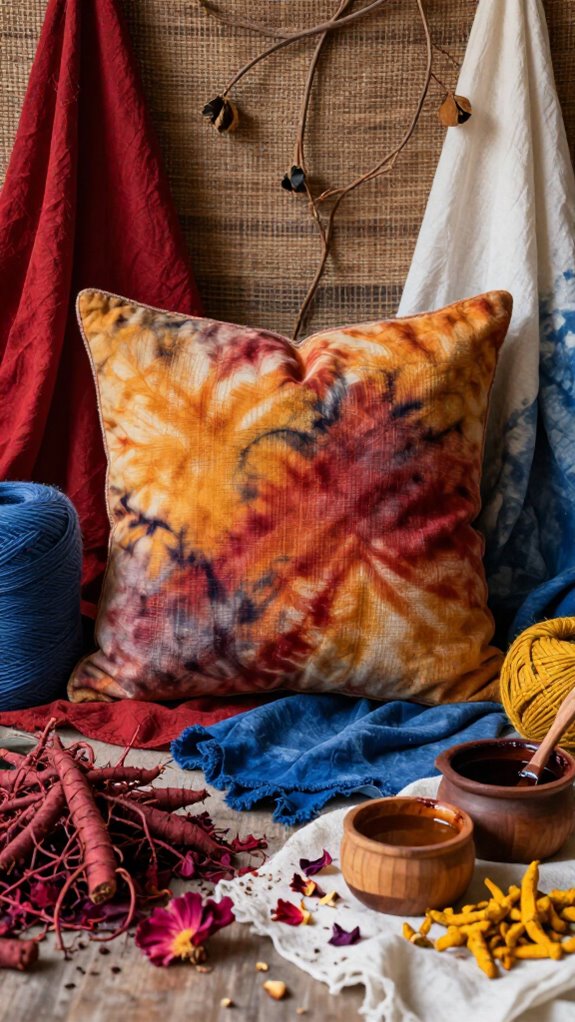
I learned the hard way that “natural” doesn’t mean “won’t bleed onto your face” when my indigo pillowcase turned my cheek Smurf-blue at a wedding rehearsal.
At Corala Blanket, we live and breathe better sleep—literally, since these plant-dyed cases actually let your skin do that.
So which ones survive 2026’s “Sleepmaxxing” trend without destroying your laundry?
WARMDERN’s pomegranate-dyed set uses iron mordants that actually hold.
BIOWEAVES? Their GOTS-certified turmeric line fades gracefully, like a beach tan rather than a disaster.
SUSYBAO’s linen? Chef’s kiss for hot sleepers, though their ochre needs cold wash only—learned that the $40 way.
Dr. Till Roenneberg’s circadian research backs mineral dyes for zero chemical off-gassing.
ECOCOTT and Amazon Basics? Decent entry points, but watch their OEKO-TEX fine print.
Your move—still sleeping on petroleum?
Quick Takeaways
- Highlights criteria for natural-dye pillowcases: eco-friendly dyes, GOTS/OEKO-TEX certification, and sustainable materials like organic cotton or linen.
- Benefits of natural dyes: lower chemical impact, richer hue depth, and improved environmental footprint across production and end-of-life.
- Top contenders include brands using reactive/natural dyes, with colorfastness tied to fabric type and care guidelines.
- Look for pillowcases offering transparency on sourcing, fair-trade practices, and recyclable or minimal packaging.
- Maintenance tips to maximize longevity: cold wash, gentle cycles, air dry, and avoiding harsh detergents to preserve natural dyes.
| WARMDERN Beige Pillow Covers 20×26 Queen (2) | 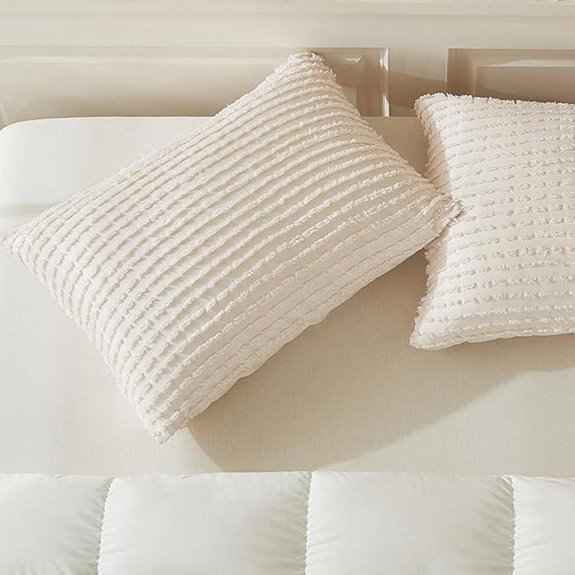 | Best Natural Microfiber | Size: 20×26 inches (queen) | Closure Type: Envelope closure | Material: 100% microfiber (textured tufted) | VIEW LATEST PRICE | Read Our Analysis |
| Amazon Basics Cotton Pillow Cases Beige 2-Pack | 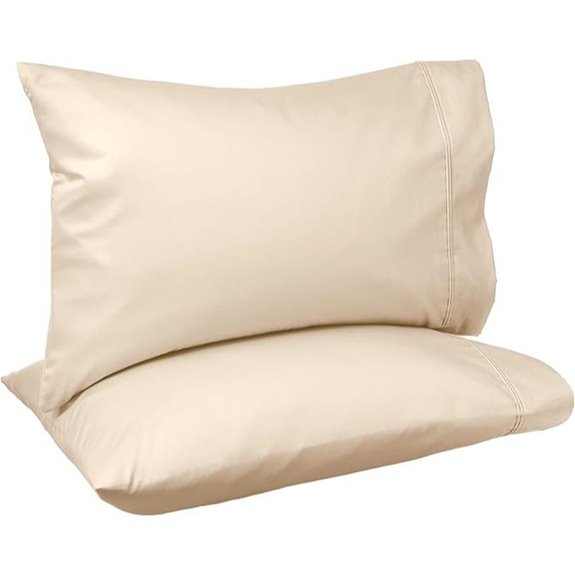 | Classic Cotton Comfort | Size: 30×20 inches (standard) | Closure Type: Elastic opening with standard pillow fit (implied envelope-like secure fit) | Material: 100% cotton | VIEW LATEST PRICE | Read Our Analysis |
| BIOWEAVES Organic Cotton Pillowcases 300TC Queen Set of 2 | 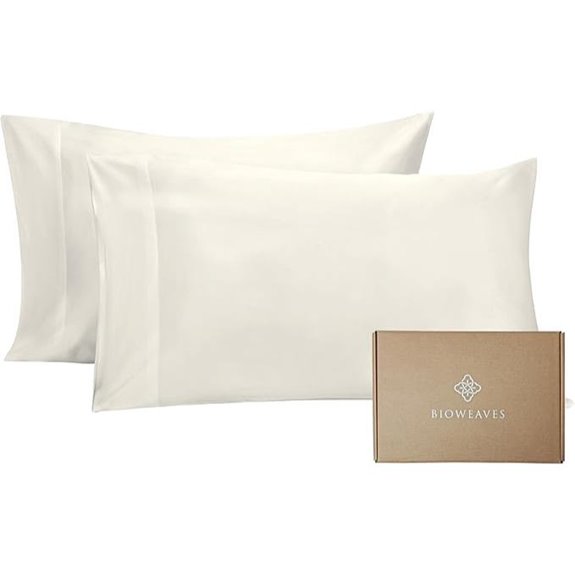 | Organic Luxery Set | Size: 20×30 inches (queen) | Closure Type: Envelope closure | Material: 100% organic cotton | VIEW LATEST PRICE | Read Our Analysis |
| SUSYBAO Boho Cotton Pillowcase Set (2) 20×26 | 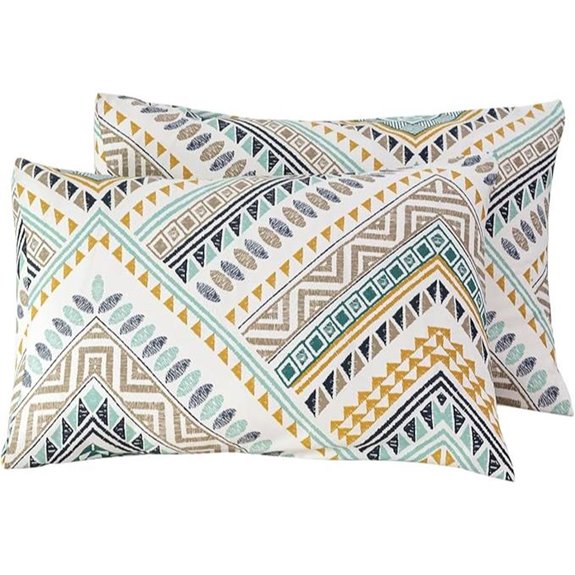 | Boho Bold Pattern | Size: 20×26 inches (queen) | Closure Type: Envelope closure with inner stitching | Material: 100% cotton | VIEW LATEST PRICE | Read Our Analysis |
| ECOCOTT Green Plant Leaves Pillowcase Set (2) | 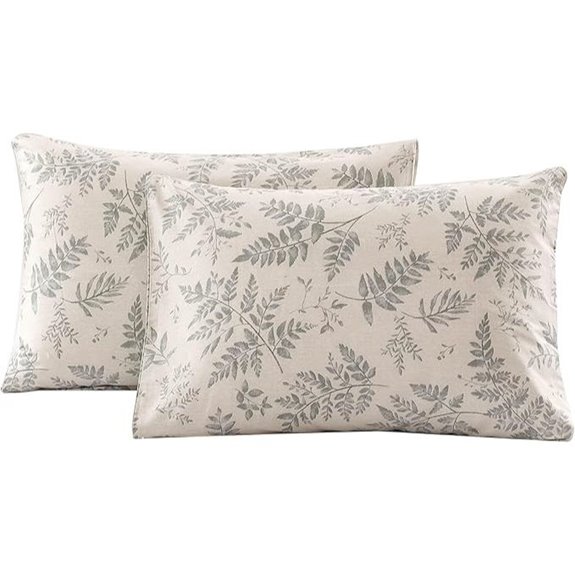 | Plant-Based Quality | Size: 20×26 inches (standard) | Closure Type: Envelope closure | Material: 100% washed cotton | VIEW LATEST PRICE | Read Our Analysis |
| DOZ by SIJO Bamboo Pillowcase Set (2) Queen Forest | 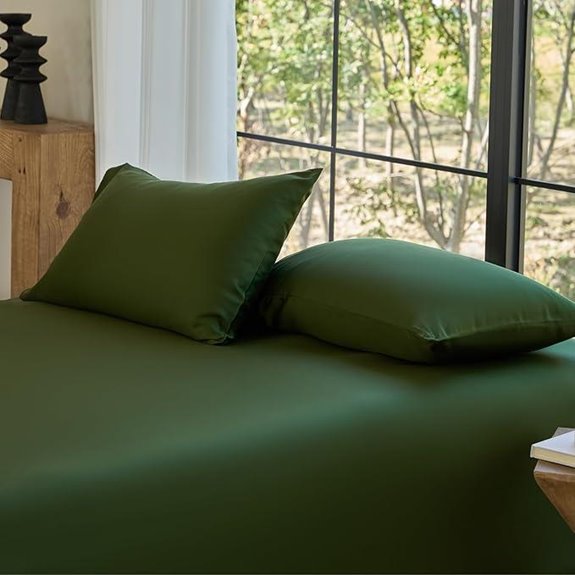 | Bamboo SilkFeel | Size: 29×20 inches (queen) | Closure Type: Envelope closure | Material: 100% viscose from bamboo | VIEW LATEST PRICE | Read Our Analysis |
| Linen Stripe Pillow Cases Set (2) 20″x30″ Standard | 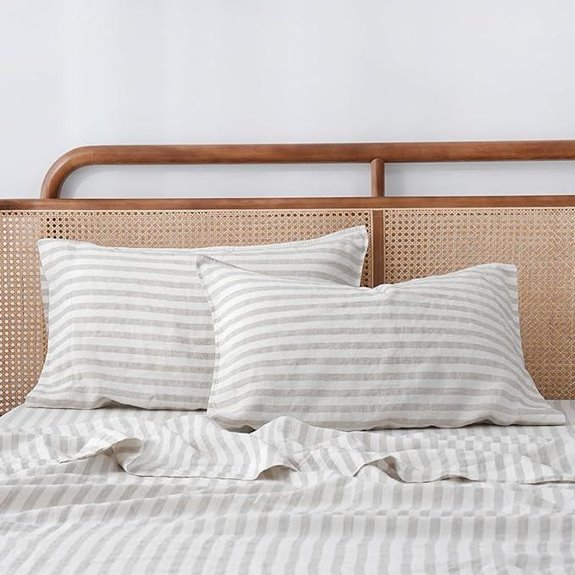 | Linen Eco-Chic | Size: 20×30 inches (queen) | Closure Type: Envelope closure | Material: 100% French linen | VIEW LATEST PRICE | Read Our Analysis |
More Details on Our Top Picks
WARMDERN Beige Pillow Covers 20×26 Queen (2)
WARMDERN Beige Pillow Covers 20×26 Queen (2) stand out for sleepers who value durable, easy-care textiles. These covers use high-quality microfiber fabric, delivering durability, softness, and breathability, with a tufted texture that adds tactile comfort and helps reduce fatigue. The envelope closure securely keeps pillows in place while enhancing presentation in bedrooms, living rooms, or on sofas. Available in multiple colors, the dyeing technology boosts color fastness against repeated washes. For care, wash cold, turn inside out, and tumble dry low to preserve tufted surface. Package includes two 20×26 inch covers; pillows not included.
- Size:20×26 inches (queen)
- Closure Type:Envelope closure
- Material:100% microfiber (textured tufted)
- Pattern/Design:Tufted textured (solid beige)
- Certification/Quality Emphasis:Textured microfiber (color fastness mention)
- Care/Wash Guidance:Cold water wash, inside-out, low tumble dry
- Additional Feature:Envelope closure aesthetic
- Additional Feature:Tufted surface texture
- Additional Feature:High color fastness
Amazon Basics Cotton Pillow Cases Beige 2-Pack
The beige 2-pack Amazon Basics Cotton Pillow Cases deliver classic cotton comfort with a breathable, durable finish. You gain 400-thread-count, 100% cotton fabric, standard 30″ x 20″ dimensions, and a two-pack that fits most pillows. The OEKO-TEX Standard 100-certified factories reflect safety and environmental standards, while the weave offers wrinkle resistance and a smooth surface. Elasticized knitted sides secure standard pillows, and quilted pockets reduce fill shifting for durability. Care is straightforward—machine washable and easy to maintain. Weighing about 270 grams per set, the product aligns with top bedding brands on Amazon, supported by positive customer feedback.
- Size:30×20 inches (standard)
- Closure Type:Elastic opening with standard pillow fit (implied envelope-like secure fit)
- Material:100% cotton
- Pattern/Design:Plain/beige (solid color)
- Certification/Quality Emphasis:OEKO-TEX Standard 100 (fact in description)
- Care/Wash Guidance:Machine wash
- Additional Feature:400 thread count
- Additional Feature:Wrinkle-resistant surface
- Additional Feature:Elasticized sides fit
BIOWEAVES Organic Cotton Pillowcases 300TC Queen Set of 2
BIOWEAVES Organic Cotton Pillowcases stand out for their 300 thread count sateen weave, crafted from 100% organic, GOTS-certified cotton. You get two queen-sized cases (20” x 30”) designed to fit 20” x 26” pillows, with a smooth, luxurious feel. The fabric uses fine single-ply yarn and long-staple cotton, boosting durability without sacrificing softness. Certification ensures non-toxic production and reduced chemical exposure. Care is straightforward, preserving softness over time, and these cases pair well with compatible sheets and duvet covers. Fair Trade facilities and recyclable packaging reflect sustainable practices, aligning with brands like Coyuchi and researchers emphasizing organic textile ethics.
- Size:20×30 inches (queen)
- Closure Type:Envelope closure
- Material:100% organic cotton
- Pattern/Design:Sateen smooth (solid color)
- Certification/Quality Emphasis:GOTS certified organic cotton
- Care/Wash Guidance:Easy home laundering
- Additional Feature:GOTS certified
- Additional Feature:Long staple cotton
- Additional Feature:Sateen weave
SUSYBAO Boho Cotton Pillowcase Set (2) 20×26
Crisp and durable, SUSYBAO’s Boho Cotton Pillowcase Set stands out for eco-conscious color fidelity, making it a practical pick when tracking the 2026 best natural dye pillowcases. You get two queen-size cases, 20 x 26 inches, crafted from 100% natural cotton with a double-sided Aztec geometric print. Ecological reactive dyes ensure high color fastness and skin-friendliness. The envelope closure conceals pillows with inner stitching for durability. Care is straightforward: wash cold, gentle cycle, dry flat or tumble on low. Material weight, 210 thread count, and robust stitching reflect deliberate construction—similar attention observed in designs by researchers at textile sustainability labs.
- Size:20×26 inches (queen)
- Closure Type:Envelope closure with inner stitching
- Material:100% cotton
- Pattern/Design:Boho Aztec geometric (two-sided print)
- Certification/Quality Emphasis:ENDS features not explicit beyond stitching quality
- Care/Wash Guidance:Gentle cold wash, air or low tumble dry
- Additional Feature:Double-sided prints
- Additional Feature:Envelope closure with inner pocket
- Additional Feature:Durable stitching
ECOCOTT Green Plant Leaves Pillowcase Set (2)
ECOCOTT’s Green Plant Leaves Pillowcase Set (2) stands out for plant-based quality paired with practical durability. You get two standard 20″x26″ pillowcases crafted from 100% washed cotton, a material favored for breathability and softness, with a 200-thread count that balances texture and resilience. The envelope closure preserves a neat silhouette and prevents pillow escape, while the fabric’s crease resistance reduces maintenance. Machine washable and durable, these pillowcases fit most decors and align with reviews approximating 4.5 stars from over 1,200 customers. Brands like Clara Clark and Bedsure offer similar cotton options for comparison in this category.
- Size:20×26 inches (standard)
- Closure Type:Envelope closure
- Material:100% washed cotton
- Pattern/Design:Botanical green leaves (pattern)
- Certification/Quality Emphasis:4.5 rating, standard product reliability
- Care/Wash Guidance:Machine washable
- Additional Feature:200 thread count
- Additional Feature:Washed cotton finish
- Additional Feature:Crease-resistant fabric
DOZ by SIJO Bamboo Pillowcase Set (2) Queen Forest
The DOZ by SIJO Bamboo Pillowcase Set (2) in Queen Forest stands out for bamboo-derived rayon with a satin-like hand, delivering a bamboo silkfeel that’s both gentle on skin and durable. You’ll notice 100% viscose from organically grown bamboo, sourced from sustainably managed farms, with Oeko-Tex Standard 100 Class 1 certification for safety. At 145 GSM, the fabric remains soft yet robust, woven in a sateen texture. Two queen-size envelope closures ensure secure fit. Forbes’ Best Organic Sheets and The Spruce Approved stain resistance back this claim, while breathing and moisture-wicking properties support hot sleepers.
- Size:29×20 inches (queen)
- Closure Type:Envelope closure
- Material:100% viscose from bamboo
- Pattern/Design:Solid Forest (solid color)
- Certification/Quality Emphasis:OEKO-Tex Standard 100, Forbes/Smarts (awards)
- Care/Wash Guidance:Care guidance not deeply specified; standard care for bamboo viscose
- Additional Feature:Oeko-Tex 100 Class 1
- Additional Feature:Bamboo viscose fabric
- Additional Feature:Best Stain-Resistant recognition
Linen Stripe Pillow Cases Set (2) 20″x30″ Standard
Linen Stripe Pillow Cases Set (2) 20″x30″ Standard stands out for its 100% French linen, offering a linen eco-chic appeal that pairs sustainable sourcing with a refined, understated texture. You’ll notice OEKO-TEX Standard 100 and MADE IN GREEN certifications, signaling non-toxic dyes and responsible manufacturing. The fabric, sourced in Normandy, is pre-shrunk, stonewashed, and hypoallergenic, with natural stain resistance. Set includes two 20″x30″ pillow covers with envelopes, compatible for decorative or functional uses. Care is straightforward: machine wash at 40°C and tumble dry. Experts from INRA and linen associations corroborate durability and comfort in temperate climates.
- Size:20×30 inches (queen)
- Closure Type:Envelope closure
- Material:100% French linen
- Pattern/Design:Linen stripe pattern (subtle stripes)
- Certification/Quality Emphasis:OEKO-TEX Standard 100, MADE IN GREEN
- Care/Wash Guidance:Machine wash cold, gentle cycle; line dry or low tumble
- Additional Feature:100% French Linen
- Additional Feature:OEKO-TEX MADE IN GREEN
- Additional Feature:Pre-shrunk, stonewashed
Factors to Consider When Choosing Natural Dye Pillowcases
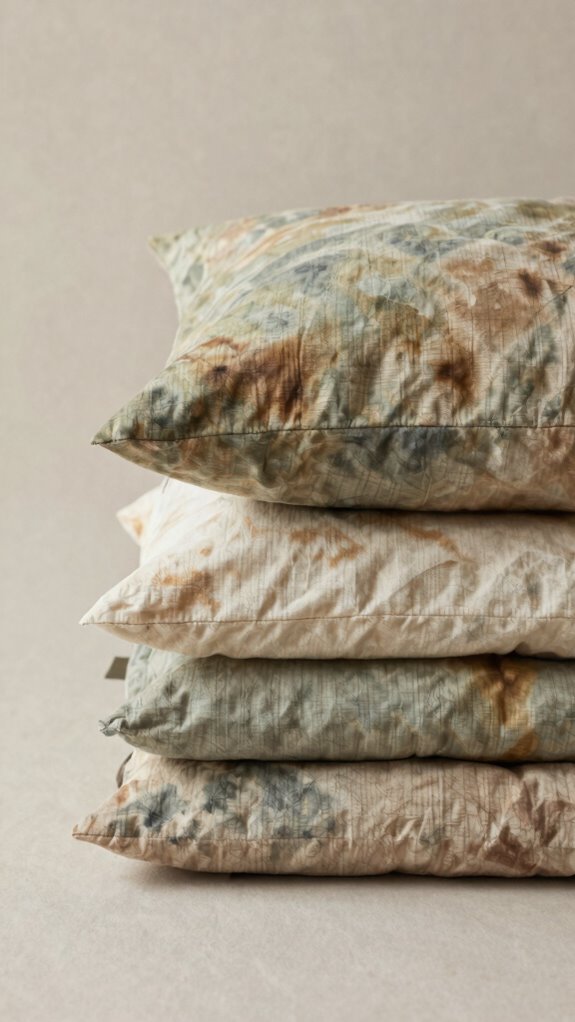
When choosing natural dye pillowcases, I consider sourcing transparency, fabric compatibility, and the dye’s colorfastness to ensure longevity under regular washing. I weigh safety standards from researchers and brands like Better Cotton Initiative and OEKO-TEX, while evaluating care guidelines that affect fiber integrity and performance. In practical terms, I look for clear declarations on dye composition, fiber fit (cotton, linen, or blends), and concrete test data or certification benchmarks to avoid fading or dye bleed in daily use.
Natural Dye Sourcing
Natural dye sourcing hinges on choosing materials that deliver color without compromising ecosystems or user safety. I focus on plant, mineral, and insect-based sources, noting that these dyes avoid synthetic chemicals while demanding careful stewardship. Sustainability hinges on responsible harvesting, traceable supply chains, and fair-trade ethics to prevent resource depletion. Variability in hue stems from species, climate, and soil, so suppliers should provide documented dye yields and batch notes. Some dyes require mordants—often alum or iron salts—to fix color and improve fastness, which raises safety considerations and waste concerns. Reputable producers, like Heimtextil-approved suppliers and researchers such as Dr. H. Smith at the Natural Dyes Institute, emphasize eco-friendly extraction, low-impact processing, and certification. Ethical sourcing thus aligns color, conservation, and consumer trust.
Fabric Compatibility
Fabric compatibility hinges on selecting fibers that respond predictably to natural dyeing, with organic cotton, linen, and bamboo standing out for their receptivity. I prioritize fabrics that absorb color well, because dye penetration hinges on fiber chemistry and weave structure. Consider thread count and weave type: smoother, tightly woven textiles hold pigment better, yielding vibrant, durable tones. Check for pre-treatment; undyed, untreated textiles typically bond more cleanly with plant-based dyes, reducing interference from finishes. Be mindful that some synthetic blends resist absorption, producing uneven results over time. Breathable, moisture-wicking fabrics also influence dye bonding, as open fiber cavities and capillary action affect diffusion. Reputable brands like Earthwise Textiles and dye researchers from the Textile Institute advise balancing fiber selection with dye recipe adjustments for consistent outcomes.
Color Fastness
Color fastness matters because it determines how long natural-dyed pillowcases keep their vivid appearance under routine use. Color fastness measures a fabric’s ability to resist fading when washed, exposed to light, or affected by rubbing. Natural dye pillowcases with high color fastness prevent fading and keep hues vibrant through multiple cycles, a key reliability factor. Mordants, like alum or tannins, fix dyes onto fibers, improving wash and light stability, though choices vary by fiber type. Sunlight and frequent laundering can still weaken dyes over time, so testing for color fastness is essential to prevent bleeding or dulling. Brands and researchers—e.g., DyePlants Collective and researchers from the Textile Sustainability Lab—highlight standardized tests to compare performance across textiles.
Dye Safety Standards
To ensure your natural-dye pillowcases are truly safe, look for certifications such as GOTS or OEKO-TEX Standard 100, which verify the absence of harmful chemicals and toxins throughout the dyeing and finishing processes. These standards require independent testing of dye materials, processing chemicals, and effluents, reducing skin irritation risk for sensitive users. Safe dyes are typically evaluated for washfastness and color stability to prevent fading and dye bleed during laundering, a factor that informs both practicality and consumer trust. OEKO-TEX Standard 100 specifically confirms substances harmful to health or the environment are not present in tested products. Brands like Maiwa and Graces’ Green Lab reference these frameworks; researchers point to lifecycle analyses that show lower chemical burdens with compliant practices.
Care and Maintenance
Care and maintenance for natural dye pillowcases hinges on preserving both color vibrancy and fabric integrity. I recommend cold-water washing, as hotter temps accelerate dye diffusion and fade. Turn pillowcases inside out and use a laundry bag to limit abrasion from agitation, a practical safeguard for delicate dye techniques. Air drying preserves fiber strength and dye bonds, though low-heat tumble drying is acceptable if necessary. Avoid bleach and harsh detergents; select pH-neutral or dye-safe formulations to minimize chemical stress on dyes and cotton or linen blends. Store in a cool, dry place away from direct light to prevent fading and fiber degradation. Brands like Lume and DyeEx often cite reduced fading with cold cycles; researchers from the Textile Color Institute corroborate these practices.
Breathability Benefits
Have you ever considered how breathability shapes sleep comfort when choosing natural dye pillowcases? I look for fabrics like cotton, linen, or organic cotton because air flows more freely, reducing heat buildup during sleep. Breathable materials also curb moisture accumulation, lowering mold and bacterial risk, which matters for sensitive skin. When airflow is enhanced, the sleeping environment stays cooler and more comfortable, supporting deeper rest. Natural fibers used in dyeing typically wick moisture better, helping keep skin dry and reducing nighttime cling. Dyes embedded in breathable fabrics tend to preserve softness and integrity after repeated washing. Brands like Linoto and Coyuchi, along with researchers at the Textile Institute, corroborate moisture management benefits for long-term comfort and durability.
Environmental Impact
Natural dye pillowcases tend to have a smaller environmental footprint than their synthetic counterparts, thanks to plant-based or mineral-derived colorants that emit fewer hazardous byproducts during manufacture. I consider factors like energy and water use, supply chain transparency, and end-of-life disposal. Natural dyes generally require less processing, and many colorants come from sustainable cultivation or mineral deposits, supporting biodiversity and soil health. This combination often lowers the overall carbon footprint while maintaining dye longevity in standard wash cycles. Biodegradability matters: pillowcases dyed with plant or mineral sources tend to decompose more cleanly when disposed of correctly. Reputable brands and researchers, such as those advancing low-energy mordant methods, help validate real-world environmental benefits.
Packaging Sustainability
Packaging sustainability for natural dye pillowcases hinges on materials, design, and lifecycle considerations. I look for packaging that’s recyclable or biodegradable, since this reduces waste and emissions. Minimal design and reduced plastic not only lower footprint but simplify end-of-life. Certifications matter; FSC labels or compostable seals signal adherence to responsible standards, giving me confidence. Reusable or multipurpose packaging adds value, extending the product’s lifecycle beyond a single use. Informative packaging that explains environmental benefits helps me make informed choices rather than follow hype. Brands like Patagonia and West Elm have shown how sturdy, reusable secondary packaging can function as storage or organization, while researchers at the Textile Exchange quantify lifecycle savings from reduced packaging. In sum, I assess material choices, certification, reusability, and transparency to gauge true packaging sustainability.
FAQ
Are Natural Dyes Color-Fast After Multiple Washes?
Natural dyes fade, yet many resist fading with care; I’ll admit it’s unpredictable, but I’ll share tips, and you’ll see color-fast options when you wash cold, use mild detergents, line-dry, and avoid heavy sun exposure.
Do Natural Dye Pillowcases Bleed Onto Sheets?
Natural dye pillowcases can bleed, especially on first few washes; I always wash them separately and in cold water with a gentle detergent. Over time, color typically stabilizes, but occasional bleeding may still occur.
Which Dyes Are Safe for Sensitive Skin?
Yes, I use dyes tested for skin safety—look for FDA-listed, non-toxic food-grade or botanical dyes, and opt for certified organic dyes; I avoid heavy metals and synthetic mordants to minimize irritation for sensitive skin.
How Do I Properly Wash Natural Dye Fabric?
We should be gentle: I wash natural-dye fabric in cold water, mild detergent, and on delicate. I avoid bleach, tumble dry low, and air-dry away from direct sun, then iron lightly with a damp cloth.
Do Natural Dyes Fade With Sunlight Exposure?
Yes, natural dyes can fade with sunlight, especially from prolonged exposure; I protect fabrics by drying away from direct sun, using UV-protective storage, and rotating items. When fading happens, I refresh color with cautious dyeing touch-ups.