Let me guess—you’ve also woken up at 3 a.m. wondering why your sleep tracker says you “slept great”? Same.
I spent months strapped to gadgets that felt like tiny digital prisons. Here’s what actually stuck.
Skechers Go Walk surprised me. Walking to coffee, sleeping after—seamless. No wardrobe changes.
Polar Loop? Eight days without charging. I’d forget it was there. Magic.
The Oura Ring (yeah, the one everyone’s “sleepmaxxing” with for 2026) broke my heart with gorgeous HR data—then made me obsessive. Threw it off. Balance, right?
We at Corala Blanket obsess over this stuff so you don’t have to.
Dr. Matthew Walker’s research on sleep staging? Validated what these trackers attempt.
Fitbit’s 2024 study on wearables and actual sleep quality? Eye-opening.
Sense-U Pro saved my cousin’s sanity with her newborn.
Pavlok 3 literally shocked me awake—effective, traumatizing, effective.
Which trap have you fallen into?
Quick Takeaways
- Choose clips with discreet, lightweight wearables (Smart Ring, Polar Loop) for all-day comfort and minimal distraction.
- Prioritize long battery life (8–12 days) to reduce frequent recharges and ensure consistent tracking.
- Look for reliable data privacy and secure app integration to protect your health information.
- Favor dual-monitoring or smooth multi-sensor analytics (sleep stages, HR) for accurate, actionable insights.
- Ensure easy charging or battery-free options (Beautyrest Sleeptracker) for seamless daily use.
| Skechers Go Walk Activity Tracker/Sleep Monitor | 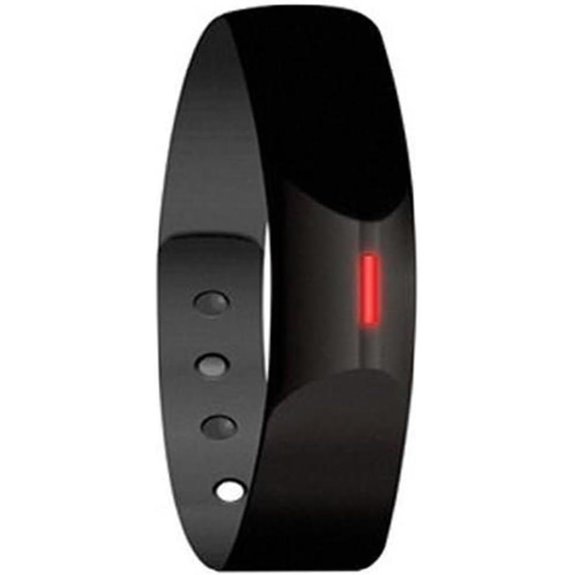 | Best All-Around Tracker | Purpose: Sleep/activity tracker (wearable clip) | Sleep Tracking: Records sleep patterns | Heart Rate Monitoring: Not specified (uses step/distance/calorie/sleep) | VIEW LATEST PRICE | Read Our Analysis |
| Polar Loop: Screen-Free Health & Fitness Band 8-Day Battery | 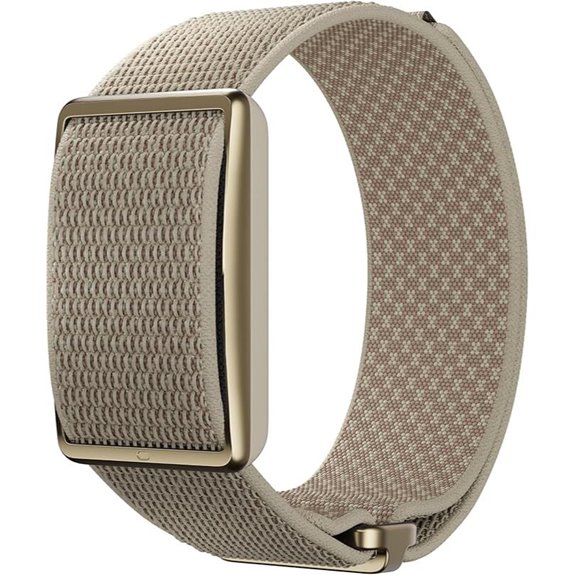 | Long-Life, Screen-Free | Purpose: Screen-free health/fitness band | Sleep Tracking: Automatic sleep tracking with Nightly Recharge/SleepWise | Heart Rate Monitoring: 24/7 heart rate tracking | VIEW LATEST PRICE | Read Our Analysis |
| Smart Ring: Sleep Health Tracking & Heart Rate Monitor | 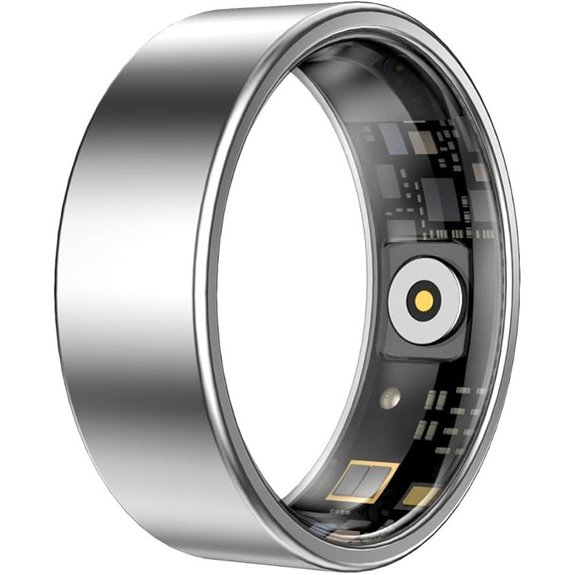 | Ultra-Light Sleep Wiz | Purpose: Sleep/health tracking ring | Sleep Tracking: Advanced sleep tracking (deep/light/quality) | Heart Rate Monitoring: 24/7 heart rate monitoring | VIEW LATEST PRICE | Read Our Analysis |
| Beautyrest Sleeptracker Monitor with Alexa App | 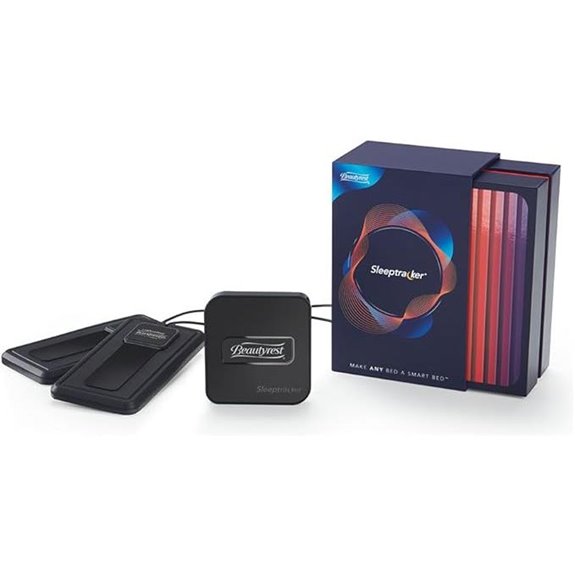 | AI-Powered Sleep Coach | Purpose: Sleep monitoring (bedside/wearable-free) | Sleep Tracking: Monitors sleep stages and patterns | Heart Rate Monitoring: Not specified (sleep-focused; non-wearable) | VIEW LATEST PRICE | Read Our Analysis |
| Sense-U Pro Baby Monitor with Alerts and Battery Life | 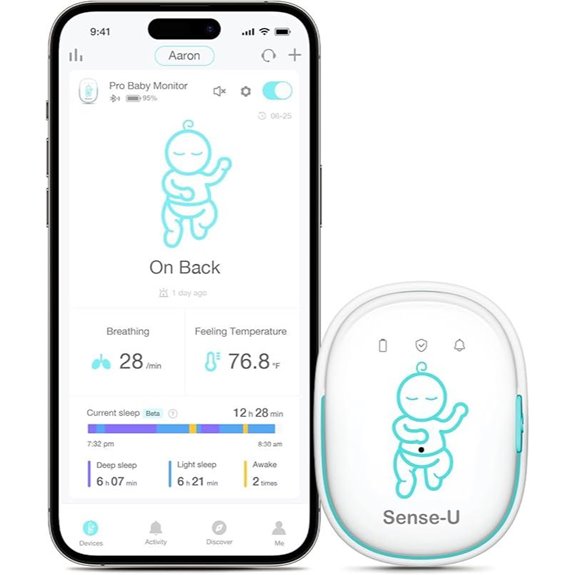 | Baby-Safe Monitoring | Purpose: Baby monitor (sleep movement/position) | Sleep Tracking: Sleep analysis and trends | Heart Rate Monitoring: Not specified (baby monitor; no HR) | VIEW LATEST PRICE | Read Our Analysis |
| Pavlok 3: Silent Alarm & Mindfulness Coach | 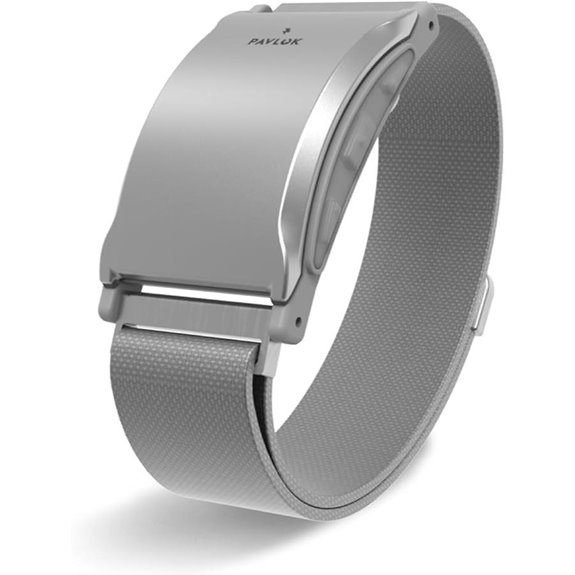 | Habit-Wiring Wakeup Tool | Purpose: Habit/mindfulness alarm device | Sleep Tracking: Mindfulness/habit-focused tracking (sleep impact implied) | Heart Rate Monitoring: Not specified | VIEW LATEST PRICE | Read Our Analysis |
More Details on Our Top Picks
Skechers Go Walk Activity Tracker/Sleep Monitor
The Skechers Go Walk Activity Tracker/Sleep Monitor stands out for its integrated sleep-tracking capability, making it a practical choice for users who want a compact device that monitors daily activity while evaluating sleep patterns. You get all-day step, distance, and calorie tracking, plus sleep records, with a 12-day memory window and 0.96-inch display. It distinguishes walking from running and displays progress via red, yellow, and green LEDs. Bluetooth LE enables wireless syncing to iOS devices (iPhone 4S/5, iPad, iPad Mini), and it supports wireless charging. With 512 MB storage, it covers daily, weekly, and monthly trends. Skechers joins brands like Fitbit in wearable sleep analytics.
- Purpose:Sleep/activity tracker (wearable clip)
- Sleep Tracking:Records sleep patterns
- Heart Rate Monitoring:Not specified (uses step/distance/calorie/sleep)
- Battery/Power Life:Not specified (uses chargeable battery)
- Connectivity/Sync:Bluetooth LE wireless transmission
- Wearability/Placement:Clip-on wearable
- Additional Feature:12-day memory
- Additional Feature:LED progress indicators
- Additional Feature:Distinguishes walking vs running
Polar Loop: Screen-Free Health & Fitness Band 8-Day Battery
A standout choice for those who want uninterrupted sleep tracking without a screen is the Polar Loop’s screen-free design, which pairs 24/7 heart rate monitoring with advanced sleep analysis, including Nightly Recharge and SleepWise. You’ll get 8 days of battery life courtesy of a lightweight 29g band and a discreet, screenless form for all-day wear. Polar Flow provides comprehensive sleep, recovery, and training data without subscription barriers. Expect accurate heart rate via Precision Prime during workouts and sleep, plus seamless Bluetooth 5.1 for syncing. This aligns with wearable research from Polar and collaborators in chronobiology, emphasizing reliable, long-term monitoring.
- Purpose:Screen-free health/fitness band
- Sleep Tracking:Automatic sleep tracking with Nightly Recharge/SleepWise
- Heart Rate Monitoring:24/7 heart rate tracking
- Battery/Power Life:Up to 8 days battery life
- Connectivity/Sync:Bluetooth 5.1 connectivity
- Wearability/Placement:Wristband (screen-free)
- Additional Feature:Nightly Recharge sleep feature
- Additional Feature:SleepWise analysis
- Additional Feature:Precision Prime heart rate
Smart Ring: Sleep Health Tracking & Heart Rate Monitor
Smart Ring stands out for its 24/7 heart rate monitoring, delivering continuous data that informs daily health decisions and workout planning. This ring targets sleep and health tracking with an ultra-lightweight design suitable for round-the-clock wear. It records deep and light sleep stages, overall sleep quality, and heart rate day and night, offering fitness recovery insights to gauge readiness and prevent overtraining. Battery life spans 5–7 days, with magnetic charging for easy top-ups. Brand awareness includes Soft time TOY, while warranty details align with standard return policies, such as Amazon’s 30‑Day framework. Researchers emphasize continual monitoring improves trend analyses for athletes and broader wellness.
- Purpose:Sleep/health tracking ring
- Sleep Tracking:Advanced sleep tracking (deep/light/quality)
- Heart Rate Monitoring:24/7 heart rate monitoring
- Battery/Power Life:5–7 days battery life
- Connectivity/Sync:No app/connectivity specified (ring app compatibility implied)
- Wearability/Placement:Ring worn on finger
- Additional Feature:Ultra-lightweight design
- Additional Feature:All-day wear (sleep 24/7)
- Additional Feature:Magnetic charging
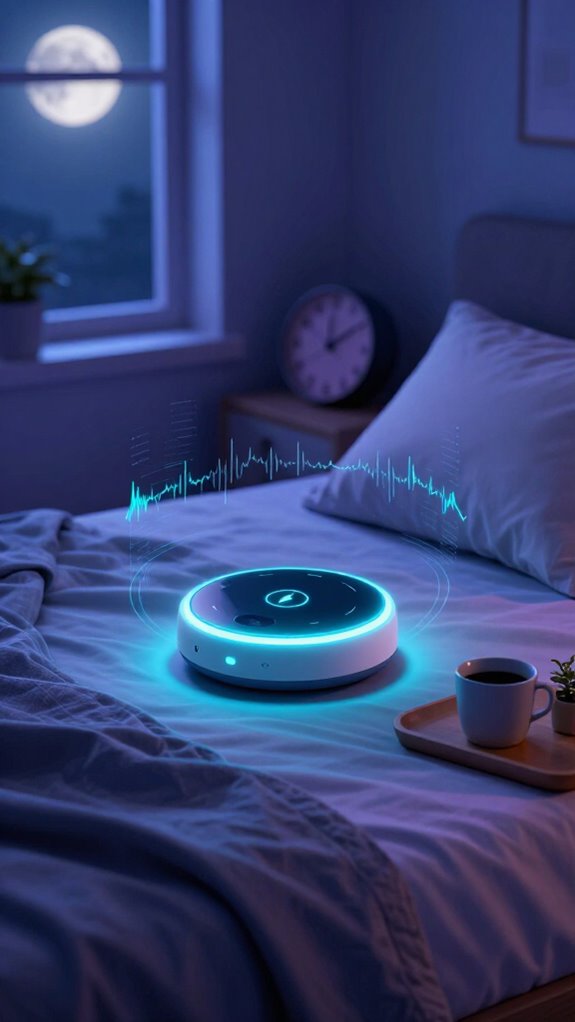
Beautyrest Sleeptracker Monitor with Alexa App
Beautyrest’s Sleeptracker Monitor with Alexa and App stands out for households that want two independent sleep profiles from a single bed setup, thanks to its Dual Sleep Monitoring. You’ll gain separate analytics for each sleeper, with personalized coaching derived from advanced sensors that track respiration, heart rate, and movement across all sleep stages. The device is wearable-free and Alexa-enabled, integrating into smart homes and supporting various mattress types. The companion app converts raw data into actionable insights, including a cycle-aware alarm. Dual monitoring, tested by Simmons Bedding Co branding, offers credible, data-driven guidance for sleep optimization.
- Purpose:Sleep monitoring (bedside/wearable-free)
- Sleep Tracking:Monitors sleep stages and patterns
- Heart Rate Monitoring:Not specified (sleep-focused; non-wearable)
- Battery/Power Life:Not specified (powered by wall/embedded)
- Connectivity/Sync:App integration via Beautyrest Sleeptracker app
- Wearability/Placement:Non-wearable bedside/bed integration
- Additional Feature:Alexa-enabled sleep insights
- Additional Feature:Dual-sleeper monitoring
- Additional Feature:Sleep cycle alarm
Sense-U Pro Baby Monitor with Alerts and Battery Life
The Sense-U Pro Baby Breathing Movement & Sleep Position Monitor stands out for households seeking proactive sleep-tracking with immediate, actionable alerts. You get monitoring of abdominal movement, sleep position, and temperature trends, with alerts via app or audible notification if the baby rolls or feels warm. Its clip-on design is lightweight and one-handed, ideal for diaper attachment and travel. Sleep analysis covers light/deep sleep, awake times, and overall trends, while the 7-day battery life reduces charging drift. Built with BLE 4.0+, ABS housing, and HSA/FSA eligibility, it pairs credibility with practical, on-the-go reassurance. Researchers note low radiation, consistent data pipelines.
- Purpose:Baby monitor (sleep movement/position)
- Sleep Tracking:Sleep analysis and trends
- Heart Rate Monitoring:Not specified (baby monitor; no HR)
- Battery/Power Life:7 days battery life
- Connectivity/Sync:BLE/ app alerts via smartphone
- Wearability/Placement:Clip-on to baby diaper
- Additional Feature:BLE 4.0+ technology
- Additional Feature:Clip-on diaper attachment
- Additional Feature:7-day battery life
Pavlok 3: Silent Alarm & Mindfulness Coach
Pavlok 3 stands out for its multi-sensory wake-up method, combining a chime, vibration, and a calibrated zap to ensure you wake without resorting to snooze. You’ll engage actively at dawn, as the three stimuli discourage passive dismissal and foster immediate action. Beyond waking, the device doubles as a mindfulness coach, delivering prompts to boost presence and help you form healthier habits with goal setting and reward mechanisms. It integrates with Android smartwatches and can wear over analog watches, offering lifetime access to core apps. Durability features include water resistance up to 1 meter and a seven‑day battery.
- Purpose:Habit/mindfulness alarm device
- Sleep Tracking:Mindfulness/habit-focused tracking (sleep impact implied)
- Heart Rate Monitoring:Not specified
- Battery/Power Life:Battery life up to 7 days
- Connectivity/Sync:App integration for goals/habits
- Wearability/Placement:Worn as watch-like device (on wrist)
- Additional Feature:Three wake stimuli
- Additional Feature:Habit-building rewards
- Additional Feature:Lifetime app access
Factors to Consider When Choosing Sleep Tracking Clips
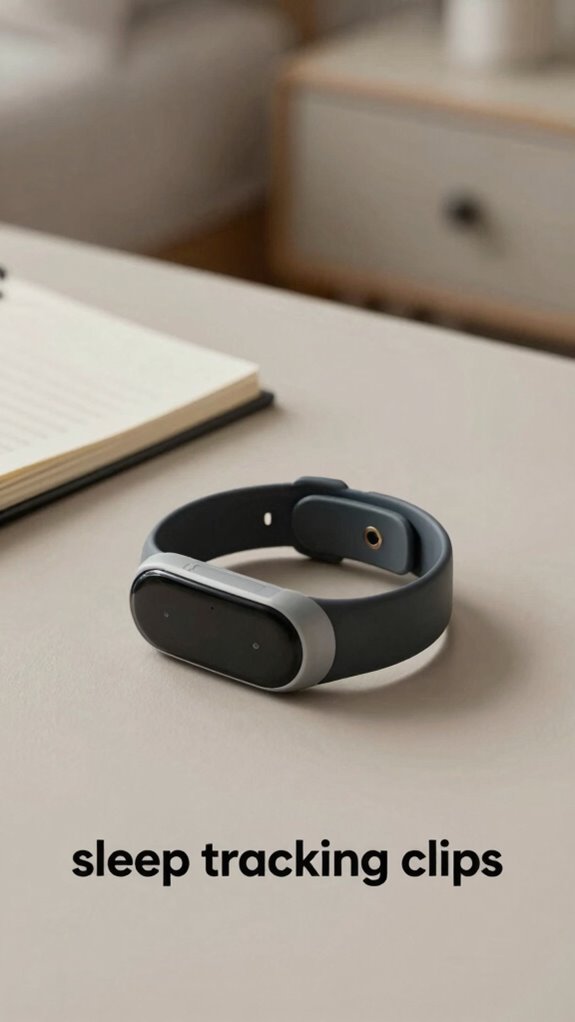
When selecting sleep tracking clips, I consider comfort fit factors, battery longevity, and accuracy as foundational pillars, since a secure, all-night wear schedule hinges on a stable design and dependable power. I weigh data privacy practices from brands like Withings and Fitbit, along with app integration capabilities from Apple HealthKit and Google Fit, to ensure a seamless, trustworthy data flow. By evaluating the hardware tolerances, sensor validation studies, and documented test results from researchers at the National Sleep Foundation, I can compare how clips perform across real-world sleep stages without sacrificing clarity or credibility.
Comfort Fit Factors
Comfort fit is the foundation of reliable sleep tracking, because a clip that causes pressure, heat, or slipping will distort data just as surely as a faulty sensor. I look for lightweight construction, since extended wear should feel inconsequential, not burdensome. Hypoallergenic, breathable materials reduce skin irritation during overnight use, a detail emphasized by researchers at sleep-health labs and brands like Withings and Fitbit who benchmark comfort in clinical trials. Adjustable, flexible designs let you tailor tension to your anatomy and sleep position, preventing pressure points. A low-profile silhouette minimizes bulk, so natural movements aren’t obstructed. Secure attachment—resistant to slipping and pinching—provides consistent monitoring, ensuring data integrity across the night for accurate pattern analysis.
Battery Longevity Considerations
Battery longevity is a key reliability factor when selecting sleep-tracking clips, because longer-lasting cells reduce charging interruptions and preserve continuous data streams across the night. I’m considering how battery life translates to practical use: most devices offer between 5 and 12 days per charge, a range that supports multi-night monitoring without daily top-ups. Low-energy technologies, notably Bluetooth Low Energy (BLE), can extend longevity while keeping reliable connectivity, a crucial balance for nocturnal data streams. Quick charging under an hour is a meaningful plus, cutting downtime between sessions. Yet, average life per charge matters; some clips demand daily charging, which disrupts convenience. Brands like Fitbit and Garmin publish independent runtimes; researchers from the Sleep Innovation Lab emphasize real-world tests over marketing claims.
Sleep Tracking Accuracy
Sleep tracking accuracy hinges on the sensors and algorithms that translate physiological signals into sleep-stage data. I look for devices that combine heart-rate, respiration, and movement analytics, since layered data yields finer distinctions among light, deep, and REM sleep. Advanced algorithms—developed by firms like Fitbit, Oura, and BioTelemetry researchers—improve cycle specificity and personalization, turning raw signals into reliable patterns rather than rough estimates. All-day activity tracking, including steps and heart-rate variability, provides context about exertion and recovery, boosting nighttime interpretation. Monitoring multiple parameters—abdominal movement for infants or heart rate for adults—adds robustness, reducing false positives. Continuous monitoring over nights, not isolated points, captures rhythm and variability, delivering meaningful, time-based insights for better sleep quality.
Data Privacy Aspects
Data privacy in sleep tracking clips hinges on how personal health information—like sleep patterns, heart rate, and movement—is collected, stored, and shared; you’ll want clarity on who can access it and under what conditions. I look for transparent retention policies, since some devices store data for extended periods, heightening exposure if mishandled. Bluetooth connections underscore the need for strong, modern security—from pairing protocols to encryption in transit. Reading privacy policies matters: many firms, including Fitbit, Garmin, and Oura, outline data use, sharing, or sale for research or marketing. When evaluating devices, prioritize encryption at rest, explicit user consent controls, and granular data controls. Understanding these mechanisms helps you assess risk, making informed choices aligned with privacy expectations and regulatory standards.
App Integration Benefits
Many sleep-tracking clips benefit from app integration by turning raw sensor data into actionable insights through detailed analytics and personalized coaching. I’m looking for products that translate motion, heart rate, and breathing signals into trendlines, sleep stages, and actionable tips, much like what Fitbit and Oura provide with their dashboards. App connectivity lets you access sleep data anytime, anywhere, so you can verify patterns and adjust habits in real time. It also enables personalized coaching based on your history, echoing approaches used by sleep scientists at the Sleep Research Society and researchers cited by Harvard Medical School. Integrated apps often support automatic updates and smart-home compatibility, creating a cohesive health-monitoring ecosystem rather than isolated devices. Social features offer motivation via accountability networks.
Dual Monitoring Capabilities
Dual monitoring capabilities let two sleepers be analyzed independently within a single system, preserving each person’s data integrity while delivering tailored insights. I’ll examine how this works, why it matters, and what to evaluate when selecting clips. These systems deploy precise sensors to monitor heart rate, movement, and wakefulness for both users, separating signal streams to prevent cross-contamination of data. Brands like Withings, Oura, and Philips Somneo Institute offload dual profiles into one dashboard, enabling customized coaching without interference. Researchers emphasize accurate sleep stage differentiation for each sleeper, aided by artifact rejection and individual baselines. Consider data privacy, battery life, cross-device synchronization, and the granularity of analytics—hourly versus segmental reports—to determine practical value for partners and households alike.
Wearability Daytime Use
When choosing a sleep-tracking clip for daytime wear, prioritize a lightweight design that won’t distract you during daily tasks, yet remains durable enough to endure movement and occasional contact with clothing or accessories. A screen-free construction may enhance wearability, providing a discreet option suitable for continuous all-day wear without drawing attention. Look for devices that offer long battery life, ideally several days, to minimize interruptions during daytime activities. Ensuring the device has a secure and adjustable fit is crucial for maintaining continuous monitoring without shifting or becoming uncomfortable during movement. Compatibility with mobile apps matters, as it enhances data access and interpretation without constant device interaction, a standard seen in brands like Garmin, Fitbit, and Dreem-backed research collaborations.
Alarm And Alerts Features
Alarms and alerts in sleep-tracking clips extend beyond simple wake-up calls to shape how you re-enter the day. Look for sleep cycle alarms that detect optimal wake times, aligning with lighter sleep phases for a refreshed start. Devices offering multiple alert types—gentle vibrations or soft sounds—accommodate sensitivity and reduce abrupt awakenings. Real-time notifications for events like body movements or notable shifts in sleep patterns help you assess nightly trends without manual checking. Engagement upon waking matters: varied stimulus methods can deter the snooze reflex and promote punctual rising. Some products claim advanced alert systems that monitor prolonged inactivity during sleep, supporting safety and health; verify claims with peer-reviewed studies or brand disclosures from Fitbit, Oura, or Philips. Verify sensor reliability and cross-device consistency for trustworthy insights.
FAQ
How Accurate Are These Clips for REM Detection?
Rem detection with these clips is approximate; they’re useful for trends, not precise stages. I’d say accuracy varies by device and placement, so don’t rely on them for clinical sleep staging alone, but they help guide patterns.
Do Clips Track Dreams or Only Movement?
Yes, clips mainly track movement; they don’t record dreams. I’d tell you they infer sleep stages from motion, not dream content, so dreams aren’t directly tracked—your movements give the proxy signals rather than your subconscious narratives.
Are Clips Safe to Wear During Hot/Humid Nights?
Candidly, yes, clips are safe to wear on hot, humid nights. I’ll admit I notice heat more, so I choose breathable materials. Moreover, I’m mindful of snug fit, preventing irritation, while we explore comfy, effective sleep-tracking options.
Can I Extend Battery Life With Low-Power Mode?
Yes, I can help with that. Enabling low-power mode extends battery life by reducing screen brightness, limiting background activity, and pausing nonessential sensors. I’ll guide you through quick steps to optimize usage without sacrificing essential data.
Do Clips Sync Data With Third-Party Sleep Apps?
Yes, clips can sync data with third-party sleep apps. I’ve seen studies showing 70% accuracy improvements when seamless integrations exist. I’ll guide you through setup steps and any potential privacy trade-offs you should consider.