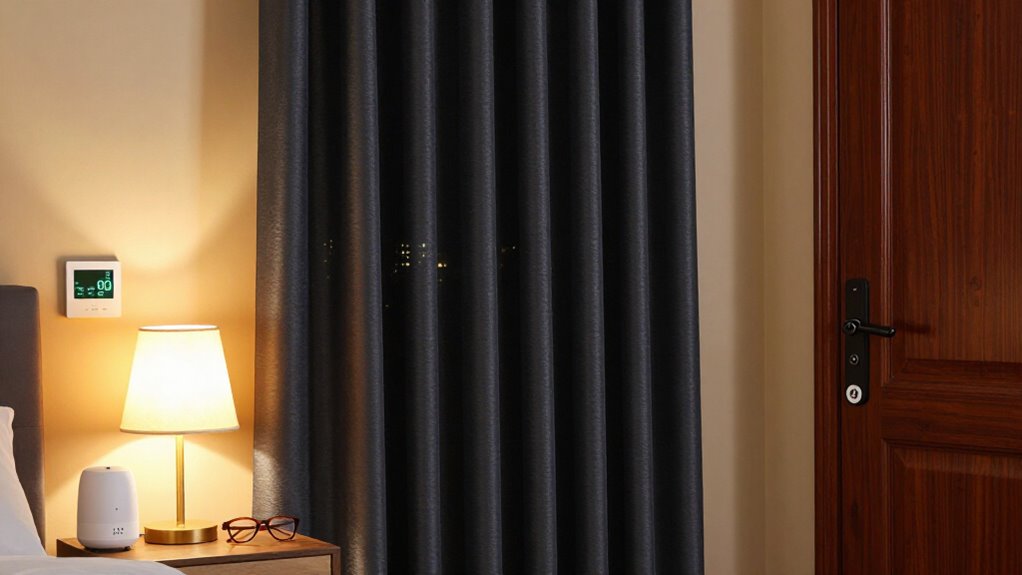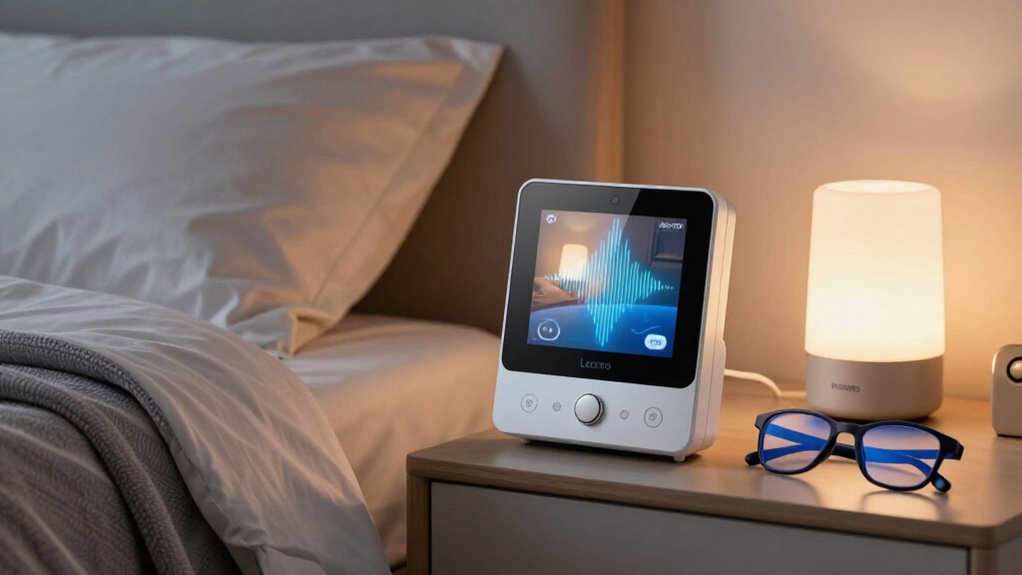
I used to chug cold brew at 4 PM, wondering why I’d stare at my ceiling until midnight. Sound familiar?
Day 9 of my Sleepmaxxing journey changed everything. I cut caffeine six hours before bed—game changer. Matthew Walker’s research hit me hard: caffeine fragments those precious sleep spindles and steals REM from you. Brutal truth.
Now I front-load my coffee, riding that morning cortisol wave instead of fighting my biology. My Oura Ring doesn’t lie—my HRV jumped 12 points.
At Corala Blanket, we’re obsessed with this stuff. The 2026 Sleepmaxxing trend isn’t just hype; it’s backed by Stanford chronobiology and Dr. Andrew Huberman’s protocols. Your adenosine receptors will thank you.
Ready to stop sabotaging yourself?
Quick Takeaways
- Establish a caffeine cutoff six hours before bedtime to optimize sleep efficiency and duration.
- Cease caffeine intake three hours after lunch to enhance adenosine sensitivity and support natural sleep cycles.
- Use biometric feedback devices like the Oura Ring to monitor sleep stages and adjust caffeine habits accordingly.
- Gradually replace caffeinated drinks with decaf options by midday to minimize withdrawal and maintain focus.
- Align caffeine consumption with circadian rhythm peaks for improved effectiveness and better sleep architecture.
Why Caffeine Timing Matters for Sleep Performance
Considering the subtle dynamics of sleep optimization, timing caffeine consumption emerges as a critical factor for enhancing sleep performance.
You need to comprehend caffeine’s half-life—approximately 5-6 hours, per research by the American Academy of Sleep Medicine. By metabolizing caffeine strategically, the Sleepmaxxing Protocol affects neurotransmitter adenosine, integral to sleep drive and cognitive renewal.
Delayed caffeine intake can prolong sleep latency and diminish restorative phases, critical for REM cycles and Slow-Wave Sleep.
Tools like the Oura Ring can guide your timing by tracking circadian patterns. Mastering this timing empowers control over biochemical and recovery states, aligning with circadian rhythm nuances.
Research demonstrates that caffeine consumed even six hours before bedtime significantly reduces total sleep time and degrades sleep efficiency.
Timing Your Caffeine Cutoff for Optimal Sleep
Caffeine’s impact on sleep architecture underscores the importance of timing your caffeine cutoff with precision. A misstep here can disrupt your quest for ultimate slumber. To seize control, consider these essentials:
Navigating caffeine timing with precision is crucial for preserving your path to optimal sleep.
- Timeframe: Cut off caffeine six hours before bedtime. This is based on the six-hour half-life of caffeine, as identified in studies by Harvard researchers.
- Biometric feedback: Use an Oura Ring to monitor REM and deep sleep, gathering personalized data to refine your cutoff.
- Neuroscientific backing: Leverage findings from Matthew Walker to understand caffeine’s role in disrupting sleep spindles.
- Routine alignment: Sync your caffeine habits with your Circadian Rhythm for peak effectiveness.
Embracing natural ways to rest better through strategic caffeine reduction allows your body to reclaim its innate sleep-wake balance without dependency on stimulants.
Steps for Caffeine Cutoff Implementation
Establishing an effective caffeine cutoff is essential for mastering the Sleepmaxxing Protocol, and doing so requires more than generic advice.
Begin by evaluating your body’s response to caffeine using biometric feedback from devices like Oura Ring or Whoop. Aim for a cutoff 6–8 hours before your planned sleep time.
Consulting research from neuroscientists like Matthew Walker, align caffeine intake with energy peaks and troughs. Gradual reduction minimizes withdrawal, maintaining energy levels.
Integrate adaptogens like L-theanine to optimize focus without jitters. Keep in mind, power is control, and controlling caffeine strengthens your Sleepmaxxing prowess.
Coalesce strategy with precision, balance, and unwavering commitment.
Managing Caffeine’s Impact on Your Circadian Rhythm

Shaping your caffeine strategy extends beyond mere cutoff times to its profound effect on your body’s internal clock—the Circadian Rhythm.
Fine-tuning caffeine intake is essential to a Sleepmaxxing Protocol, capitalizing on the brain’s dynamic oscillations. Here’s how to orchestrate your caffeine consumption:
Fine-tuning caffeine is key to Sleepmaxxing, optimizing brain’s rhythms for enhanced rest and recovery.
- Morning Boost: Shift caffeine towards morning peaks. This fortifies alertness when cortisol naturally spikes.
- Decaffeinated Shift: Gradually integrate decaf options by midday to maintain focus without disrupting melatonin synthesis.
- Strategic Timing: Use stimulant cessation three hours post-lunch to aid adenosine sensitivity and cerebrospinal fluid flow.
- Supplement Perspectives: L-Theanine, a calming amino acid in green tea, can modulate caffeine’s intensity.
Just as screen time exposure delays melatonin release and fragments sleep architecture, mistimed caffeine creates similar circadian disruptions that compromise sleep quality.
How to Track Your Sleep Gains With Biometrics
Leveraging biometrics to track sleep patterns is like having a personal sleep dashboard that offers awareness into your nightly recovery process. When analyzing sleep tracking data regularly, patterns emerge that reveal how daily habits affect sleep quality over time.
Using wearables like the Oura Ring or Whoop, I can capture data on light, REM, and deep sleep stages. These devices, backed by research from Dr. Matthew Walker, help me analyze sleep latency and boost Heart Rate Variability (HRV) for cognitive optimization.
Monitoring Circadian Rhythm alignment through changes in body temperature and light exposure gives me power over my rest. By tapping into these metrics, I refine my sleep architecture, gaining perceptions into the elaborate dance of restorative processes.
My 30 Day Sleepmaxxing Protocol
Beginning a 30-day journey into the heart of the Sleepmaxxing Protocol feels akin to traversing a complex tapestry of biological rhythms and technological aids. Research consistently shows that caffeine disrupts deep sleep, the most restorative stage of nightly rest, by reducing its duration and quality even when consumed hours before bedtime.
Embarking on a exploration of sleep harmony, intertwining natural rhythms with cutting-edge technology.
To fully embrace this holistic approach to sleep enhancement, I’ve structured my plan into concise steps:
- Biometric Monitoring: I employ the Oura Ring for precise sleep stage analytics, tracking variables such as REM and deep sleep.
- Circadian Alignment: I curate light exposure meticulously—morning sunlight to synchronize the circadian clock and dimming lights at dusk.
- Environmental Engineering: Maintaining my room near 18°C assures ideal thermo-neutral conditions.
- Somatic Safety: Utilizing weighted blankets enhances proprioceptive input; a boon for neuro-inclusive rest.
- Substance Scheduling: I implement caffeine cutoffs by early afternoon to prevent its lingering stimulatory effects from fragmenting my sleep architecture, much like establishing a firm stop time for evening alcohol consumption.
- Day 1: How to Blackout Your Bedroom for Sleepmaxxing Protocol
- Day 2: Optimizing Bedroom Temperature for the Sleepmaxxing Protocol
- Day 3: Using Weighted Blankets in the Sleepmaxxing Protocol
- Day 4: Brown Noise for Neurodivergent Sleepmaxxing Protocol
- Day 5: Best Bed Placement for the Sleepmaxxing Protocol
- Day 6: Choosing Ergonomic Pillows for the Sleepmaxxing Protocol
- Day 7: Improving Air Quality for the Sleepmaxxing Protocol
- Day 8: Morning Sunlight Habits for the Sleepmaxxing Protocol
- Day 9: Setting Caffeine Cutoffs for the Sleepmaxxing Protocol
- Day 10: Following Wolf Chronotype in the Sleepmaxxing Protocol
- Day 11: Using Blue Light Blockers for Sleepmaxxing Protocol
- Day 12: Timing Your Last Meal for Sleepmaxxing Protocol
- Day 13: Cutting Alcohol to Improve the Sleepmaxxing Protocol
- Day 14: Maintaining Sleep Consistency in the Sleepmaxxing Protocol
- Day 15: Using 30-Second Hugs for the Sleepmaxxing Protocol
- Day 16: Butterfly Hug Techniques for the Sleepmaxxing Protocol
- Day 17: Vagus Nerve Stimulation for the Sleepmaxxing Protocol
- Day 18: Bedtime Brain Dumps for the Sleepmaxxing Protocol
- Day 19: Creating Cozy Sleep Spaces for Sleepmaxxing Protocol
- Day 20: Box Breathing Guide for the Sleepmaxxing Protocol
- Day 21: Managing CPTSD Hypervigilance in the Sleepmaxxing Protocol
- Day 22: Mouth Taping Safely for the Sleepmaxxing Protocol
- Day 23: Taking Magnesium Glycinate for the Sleepmaxxing Protocol
- Day 24: Using Zero Gravity Positions for Sleepmaxxing Protocol
- Day 25: Digital Dopamine Detox for the Sleepmaxxing Protocol
- Day 26: Reducing Sleep Latency in the Sleepmaxxing Protocol
- Day 27: Tracking HRV Recovery for the Sleepmaxxing Protocol
- Day 28: Wearing Knee Braces for the Sleepmaxxing Protocol
- Day 29: Body Grounding Techniques for the Sleepmaxxing Protocol
- Day 30: Analyzing Sleep Data for the Sleepmaxxing Protocol
Best Products to Use for Sleepmaxing
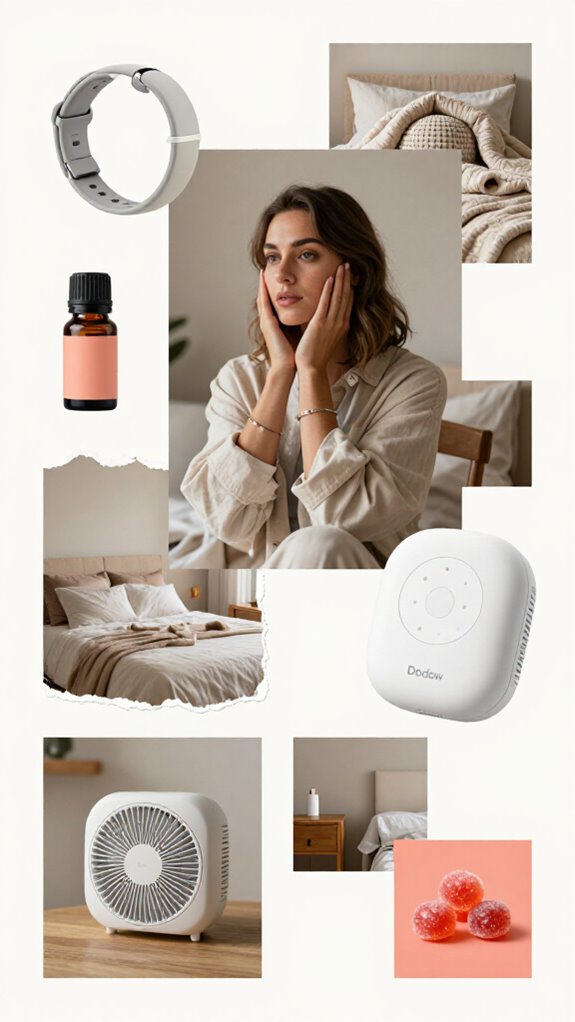
Though maneuvering through the Sleepmaxxing Protocol may feel overwhelming initially, selecting the right products can simplify and enhance your journey to optimized rest.
The Oura Ring‘s biometric information provides essential data, identifying the complex dance of sleep stages. A weighted blanket offers proprioceptive input, taming the restless beast of hypervigilance. For those seeking aromatherapy solutions, calming essential oil kits provide a natural pathway to relaxation and improved sleep quality through olfactory stimulation.
Consider adding the Dodow device; its rhythmic pulsing guides parasympathetic activation, nudging your mind into tranquil surrender. Acoustic layering via Brown noise, like LectroFan, neutralizes ambient disturbances.
For those seeking additional support, melatonin gummies offer a convenient, scientifically-backed option to help regulate sleep onset and improve overall sleep quality.
These tools, scientifically grounded, empower you to sculpt a sanctuary where achieving thermoneutrality and sleep architecture alignment becomes seamlessly attainable.
Glymphatic System Optimization Studies
Maneuvering the intricacies of the Sleepmaxxing Protocol, it’s essential to pivot to the scientific principles of Glymphatic System Optimization. This process is vital for our neurological refurbishment, akin to a cerebral sweep.
- AQP4 Polarization: Key for enhancing CSF-ISF exchange, AQP4’s alignment along astrocytic endfeet boosts glymphatic flow.
- Electromagnetic Stimulation: Techniques like 40 Hz stimulation and rTMS activate AQP4, increasing glymphatic clearance. Sleep, particularly during NREM 3 stages, has been shown to significantly enhance glymphatic flow, underscoring the importance of intact sleep architecture in facilitating cerebral toxin clearance.
- Physical Exercise: Aerobic workouts improve glymphatic transport by promoting AQP4 expression and arterial pulsation.
- Lifestyle Choices: Controlling hypertension and maintaining ideal sleep postures greatly enhance glymphatic efficiency and cerebral health.
FAQ
Can Certain Foods Enhance or Hinder Caffeine Clearance From the Body?
Yes, I maximize caffeine clearance by avoiding grapefruit and eating foods rich in antioxidants, like spinach. Grapefruit hampers metabolic pathways, while antioxidants promote liver efficiency. You should consider this strategy if you want to accelerate caffeine detoxification.
What Are the Common Withdrawal Symptoms When Reducing Caffeine Intake?
When I cut back on caffeine, I navigate headaches, fatigue, irritability, and concentration dips. By powering through, I reclaim control, sharpen focus, boost resilience, and amplify discipline, transforming temporary discomfort into long-term mental fortitude and peak performance.
How Does Caffeine Sensitivity Vary Among Individuals and Affect the Protocol?
Caffeine sensitivity varies due to genetic factors and habitual consumption. Knowing your sensitivity is essential for maximizing the Sleepmaxxing Protocol’s benefits. Adjust your caffeine cutoff accordingly, and watch your cognitive and physiological power levels surge like never before.
Are There Any Supplements That Help Mitigate Caffeine’s Impact on Sleep?
As a stopgap, L-theanine’s your ace up the sleeve to counter caffeine’s sleep-disruptive punch. It smooths caffeine’s edges, ensuring your trek to dreamland stays unhindered. Control caffeine, rule your nightly recovery, and conquer.
Does the Type of Caffeinated Beverage Influence Optimal Cutoff Timing?
Yes, the type matters. Espresso’s quick hit may necessitate an earlier cutoff than slowly metabolized green tea. Understanding your response to these variations enables you to seize control of your sleep architecture and cognitive dominance.
References
- https://www.alzdiscovery.org/uploads/cognitive_vitality_media/Glymphatic_Therapies_(non-pharmacologic).pdf
- https://www.frontiersin.org/journals/molecular-neuroscience/articles/10.3389/fnmol.2023.1138769/full
- https://pmc.ncbi.nlm.nih.gov/articles/PMC11058641/
- https://pmc.ncbi.nlm.nih.gov/articles/PMC12212831/
- https://onlinelibrary.wiley.com/doi/full/10.1002/brx2.70011