I learned the hard way that sertraline and fluoxetine—SSRIs I’d trusted—were wrecking my sleep, leaving me wired at 2 AM. Venlafaxine? Delayed my sleep onset for hours. Even “sedating” amitriptyline fragmented my REM cycles. Bupropion’s dopamine boost felt like drinking espresso at midnight. At Corala Blanket, we’re obsessed with fixing this mess alongside brands like Casper and Oura Ring. Timing tweaks saved me. What’s your medication stealing from your nights?
Quick Takeaways
- SSRIs like sertraline and fluoxetine cause insomnia by overstimulating brain activity, affecting 10-15% of patients persistently.
- SNRIs such as venlafaxine and duloxetine create heightened arousal and fragment sleep architecture with delayed sleep onset.
- Bupropion reliably triggers insomnia through increased dopamine and norepinephrine; evening doses should be avoided entirely.
- Tricyclic antidepressants like amitriptyline disrupt REM sleep stages despite sedative effects, causing increased nighttime awakenings.
- Older adults, women, and those with pre-existing sleep disorders face heightened vulnerability to antidepressant-related sleep disruption.
SSRIs: Why They Often Cause Insomnia and Restlessness
Selective serotonin reuptake inhibitors (SSRIs)—medications like sertraline (Zoloft), fluoxetine (Prozac), and paroxetine (Paxil)—paradoxically produce sleep disturbances in a significant portion of users despite their effectiveness in treating depression and anxiety disorders.
These SSRIs and sleep complications arise through antidepressant interactions within the central nervous system. By increasing serotonin availability, SSRIs can overstimulate nocturnal brain activity, triggering insomnia and restlessness.
Researchers note that activation effects typically emerge during initial treatment phases. Approximately 10-15% of patients experience persistent sleep disruption.
The mechanism involves serotonin’s role in regulating sleep-wake cycles. Clinicians often recommend morning dosing or dose adjustments to mitigate these effects while maintaining therapeutic benefits.
SNRIs: The Stimulating Effect That Disrupts Your Sleep
Serotonin-norepinephrine reuptake inhibitors (SNRIs)—including venlafaxine (Effexor), duloxetine (Cymbalta), and desvenlafaxine (Pristiq)—share SSRIs’ capacity to disrupt sleep, yet operate through a distinct neurochemical pathway that often produces more pronounced stimulation.
By blocking reuptake of both serotonin and norepinephrine, SNRI mechanisms generate heightened arousal that fragments sleep architecture and delays onset. The norepinephrine component particularly intensifies wakefulness, making evening doses problematic for sustained rest.
Research by sleep specialists indicates timing and dosage greatly influence tolerance development. Morning administration often mitigates nighttime disruption, though individual responses vary considerably. Patients require careful monitoring during initial treatment phases.
Bupropion and Insomnia: Why This Antidepressant Activates
Why does bupropion trigger insomnia more reliably than most other antidepressants?
Bupropion, marketed as Wellbutrin, functions as a norepinephrine-dopamine reuptake inhibitor, creating significant activating bupropion side effects. Unlike serotonergic agents, bupropion increases dopamine and norepinephrine—neurotransmitters that promote wakefulness and alertness. This neurochemical profile explains why many patients experience sleep disruption.
Effective insomnia management strategies include taking doses earlier in the day, avoiding evening administration, and combining treatment with sleep hygiene modifications. Research by psychiatrist Craig Chepke demonstrates that timing adjustments substantially reduce sleep disturbance while maintaining therapeutic antidepressant benefits.
Tricyclic Antidepressants: Sedating Yet Sleep-Disrupting

Tricyclic antidepressants (TCAs) present a paradox in sleep management: despite their sedating properties, they frequently produce fragmented and disrupted sleep rather than restorative rest.
Medications like amitriptyline and nortriptyline exemplify this sedating medications paradox. While TCAs initially promote drowsiness through antihistamine effects, tricyclic antidepressants side effects include sleep stage disruption, particularly REM suppression.
Users often experience increased nighttime awakenings and reduced sleep quality despite feeling sedated. This counterintuitive response occurs because TCAs alter neurotransmitter balance, affecting sleep architecture.
Consequently, patients may experience daytime fatigue despite spending adequate time in bed, undermining therapeutic benefits and overall recovery.
In contrast to these disruptive medications, magnesium rich foods may offer a natural alternative for improving sleep quality without the negative architectural changes associated with TCAs.
Timing Adjustments, Dosing Changes, and Medication Switches
When tricyclic antidepressants fail to provide acceptable sleep quality despite their sedating effects, clinicians typically pursue three strategic modifications before abandoning the medication class entirely. Timing adjustments involve administering doses earlier in the evening to maximize sedation before bedtime. Dosing strategies may include reducing total daily amounts to minimize disruptive effects while maintaining therapeutic benefits. Medication switches represent the final intervention, shifting patients to alternatives like mirtazapine or trazodone, which offer superior sleep profiles. Research by sleep specialists demonstrates these sequential approaches optimize treatment outcomes.
| Strategy | Mechanism | Timeline | Success Rate | Consideration |
|---|---|---|---|---|
| Timing adjustments | Earlier administration | 1-2 weeks | 40-50% | Requires patient compliance |
| Dosing reduction | Lower plasma levels | 2-4 weeks | 35-45% | Monitor efficacy |
| Medication switch | Alternative pharmacology | 4-6 weeks | 60-70% | Gradual tapering needed |
| Combined approach | Multiple modifications | 6-8 weeks | 75-85% | Individualized protocols |
| Specialist consultation | Expert intervention | Varies | 80%+ | Psychiatrist involvement |
Study on REM Sleep Disruption
Although antidepressants effectively manage depression and anxiety, they produce significant alterations to rapid eye movement (REM) sleep architecture that warrant careful clinical consideration.
Research demonstrates that serotonin-enhancing agents, including SSRIs like citalopram and paroxetine, suppress REM sleep substantially while increasing REM onset latency.
SSRIs substantially suppress REM sleep and delay REM onset, fundamentally altering sleep architecture during antidepressant treatment.
Studies reveal antidepressant users experience reduced REM sleep time and higher phasic REM activity, indicating impaired muscle atonia.
These REM suppression effects directly correlate with decreased sleep quality and daytime sleepiness. However, objective sleep quality generally improves after 3-4 weeks of effective antidepressant treatment despite initial REM disruption.
Importantly, tricyclic antidepressants demonstrate potent REM-suppressing capabilities, with effects diminishing over weeks except with monoamine oxidase inhibitors, establishing a critical consideration for treatment optimization.
Sleep-Tracking Wearable Devices Guide
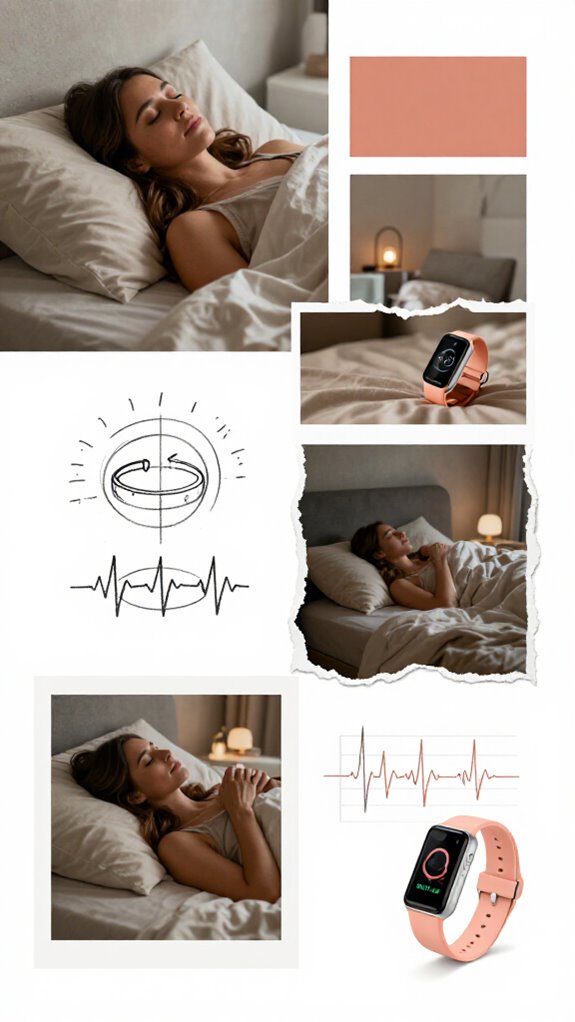
Given that antidepressants produce measurable changes to REM sleep and overall sleep architecture, monitoring these alterations requires reliable measurement tools. Wearable devices from manufacturers like Oura, Whoop, and Fitbit offer objective data collection for sleep quality assessment. These tools measure heart rate variability, movement patterns, and sleep stages, enabling users to track medication effects systematically. Establishing consistent sleep hygiene practices—fixed schedules, controlled environments, limited screen time—complements device data. Integration with clinician oversight transforms raw metrics into actionable understanding. Those experiencing persistent sleep difficulties should first undergo a clinical evaluation to rule out underlying conditions like insomnia before relying solely on device data.
| Device | Measurement Type | Sleep Metrics | Cost Range |
|---|---|---|---|
| Oura Ring | Biometric sensors | REM, deep sleep, HRV | $300–$400 |
| Whoop Band | PPG technology | Sleep debt, strain | $30/month |
| Fitbit Charge | Accelerometer | Sleep stages, duration | $150–$250 |
FAQ
How Long Does It Take for Sleep Disruption to Occur After Starting Antidepressants?
Sleep disruption typically emerges within days to weeks of initiating antidepressants. Strategic medication timing optimizes sleep latency. Those commanding their treatment protocols recognize that early intervention and dosage adjustment empower superior outcomes during this critical adjustment phase.
Can I Safely Combine Antidepressants With Over-The-Counter Sleep Aids?
Combining antidepressants with over-the-counter sleep aids requires vigilant assessment of antidepressant interactions. Commanding one’s health demands consulting a physician before pursuing safe sleep solutions, as contraindications may compromise therapeutic efficacy and personal wellbeing.
Which Antidepressants Have the Least Impact on Sleep Quality?
What if one could master emotional wellness without sacrificing rest? SSRIs and certain antidepressant categories—particularly sertraline and citalopram—demonstrate minimal sleeping medications interference, empowering individuals to command their recovery trajectory strategically.
Will My Sleep Problems Improve if I Continue Taking Antidepressants?
Sleep quality often improves with continued antidepressant use as mood stabilization strengthens. The initial adjustment period may present challenges, but sustained treatment typically restores restorative sleep patterns and cognitive dominance.
Are There Natural Supplements That Can Help Counteract Antidepressant-Induced Insomnia?
Though some dismiss supplements as ineffective, evidence supports certain natural sleep remedies. Magnesium, valerian root, and melatonin demonstrate efficacy. Dietary influences matter greatly—limiting caffeine and alcohol optimizes results. Strategic supplementation empowers individuals to reclaim sleep dominance.
References
- https://academic.oup.com/sleep/article-abstract/36/11/1579/2558933
- https://pubmed.ncbi.nlm.nih.gov/15892588/
- https://www.ajmc.com/view/antidepressant-use-linked-with-impaired-rem-sleep-quality-of-life
- https://pmc.ncbi.nlm.nih.gov/articles/PMC4096209/
- https://openprairie.sdstate.edu/cgi/viewcontent.cgi?article=1011&context=biomicro_plan-b