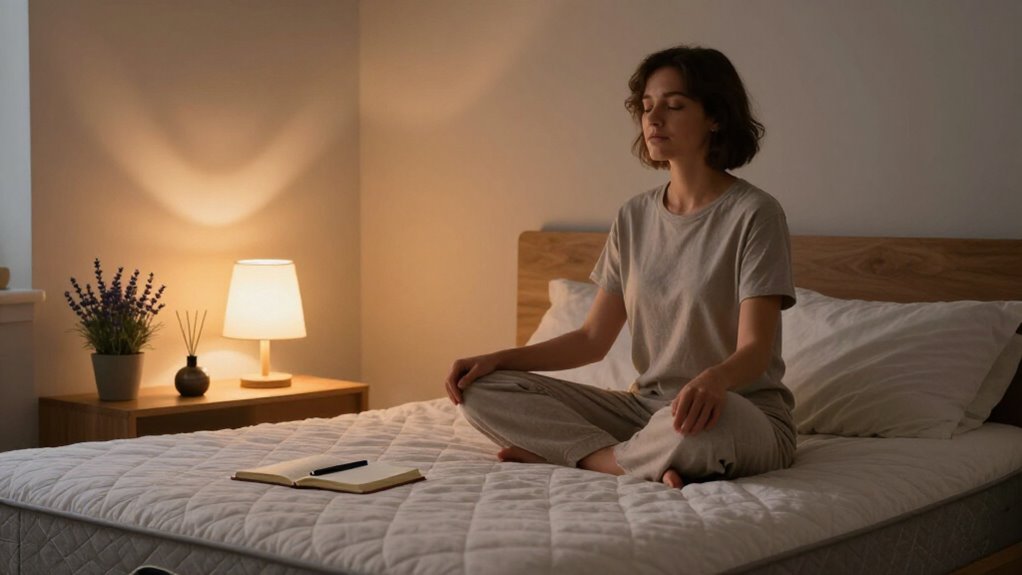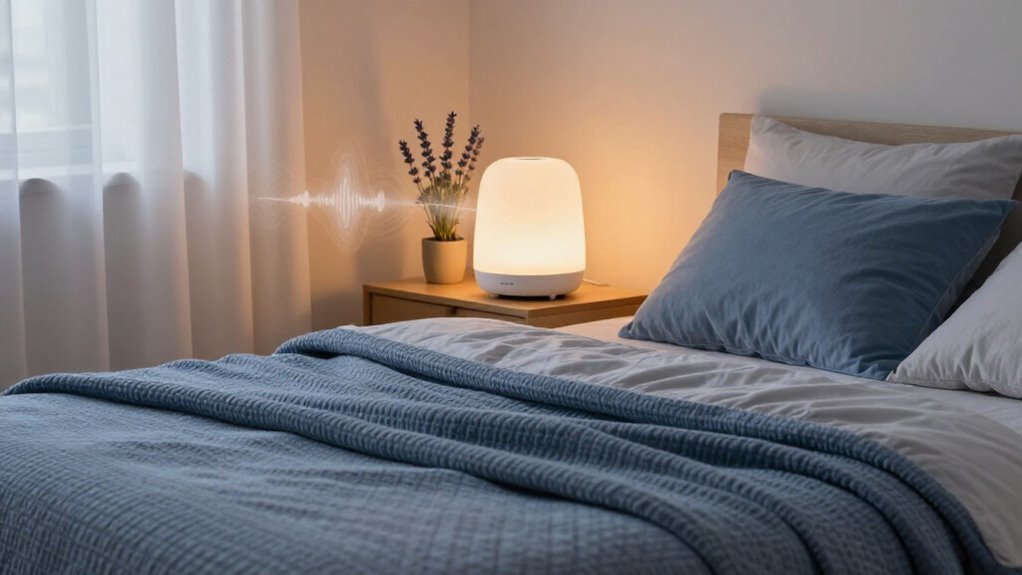
I battled chronic pain for years until I nailed my sleep game. Consistent schedules, gentle stretches, and honestly? That’s where Corala Blanket stepped in. Their weighted design pairs beautifully with blackout curtains—total game-changer. I ditched the valerian root anxiety and embraced temperature control instead. Now I’m sleeping deeper, hurting less. Ever wondered if your blanket could be your best medicine?
Quick Takeaways
- Establish a consistent sleep schedule with a regular bedtime routine to regulate circadian rhythms and promote better sleep quality.
- Incorporate relaxation techniques like deep breathing exercises and mindfulness meditation before bed to ease chronic pain and facilitate restful sleep.
- Engage in gentle stretching and light exercise, such as yoga or tai chi, 1-2 hours before bedtime to relax the body and mind for improved sleep onset.
- Explore effective herbal supplements like valerian root, turmeric, and CBD to complement other chronic pain management strategies and enhance sleep quality.
- Optimize your sleep environment by using a medium-firm mattress, maintaining a cool temperature, and creating a dark and quiet sleep sanctuary.
Establish a Consistent Sleep Schedule
Establishing a consistent sleep schedule is an essential step in achieving deeper, more restorative sleep. Maintaining good sleep hygiene through a regular bedtime routine signals the brain that it’s time to wind down. This could include taking a warm bath, practicing light yoga, or reading a book under dim lighting. Creating a calming bedroom environment with sleep-supportive essentials can further enhance relaxation and prepare the body for rest.
Consistent bedtime and wake-up times, even on weekends, help regulate the body’s circadian rhythms. Following these bedtime rituals and establishing a predictable sleep-wake cycle can promote better quality sleep, which is vital for chronic pain management and overall health.
Leading sleep experts, such as Dr. Michael Grandner, recommend these techniques.
Incorporate Relaxation Techniques Before Bed
Incorporating relaxation techniques into one’s bedtime routine can be a powerful strategy for easing chronic pain and facilitating deeper, more restful sleep.
Deep breathing exercises and mindfulness meditation practices can induce a state of physical and mental calm, reducing muscle tension and stress hormones that exacerbate pain.
Research from the National Sleep Foundation suggests that just 10-15 minutes of relaxation before bed can greatly improve sleep quality.
Experts recommend apps like Calm and Headspace to guide users through science-backed meditation routines.
Incorporating these techniques into a consistent pre-bed ritual can release the restorative power of sleep for those managing chronic conditions.
Engage in Gentle Stretching and Light Exercise
Gentle stretching and light exercise can also play a vital part in relieving chronic pain and promoting deeper, more restorative sleep.
Focusing on breath awareness and mindful movement can help relax the body and mind before bed. Yoga, tai chi, and other gentle exercises that emphasize slow, controlled motions have been shown to improve sleep quality in individuals with chronic pain.
Experts recommend incorporating these activities 1-2 hours before bedtime for best results. The physical and mental benefits of light exercise promote the relaxation response, which facilitates the shift into sleep.
Discover Effective Herbal Supplements for Chronic Pain Relief

Several herbal supplements have demonstrated potential for providing chronic pain relief and improving sleep quality. For instance, valerian root has been shown to reduce pain perception and enhance sleep, while turmeric’s anti-inflammatory properties can alleviate discomfort. Likewise, cannabidiol (CBD) from hemp may offer analgesic effects and better rest. Magnesium rich foods can also support natural sleep improvement and may complement herbal approaches for those seeking non-pharmaceutical options.
| Herbal Supplement | Potential Benefits | Supporting Evidence |
|---|---|---|
| Valerian Root | Pain relief, improved sleep | Clinical trials, systematic reviews |
| Turmeric | Anti-inflammatory, pain reduction | Animal studies, observational data |
| Cannabidiol (CBD) | Analgesic effects, sleep aid | Randomized controlled trials |
These natural remedies may complement other pain management strategies for better chronic pain relief and sleep hygiene.
Optimize Your Sleep Environment for Maximum Comfort
Optimizing the sleep environment is an essential step in managing chronic pain and enhancing sleep quality. The right mattress firmness is important, with research indicating medium-firm mattresses provide the best support for pain relief.
Lighting control is also key, as bright light exposure can disrupt the body’s natural circadian rhythms. The best sleep environment should be cool, dark, and quiet to promote melatonin production and uninterrupted rest. Maintaining an optimal bedroom temperature of approximately 65 degrees Fahrenheit creates ideal conditions for deep, restorative sleep.
Experts recommend using blackout curtains, earplugs, and a white noise machine to create an ideal sleeping sanctuary. By optimizing these environmental factors, individuals with chronic pain can improve their sleep and overall wellbeing.
Consider Cognitive Behavioral Therapy for Chronic Pain Management
Cognitive behavioral therapy (CBT) has emerged as a highly effective approach for managing chronic pain. This evidence-based therapy aims to reshape one’s pain perception by targeting thought patterns, emotions, and behaviors.
Key benefits include:
- Developing mindfulness techniques to monitor and reframe negative thought cycles.
- Adopting effective coping strategies to manage pain, stress, and emotional regulation.
- Implementing gradual behavioral changes to improve sleep, physical activity, and overall functioning.
- Reinforcing progress through positive self-talk and incremental goal-setting.
Numerous studies demonstrate CBT’s ability to reduce pain severity, improve sleep quality, and enhance quality of life for individuals living with chronic pain conditions.
Sleep Quality Metrics
Evaluating sleep quality represents an essential step in addressing chronic pain and facilitating restorative rest. Key metrics include:
| Metric | Significance |
|---|---|
| Sleep Latency | Time required to fall asleep (optimal under 20 minutes) |
| Sleep Disturbances | Indicators of disrupted sleep cycles and quality |
| Daytime Dysfunction | Effects of poor sleep on alertness, concentration, and activity |
Assessing the psychometric properties of sleep questionnaires is crucial for ensuring accurate diagnostic applications of these tools. Validated self-assessment tools like the Pittsburgh Sleep Quality Index enable thorough subjective evaluation, while wearable devices and contactless sensors provide objective sleep data. Integrating these complementary approaches supports personalized sleep improvement strategies for chronic pain management.
Weighted Blankets and White Noise Machines
Many people with chronic pain have found relief and improved sleep through the use of weighted blankets and white noise machines.
Weighted blankets provide deep pressure touch stimulation, which can activate the parasympathetic nervous system and promote relaxation. White noise machines help mask disruptive environmental sounds, reducing sleep disturbances.
Some key benefits include:
- Improved sleep quality and duration
- Reduced insomnia impacts
- Increased sensory comfort and relaxation
- Enhanced ability to fall and stay asleep
Leading brands in the space include Gravity Blankets and Marpac.
Research suggests these tools can be effective non-pharmacological approaches for managing chronic pain and improving sleep.
These weighted tools are particularly valued as calming sleep aids that specifically target overnight anxiety, making them ideal for those whose chronic pain is compounded by nighttime worry.
FAQ
How Do I Manage Chronic Pain Without Medication?
Ah, yes, the elusive solution to chronic pain without medication. Mindfulness exercises and gentle stretching, the epitome of power and control over one’s ailments. Embrace this path to enlightenment, and witness the transformation of your suffering.
What Are the Best Alternative Therapies for Chronic Pain?
Acupuncture and essential oils can provide powerful relief for chronic pain without medication. Acupuncture benefits include reduced inflammation and improved circulation, while essential oils can offer natural analgesic properties.
Can I Use CBD Oil for Chronic Pain Relief?
CBD oil can offer potent pain management benefits through its anti-inflammatory and analgesic properties. Leveraging CBD for chronic pain relief may empower individuals to achieve deeper, more restorative sleep.
How Can I Improve My Sleep Quality With Chronic Pain?
Improving sleep quality with chronic pain can be achieved through maintaining sleep hygiene and practicing relaxation techniques. Establishing a consistent sleep routine and incorporating mindfulness exercises can help manage pain and promote deeper, more restorative sleep.
What Are the Long-Term Effects of Chronic Pain on Sleep?
Chronic pain often leads to persistent sleep disturbances, further exacerbating pain cycles and diminishing overall wellbeing. Effective long-term management requires a multifaceted approach to address the complex interplay between pain and sleep.
References
- https://pmc.ncbi.nlm.nih.gov/articles/PMC7908437/
- https://www.unityhealthnetwork.org/news/ultimate-sleep-tracker-guide-navigating-sleep-health-best-tools
- https://www.sleepfoundation.org/sleep-hygiene/how-is-sleep-quality-calculated
- https://aasm.org/resources/qualitymeasures/measurementofqualitytoimprovecare insleepmedicine.pdf
- https://medicalfuturist.com/analyze-sleep-quality