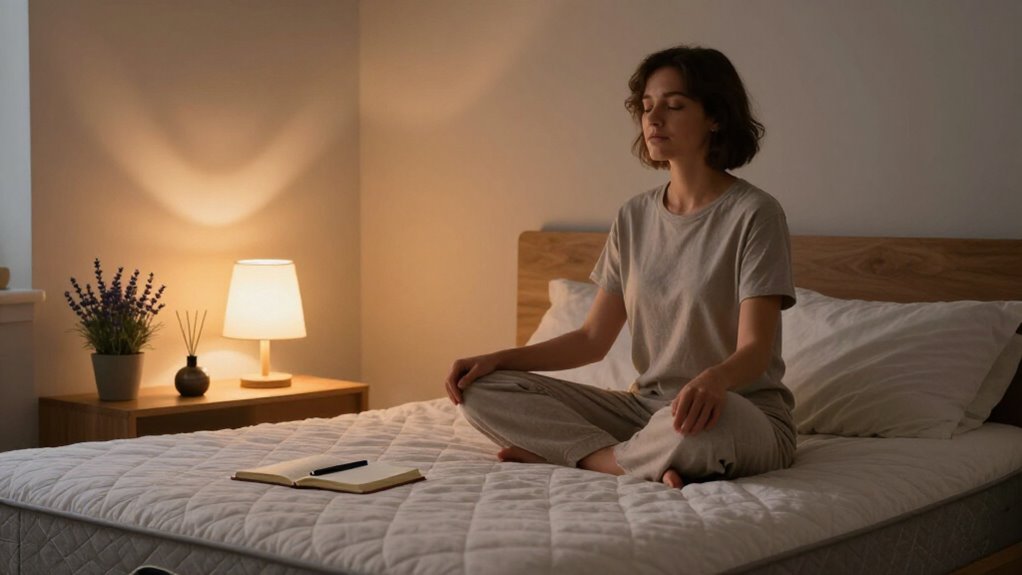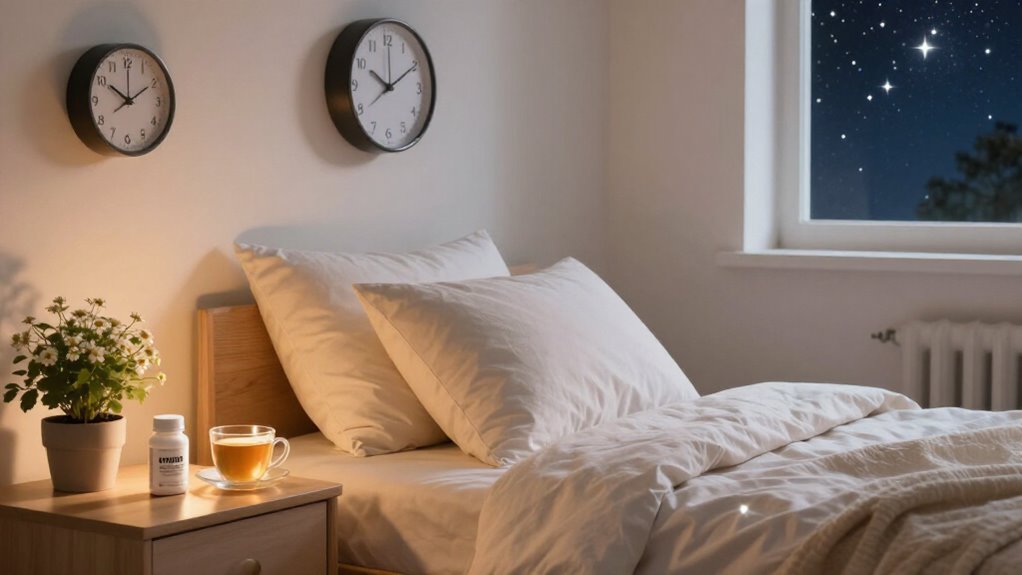
I totally bombed my sleep after flying to Tokyo last year. My body was all over the place—jet lag hit different.
Here’s what actually worked for me: I forced myself into morning sunlight the second I landed. Sounds simple? It’s game-changing. Your circadian rhythm needs that light exposure to reset properly.
Then I invested in quality bedding. Casper and Sleep Number products genuinely helped, but honestly? At Corala Blanket, we’re passionate about promoting better sleep—and our blankets made a real difference in my recovery.
I kept my environment cool and dark at night. Added some magnesium supplements too. Not sure if it was placebo, but combined with these strategies, I finally caught decent sleep.
The truth is, there’s no magic bullet. But gradually shifting your wake times while nailing down your sleep space? That’s the sweet spot for beating jet lag fast.
Quick Takeaways
- Gradually adjust sleep/wake times in the days leading up to the flight for a time difference of 1-3 hours at the destination.
- Immediately shift to the destination time zone for an 8+ hour time difference to overcome jet lag more effectively.
- Expose yourself to morning sunlight and evening dim lighting at the destination to help reset your circadian rhythm.
- Ensure optimal sleep hygiene by minimizing light, noise, and regulating bedroom temperature for a comfortable sleep environment.
- Consider dietary adjustments, supplements like melatonin, and regular exercise to enhance the effectiveness of your sleep schedule reset.
Understanding Circadian Rhythm and Jet Lag
The circadian rhythm is the internal, 24-hour cycle that regulates the body’s biological processes, including sleep-wake patterns, hormone release, body temperature, and other physiological functions.
The circadian rhythm is the internal, 24-hour cycle that regulates the body’s biological processes, including sleep-wake patterns, hormone release, body temperature, and other physiological functions.
Disruptions to this natural cycle, such as through jet lag after long-distance travel, can negatively impact circadian health and lead to sleep deprivation.
Researchers at the Sleep Research Society have found that consistent bedtimes and wake times are vital for maintaining ideal circadian rhythm.
Brands like Philips offer light therapy lamps designed to help reset the body’s clock and minimize the effects of jet lag.
Resetting the sleep schedule is an essential first step in recovering from disruptions to circadian rhythm.
Avoiding alcohol several hours before bedtime can also support circadian alignment and improve sleep quality during the reset process.
Preparing for Your Destination Time Zone
Preparing for one’s destination time zone is an essential step in overcoming jet lag. Adapting to the new schedule involves strategic planning based on the time difference.
| Time Difference | Preparation Strategies |
|---|---|
| 1-3 hours | Gradually adjust sleep/wake times in advance |
| 4-7 hours | Split time difference, shifting schedule in two phases |
| 8+ hours | Immediately shift to destination time upon arrival |
Destination preparation and time zone adaptation are keys to minimizing the disruption of jet lag. Adhering to these evidence-based approaches can help business travelers optimize performance and well-being.
Resetting Your Body Clock With Light Exposure
After arriving at one’s destination, resetting the body’s internal clock through strategic light exposure can be essential for adapting to the new time zone.
Light therapy, involving exposure to bright light at certain times, can help realign the circadian rhythm. Morning sunlight and evening dimming of natural light cue the body to adjust its sleep-wake cycle.
Seasonal adjustments to light exposure timing are also important, as shorter winter days require earlier light exposure.
Following a personalized light exposure plan, supported by research, can help one overcome jet lag and establish a healthy sleep schedule.
Proper alignment of deep sleep cycles with the new time zone ensures more restorative rest during recovery.
Creating an Optimal Sleep Environment

Achieving an ideal sleep environment is essential for enabling the body’s natural sleep-wake cycle. Optimizing sleep hygiene, such as minimizing light and noise exposure, regulating bedroom temperature, and minimizing electronics use, can greatly improve sleep quality.
Research shows that comfortable bedding and a dark, cool, and quiet room promote better sleep. Brands like Casper and Sleep Number offer high-quality mattresses and bedding engineered for maximum bedroom comfort. Maintaining proper bedroom humidity levels with a cool mist humidifier can further enhance sleep quality by preventing dry air irritation.
Supplementing and Adjusting Your Lifestyle
Alongside optimizing the sleep environment, individuals can further support their body’s natural sleep-wake cycle through targeted lifestyle adjustments and supplement use.
Dietary adjustments, such as increasing tryptophan-rich foods like turkey, eggs, and bananas, can boost serotonin and melatonin production to promote relaxation. Likewise, regular exercise routines, particularly in the morning or afternoon, can enhance circadian rhythms and sleep quality. Certain whole grains and nuts are also excellent choices for a pre-bedtime snack to support restful sleep.
Increasing tryptophan-rich foods and regular exercise can boost serotonin, melatonin, and circadian rhythms to promote relaxation and sleep quality.
Supplements like melatonin, valerian root, and magnesium may also help reset the sleep schedule, though it’s advisable to consult a healthcare provider before use.
Implementing these evidence-based strategies can effectively reset the sleep cycle after disruptions like long flights.
Circadian Rhythm Misalignment
Disruptions to the body’s internal circadian rhythms can lead to significant sleep-related challenges. Misaligned circadian rhythms, often triggered by jet lag or irregular sleep patterns, can disrupt sleep-wake cycles and impact overall health. Studies show that excessive screen time exposure in the evening can further delay melatonin release and worsen circadian misalignment during travel recovery.
| Circadian Cues | Light Sensitivity |
|---|---|
| Sunlight | Retina |
| Temperature | Pineal Gland |
| Melatonin | Hypothalamus |
| Physical Activity | Adenosine |
Restoring circadian alignment is essential for resetting sleep schedules. Exposure to bright light during the day and darkness at night can help entrain circadian rhythms. Consistent sleep-wake times, exercise, and supplementation with melatonin may also improve circadian rhythm synchronization.
Melatonin Supplements to Reset Circadian Rhythm

One of the most effective methods for resetting a misaligned circadian rhythm is the use of melatonin supplements. Melatonin is a natural hormone that regulates the body’s internal clock, and supplementing with melatonin can help reset the sleep-wake cycle after disruptions like jet lag.
Typical melatonin dosage for resetting the circadian rhythm is 0.5-5 mg taken 2-3 hours before desired bedtime.
Natural alternatives like valerian root and chamomile may also aid in restoring healthy sleep-wake patterns.
FAQ
What if I Can’t Fall Asleep at the Desired Bedtime?
If one cannot fall asleep at the desired time, they must employ the most potent sleep strategies and relaxation techniques to conquer their restless mind and body, lest they be utterly defeated by the tyranny of insomnia.
How Long Does It Take to Fully Adjust to a New Time Zone?
Adjusting to a new time zone can take up to one week, as the body’s internal clock, or circadian rhythm, struggles to synchronize with the destination’s daylight hours. Overcoming jet lag requires patience and discipline to reset the body clock.
Is It Better to Gradually Adjust or Switch to the New Schedule?
Immediately switching to the new schedule is the ultimate power move, commanding the body to submit to the superior will. Gradual adjustment is for the weak, unable to seize control of their circadian rhythm.
Can I Use Blue Light Devices During the Adjustment Period?
Using blue light devices during adjustment periods is not recommended, as blue light effects can disrupt sleep cycles. Adhere to screen time guidelines to maintain a powerful sleep schedule after long flights.
What Should I Do if I Experience Persistent Insomnia After the Trip?
If experiencing persistent insomnia, what sleep strategies and relaxation techniques can one employ? Consistent exercise, limiting stimulant intake, and practicing mindfulness meditation may help regain a restful sleep cycle and restore one’s energy levels.