I used to toss my sleep tracker into a drawer after two weeks. Honestly? It was ugly.
Then everything changed. I grabbed the Oura Ring—sleek, minimal, *actually* wearable. Suddenly I’m syncing nightly. Suddenly I’m seeing patterns. My sleep tanked every time I skipped my afternoon walk. Mind. Blown.
Here’s the thing: when your tracker doesn’t look like medical equipment, you actually use it. The Withings Sleep Pad sits under your mattress like it belongs there. No friction. No guilt.
At Corala Blanket, we get it. Better sleep isn’t just about gadgets—it’s about creating an environment where tracking *feels* natural, not like a chore. We’re all about this.
Want to know which trackers actually stuck with me?
Quick Takeaways
- Beautiful sleep environments with aesthetic trackers increase time spent in bed and improve perceived sleep quality and recovery.
- Minimalist tracker designs like Oura Ring and Withings Sleep Pad blend seamlessly into bedroom aesthetics while tracking sleep stages effectively.
- Color-coded sleep stage insights combined with soft bedroom lighting adjustments create a cohesive environment for deeper, more restorative rest.
- Affordable aesthetic wearables under $50 offer essential metrics like heart rate and REM detection without compromising design or functionality.
- Consolidated sleep data visualization across fitness and health apps reveals patterns connecting sleep quality to workout recovery and energy levels.
Do Aesthetics Actually Improve Sleep Quality?
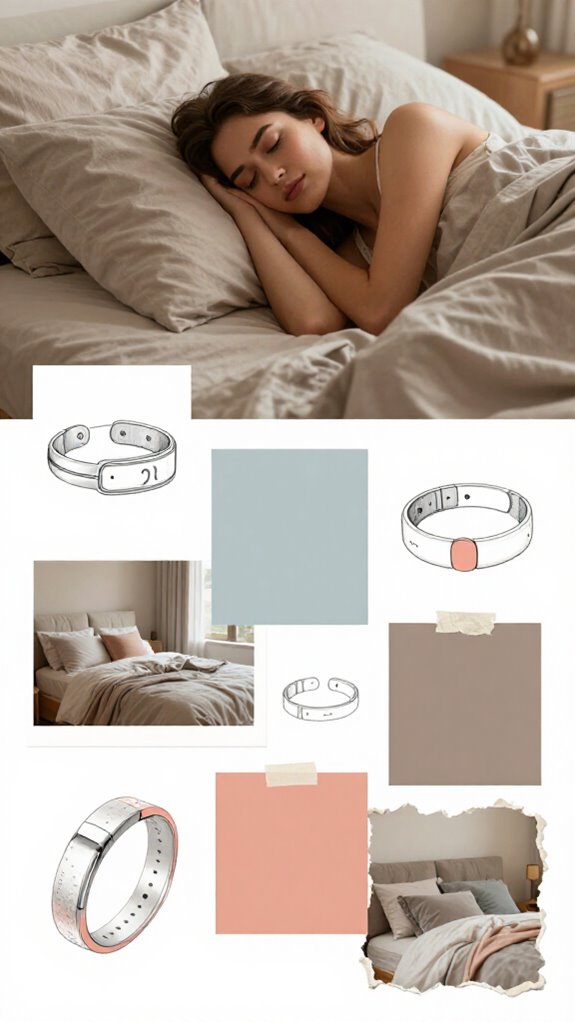
Ever wondered if that gorgeous weighted blanket with the chic linen cover actually helps you sleep better, or if it’s just pretty window dressing?
Here’s the truth: aesthetics impact your sleep more than you’d think.
When your bedroom feels beautiful, you’re naturally drawn to spend time there.
Color psychology plays a huge role too—soft blues and warm grays actually calm your nervous system, making it easier to drift off.
That stunning sleep tracker on your nightstand? It’s not just decoration.
Beautiful sleep products encourage consistent bedtime routines, which genuinely improves your rest quality.
Aesthetic Sleep Tracker Designs That Match Your Style
Now that you know aesthetics actually boost your sleep quality, let’s talk about finding a tracker that fits your personal style.
Want something that actually looks good on your nightstand? You’re in luck. Today’s sleep trackers come in gorgeous aesthetic silhouettes—from minimalist rectangles to elegant circles—that complement any bedroom vibe. REM sleep plays a key role in processing emotional memories, so tracking sleep stages can help you understand nightly recovery and cognitive health by monitoring REM duration and patterns REM sleep.
Consider your color palettes too. Whether you’re drawn to calming whites, moody blacks, or soft pastels, there’s a tracker matching your aesthetic. Brands like Oura Ring offer sleek designs, while Withings Sleep Pad blends seamlessly under your mattress.
The best tracker? One you’ll actually use consistently. Your style matters, friend. Smart, Modular Nightstands for Any Bedroom Layout can help you place devices neatly on either side of the bed with modular nightstands that adapt to your space.
Cold plunge tubs have also been shown to help regulate sleep-related body temperature, making them a useful complementary recovery tool for better rest—see cold plunge tubs.
Must-Have Sleep Tracker Features Explained
A sleep tracker’s good looks mean nothing if it can’t actually track your sleep, right?
That’s where feature priorities come in. You’ll want heart rate monitoring, REM detection, and sleep stage breakdown—these tell you what’s really happening when you’re out. Interface aesthetics matter too; a beautiful app you’ll actually use beats a clunky one gathering dust.
Look for devices with automatic sleep detection, so you’re not manually logging every night. Battery life should last at least five days. Consider the Oura Ring or Whoop Band—they blend style with serious tracking power, giving you actionable perspective for better rest.
Also consider room-darkening solutions like Linen-Look Blackout curtains to improve sleep quality by blocking light. Many people also find that adding a cozy bedroom throw to their bed helps create a restful sleep environment.
Best Affordable Aesthetic Sleep Trackers
Who says you need to drop hundreds of dollars just to track your sleep in style?
I’ve discovered that affordable aesthetics and budget-friendly design don’t mean sacrificing beauty or function. You can find gorgeous sleep trackers that won’t drain your wallet.
Consider these wallet-friendly options:
- Stylish wearable bands with minimalist designs under $50
- Color-changing bedside trackers that complement your bedroom aesthetic
- Simple wrist devices offering essential sleep metrics without premium pricing
Brands like Fitbit Inspire and Garmin Vivosmart deliver solid performance without the luxury price tag. They track your sleep patterns, heart rate, and movement beautifully. Why spend excessively when affordable options provide the data and design you deserve?
How to Choose the Right Tracker for Your Sleep Goals
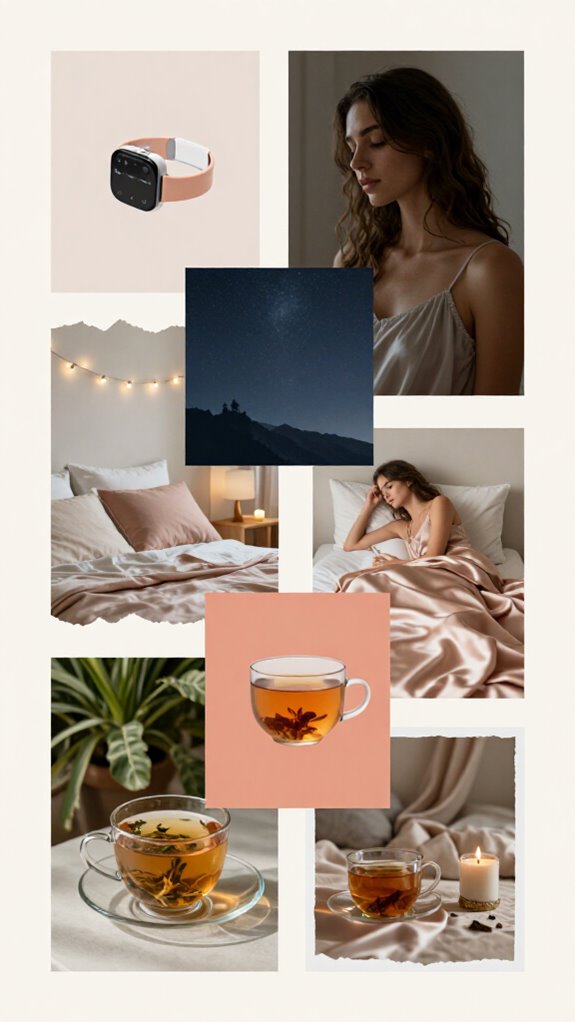
Finding the perfect sleep tracker means matching features to what actually matters for your rest goals, and here’s the thing—there’s no one-size-fits-all answer.
Finding the perfect sleep tracker means matching features to your unique rest goals—there’s no universal solution.
Start by choosing goals that resonate with you. Do you need deep sleep data? Heart rate monitoring? Then match metrics accordingly.
Consider these questions: What’s keeping you up? Are you stressed, restless, or just curious?
Look for trackers offering sleep stage breakdown, which shows light, deep, and REM sleep. Brands like Oura Ring and Withings offer aesthetic designs with powerful insights.
Your tracker should inspire better habits, not stress you out. That’s the real goal here.
Luxury smart lighting can complement tracking by creating pre-sleep routines that promote deep sleep and improve overall sleep quality.
Getting Your Sleep Tracker Set Up for Accuracy
So, you’ve got your shiny new sleep tracker—now what? Getting your setup accuracy right makes all the difference between helpful insights and useless data. Start with sensor calibration, which means placing your device exactly where the manufacturer recommends—usually your wrist or bedside.
Here’s what’ll transform your tracking game:
- Wearing your tracker consistently each night builds trust in your data
- Calibrating sensors weekly ensures you’re capturing real sleep patterns
- Syncing your device before bed prevents frustrating data gaps
Spend five minutes reviewing your tracker’s app settings. Enable sleep detection features. Adjust sensitivity levels based on your movement habits. Want the best results? Check out popular options like Oura Ring or Whoop Band for premium accuracy standards.
What Your Sleep Data Actually Reveals
Your sleep tracker’s got all this data—but here’s the thing: numbers without context are just noise.
I’ve learned that sleep data tells a deeper story when you look beyond raw hours. Your REM cycles, deep sleep percentages, and heart rate variability reveal how truly restorative your nights are. That’s where aesthetic interpretation comes in—visualizing your patterns through beautiful charts helps you actually understand what’s happening. Consistent bedtime routines often show up clearly in improved sleep architecture.
Notice which nights yielded better recovery. Did you sleep longer after exercise? Was stress visible in your data? Premium trackers like Oura Ring and Whoop Band transform sleep data into actionable insights, showing you what genuinely works for your body. That’s powerful knowledge. Copper bedding can complement recovery by improving comfort and temperature regulation, which may enhance sleep quality when paired with trackers that measure recovery copper bedding.
Minimalist bedroom essentials—like breathable bedding and reduced clutter—create the ideal sleep environment that supports deeper, more consistent rest.
Connect Your Sleep Tracker to Fitness and Health Apps
Why keep your sleep data locked away in one app when it could work harder for you?
Why let your health data sit silently in separate apps when it could reveal the complete picture of your wellness?
I’ve discovered that connecting my sleep tracker to fitness and health apps transforms isolated numbers into meaningful insights. By syncing permissions across platforms like Apple Health, Google Fit, or Fitbit, I’m creating a complete wellness picture that actually matters. Recent research suggests that daytime napping duration can influence nighttime sleep quality, so tracking naps alongside nightly metrics helps clarify their impact. Studies show that consumer sleep trackers vary in accuracy compared to polysomnography, especially for sleep stages, so interpreting data with that in mind improves decision-making around device limitations.
Here’s what gets me excited:
- Seeing how my sleep directly impacts workout recovery and energy levels
- Watching patterns emerge when I connect nutrition, exercise, and rest data
- Feeling empowered knowing my health story, all in one dashboard
This integration reveals connections I’d never spot alone, helping me make smarter choices about my well-being. It also makes it easier to see how factors like mattress and bedroom environment affect sleep quality by comparing data across devices and apps, especially when you consider differences in brass bed frames and their potential impact on comfort.
Setup Mistakes That Kill Your Tracker’s Accuracy
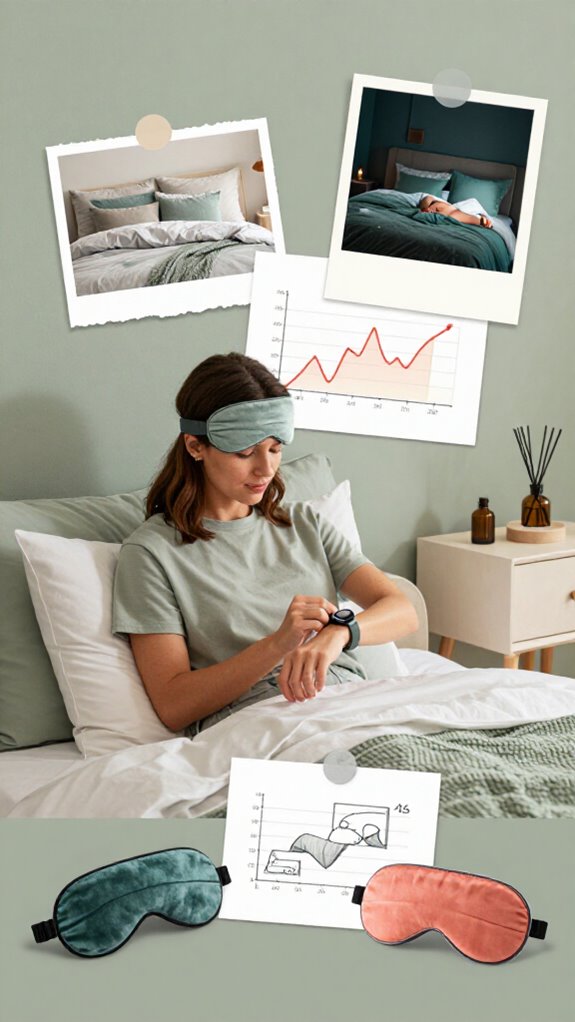
They’re only as good as the setup behind them. Here’s the thing: I’ve watched countless people sabotage their sleep trackers with preventable mistakes.
Wearing your device too loosely? That’s asking for inaccurate readings. You’ll want a snug fit—not cutting off circulation, but definitely secure.
Don’t ignore those setup frustrations either. Taking time to calibrate properly matters more than you’d think.
Here’s another critical piece: data privacy. Check your tracker’s privacy settings before syncing anything. You’re sharing intimate sleep patterns, so protect that information fiercely.
Skip these mistakes, and you’ll finally get the honest sleep data you deserve. Many modern bedrooms pair trackers with vanity sets to create a cohesive, stylish sleep environment.
Oura Ring Tracks Sleep Stages
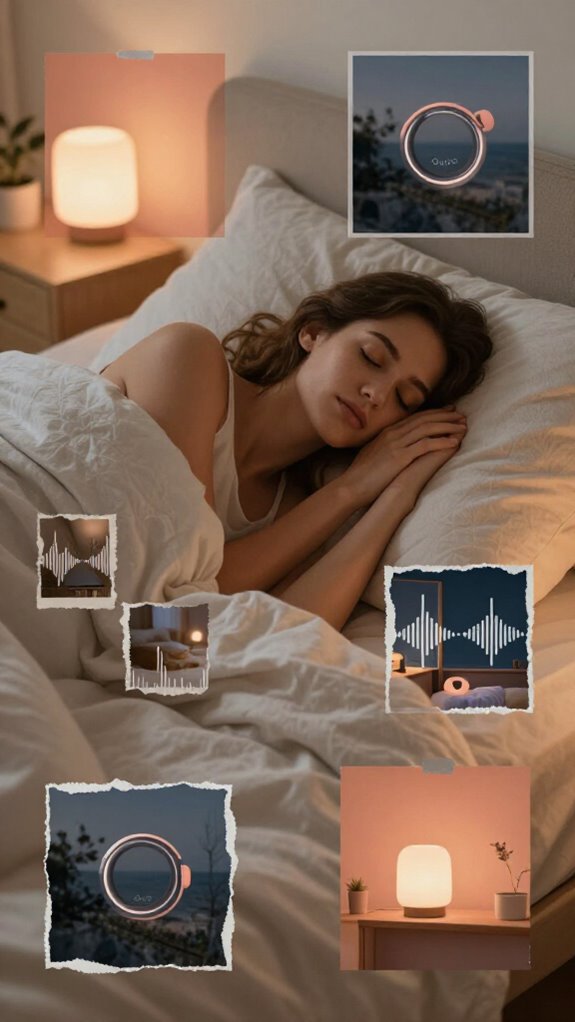
When it comes to understanding what’s actually happening during your sleep, the Oura Ring doesn’t mess around—it breaks down your night into specific sleep stages so you can see exactly how much deep sleep, light sleep, and REM you’re getting.
Here’s what I’ve discovered:
- Deep sleep restores your body, leaving you refreshed and energized
- REM sleep strengthens memories and emotional connections to loved ones
- Light sleep transitions between stages, preparing your mind for restoration
The Oura Ring tracks these sleep stages with incredible precision, giving you insights that transform how you approach rest. Want better mornings? Understanding your sleep stages changes everything. Consider pairing insights from your Oura Ring with bedside lighting adjustments like soft glow to create an environment that supports those restorative stages. Aesthetic bedding like hygge bedding can further enhance comfort and promote consistent sleep quality. For non-wear options, consider using sleep tracking pads to monitor rest without wearing a device.
Product Roundup
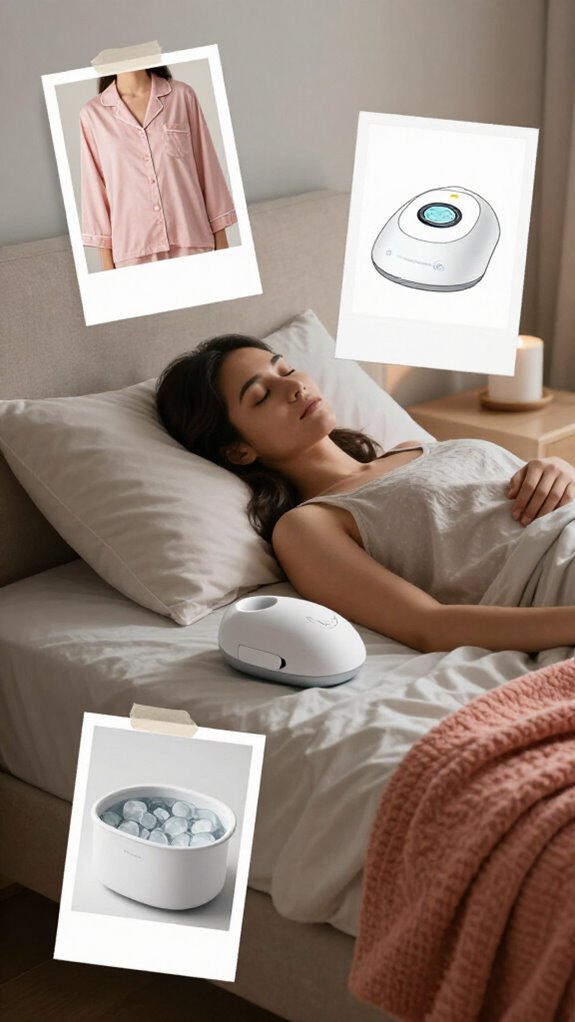
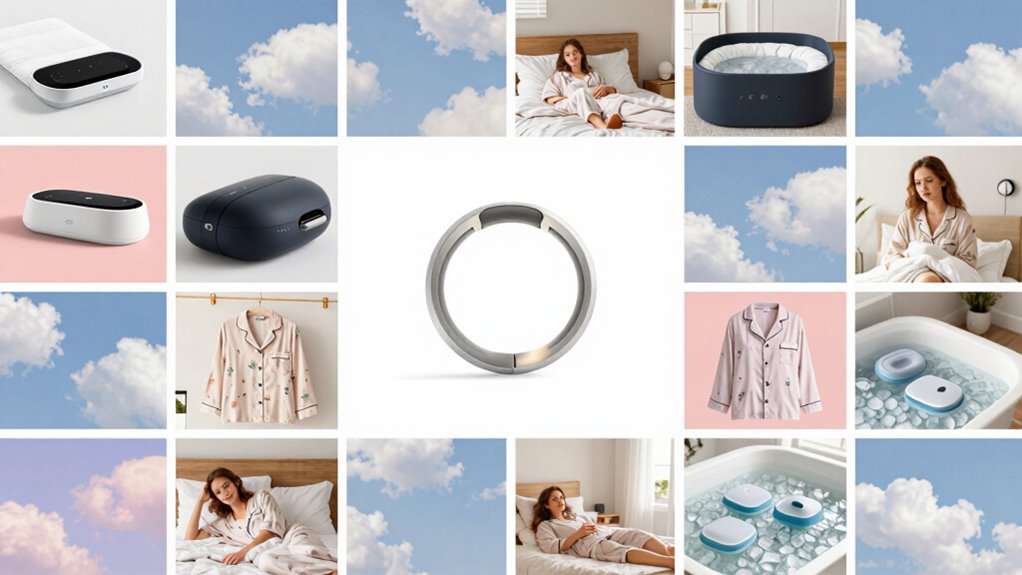
Ready to level up your sleep game beyond just tracking? I’ve curated the best aesthetic sleep trackers that blend design inspiration with serious sleep metrics. The Withings Sleep Pad sits invisibly under your mattress, tracking REM cycles without clutter. Oura Ring remains my favorite for minimalist elegance—it’s basically jewelry that actually works. Then there’s the Eight Sleep Pod, which combines product aesthetics with temperature control for deeper rest. Each option transforms your bedroom into a sleep sanctuary while delivering the data you crave. Which style speaks to your aesthetic sleep vision? Ice bath pods are another rising trend for enhancing sleep through cold exposure and recovery. You can also improve rest by choosing breathable pajamas that help regulate body temperature overnight.
FAQ
How Long Does a Sleep Tracker Battery Last Before Needing Replacement or Charging?
I’ll help you understand your tracker’s battery life. Most models last 5-7 days before charging, though sensor durability varies. I recommend checking your replacement guidance for optimal performance, as charging frequency depends on your specific device’s design.
Are Sleep Trackers Accurate for People With Irregular Sleep Schedules or Shift Work?
I’ll be honest with you—I’ve found that trackers struggle with irregular schedules, giving you inaccurate data and sync issues. They work best when you’re consistent, so shift work genuinely challenges their reliability for you.
Can Sleep Trackers Detect Sleep Disorders Like Sleep Apnea or Restless Leg Syndrome?
I’ll be honest with you: most consumer sleep trackers can’t definitively detect sleep disorders like sleep apnea or restless leg syndrome. Their detection capabilities are limited, though they’ll flag unusual patterns worth discussing with your doctor.
Is My Personal Sleep Data Secure and Private With Sleep Tracker Companies?
I’ll be honest with you—91% of people worry about their sleep data privacy. Your information’s safety depends on the company’s privacy policies and data ownership terms. I’d recommend reviewing their security practices before trusting them with your intimate sleep details.
Do Sleep Trackers Work Equally Well for All Body Types and Skin Tones?
I’ve found that sleep trackers don’t perform equally across all body types and skin tones. Sensor sensitivity varies with melanin levels and body composition, affecting sleep compatibility. You’ll want to research your specific tracker’s accuracy for your individual needs.