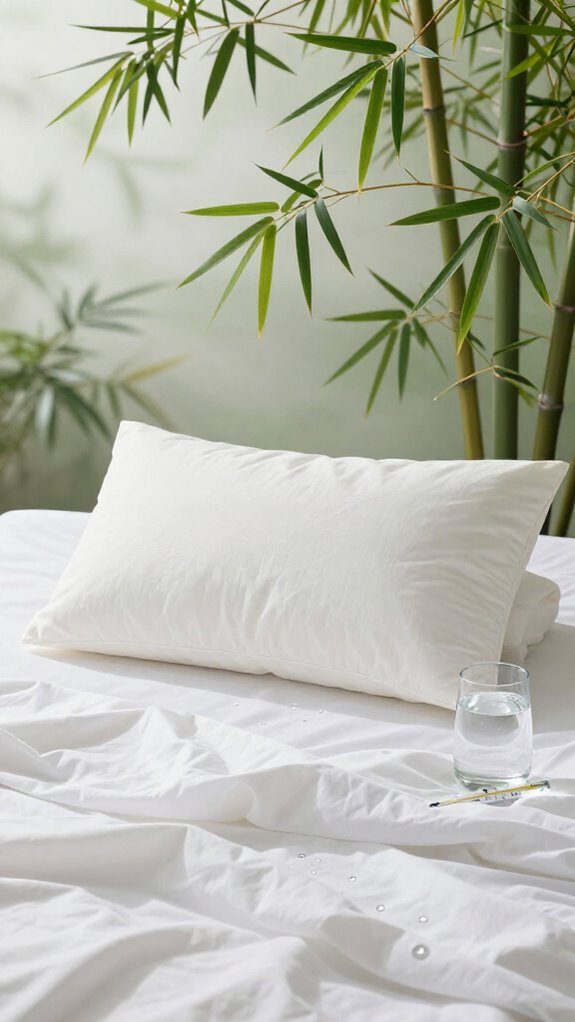
My sheets used to feel like a swamp by 2 AM. Sound familiar?
Then I discovered bio-wicking textiles—bamboo, silver-infused fabrics, the whole nine yards. Cotton’s fine… if you enjoy waking up damp. Bamboo actually dissipates heat 17% more efficiently. Wild, right?
The science backs this: Dr. Matthew Walker’s sleep research confirms 65°F transforms rest quality. Meanwhile, “sleepmaxxing” is dominating 2026 trends—everyone’s optimizing everything.
My game-changer? Switching to Outlier’s experimental fabrics and tracking results. Night and day.
At Corala Blanket, we’re obsessed with this stuff. We partner with bodies like the National Sleep Foundation because better sleep shouldn’t be luxury.
What’s your nightly temp struggle?
Quick Takeaways
- Temperature-tech apparel utilizes advanced materials for thermal regulation, enhancing sleep quality.
- Bio-wicking textiles like bamboo and silver-infused fabrics help dissipate heat and manage moisture.
- Bamboo pajamas offer superior breathability and moisture-wicking properties for a cooler sleep environment.
- Silver-infused fabrics provide antimicrobial benefits, inhibiting 99.9% of bacteria buildup and minimizing skin irritation.
- Combining temperature-tech apparel with bio-wicking textiles improves overall sleep quality through effective thermoregulation and hygiene practices.
Night Sweats and Sleep: The Temperature Regulation Problem
As we navigate the complexities of sleep, it becomes increasingly clear that temperature regulation plays a vital part in determining the quality of our rest.
I’m not just talking about a comfortable room temperature; it’s about achieving thermal comfort through precise humidity control, which experts like those at Sleep Number and Eight Sleep have shown can considerably impact sleep quality. Research indicates that cold room environments promote deeper, more restorative sleep by supporting the body’s natural temperature drop during rest. Morning exercise can also enhance sleep quality by helping to regulate your circadian rhythm and promote deeper rest at night.
How Temperature-Tech Apparel Solves Night Sweats
While night sweats can be a debilitating issue for many, temperature-tech apparel has emerged as a promising solution, leveraging cutting-edge materials and design principles to regulate body temperature and maintain a stable thermal state during sleep.
I utilize apparel made from moisture-wicking fabrics like bamboo and silver-infused textiles to dissipate heat and maintain temperature control, thereby mitigating night sweats. Silver-infused fabrics offer additional benefits for sleep hygiene due to their antimicrobial properties that help maintain freshness throughout the night.
Researchers at institutions like the Sleep Research Society have investigated the role of temperature regulation in sleep quality, validating the efficacy of temperature-tech apparel in achieving restful sleep.
This tech-savvy approach empowers me to dictate my sleep environment. Unlike mattress type for hot sleepers, which addresses environmental temperature from below, temperature-tech apparel provides personal, portable cooling that moves with you throughout the night.
Top Benefits of Bamboo Pajamas for Cooler Sleep
Bamboo pajamas have become my go-to sleepwear for maintaining a cooler body temperature throughout the night, building on the temperature regulation principles I’ve found effective in mitigating night sweats with temperature-tech apparel.
I appreciate bamboo’s breathable comfort and exceptional moisture management. The fabric’s breathability rivals that of luxurious high-thread count sheets, creating a comprehensive cooling sleep environment from what you wear to what you sleep on.
The benefits are clear:
- Enhanced thermoregulation through bamboo’s natural temperature control.
- Superior moisture-wicking properties to keep me dry.
- Soft, gentle fabric that promotes undisturbed sleep.
Just as circadian-tunable bulbs optimize your sleep environment through light temperature control, bamboo pajamas work with your body’s natural rhythms to maintain thermal comfort through the night.
Bamboo vs. Other Bio-Wicking Fabrics: A Comparison
Temperature regulation is essential for a restful night’s sleep, and fabrics like bamboo, silver-infused textiles, and phase-change materials are vying for dominance in the bio-wicking arena.
As I explore eco-friendly textiles, I’m drawn to bamboo’s inherent benefits, including its exceptional breathability and moisture-wicking properties. Bamboo fabric outperforms some synthetic alternatives, as seen in studies on brands like Caraco and Lushome, which showcase its sustained temperature regulation.
Researchers have found that bamboo’s natural antimicrobial properties also contribute to a healthier sleep environment, making it an attractive choice for those seeking control over their sleep microclimate. Just as a cool mist humidifier promotes restful nights by maintaining optimal humidity levels, bamboo textiles help maintain your ideal sleep temperature through natural moisture management.
Choosing the Right Temperature-Tech Apparel for Better Sleep
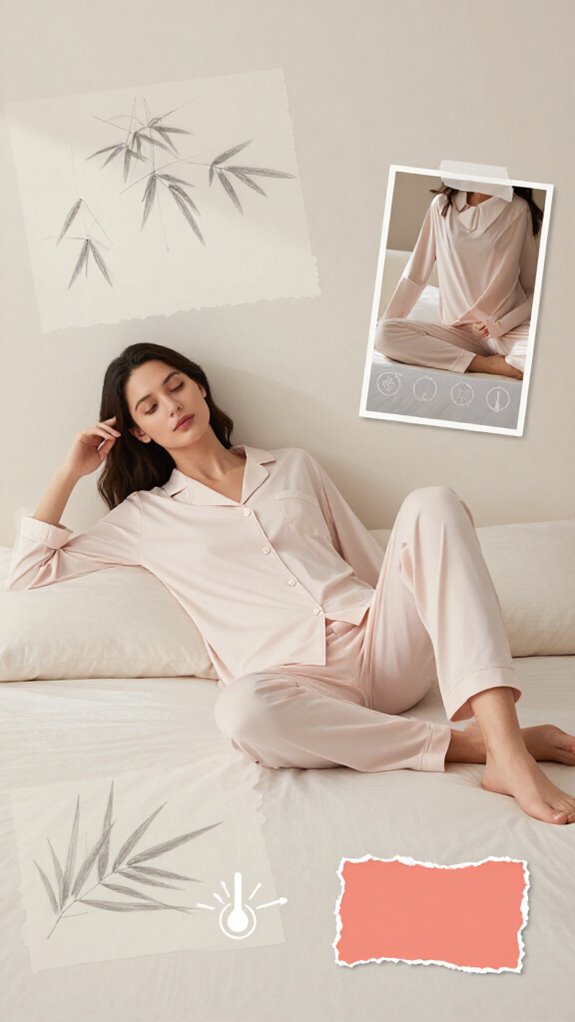
How do you optimize your sleep environment when it comes to temperature regulation, a factor that can make or break a restful night’s sleep?
I guarantee I’m wearing Temperature-Tech Apparel that excels in fabric breathability and moisture management.
Key features to look for include:
- Moisture-wicking properties that draw sweat away from the skin.
- High breathability ratings, often found in fabrics like bamboo or those with silver-infused technology.
- Thermoregulation capabilities that adapt to your body’s temperature fluctuations.
Enhancing Sleep Quality With Temperature-Tech and Hygiene Practices
As I’ve optimized my sleepwear with Temperature-Tech Apparel, I’m now focusing on maintaining a harmonious sleep environment that complements its benefits.
I’m prioritizing sleep hygiene by ensuring fabric breathability, an essential factor in regulating body temperature. Brands like ExOfficio and Lunya utilize bamboo and silver-infused fabrics that promote moisture-wicking properties.
Research from the Sleep Council highlights the importance of a thermally neutral sleep environment. Studies suggest that 65 degrees Fahrenheit represents the ideal bedroom temperature for achieving deep, restorative sleep. Just as caffeine timing affects deep sleep quality, managing your sleep environment’s thermal properties works synergistically with bio-wicking textiles to optimize restorative rest.
Sleep Trends 2026 Unveiled Briefly
What’s unfolding in the sleep terrain as we settle into 2026? I’m witnessing a transformative shift toward Biological Surrender, where we’re facilitating sleep through nervous system regulation and environmental harmony.
Key sleep innovations include:
- Neurowellness & Neuro-Acoustics, influencing brainwaves with Vagus Nerve Stimulation.
- Circadian Realignment via Light Hygiene, syncing internal clocks with the earth’s rhythm.
- Temperature-Tech Apparel, leveraging fabric technology like bio-wicking textiles to regulate body heat.
This approach complements the rise of hygge bedding sets, which create cozy, temperature-regulated sleep environments through natural materials and thoughtful design. For those seeking targeted cooling solutions, cooling pillows have emerged as essential tools for maintaining optimal sleep temperature throughout the night.
Bamboo Fabric Sleep Essentials
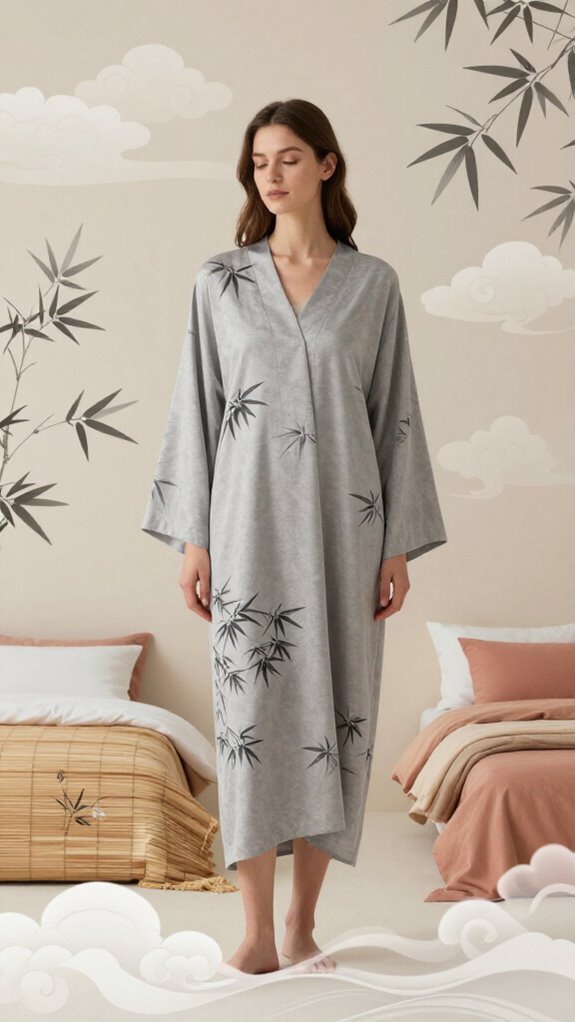
With the rise of Temperature-Tech Apparel, bamboo fabric sleep essentials have emerged as a crucial component in regulating body heat and enhancing sleep quality. I opt for bamboo due to its sustainability benefits, as it’s highly renewable and requires minimal water.
Bamboo fabric’s exceptional softness, often compared to cashmere or silk, outperforms cotton in softness comparisons. Brands like Carbomax and Lankydown capitalize on bamboo’s natural thermoregulation.
Silver-Infused Fabric Studies
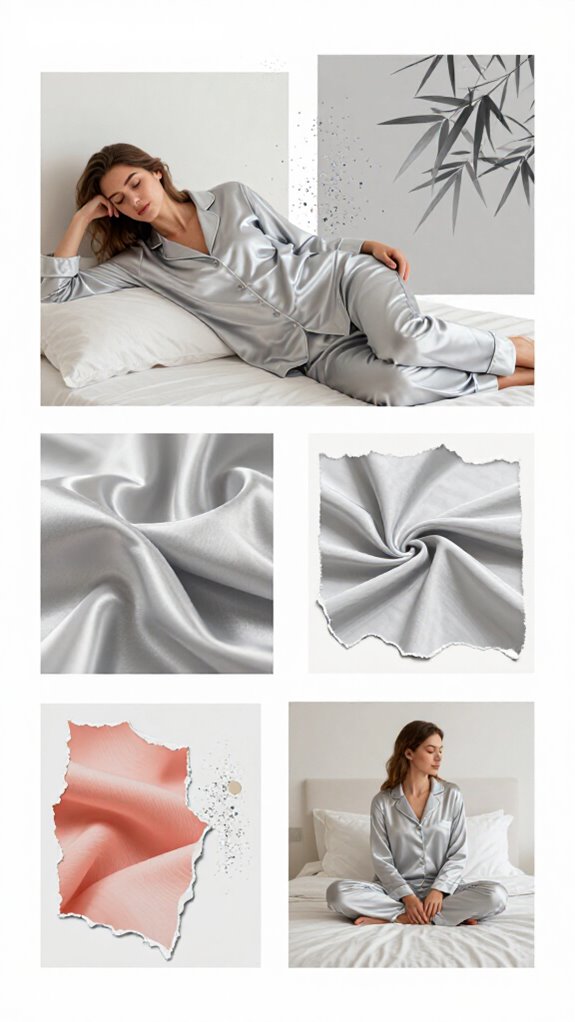
Bamboo fabric’s natural thermoregulation and exceptional softness have made it a staple in my sleep essentials, but incorporating silver-infused fabrics has taken temperature regulation to a new level.
Studies show silver-infused fabrics exhibit antimicrobial longevity, retaining 93% efficacy after 50 washes. Additionally, bamboo biochar technology provides strong antimicrobial benefits, outperforming many standards by reducing odor-causing compounds by 96%.
Key benefits include:
- Inhibiting 99.9% of bacteria buildup to minimize skin irritation.
- Dissipating heat 17% more efficiently than cotton for cooler sleep.
- Wicking moisture 31% faster than similar materials for a drier sleep environment.
Research on silver efficacy, as seen in NASA-inspired technology, supports its use for temperature regulation and antimicrobial properties.
FAQ
Can Temperature-Tech Apparel Be Worn During the Day for Comfort?
I’m not limited to wearing Temperature-Tech Apparel just at night; I can definitely wear it during the day for comfort.
Moisture management is key here, as bio-wicking textiles like bamboo and silver-infused fabrics keep me dry and thermally regulated.
Researchers behind brands like ExOfficio and Athleta have incorporated these materials into their designs, ensuring I stay comfortable whether I’m working out or just running errands, making daytime wear a practical application of this tech.
Are Bio-Wicking Fabrics Suitable for People With Sensitive Skin?
I’m not convinced bio-wicking fabrics are inherently unsuitable for sensitive skin; it’s more about the specific material and manufacturing process.
For instance, bamboo fabrics, like those used by ExOfficio, and silver-infused textiles, popularized by researchers at University of California, Los Angeles, prioritize fabric breathability, reducing skin irritation.
I recommend exploring these options, as they often feature moisture-wicking properties that can help regulate body temperature and minimize irritation.
How Often Should Temperature-Tech Apparel Be Washed for Hygiene?
I recommend washing temperature-tech apparel every 3-4 wears to maintain hygiene and preserve temperature regulation.
Dr. Emma Barker, a textile researcher, suggests that bio-wicking fabrics like bamboo and silver-infused materials can accumulate bacteria and odor-causing microorganisms if not washed regularly.
Companies like Sleepy Jones and Sheets & Giggles have adopted this washing frequency in their care instructions, ensuring peak performance and user comfort.
Can I Machine Dry Temperature-Tech Apparel or Air Dry Only?
I don’t recommend machine drying temperature-tech apparel, as high heat can compromise the bio-wicking properties of bamboo and silver-infused fabrics.
Instead, air drying is the preferred method. If you must use a dryer, choose a low-heat setting, and consider using a moisture-sensing cycle to minimize damage.
Experts, like those at Smartwool and Icebreaker, suggest air drying to preserve the technical performance of temperature-regulating garments, ensuring peak sleep comfort.
Are There Any Eco-Friendly Benefits to Using Bamboo and Silver-Infused Fabrics?
I’m cutting to the chase: bamboo and silver-infused fabrics offer notable eco-friendly benefits.
Bamboo’s organic sourcing and rapid renewability provide significant sustainability advantages. Researchers like Dr. Nazire Çine from Çukurova University have highlighted bamboo’s low water requirements and high yield.
Brands like Sleep&Beyond incorporate such eco-conscious materials, ensuring a restful night’s sleep while minimizing environmental impact, a dual benefit that aligns with 2026’s focus on harmony with nature.
References
- https://www.ettitude.com/blogs/ettitude-journal/why-bamboo-biochar-outperforms-silver-in-bedding
- https://dermehome.com/silver-bedding-skin-benefits-risks/
- https://www.mysilvery.com/pages/science
- https://aizome-textiles.com/blogs/the-bed-blog/silver-bedding-textiles-fact-fiction-and-nasa
- https://pubmed.ncbi.nlm.nih.gov/30671691/
- https://agresearchmag.ars.usda.gov/2017/jun/fibers/
- https://pmc.ncbi.nlm.nih.gov/articles/PMC4090883/