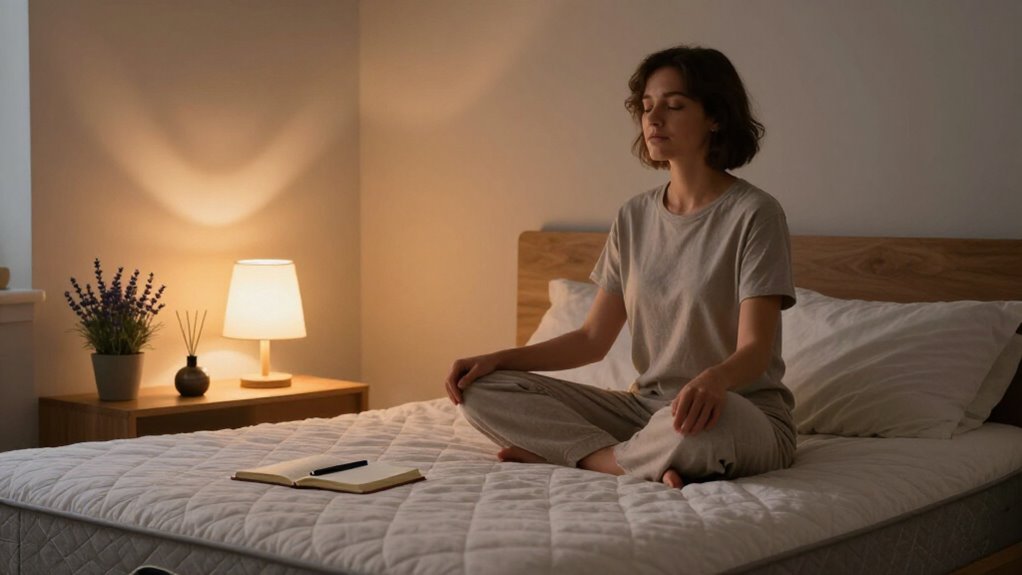
Ever stared at 2 AM wondering why your brain’s running a marathon while your body craves collapse? Yeah, me too—until I discovered my chronotype wasn’t “lazy,” just *misunderstood*.
I spent years forcing 10 PM bedtimes like a sleep masochist. Spoiler: I failed. Miserably. Then I actually measured my sleep latency with a simple journal—game changer.
Here’s the real tea: your ideal window isn’t universal. Sleep Foundation and Dr. Michael Breus’s “Power of When” research confirm it. We’re talking early larks, mid-types, late owls, plus two bridge slots—each shifted by 15–30 minutes max. No heroic leaps.
2026’s “Sleepmaxxing” trend? It’s just chronobiology with better marketing. But I’ll take it if it gets people tracking their Oura Ring data or trying Philips Hue’s circadian lighting.
At Corala Blanket, we obsess over this stuff so you don’t have to. Start dimming lights at 8 PM. Cut caffeine by 2 PM. Track for one week.
Which chronotype are you *actually*—not the one your boss prefers?
Quick Takeaways
- Aim for a consistent 7–9 hour sleep window aligned to your chronotype to support circadian health.
- Schedule bedtimes and wake times within the same 1–2 hour range daily to reduce social jet lag.
- Match your sleep window to natural light cues: earlier in the day if you’re a morning type, later if you’re a night owl.
- Plan gradual changes (15–30 minutes) when shifting sleep times to minimize disruption and improve adherence.
- Create a sleep-friendly environment and routine, avoiding screens and caffeine before bedtime to bolster sleep onset.
How Much Sleep Do You Really Need for Optimal Rest
Most adults require about seven to nine hours of sleep per night for ideal functioning, though individual needs can vary by genetics, age, and lifestyle.
I’ll outline sleep duration targets and how personal factors shape them. Research from Sleep Foundation and neuroscientists like Dr. Matthew Walker informs evidence-based ranges.
Practical cues, such as consistent schedules, reinforce reliable physiology and reduce circadian misalignment.
Find Your Ideal Bedtime by Chronotype
Our previous discussion established that sleep needs vary by individual, but the timing of that sleep matters just as much. By aligning with chronotype, you optimize circadian efficiency, reduce chronic sleep impacts, and leverage chronotype benefits such as sharper decision-making and steadier mood. Research by Whitten and subsequent data from Sleep Foundation confirms practical bedtimes, integrating light exposure, caffeine timing, and consistent schedules. Studies in chronobiology research demonstrate that misaligned sleep timing can significantly increase vulnerability to anxiety and depression. Proper light exposure cycles throughout the day help regulate melatonin production and support psychological wellbeing by reinforcing natural circadian rhythms.
How Sleep Timing Impacts Morning Energy
If you wake before dawn or rise after a late-night stretch, sleep timing directly shapes morning energy through the state of your circadian system. I explain how a consistent sleep schedule synchronizes hormones, while a flexible morning routine buffers social jet lag. Table follows. Dawn research from Matthews and Scheer informs practical cadence, improving alertness, mood, and cognitive throughput without hype.
| Factor | Mechanism | Outcome |
|---|---|---|
| Light cues | Melatonin suppression | Earlier alertness |
| Sleep duration | Adenosine clearance | Focus, memory |
| Chronotype alignment | Cortisol rhythm | Stable energy |
| Consistency | Homeostatic balance | Predictable mornings |
5 Easy Steps to Shift Your Sleep Window
Shifting your sleep window can be planned, deliberate, and gradual rather than abrupt, because small, stepwise changes minimize circadian disruption.
I share practical adjustment techniques drawn from chronobiology research and brands like Philips Wake-Up and researchers such as Uhrig.
With a calm, authoritative tone, we define targets, implement 15–30 minute shifts, monitor sleep latency, and align cues to consolidate a robust sleep window.
Common Sleep Drainers to Avoid Before Bed
What common bedtime habits sabotage sleep, and why do they matter for a steady slumber? I identify sleep environment lapses and a lax bedtime routine as primary disruptors. Research shows that caffeine timing significantly impacts deep sleep quality, with afternoon consumption reducing restorative slow-wave sleep.
By tightening cues and reducing stimulants, you improve sleep architecture.
- Avoid screens at least 60 minutes before bed because blue light suppresses melatonin production and delays your body’s natural sleep signal
- dim lights, regulate temperature
- skip heavy meals and caffeine late
This evidence-centered approach supports mastery.
Early 2026 Sleep Trend Revealed
A new year brings sharper signals from sleep science about when people actually lean into rest.
I share Early 2026 observations: sleep duration tightens around consistent windows, while sleep technology nudges chronotypes toward earlier starts.
Researchers like Dr. Matthew Walker and devices from Fitbit and Oura validate patterns.
These findings guide disciplined schedules, prioritizing measurable optimization over hype, with methodical, evidence-driven recommendations.
Evening-Light Sleep Aids Roundup
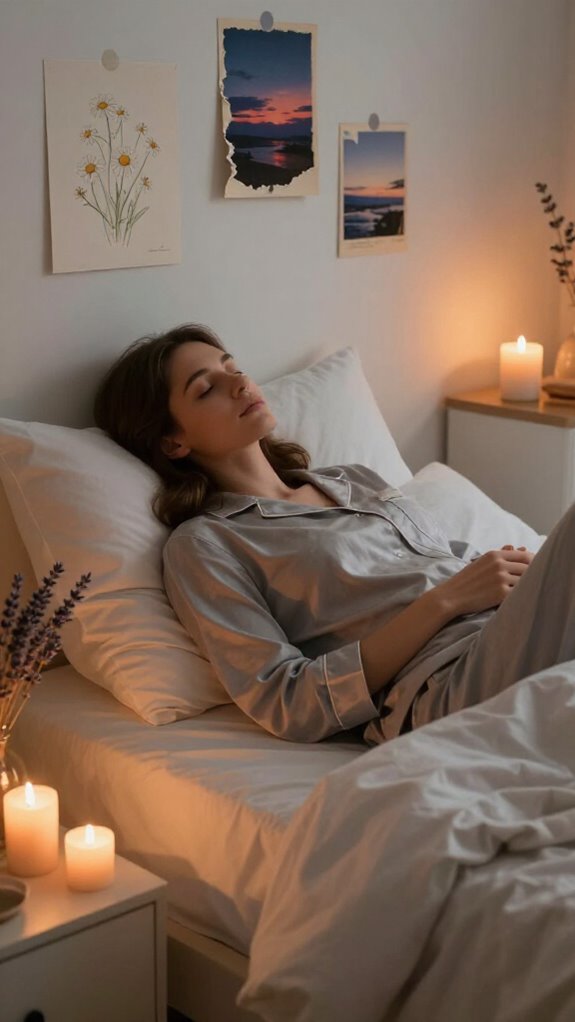
Evening light—especially the spectrum from blue-enriched LEDs and screens—plays a decisive role in shaping sleep onset, so I’ll outline practical aids that use illumination strategically rather than hype.
Evening lighting shapes sleep onset; use amber filters and warm hues before bed.
- Use amber-tinted filters after 8 p.m.; distance screens, reduce blue-content, and favor warm hues at least 40–60 minutes before bed.
- Incorporate aromatherapy benefits with lavender or chamomile under evening routines, aligning scent exposure with cues.
- Pair dim lighting with calming rituals, and monitor evidence from researchers like Rea and Bullough to validate methods.
Sleep Timing by Chronotype
Chronotypes—our intrinsic timing patterns—govern when we feel most alert and when we crave rest, shaping how sleep should align with circadian biology. I explain chronotype impact with data from Drew Jennings and researchers at the Sleep Foundation. Social jetlag appears when schedules misalign. Below, a concise table clarifies ideal windows, while brands like Philips and Fitbit inform practical timing strategies.
| Early Bird | Intermediate | Night Owl |
|---|---|---|
| 6–8 AM alert | 9–11 AM peak | 2–4 AM rest |
| 9 PM sleep target | 11 PM–12 AM | 2–3 AM wake window |
| Light exposure helps | Consistency matters | Routine anchors improves |
FAQ
Can Naps Disrupt or Enhance Nightly Sleep Quality?
Naps can both help and hinder: a 20–30 minute nap boosts alertness without disrupting sleep architecture, while longer naps risk homework-like sleep inertia. I’m telling you, nap duration and nap timing matter for nap benefits.
Do Weekend Sleep Patterns Affect Weekday Rest Recovery?
Weekend sleep patterns do affect weekday rest recovery. I’ve seen social jetlag effects ripple into weekday performance, and I share recovery sleep observations to help you align weekend sleep habits with peak weekday functioning. Let’s master this together.
How Do Meals Near Bedtime Influence Sleep Onset?
Eating too close to bed harms sleep onset; I recommend spacing meals earlier to support meal timing and digestive health. I’ll tailor guidance for mastery, explaining how lighter dinners and digestion-friendly choices optimize your sleep shift.
Is Caffeine Timing More Impactful Than Total Daily Caffeine?
Caffeine timing matters more than total daily intake for me, since sensitivity varies and can disrupt sleep cycles even with small amounts. I tailor intake to my caffeine sensitivity to protect sleep cycles and optimize recovery.
Do Temperature Changes in the Room Affect Sleep Depth?
Yes, temperature changes dramatically affect sleep depth—my sleep depth soars or crashes with the room’s heat or chill. In my sleep environment, I chase thermal comfort like a maestro, optimizing nightly rhythms for mastery and resilience.