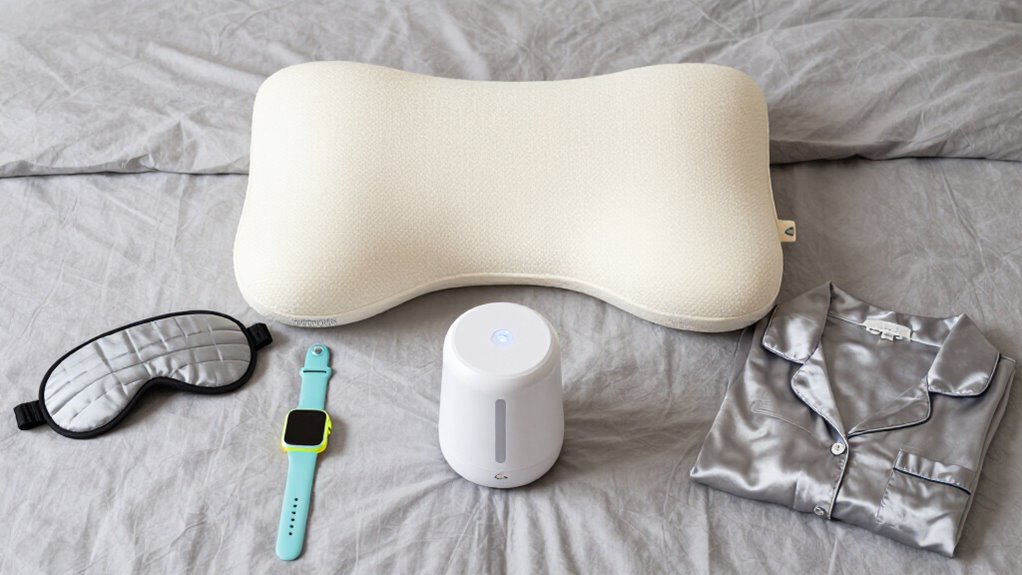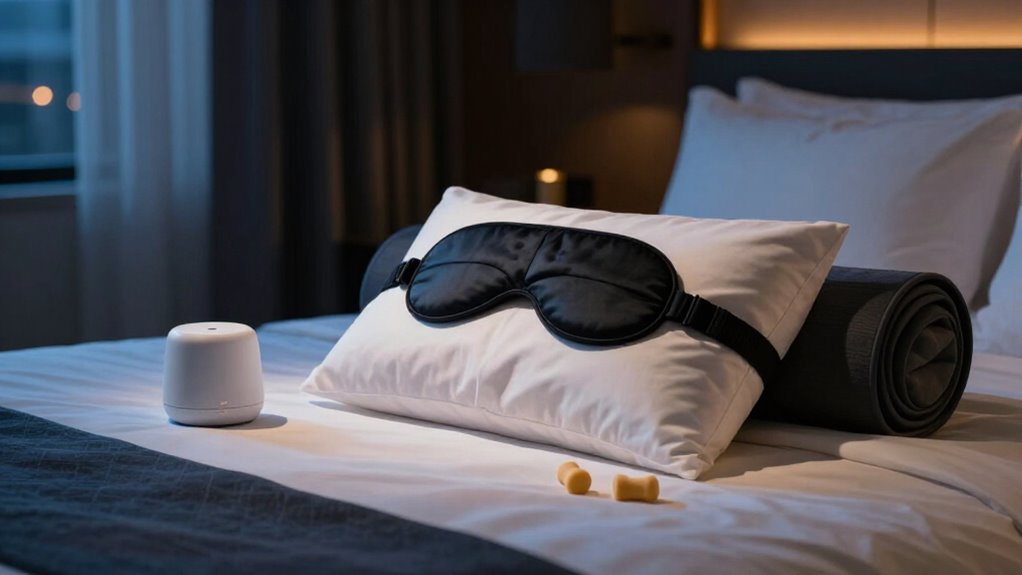
My ex’s snoring? Brutal. I tried everything—Breathe Right strips, that saline rinse ritual, even wedging a firm pillow behind my back to force side sleeping. Nothing stuck until I discovered the 2026 “sleepmaxxing” trend: 65°F rooms, 40% humidity, zero alcohol after 7 PM.
Game changer.
At Corala Blanket, we’re obsessed with better sleep—it’s literally our mission. Still sawing logs? Dr. Atul Malhotra’s UCSD research pushed me toward mandibular devices and proper AASM screening. Your partner’s snoring wrecking your sanity too? Sometimes the fix is mechanical, sometimes medical—but you deserve quiet nights.
Quick Takeaways
- Encourage side sleeping and slight head elevation to keep the airway open and reduce tongue fallback.
- Use nasal strips, saline rinses, and allergy treatment to improve nasal airflow and lessen mouth breathing.
- Avoid alcohol 3-4 hours before bed, since it relaxes throat muscles and worsens snoring.
- Keep the bedroom cool and humidified to support easier breathing and steadier sleep.
- If snoring is loud, frequent, or includes choking, gasping, or fatigue, seek evaluation for sleep apnea.
Why Your Partner Snores at Night?
Why does your partner snore in the first place?
I’ve found the causes of snoring usually start with narrowed airflow, which makes throat tissues vibrate like a reed in a clarinet. Nasal congestion, alcohol, weight gain, and sleep apnea can all contribute. Poor sleep quality from chronic snoring has been linked to increased cardiovascular risk, making it worth addressing beyond just the noise.
I don’t buy snoring myths that blame only deep sleep or old age. Researchers at the Mayo Clinic and Johns Hopkins note anatomy matters: a thick neck, enlarged tonsils, or a deviated septum can raise risk.
I treat snoring as a mechanical issue, not a character flaw, and that shift gives me leverage.
Research shows that sleep apnea symptoms in women over 50 often go unrecognized, making it especially important to consider this possibility in older female partners who snore.
Adjust Sleep Position to Reduce Snoring
A simple shift in position can quiet a surprising amount of nighttime noise, and I usually start there because gravity isn’t neutral when it comes to the airway.
I tell you to favor side sleeping, since supine posture lets the tongue fall back and narrows airflow. Just as ideal sleeping positions help chronic pain sufferers find relief through proper body alignment, strategic positioning can open the airway for quieter breathing. Finding your optimal bedtime can also complement these positional changes by ensuring you enter deeper sleep stages when airway muscles are most relaxed.
Side sleeping can help keep the tongue from falling back and narrowing the airway.
Try these moves:
- Turn the torso slightly.
- Place a firm pillow behind the back.
- Use pillow adjustments to keep the neck aligned.
- Raise the head modestly, not sharply.
Research from Stanford sleep clinics and ResMed-backed studies links lateral sleep position to less vibration in the soft palate and a steadier airway.
Try Nasal Strips or a Saline Rinse
If side sleeping still leaves your partner sounding congested, I’d look at the nose next, because airflow bottlenecks often start there.
I often use adhesive nasal strips, like Breathe Right, to lift the nasal valve and cut nasal congestion fast. A saline rinse with a neti pot or squeeze bottle clears mucus and allergens, improving patency before bed.
Researchers in sleep medicine note that better nasal airflow can support steadier breathing techniques and lessen mouth breathing, which amplifies snoring.
If symptoms persist, I’d treat it as a structural issue, not a nuisance, and escalate with an ENT evaluation.
Keep the Bedroom Cool and Humid
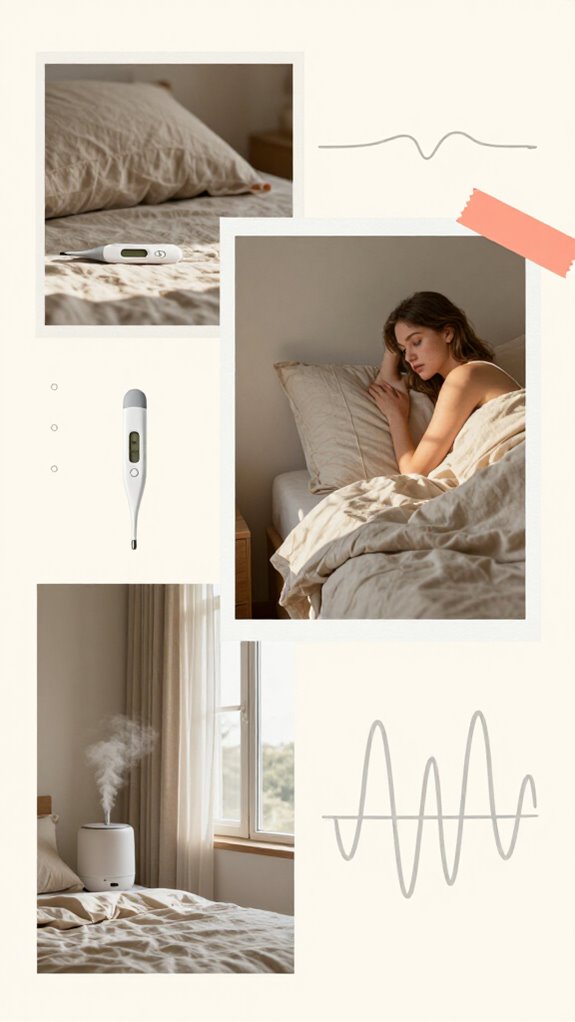
Lowering the thermostat a few degrees can do more for snoring than people expect, because warm, dry air tends to irritate the upper airway and thicken secretions. I keep my bedroom temperature around 65-68°F and raise air humidity to about 40-50%, which supports smoother nasal airflow and steadier sleep. The body’s circadian rhythm naturally triggers a drop in core temperature in the evening, and a cool bedroom supports this biological process for better rest.
- I use a digital hygrometer by ThermoPro.
- I run a cool-mist humidifier from Levoit.
- I close blinds before dusk.
- I let fresh air circulate briefly.
Researchers like Dr. James Nestor note that nasal patency improves in cooler, moister rooms.
This setup helps me keep command of the night.
For those struggling with temperature regulation, ice bath therapy before bedtime can lower core body temperature effectively and promote deeper, more restful sleep.
Avoid Alcohol Before Bedtime
Because alcohol relaxes the pharyngeal muscles, it can turn a mild snore into a full-throated rattle; I try to avoid drinks for at least 3 to 4 hours before bed. Blue light exposure before bedtime can similarly disrupt sleep by suppressing melatonin, compounding the negative effects of alcohol on rest.
The alcohol effects are measurable: airway tone drops, breathing becomes less stable, and sleep quality suffers as awakenings rise. I treat that cutoff like a gate at a secure facility—once it’s closed, nothing compromises the night shift.
Researchers such as Dr. Patrick Strollo have linked alcohol with louder snoring and poorer oxygenation.
If I want real control, I keep evenings clear, hydrate well, and let recovery, not liquor, own the dark.
Alcohol also fragment sleep architecture, causing brief awakenings throughout the night that you may not fully remember but that leave you unrested.
Treat Congestion and Allergies Early
Staying ahead of congestion matters just as much as avoiding a late-night drink, since swollen nasal passages and thick mucus can force mouth breathing, narrow the airway, and make snoring louder.
I tackle allergy management early, because I want the airway clear and the room quiet. My congestion remedies look like this:
I manage allergies early, keeping the airway clear and the night quiet.
- I flush pollen with saline before bed.
- I use HEPA filtration to cut airborne triggers.
- I follow a clinician’s advice on antihistamines or nasal steroids.
- I replace dusty bedding fast.
Researchers like Dr. T. Douglas and brands like Flonase support this disciplined approach.
Support Weight Loss to Reduce Snoring

A modest reduction in body weight can make a real difference in snoring, especially when extra tissue around the neck and tongue adds pressure to the upper airway.
I’ve seen that steady dietary changes—lean protein, fewer refined carbs, and less late-night eating—can trim that load. Pair them with exercise routines that build consistency, not theatrics; Mayo Clinic research links weight loss with quieter sleep by easing pharyngeal collapse.
I’d treat this like recalibrating a machine: modest, deliberate, effective. For many readers, even 5% to 10% loss lowers vibration, improves airflow, and strengthens nightly control.
Try an Anti-Snoring Pillow or Mouthpiece
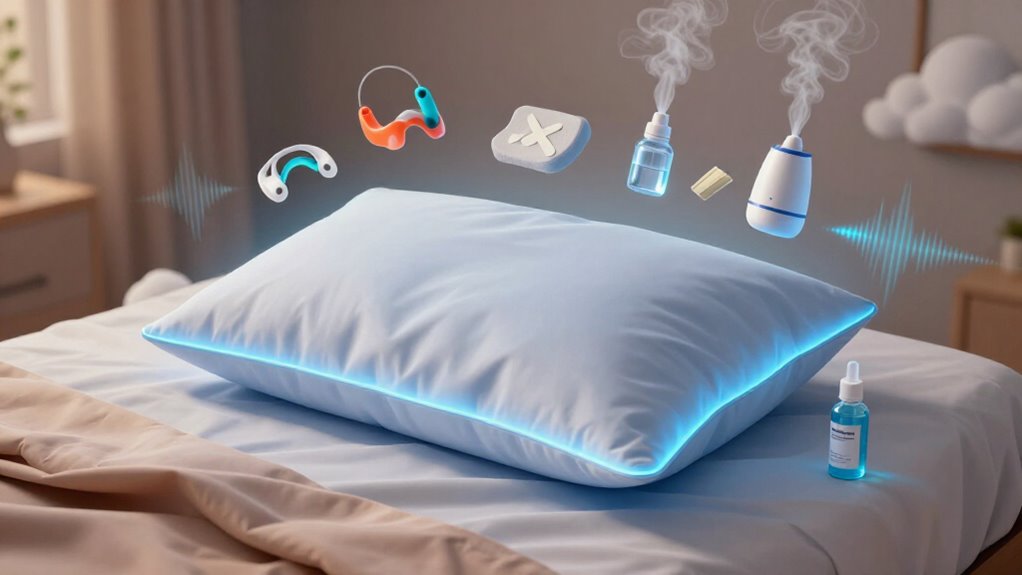
An anti-snoring pillow can change the geometry of sleep in a quiet, mechanical way: by elevating the head, keeping the neck aligned, and discouraging the backward slide of the tongue and soft palate that narrows the airway. For partners who still need help masking residual sounds, studies suggest that white noise improves sleep quality by creating a consistent auditory backdrop.
I’d compare pillow types and mouthpiece options before buying:
- A wedge pillow, like MedCline, lifts the torso.
- Cervical models cradle the jaw and nape.
- Side-sleeping designs block supine collapse.
- Mandibular advancement devices, often fitted by dentists, move the jaw forward.
Clinical reviews by researchers such as Somers show positional support can reduce vibration, though severe apnea still needs evaluation.
For those seeking additional nighttime comfort solutions, high-fidelity sleep buds can provide soothing audio masking without disturbing your partner.
Build a Calmer Bedtime Routine
When I help someone quiet a partner’s snoring, I usually start with the hour before sleep, because the airway doesn’t only respond to anatomy; it also reacts to habit, stimulation, and timing. I keep the routine disciplined: dim lights, no alcohol, and light movement. Luxurious lavender diffusers can enhance this wind-down period by releasing sleep-promoting scents that encourage relaxed breathing patterns.
| Action | Mechanism | Effect |
|---|---|---|
| mindfulness exercises | lowers arousal | steadier breathing |
| calming aromatherapy | signals relaxation | easier sleep onset |
| warm shower | reduces tension | less mouth breathing |
Researchers like Dr. Aaron Carroll note consistency matters. Brands such as Vitruvi and Dottera offer diffusers. Think of it as tuning a precision engine: calm inputs often yield quieter nights. Copper-infused bedding can further promote deeper, more restorative sleep by supporting thermal regulation and creating a cleaner sleep surface.
Know When Snoring Needs Medical Help
Once the bedtime routine is steady, I look at the snoring itself, because not every rattle or rumble is harmless. If I notice snoring symptoms like gasping, pauses, morning headaches, or daytime fatigue, I push for a medical assessment.
Strong systems demand vigilance:
- loud, nightly choking
- swollen throat or nasal blockage
- blood pressure strain
- exhaustion despite sleep
Researchers at the Mayo Clinic and the American Academy of Sleep Medicine warn these signs can point to sleep apnea, not simple noise.
I’d rather act early than let a hidden disorder erode strength, focus, and control.
Recommended Products to Use
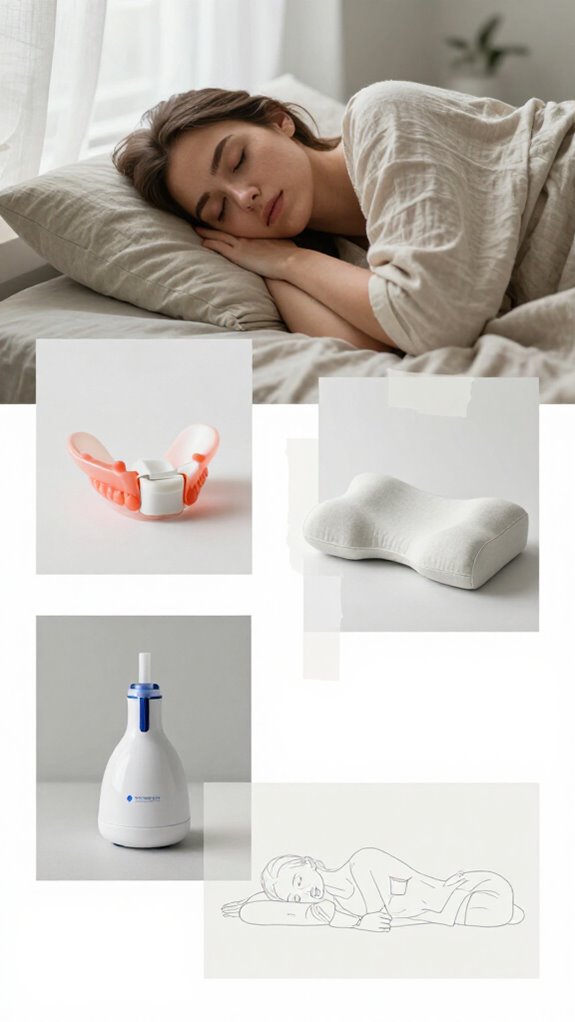
I usually start with a few well-chosen tools, because the right product can quiet snoring without turning bedtime into a medical experiment. Just as blocking light improves sleep quality by creating an ideal sleep environment, the right anti-snoring tools can transform your bedroom into a space for restful, uninterrupted sleep.
I recommend snoring devices like mandibular advancement mouthpieces from SomnoMed or SnoreRx; they nudge the jaw forward and widen airflow. Nasal strips from Breathe Right can help if congestion is the culprit, while saline rinses and humidifiers act as practical sleep aids.
For positional control, a wedge pillow or vibration trainer from NightBalance can keep the airway steadier.
I favor products with clear return policies, simple fit, and clinical documentation, not gimmicks.
Beyond these devices, upgrading to non-toxic bedding materials can reduce nighttime irritants and support deeper, quieter sleep for both partners.
Sleep Apnea Studies
These studies remind me that a partner’s snoring can signal obstructive sleep apnea, not a nuisance alone. Recommended melatonin supplements can help improve sleep quality while addressing underlying issues.
If symptoms persist, I’d push for testing; real power starts with diagnosis.
Daytime fatigue from untreated sleep apnea often masquerades as simple tiredness, making proper screening essential.
FAQ
Can Earplugs Help Me Sleep Through My Partner’s Snoring?
Yes, I’d try earplugs first; they can block enough snoring to let me sleep. I’d also pair them with snoring solutions and strong sleep hygiene, so I stay sharp, rested, and in control.
Does Sleeping Separately Harm a Relationship?
I don’t think sleeping separately automatically harms your relationship; I’d protect sleep quality and relationship dynamics by discussing it openly, setting clear boundaries, and choosing what lets us both show up stronger, calmer, and more powerful.
How Can I Gently Bring up Snoring Without Offending My Partner?
I’d say: “I care about us, and I’ve noticed your snoring habits.” Why not frame it as teamwork? I use calm communication strategies, choose a private moment, and ask how we can fix it together.
Are White Noise Machines Effective Against Snoring Sounds?
Yes, I find white noise can help mask snoring, though it won’t stop it. I’d pair it with snoring remedies that tackle the cause, so you keep control and sleep more powerfully through the night.
What Should I Do if Snoring Starts Suddenly?
I’d wake them, then test sudden snoring causes by checking position, congestion, alcohol, or illness; I’d keep identifying triggers. If it’s new, loud, or paired with choking, I’d urge medical evaluation immediately.