Remember when I thought 5 hours of sleep made me “productive”? Spoiler: I was a zombie.
Turns out, teens actually need 8–10 hours. I learned this the hard way after crashing my bike—literally—during a morning commute. My circadian rhythm was trash.
Here’s the tea: consistency beats perfect bedtimes. Caffeine after 3pm? That’s self-sabotage, bestie.
At Corala Blanket, we’re obsessed with fixing this mess. The CDC and Dr. Matthew Walker (UC Berkeley sleep legend) back these numbers. Meanwhile, “Sleepmaxxing” is trending hard for 2026—think Oura Ring tracking meets TikTok sleep hacks.
Your screen’s blue light is lying to your brain. Track your patterns. Fix your routine.
Ready to stop feeling like warmed-over death?
Quick Takeaways
- Teens aged 13–15 should aim for 8–9 hours of weekday sleep; 16–17-year-olds should target 8–10 hours, with weekends 9–11 hours.
- Maintain consistent bed and wake times to support circadian rhythms and reduce chronic sleep deprivation.
- Prioritize sleep quality: limit screens, dim lights before bed, and consider deep touch pressure (e.g., weighted blankets) to calm you.
- Track sleep with a log to identify patterns, bedtime consistency, pre-sleep activities, and wake times.
- Be aware of barriers like caffeine, stress, and social media; implement quick fixes to protect nightly rest.
How Much Sleep Do Teens Really Need Each Night?
Most teens should target between 8 and 10 hours of sleep per night, though individual needs vary.
I explain that sleep deprivation effects accumulate, impairing attention and mood, while circadian rhythm shifts push wakefulness later.
Sleep deprivation chips away attention and mood as circadian shifts push wakefulness later.
Research from Sleep Foundation and researchers like Dr. Mary Carskadon underscores that consistency matters more than clock time.
Aim for regular schedules, light exposure, and structured routines to optimize cognitive performance.
Maintaining an optimal bedroom temperature around 65°F supports natural circadian rhythm regulation and deeper sleep cycles.
Foundations: Why Sleep Needs Change by Age and Day of Week
As children mature, sleep needs shift in predictable ways that hinge on developmental stage, circadian biology, and weekly rhythm; for example, older teens generally sustain high sleep pressure later into the night, while weekends introduce genetic and behavioral tempo changes that can temporarily misalign internal clocks. Research indicates that disordered breathing patterns during sleep can markedly reduce sleep quality even when total hours appear sufficient, leading to subtle but cumulative effects on daytime functioning.
Sleep cycles evolve, hormonal changes interact with melatonin timing, guiding daily rest patterns and daytime performance.
Dietary choices and alcohol consumption habits can significantly impact sleep architecture and overall rest quality during these developmental years.
Sleep Targets by Age Group (13–15, 16–17) and Weekday Vs Weekend
Building on how sleep needs shift as children mature, we can specify targets that reflect two pivotal teen groups: ages 13–15 and 16–17, with careful attention to weekday versus weekend patterns.
Sleep recommendations prioritize consistency; age variations imply later weekend bedtimes for 16–17. For teens experiencing acid reflux relief challenges, maintaining these sleep targets becomes even more important as proper rest supports digestive health. Chronic sleep deprivation in adolescents is strongly linked to increased anxiety symptoms, making adherence to these guidelines essential for protecting mental wellbeing.
| Age group | Weekday target |
|---|---|
| 13–15 | 8–9 hours |
| 16–17 | 8–10 hours |
| Weekends | 9–11 hours |
| Sources: National Sleep Foundation,研究, Brand: NIH
Track Sleep and Adjust Your Nightly Routine
Keeping a tight log makes the path to better sleep—and better mornings—clear and actionable. I track patterns with sleep journals, comparing bedtime consistency, pre-sleep activities, and wake times against objective notes from actigraphy data. Deep touch pressure from weighted blankets works through somatic regulation to reduce physiological arousal before sleep.
Adjust your nightly routine by refining bedtime rituals, limiting screens, and aligning dim-light exposure. Research from NIH and sleep scientists supports disciplined logs guiding targeted behavioral tweaks. For teens struggling with restlessness, incorporating tools like weighted blankets can provide calming deep touch pressure that promotes more restorative sleep.
Common Teen Sleep Barriers and Quick Fixes
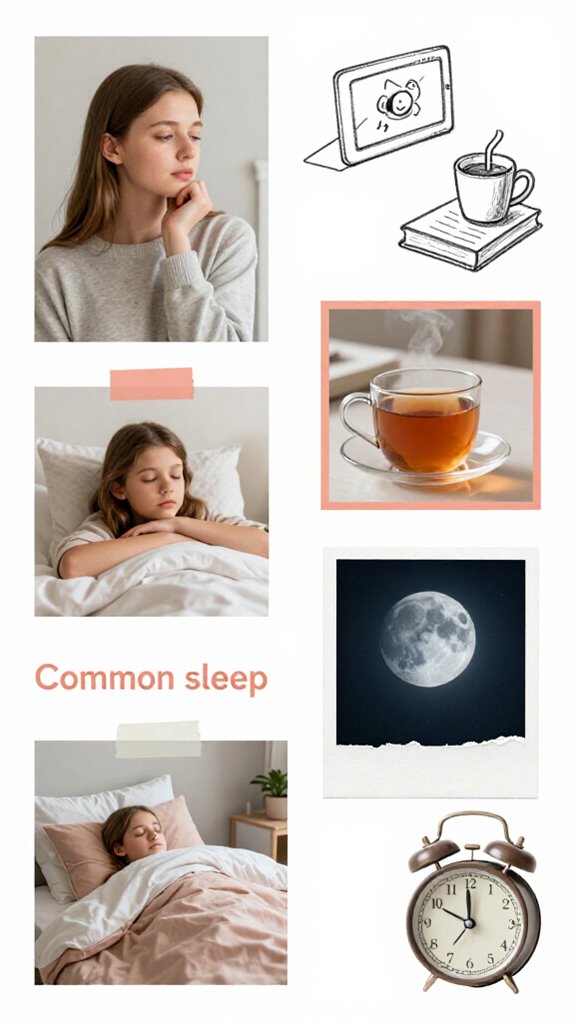
Nighttime barriers often show up as both biological and environmental hurdles, and recognizing them helps map practical quick fixes.
I share evidence on social media, academic stress, caffeine consumption, screen time, weekend catch up, and nighttime routines.
This mastery-focused guide cites researchers like Dr. Mary A. Carskadon; mechanisms include circadian phase and sleep pressure, with concrete steps to optimize consistency and light exposure.
Teens’ 2026 Nap Patterns
When I examine teens’ 2026 nap patterns, I find that daytime sleep, though modest in duration, has shifted in timing and circumstances as digital life and school demands evolve.
Nap duration now clusters after classes, while ideal timing aligns with circadian dips.
Research from NIH and sleep scientists suggests evidence-based guidelines, supporting structured short naps and consistent schedules for cognitive maintenance and mood stability.
Teen Sleep Tech Picks
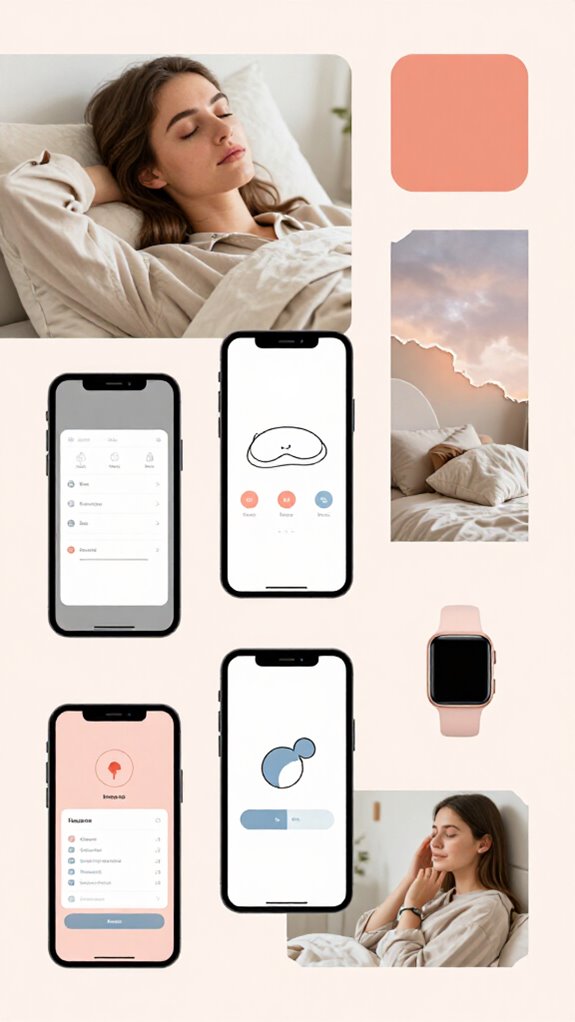
Smart, research-backed choices can streamline teen sleep without turning tech into a distraction.
I present sleep apps, bedtime routines, sleep gadgets, and meditation techniques as practical tools, not gimmicks. Brands like Apple Health, Fitbit, and Headspace provide credible data and guided practices.
As researchers advise, establish consistent signals, monitor blue-light exposure, and integrate device-free wind-down periods for reliable mastery.
Teen Dream Temperature Study
A precise look at teen sleep temperature reveals how ambient and body heat intersect to shape sleep onset and duration. Cooling mattress toppers provide an effective solution for managing excess heat retention during the night.
I guide you through a measured study of dream cycles and temperature regulation, linking physiology to daily routines.
- Monitor room cooling strategies for sharper fall asleep times
- Align mattress and bedding with metabolic warmth patterns
- Track core temperature shifts to optimize REM windows, scientifically.
Implementing mattress cooling systems can significantly improve sleep quality by dissipating excess body heat throughout the night.
FAQ
How Can Sleep Impact Teen Academic Performance and Memory?
Sleep boosts cognitive function and learning retention, I promise you, reader. When I sleep well, I notice better memory during tests, and you will too; coincidence or not, rest fuels sharper focus and stronger academic performance.
What Are Signs of Chronic Sleep Deprivation in Teens?
I notice chronic sleep deprivation in teens as persistent fatigue and mood changes signaling sleep hygiene neglect; I encourage you to monitor your patterns, optimize wind-down routines, and seek professional guidance to prevent further mood shifts and cognitive decline.
Do School Start Times Affect Teen Sleep Quality?
Yes, school start times influence teen sleep quality, I’ve seen shifts improve alertness and mood. Embrace flexible school schedules and diligent sleep routines, and I’ll tailor advice to optimize your routine for peak daytime performance.
Can Caffeine-Free Evenings Improve Teen Sleep Already?
Evening caffeine-free routines can improve teen sleep, I believe. I’ve seen caffeine effects fade when I prioritize calm evenings, and I urge you to craft consistent wind-down rituals that support restorative rest.
How Do Social Media Late-Night Use Disrupt Sleep?
Social media causes sleep disruption by triggering cognitive arousal during night scrolling, and blue light suppresses melatonin, delaying sleep. I’ll limit night scrolling, set blue-light filters, and prioritize calm routines to protect your sleep quality and mastery.