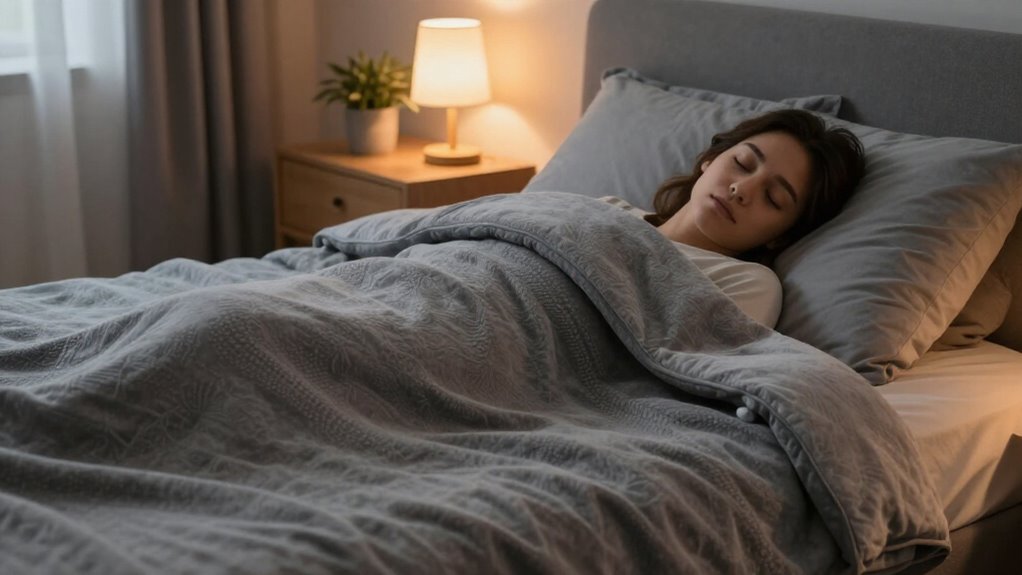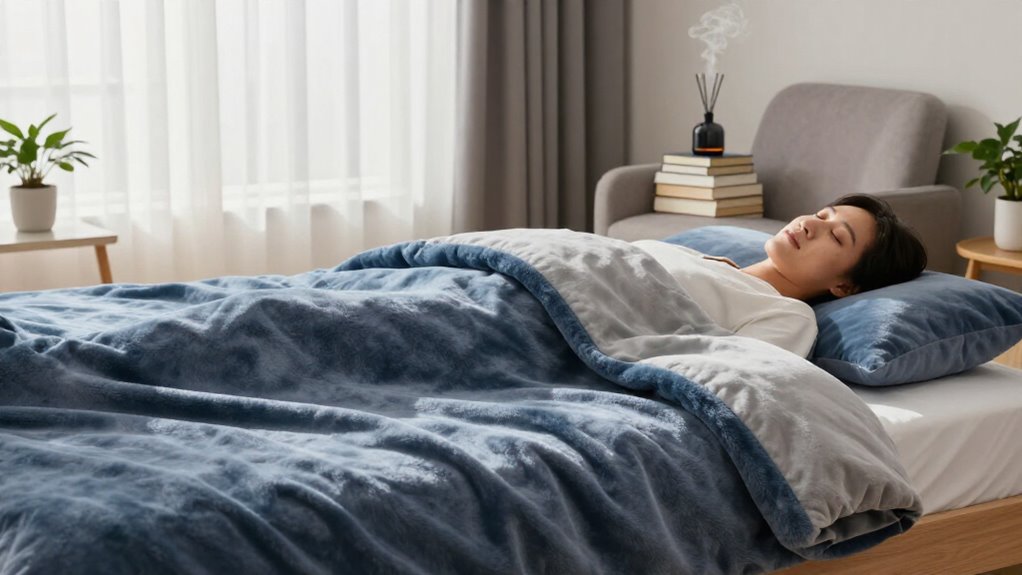
I used to toss and turn all night, totally wired. Then I discovered proprioceptive input—steady deep pressure that basically tells your nervous system to chill out.
Weighted blankets (think Gravity, Mosaic) genuinely changed my game. I started light, around 5% of my body weight, then bumped it up gradually. No numbness, no freaking out—just better sleep.
Here’s what really works: pair that pressure with slow breathing. Six breaths per minute. Sounds simple, but it’s honestly transformative.
At Corala Blanket, we’re committed to this stuff because we’ve seen the science. Clinical studies show fewer awakenings, shorter time falling asleep. That’s real.
Compression vests, targeted pressure on shoulders or calves—there’s nuance here. What works for me might feel different for you. But the foundation? Deep pressure works.
Quick Takeaways
- Use a weighted blanket sized ~10%–12% of body weight (or start at 5% for trials) to provide steady deep-pressure input.
- Apply focused proprioceptive tools (compression vests/sleeves) to shoulders, back, or thighs for 10–30 minutes pre-sleep.
- Combine deep pressure with slow diaphragmatic breathing at ~6 breaths per minute to maximize vagal calming.
- Introduce weight gradually, increasing 1–2 pounds while monitoring comfort, numbness, heart rate, and sleep continuity.
- Schedule predictable pre-sleep proprioceptive sessions (30–60 minutes) and track sleep latency, awakenings, and daytime symptoms.
Use a Weighted Blanket Tonight: Quick Setup for Better Sleep

Place a weighted blanket over the torso to introduce steady deep pressure that engages proprioceptive feedback and helps shift the body toward parasympathetic (rest-and-digest) activity.
The reader is advised to use this tool decisively: weighted blanket benefits include steady deep touch that lowers arousal and promotes sleep readiness.
Mechanisms involve proprioceptive signaling that reduces sympathetic drive and supports sleep stage consolidation.
Studies from Gothenburg and Syddansk universities report sleep quality improvements, shorter latency, and fewer awakenings.
Practical notes cite reputable brands and clinical reports; users should apply the blanket consistently as a nonpharmacologic strategy to strengthen nighttime regulation.
This vagus nerve activation through deep pressure stimulation may explain the rapid calming effect many users experience upon first use.
Pick the Right Weight for Your Body and Sleep Position
Comfort comes from appropriate pressure: selecting a weighted blanket that matches body weight and sleep position maximizes proprioceptive input without restricting movement.
Comfort arises from right-weighted blankets—matched to body mass and sleep position for proprioceptive support without movement restriction
The reader evaluates ideal weight by body mass and preferred sleep position—side sleepers may need slightly heavier distribution than back sleepers. Evidence from Gothenburg and Syddansk studies supports improved sleep efficiency with correct pressure.
Brands like Gravity and Mosaic offer varied fills; clinicians recommend measuring mass and testing balance across torso and limbs.
Consider mobility, temperature, and cover material when choosing.
Practical rule: guarantee blanket applies firm, even pressure while allowing posture changes and unobstructed breathing.
Research indicates that weighted product effects on stress hormone regulation can significantly improve sleep cycle quality when pressure is properly calibrated.
- Match blanket kg to body mass and sleep position.
- Assess distribution for torso and limbs.
- Prioritize breathable covers and mobility.
- Consult clinicians or product research when unsure.
Start Light and Increase Weight Gradually for Comfort
When introducing a weighted blanket, starting with a lighter option and increasing weight gradually helps the user adapt to deep pressure without causing discomfort or restricted movement.
A controlled progression aligns with proprioceptive strategies that modulate arousal via deep touch pressure; small increments allow assessment of comfort levels and sleep impact. Research from Gothenburg and Syddansk universities supports gradual trials in clinical groups. Studies indicate that deep pressure therapy can significantly increase slow-wave sleep duration when properly calibrated to individual tolerance.
Practical steps: begin with 5% of body weight or a commercially recommended light model (brands like Gravity offer ranges), test for several nights, then add 1–2 pounds until ideal sleep efficiency and mobility balance are achieved.
Try Compression Sleeves or Vests for Proprioceptive Input
Compression sleeves and vests offer focused deep pressure that can deliver proprioceptive input similar to weighted blankets but with greater mobility and targeted coverage.
They provide compression benefits by applying consistent deep touch pressure, aiding sensory integration and promoting parasympathetic activation. Research on weighted garments and studies from Gothenburg and Syddansk suggest measurable sleep efficiency gains; brands like Theragun and Soma produce clinical-style garments. This approach shares principles with soft comfort blankets that use distributed weight to calm the nervous system.
Selection considers fit, pressure level, and material to avoid overheating. Practical use targets shoulders, torso, or limbs before sleep or during wind-down rituals, enhancing grounding without restricting movement.
- Choose correct fit
- Start low pressure
- Monitor comfort
- Consult clinician
Use Progressive Muscle Pressure: 5–10‑Minute Bedside Routine
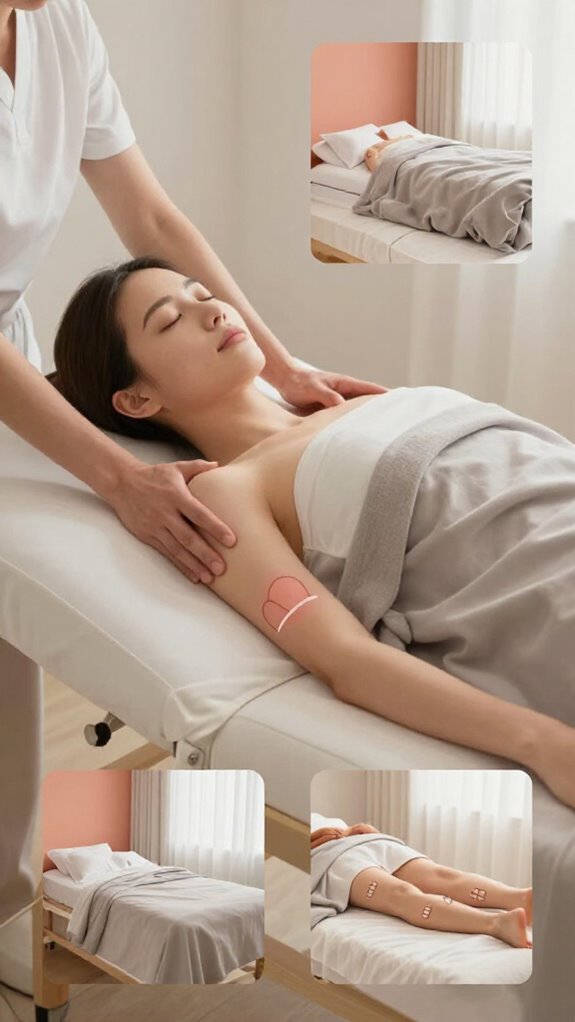
A brief, structured bedside routine of progressive muscle pressure—systematically applying firm, sustained pressure to major muscle groups for 5–10 minutes—can deliver targeted proprioceptive input that promotes parasympathetic activation and readies the body for sleep.
It outlines muscle relaxation techniques that are efficient and commanding: apply steady pressure to shoulders, forearms, thighs, and calves in sequence, holding each for 20–40 seconds.
Mechanisms include deep touch pressure triggering calming neurotransmitters and lowering arousal.
Bedside routine tips include using bodyweight, a partner, or a foam roller; clinical studies on weighted blankets and deep pressure provide corroborating evidence for improved sleep metrics.
This approach mirrors the deep touch pressure mechanism that makes weighted blankets effective for insomnia relief.
Target Large Muscle Groups for Stronger Sleep Effects
Targeting large muscle groups—such as the shoulders, back, thighs, and calves—provides more potent proprioceptive input than focusing on smaller muscles because greater muscle mass delivers stronger, more consistent deep pressure signals to the nervous system.
Targeting these areas via proprioceptive exercises maximizes muscle engagement, enhancing parasympathetic activation and sleep readiness. Research on weighted blankets (Gothenburg, Syddansk) and deep pressure protocols supports larger-area stimulation for improved sleep efficiency. The gravity blanket trend has popularized this approach for home use.
Practical methods concentrate force where mass is greatest to produce consistent feedback. Recommended actions:
- Apply firm pressure to shoulders and back.
- Compress thighs with a weighted wrap.
- Perform strong calf presses.
- Use whole‑body blankets.
Time Proprioceptive Sessions 30–60 Minutes Before Bed
Timing plays a practical role in maximizing the calming effects of proprioceptive input, with sessions scheduled 30–60 minutes before bedtime aligning stimulation with the body’s natural shift toward parasympathetic dominance.
Practitioners note timing benefits: this window allows dopamine, serotonin, and oxytocin to rise while cortisol falls, improving sleep latency and efficiency.
Use weighted blankets (e.g., Gravity blankets) or targeted deep-pressure routines focused on large muscles.
Evidence from Danish and Gothenburg studies supports reduced latency and improved sleep metrics when proprioception precedes sleep.
Scheduling also reduces sensory overload from late activities, creating a predictable pre-sleep protocol that strengthens habituation and results.
Weighted sleep products specifically designed for overnight anxiety relief have gained traction as accessible tools for implementing this timing strategy effectively.
Combine Deep Pressure With Slow, Rhythmic Breathing
The body responds to deep breathing paired with sustained pressure; this boosts vagal tone and shifts physiology toward rest. Rhythmic patterns guide respirations—six breaths per minute is common—and the weighted blanket or firm hug supplies proprioceptive input. Weighted blankets help regulate cortisol and melatonin levels, supporting the hormonal foundation for restorative sleep.
Evidence from studies at Gothenburg and Syddansk supports improved sleep metrics with combined approaches.
Practical steps:
- Apply consistent, moderate pressure for 10–20 minutes.
- Breathe slowly using diaphragmatic inhalations.
- Match inhalation–exhalation to a steady rhythm.
- Monitor comfort; adjust weight or pace as needed.
Avoid Overuse: Signs You’re Using Too Much Pressure
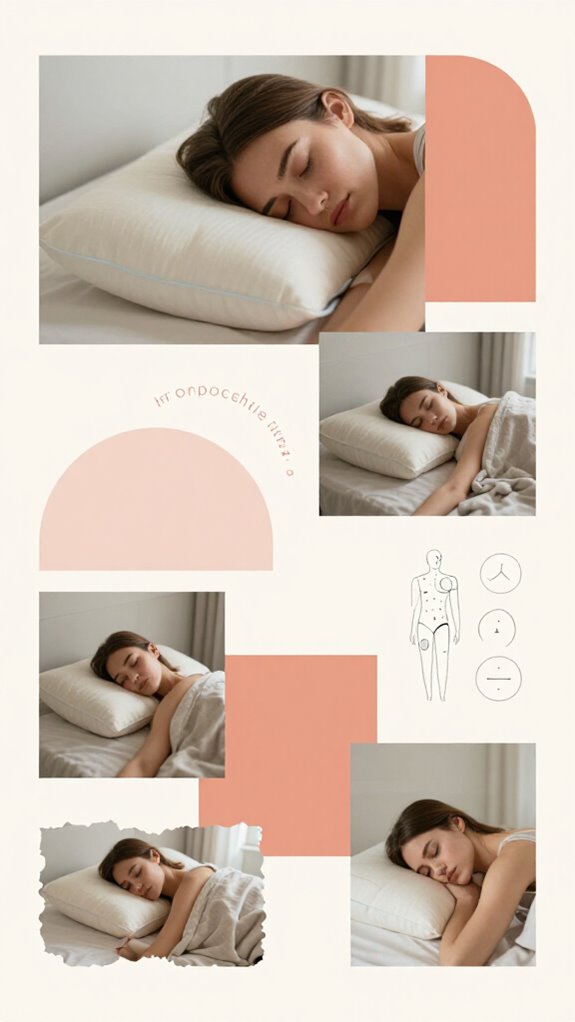
After practicing slow, rhythmic breathing with sustained pressure, attention should turn to recognizing when the pressure is excessive, because overuse can blunt benefits and cause discomfort or physiological strain. A powerful user monitors overuse signs: persistent numbness, increased heart rate, or disrupted sleep continuity. Pressure limits vary by body size and condition; manufacturers like Mosaic or Gravity suggest specific weights. Clinically, excess pressure can elevate cortisol and reduce tactile sensitivity. Orthopedic pillows designed for ergonomic support can help distribute pressure more evenly during these practices. Table below evokes the stakes and resolve.
| Sign | Mechanism | Action |
|---|---|---|
| Numbness | Nerve compression | Reduce weight 10–20% |
| Restlessness | Sympathetic activation | Pause session |
| Pain | Tissue strain | Reassess limits |
When Should You Consult a Professional? What to Tell Them
If persistent sleep disruption, new or worsening numbness, increased daytime anxiety, or signs of sympathetic overactivation (such as sustained elevated heart rate or heightened restlessness) occur despite trying graded proprioceptive interventions, a healthcare professional should be consulted.
Clinicians evaluate when to consult, assess signs of issues, and determine whether neuropathy, circulatory compromise, or anxiety disorder underlie symptoms.
Provide clear details: onset, intensity, interventions tried (weighted blanket brand, pressure levels, duration), comorbidities, medications, and objective measures like pulse or wake counts.
Relevant specialties include primary care, neurology, sleep medicine, and occupational therapy.
- State onset and triggers.
- Report objective signs.
- List interventions used.
- Name medications.
Slow-Wave Sleep Enhancement
Slow-wave sleep (SWS), the deepest stage of non-REM sleep characterized by slow, high-amplitude brain waves, plays a central role in restorative processes such as memory consolidation, hormonal regulation, and synaptic downscaling.
Proprioceptive input, delivered via weighted blankets (e.g., Gravity, YnM) or firm hugs, can modify sleep architecture by increasing SWS proportion and improving sleep efficiency. Mechanistically, deep pressure enhances parasympathetic tone and reduces cortical arousal, complementing relaxation techniques like progressive muscle relaxation.
Studies from Gothenburg and Syddansk Universitet report reduced sleep latency and improved SWS markers.
Practical implication: controlled pressure is a low-risk, evidence-aligned method to bolster restoration.
The calming proprioception from weighted blankets also supports healthy REM cycles, creating a more complete sleep experience across all stages.
FAQ
Can Children Safely Use Weighted Blankets Without Supervision?
No; children should not use weighted blankets without supervision. The authority emphasizes weighted blanket safety, recommending caregiver oversight, appropriate weight selection, age-appropriateness, and monitoring to prevent suffocation, overheating, or restricted movement.
Can Proprioceptive Input Worsen Anxiety for Some People?
“Like a double-edged sword,” yes — proprioceptive input can worsen anxiety for some; individuals with proprioceptive sensitivity may find certain deep pressure act as anxiety triggers. Controlled, empowered application and assessment mitigate potential harm.
How Do Medications Affect Proprioceptive Sleep Benefits?
Medications can blunt or amplify proprioceptive sleep benefits: medication interactions with neurotransmitters (GABA, serotonin, dopamine) alter sleep quality, so one should strategically evaluate prescriptions to preserve deep-pressure efficacy and optimize restorative sleep.
Are There Contraindications for Heart or Respiratory Conditions?
A weighted blanket can be a heavy crown; yes — heart conditions and respiratory conditions may contraindicate use. Clinicians must vet cardiovascular or pulmonary compromise, ensuring safety, control, and monitored adoption before endorsing deep pressure.
Can Daytime Proprioceptive Therapy Replace Nighttime Use?
Daytime proprioceptive therapy cannot fully replace nighttime use; daytime activities and proprioceptive strategies support sensory integration and therapeutic effects, but powerful sleep-specific deep pressure (nighttime) often remains necessary for ideal sleep consolidation and maintenance.
References
- https://siestsleep.com/blogs/news/p-why-deep-touch-and-proprioception-can-support-improved-sleep-p-p-p
- https://www.jscimedcentral.com/jounal-article-info/Journal-of-Sleep-Medicine-and-Disorders-/Effects-of-Deep-Propioceptive–Stimulation-on-the-Efficiency-of–Sleep-in-People-with-Intellectual–Disability-and-the-Necessity-of–Extensive-Generalized-Support-7955
- https://www.longdom.org/open-access/sensory-gating-protects-sleep-sensory-gaining-protects-the-sleeper-110697.html
- https://pmc.ncbi.nlm.nih.gov/articles/PMC11854149/
- https://pmc.ncbi.nlm.nih.gov/articles/PMC10133494/
- https://sensory-processing.middletownautism.com/sensory-strategies/strategies-according-to-sense/proprioceptive/
- https://www.emerald.com/ijot/article/49/1/11/148899