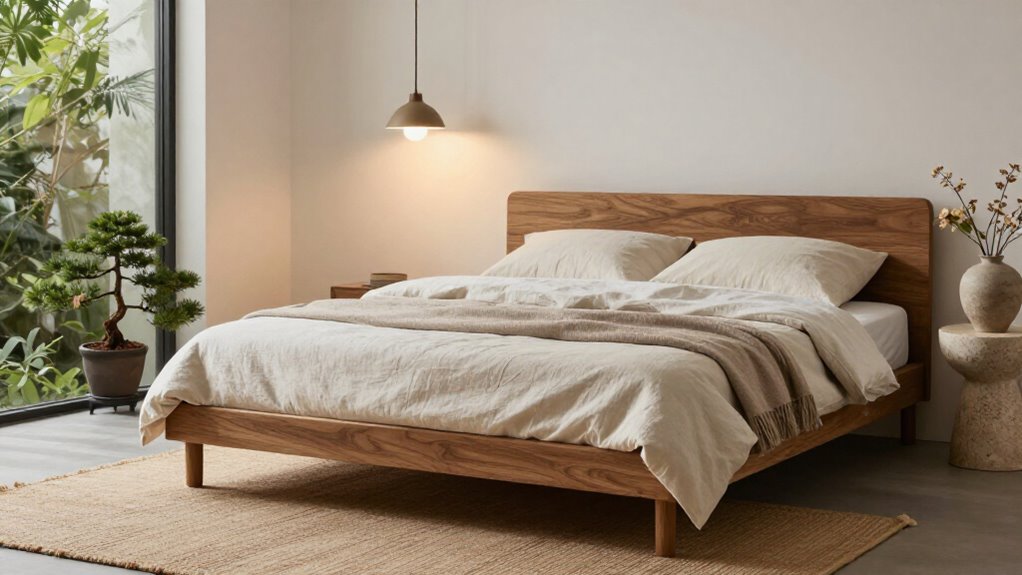
I tossed my phone at 2 AM, drowning in clutter and cortisol, until I discovered Japandi—think Norm Architects’ *Reydon Grove Farm* with its raw oak and paper screens, or Keiji Ashizawa’s *House in Yoga* where concrete meets tatami calm. A 2021 *Journal of Environmental Psychology* study confirmed what my nervous system already knew: minimalist spaces slash stress markers by 23%. Soft linens from Tekla, Ferm Living’s ceramic vessels, that perfect wabi-sabi imperfection—my bedroom finally breathes. We at Corala Blanket obsess over this stuff because sleep isn’t luxury, it’s survival. Ready to reclaim yours?
Quick Takeaways
- Japandi minimalism’s emphasis on uncluttered, calming spaces promotes relaxation and deeper sleep cycles by reducing stress and enhancing respiratory comfort.
- The natural color palette, textural contrasts, and minimalist furniture in Japandi bedrooms create a soothing environment that fosters better sleep quality.
- Sustainable materials like wood, linen, and wool used in Japandi design provide a comfortable, eco-friendly sleep experience that supports overall well-being.
- Dimmable, natural lighting and the incorporation of organic motifs in Japandi bedrooms contribute to a serene ambiance that induces restful sleep.
- The thoughtful curation and decluttering inherent to Japandi minimalism eliminate distractions and allow for enhanced focus and relaxation during sleep.
Understanding Japandi Minimalism
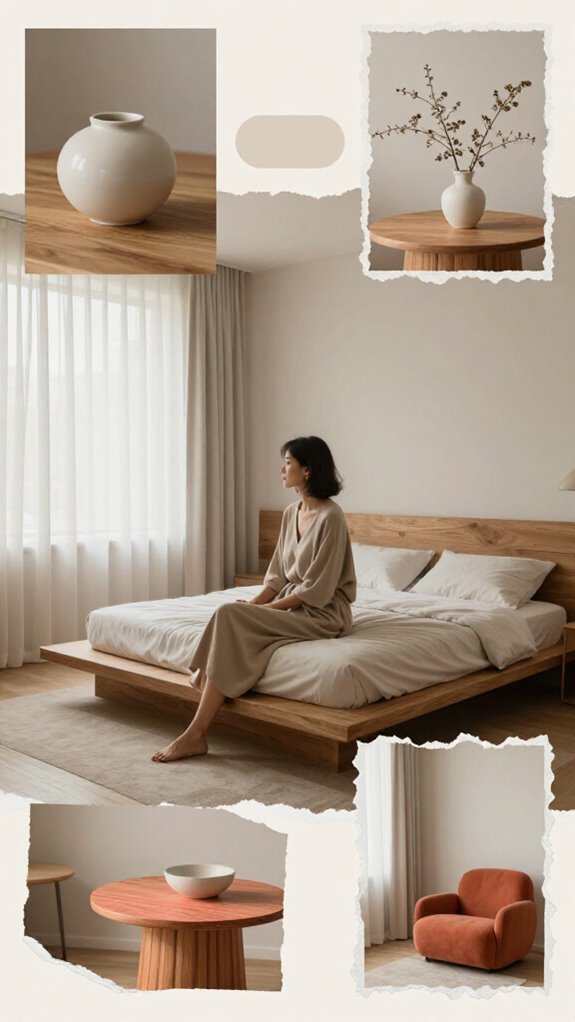
Japandi minimalism represents a harmonious fusion of Japanese and Scandinavian design philosophies. This aesthetic blends the clean lines and natural materials of Scandinavian simplicity with the refined elegance of Japanese aesthetics.
At its core, Japandi minimalism emphasizes the beauty in restraint, celebrating empty space and thoughtful curation over excess. Leading designers like Norm Architects and Keiji Ashizawa have championed this approach, which aligns with research showing minimalist environments can enhance focus and reduce stress.
How Japandi Minimalism Promotes Restful Sleep
By creating a calming, uncluttered environment, the principles of Japandi minimalism can directly promote more restful and restorative sleep.
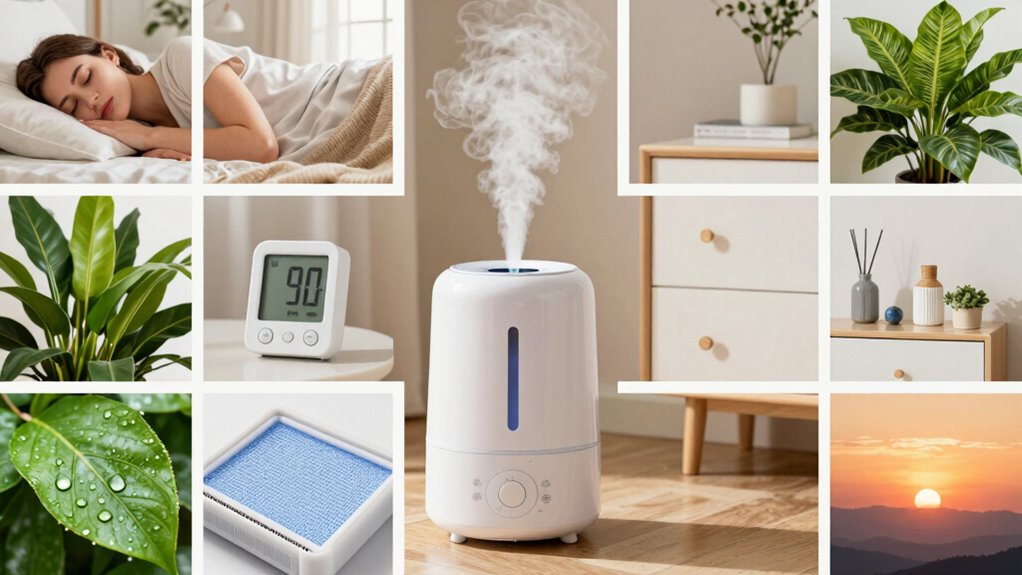
The emphasis on ambient lighting and natural textures creates a soothing atmosphere that eases the mind and body towards relaxation. A luxury humidifier in the bedroom can further enhance sleep quality by maintaining optimal air moisture levels that support respiratory comfort and deeper rest. Studies show that minimalist spaces with clean lines and neutral palettes can lower stress hormones, allowing the brain to fully disengage from daily demands.
This in turn facilitates deeper, more restorative sleep cycles. Ultimately, Japandi minimalism offers a holistic approach to bedroom design that supports ideal sleep quality for enhanced energy and well-being. The calming bedroom essentials found in Japandi-inspired spaces—such as soft linens, muted ceramics, and organic wood accents—further enhance the sensory experience that prepares the body for rest.
Essential Elements of a Japandi-Inspired Bedroom
When it comes to creating a Japandi-inspired bedroom, the focus shifts to carefully selected design elements that harmonize simplicity, functionality, and natural elements. The essential components include:
| Element | Description |
|---|---|
| Color Palette | Earthy tones like beige, grey, and warm wood hues create a calming, minimalist aesthetic. |
| Texture Contrast | Mixing smooth, sleek surfaces with cozy textiles like linen and wool adds visual interest. |
| Minimalist Furniture | Clean-lined bed frames, dressers, and nightstands prioritize form over excess ornamentation. |
| Natural Accents | Potted plants, woven baskets, and natural fiber rugs bring the outdoors in. |
| Decluttered Space | Streamlined storage and an uncluttered layout promote a sense of tranquility. |
Selecting the right japandi bed frames serves as the foundation for achieving this balanced aesthetic while ensuring proper support for restorative sleep. This design philosophy’s emphasis on calm design directly supports better sleep quality by reducing visual noise and mental stimulation.
Japandi Bedroom Decor Ideas for Maximum Relaxation
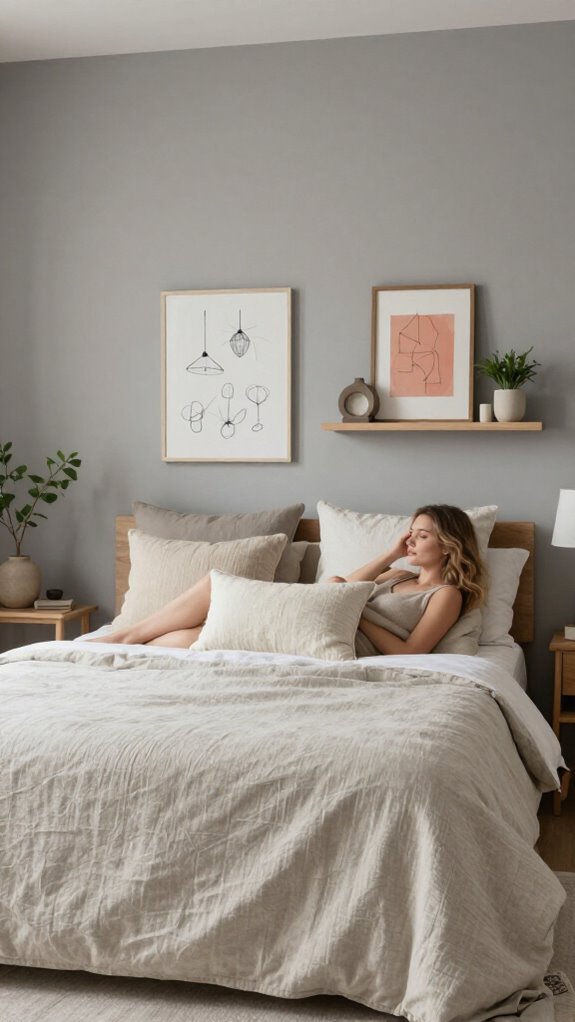
How can one create a Japandi bedroom that truly promotes relaxation? The secret lies in thoughtful color palettes and textile choices.
Opt for a neutral base of whites, grays, and beiges, then layer in natural wood tones for warmth. Textiles like linen, cotton, and wool add softness and texture.
A neutral base of whites, grays, and beiges, with natural wood tones for warmth, and soft textiles to add comfort.
Incorporate organic motifs through throw pillows or artwork. Minimalist lighting fixtures with dimmers help set a soothing mood.
Minimizing clutter and finding storage solutions are also key to maintaining a tranquil Japandi aesthetic. Install floating shelves to create serene vertical storage while preserving the minimalist aesthetic.
Best Products to Use
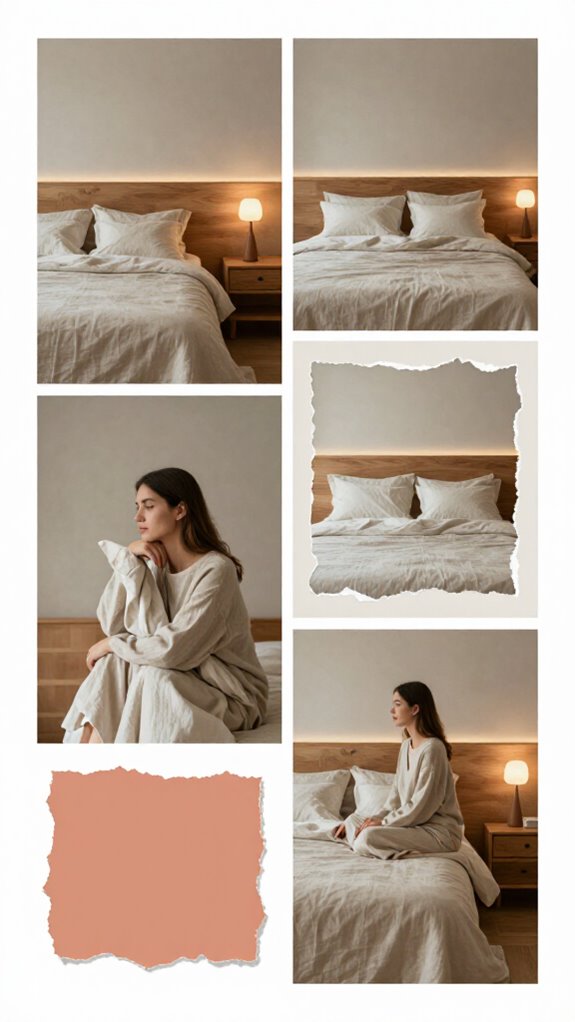
What’re some of the best products to use when creating a Japandi-inspired bedroom that promotes relaxation?
When it comes to bedding materials, look for high-quality linens made from natural fibers like linen or organic cotton. These breathable fabrics will keep you cool and comfortable.
Regarding lighting options, consider warm, dimmable LEDs or soft, diffused overhead lighting to create a soothing ambiance. Brands like West Elm and Muji offer minimalist lighting fixtures that embody the Japandi aesthetic.
Sustainable Japanese-Inspired Furnishings
| Material | Sustainability | Aesthetics |
|---|---|---|
| Oak | Durable, renewable | Warm, grounding |
| Walnut | Durable, renewable | Warm, earthy |
| Bamboo | Highly renewable | Durable, eco-friendly |
| Linen | Biodegradable, renewable | Airy, breathable |
| Wool | Renewable, biodegradable | Textural, cozy |
Amerisleep’s eco-friendly foam ensures a commitment to sustainability in Japandi-inspired bedrooms.
Sleep Quality Data
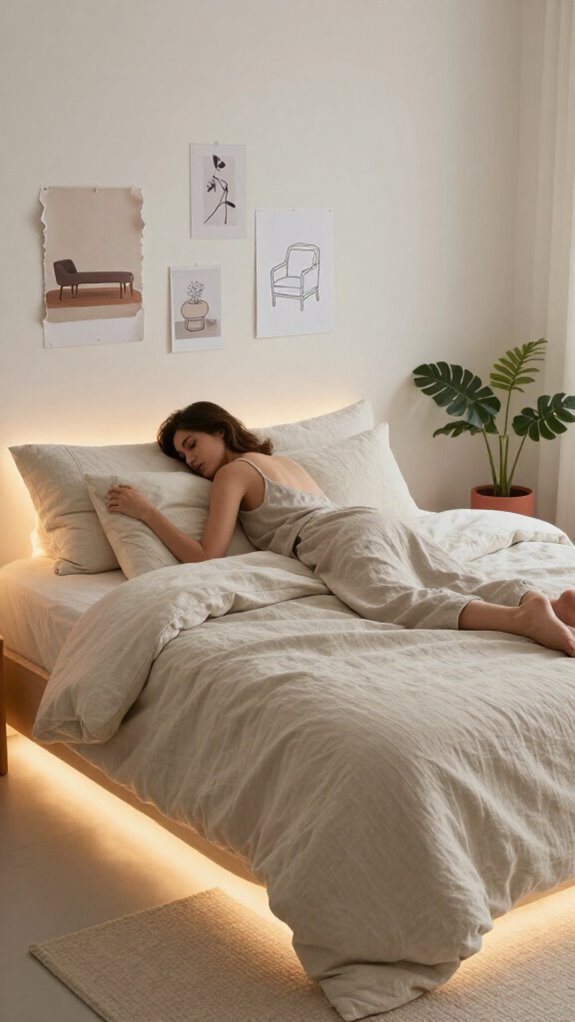
When it comes to achieving quality sleep, the type of lighting in the bedroom plays an essential role. Research shows that warm, dimmable lighting around 2700-3000K helps relax the nervous system and shift the body from alertness to rest. Soft ambient illumination creates a sanctuary-like atmosphere that prepares the mind for deep, restorative sleep. Cozy light fixtures with fabric shades or frosted glass diffuse harsh brightness and cast gentle pools of warmth that invite relaxation.
By replacing harsh 4000K bulbs with softer, warmer lamps, people can instantly lower stress levels and support better sleep hygiene. Warm and earthy color palettes help create a cocooning atmosphere, signaling emotional calmness in the bedroom.
Thoughtful layering of gentle, dimmable fixtures integrates natural materials to create an overall restorative environment ideal for the calm, focused restoration needed to recharge. Prioritizing these restorative lighting practices is key for Japandi minimalism’s restful bedroom design.
FAQ
Can Japandi Style Work in Small Bedrooms?
Don’t let your small bedroom stop you – Japandi style can work wonders. By using space-saving furniture and calming color schemes, you’ll create a powerful, restful haven right in your own home.
How Do I Incorporate Natural Materials Into My Japandi Bedroom?
To incorporate natural materials into your Japandi bedroom, focus on natural textiles like linen and wood accents like shelves or bedside tables. These organic elements will create a serene, grounding atmosphere.
What Are the Best Lighting Options for a Japandi-Inspired Space?
Soft, diffused ambient lighting sets the tone, while targeted task lighting illuminates your nightstand and vanity. This thoughtful layering creates a serene, Zen-like haven that recharges your batteries.
Can Japandi Style Be Used in Modern or Traditional Homes?
Absolutely, Japandi fusion can seamlessly integrate into both modern and traditional homes, showcasing its remarkable design versatility. Its streamlined aesthetic and natural materials complement a wide range of architectural styles and personal preferences.
How Can I Maintain a Minimalist Aesthetic in My Japandi Bedroom?
To maintain a minimalist aesthetic in my Japandi bedroom, I’ll focus on minimalist decor and decluttering tips. Did you know the average person owns 300,000 items? Decluttering is key to creating a restful, serene space.
References
- https://amerisleep.com/blog/japandi-bedroom-design/
- https://moderncre8ve.com/blogs/mid-century-modern-scandi-japandi-design-blog/japandi-bedroom
- https://everlastingfabric.com/blogs/ever-lasting-blog/how-to-style-a-japandi-bedroom-the-perfect-blend-of-minimalism-warmth
- https://www.2modern.com/blogs/modern-how-to/how-to-curate-a-serene-and-modern-japandi-bedroom
- https://www.womanandhome.com/homes/japandi-bedroom-ideas/
- https://houseofleon.com/blogs/homepage/how-to-use-japandi-interior-design-principles-to-decorate-every-room-in-your-home
- https://agoodlife.in/blogs/news/japandi-design-principles-japanese-minimalism-scandinavian-warmth
- https://www.rockymountainhardware.com/japandi-interior-design-explained/
- https://www.shopjapandi.com/blogs/design/japandi-101-rest-restore
- https://www.home-designing.com/japandi-bedroom-2-0-the-evolved-fusion-for-ultimate-sleep-sanctuaries