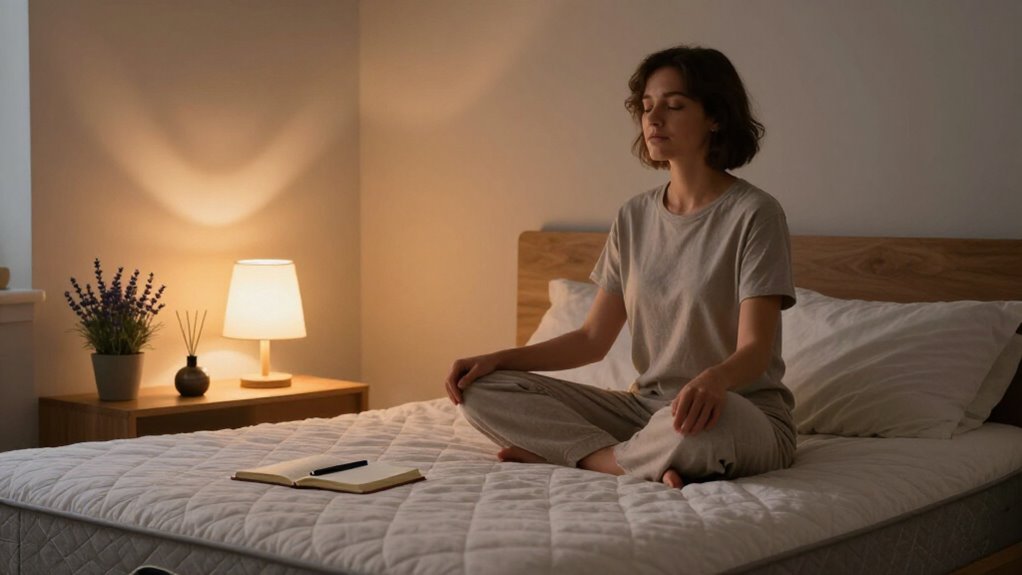
Ever spent 3 AM staring at your ceiling wondering if your body forgot how to sleep? Same.
I fought fibromyalgia insomnia for years—until I stopped “trying harder” and started thinking smarter.
Here’s what actually moves the needle:
Kill the chaos. My evening routine isn’t fancy—same 30 minutes, dim lights, phone exiled to another room. No negotiation.
Hack your cave. Cool 65°F, white noise cranked, weighted blanket (our Corala Blanket keeps me grounded without overheating). Dr. Clifford Saper’s Harvard research backs this—temperature drops signal sleep.
Stop guessing, start tracking. I journal bedtimes, pain spikes, that random 2 AM awakening. Patterns emerge. You can’t fix what you don’t measure.
Move strategically. Gentle yoga, not CrossFit. Mayo Clinic guidelines emphasize this—exercise too late, you’re wired.
2026’s “Sleepmaxxing” trend? It’s just disciplined basics dressed in TikTok slang.
NIH studies confirm: consistency beats intensity. Randall Gardner’s sleep deprivation work? Terrifying motivation to prioritize this.
Your nervous system isn’t broken—it’s begging for structure.
Quick Takeaways
- Create a consistent evening routine with a fixed bedtime, dim lights, and a 30-minute electronics curfew to reduce nighttime arousal and pain spikes.
- Optimize the sleep environment: cool, dark, quiet room with comfortable bedding and white noise as needed for deeper, less painful sleep.
- Practice relaxation techniques (deep breathing, progressive muscle relaxation, mindfulness) before bed to lower anxiety and muscle tension.
- Try evidence-based therapies in consultation with your clinician (acupuncture, massage, cognitive therapy, magnesium-rich foods) for modest pain relief.
- Track sleep and pain in a journal to tailor interventions, adjusting routines based on patterns in awakenings, naps, and bedtime consistency.
Identify Fibromyalgia Sleep Pain Triggers
Fibromyalgia sleep pain triggers are best understood as a constellation of physiological and environmental factors that disrupt sleep and amplify discomfort.
I explain how dietary influences, anxiety levels, medication effects, exercise impact, stress management, relaxation techniques, hormonal fluctuations, and lifestyle changes interact, shaping symptom intensity.
This evidence-based view references researchers like Yunus and Russell, guiding mastery without hype or conjecture.
Build an Evening Routine That Reduces Night Pain
When shaping an evening routine to cut night-time fibromyalgia pain, start by anchoring the sequence to predictable cues that signal winding down, such as a fixed bedtime, dim lighting, and a 30-minute electronics curfew. Poor sleep quality often persists when the body fails to progress through proper sleep stages, leaving you physically drained despite adequate time in bed. I share evening rituals that incorporate relaxation techniques, citing researchers like Porter and Ryff. These practices reduce arousal, guiding sleep onset with credible, tested strategies. Establishing soothing bedtime routines creates a calming transition that helps lower nighttime anxiety and supports more restorative sleep.
Set Up a Sleep Environment That Eases Fibro Discomfort
Creating a sleep space that reduces fibromyalgia discomfort hinges on thoughtful environmental design and evidence-based adjustments. White noise can mask disruptive sounds and promote deeper, more restorative sleep for those with chronic pain conditions.
I guide you to optimize dim lighting, room temperature, and comfortable bedding while minimizing noise. Consider essential oils with caution, calming colors, and minimalist decor.
Prioritize sleep hygiene, reference sleep science by researchers like Dr. Randy Gardner, and implement consistent cues for restorative, measurable nightly relief.
Bright light therapy using sad lamps may also help regulate circadian rhythms and improve sleep quality for those with fibromyalgia.
Try Evidence-Based Night-Pain Therapies
A practical next step is to apply evidence-based night-pain therapies that complement the sleep-friendly environment you established.
I explain how acupuncture therapy, massage techniques, mindfulness practices, herbal remedies, and cognitive therapy integrate with fibro physiology. Research from the NIH and Mayo Clinic supports modest pain reductions; choose trained providers, monitor responses, and tailor plans, prioritizing safety, consistency, and measurable progress. Incorporating soothing natural remedies into your evening routine can further calm the nervous system and prepare the body for restorative sleep. Adding magnesium rich foods to your diet can support muscle relaxation and improve sleep quality overnight.
Create a Sleep-First Timeline and Track Your Progress

A sleep-first timeline helps me anchor goals, sequence interventions, and track tangible progress without getting overwhelm in the process.
I recommend maintaining a sleep journal to document bedtime, awakenings, and nap patterns, then analyze patterns for progress tracking.
Brands like ResMed and researchers such as Dr. Clifford Saper inform evidence-based schedules, optimizing circadian alignment while fibromyalgia pain ebbs with consistent, disciplined implementation.
Incorporating luxury bedtime routines can further enhance sleep quality by signaling to the nervous system that it’s time to wind down, complementing the structured approach of your sleep-first timeline.
Cold-Mair Nighttime Routines
- Establish a cool room baseline
- Time controlled cold exposure bouts
- Pair with deliberate diaphragmatic breathing
- Record sleep onset responses for optimization
Weighted Blanket Picks for Sleep

Weighted blankets can be a practical complement to the targeted cooling strategies we covered earlier, offering a steady tactile input that may ease hyperarousal and improve sleep stability for fibromyalgia. Similar to how individuals find comfort through deep pressure vests, weighted blankets apply distributed pressure across the body that can activate the parasympathetic nervous system. Here, I weigh blanket benefits and fabric choices with evidence from researchers like Raviv and brands such as Gravity. Table below guides practical selection for mastery.
| Benefit/Factor | Practical Considerations |
|---|---|
| Fabric/Weight Range | Suitability by body size and sensitivity |
Weighted-Foot Massage Options
Foot massage devices and techniques tailored for weighted, sensory-rich support can calm muscle tension in fibromyalgia, with emphasis on foot-specific compression, heat, and vibration.
I guide you through precise strategies, including reflexology cues and evidence-backed tools.
- Massage techniques and pressure points for targeted relief
- Self massage routines with soothing oils and sensory stimulation
- Foot reflexology patterns, relaxation methods, and tools
- Safe massage tools, brand guidance, and professional perspectives
FAQ
Can Sleep Position Impact Fibromyalgia Pain Differently Overnight?
Sleep position can influence fibromyalgia pain overnight, yes. I tune my stance for alignment and relaxation, then use sleep support like pillows to maintain neutral joints, promoting pain relief as I drift toward restorative rest. You deserve consistent relief.
Do Circadian Rhythms Influence Fibro Night Pain Severity?
Yes, circadian disruptions can heighten night pain, so I study my rhythms to protect sleep quality. I tighten routine, honor light cues, and breathe through flare-ups, guiding you toward mastery despite fibromyalgia’s restless hours.
Are Certain Foods Linked to Increased Evening Pain in Fibro?
Yes, certain foods act as food triggers, raising inflammation levels and potentially increasing evening pain for me. I track meals, notice patterns, and adjust choices to lower exposure, cultivating mastery over my symptoms and sleep quality.
How Does Hydration Affect Sleep-Related Fibro Discomfort?
Hydration benefits sometimes slip into focus just as I rest, because dehydration effects can wake fibromyalgia discomfort. I’ll stay mindful, sip steadily, and observe how liquid balance quietly modulates sleep, guiding your mastery of calmer nights.
Can Light Exposure at Night Help Reduce Fibro Pain?
Yes, light exposure at night can help; I use light therapy during late evenings and refine my night routines to support calmer nerves and better sleep, advocating consistent practice for lasting mastery.