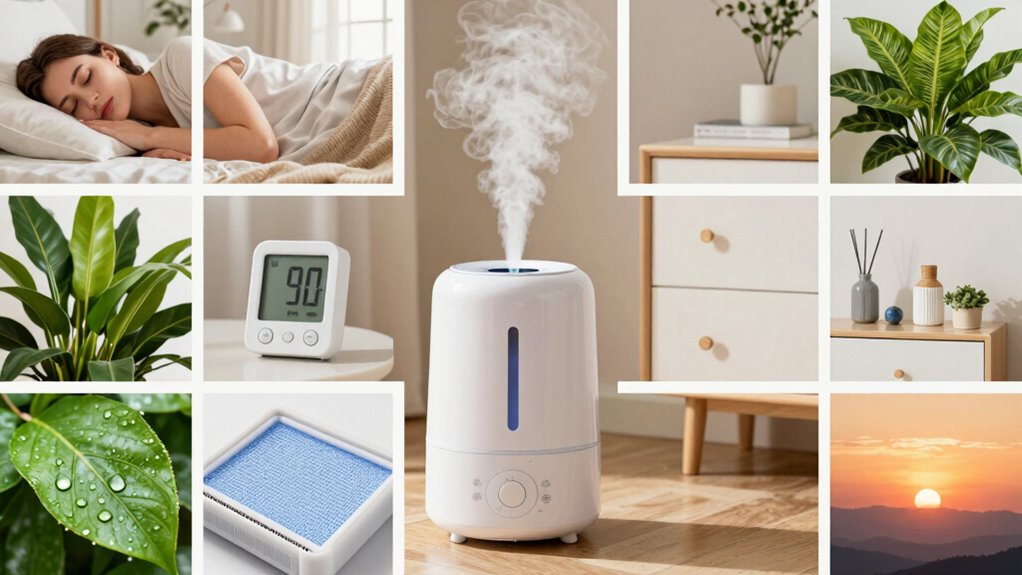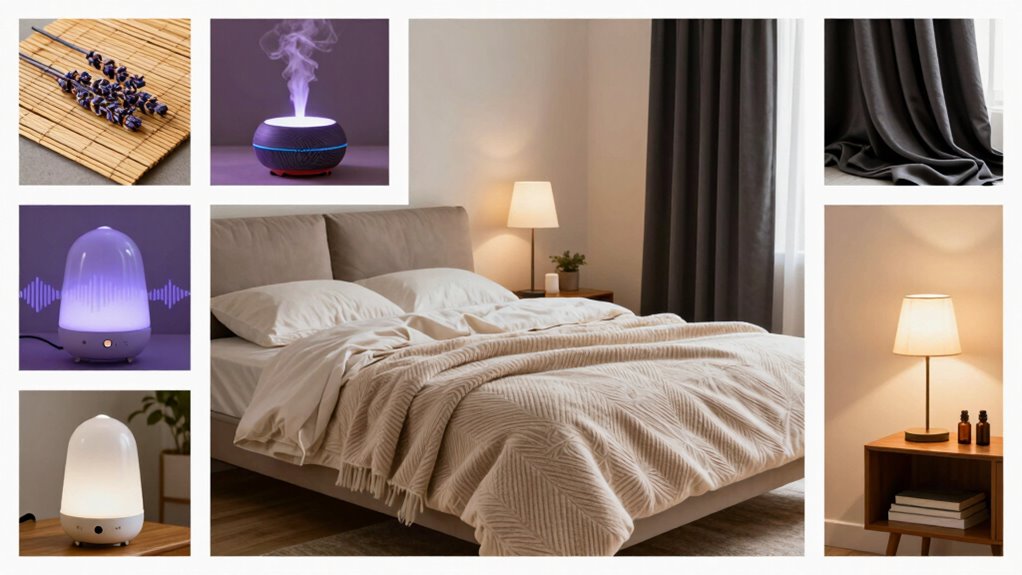
I used to be that person—scrolling in bed until midnight, tossing for hours. Total mess.
Then I actually committed to a ritual. Ditched my phone sixty minutes before sleep. Started with some breathwork at 8:30 PM, gentle stretching, maybe journaling. Honestly? Game changer.
But here’s the thing—your environment matters just as much. I invested in blackout curtains, upgraded to a silk pillowcase, and grabbed a weighted blanket. The difference was real. Temperature, light, comfort—it all clicks into place.
At Corala Blanket, we’re all about this stuff. We know better sleep isn’t some luxury fantasy. It’s science.
Your nervous system craves consistency. Give it that, pair it with the right tools, and watch what happens.
Quick Takeaways
- Establish a consistent bedtime routine at the same time daily to train your nervous system and naturally sync melatonin production.
- Implement pre-sleep breathwork using the 4-7-8 technique around 8:30 PM to signal your body it’s time to wind down.
- Eliminate screens at least sixty minutes before bed to prevent blue light from disrupting melatonin and keeping your mind wired.
- Optimize your sleep environment with blackout curtains, cool temperature (60-67°F), and quality bedding like silk pillowcases for comfort and temperature regulation.
- Layer calming rituals with aromatherapy diffusers, weighted blankets, and white noise machines to create a cohesive sleep sanctuary experience.
Limit Screen Time 60 Minutes Before Sleep
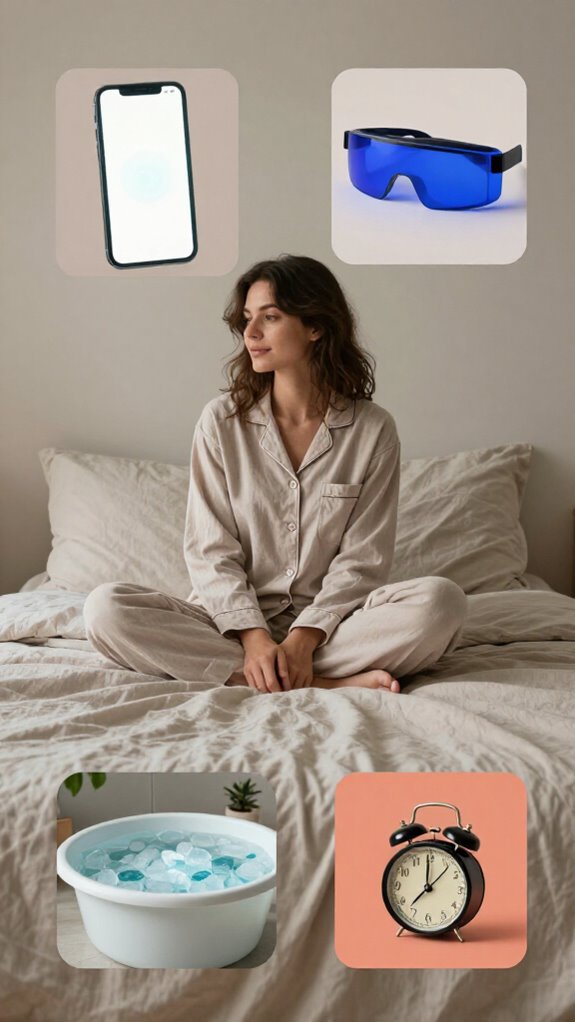
Why do you think you’re still wide awake at midnight, even though you hit the pillow exhausted? I’ll tell you: your phone’s probably glowing in your hands.
Here’s the truth I’ve discovered—blue light from screens disrupts melatonin production, keeping you wired. When I limit screens before sleep, I’m actually giving my brain permission to wind down.
I’ve started ditching my phone sixty minutes before bed, and honestly? It’s transformed everything. Consider blue-light blocking glasses or investing in a quality alarm clock instead of your phone. Your future self will thank you for this one simple change. Ice bath pods can further support recovery and improve sleep by helping regulate body temperature and promote relaxation cold therapy. A small bedside sleep-friendly plant can also enhance bedroom aesthetics and subtly improve air quality. Linen sheets promote airflow and temperature regulation, which can aid deeper sleep and support overall sleep quality.
Create a Sleep-Ready Wind-Down Schedule
Now that you’ve reclaimed your evenings from screens, you’re ready to fill that time with something that actually prepares your body for sleep. I’m talking about a calm bedtime routine that signals to your nervous system: it’s time to wind down.
Here’s my approach: start with pre-sleep breathwork around 8:30 PM. Try the 4-7-8 technique—breathe in for four counts, hold for seven, exhale for eight. Follow with gentle stretching or journaling.
Why does this work? You’re creating a predictable pattern your body craves.
Consider blackout curtains, weighted blankets, or aromatherapy diffusers to anchor your ritual. Consistency transforms these habits into powerful sleep triggers.
Establish a Consistent Bedtime Routine
I’ve hit the pillow at 10:30 AM, day after day, because your body becomes so predictable that falling asleep feels effortless rather than like wrestling a bear at midnight. Here’s what routine consistency actually does for you:
- Regulates your internal clock naturally
- Signals your brain it’s time to wind down
- Strengthens sleep quality dramatically
- Reduces tossing and turning
- Makes waking easier too
Your consistent bedtime trains your nervous system. When you’re faithful to the same schedule, melatonin production syncs perfectly. I’ve noticed blackout curtains, weighted blankets, and quality pillows amplify this effect beautifully. Want genuine rest? Your body craves predictability like nothing else. Floating nightstands offer space-saving bedside storage while keeping the area uncluttered.
Choose Sleep Rituals That Work for Your Body
What actually helps you drift off—meditation, reading, a warm bath, or maybe some gentle stretching—might be totally different from what works for your best friend, and that’s perfectly okay. Your personal energy and body temperature are uniquely yours, after all. I’ve discovered that lowering my body temperature with a cool bedroom or breathable bamboo sheets works wonders. Maybe you’re energized by journaling or aromatherapy diffusers instead. The key? Experimenting honestly with what genuinely relaxes you, not copying someone else’s routine.
Quality sleep masks, weighted blankets, and lavender pillow sprays are excellent tools for discovering your perfect wind-down ritual. Research shows that certain evening habits, like reducing screen time and keeping a consistent sleep schedule, can improve sleep quality. Many people find using a central smart home hub to coordinate lights and thermostats helps create a more consistent sleep environment. A soft cashmere blackout mask can also enhance restorative sleep by blocking light and promoting improved sleep.
Optimize Your Sleep Environment for Comfort
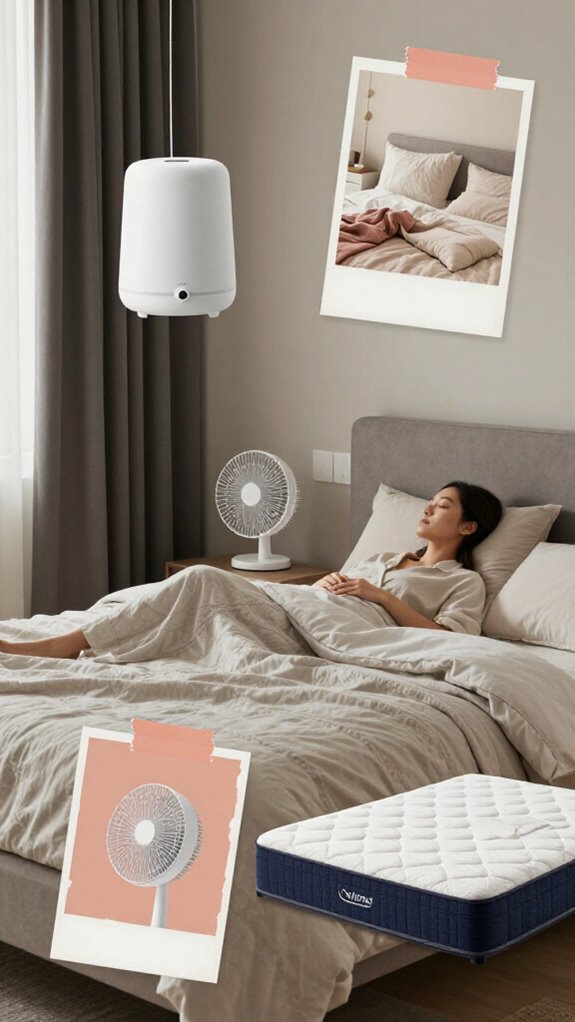
Have you ever noticed how a hotel room with blackout curtains and cool air feels like a sleep sanctuary?
Your bedroom deserves that same treatment. I’ve discovered that optimizing ambient lighting transforms everything—blackout curtains, dimmer switches, or even an eye mask work wonders. Minimizing noise matters too.
Here’s what I prioritize:
- Install blackout curtains or cellular shades
- Use a white noise machine or fan
- Keep your room temperature between 60-67°F
- Invest in quality, breathable bedding
- Remove electronic devices emitting light
These changes create an intimate haven where your body naturally wants to rest. Quality mattresses, weighted blankets, and silk pillowcases elevate comfort further. Your sleep sanctuary awaits—you’ve got this. Consider choosing toxin-free bedding to maintain a minimalist aesthetic and reduce exposure to harmful chemicals.
Upgrade Your Sleep Setup With Better Bedding
Your bedding is basically the foundation of your sleep success, yet so many of us sleep on sheets that feel like sandpaper and pillows flatter than pancakes. I’ve discovered that investing in quality bedding materials transforms my nightly routine.
| Bedding Material | Sleep Frequency Benefit |
|---|---|
| Bamboo sheets | Breathable, temperature-regulating |
| Memory foam pillows | Neck support, pressure relief |
| Weighted blankets | Deep relaxation, anxiety reduction |
| Egyptian cotton | Softness, durability, comfort |
| Silk pillowcases | Hair health, skin benefits |
Premium options like Brooklinen sheets and Purple pillows genuinely elevate rest. You’re not just buying fabric—you’re investing in intimate comfort that cradles you nightly. Gravity blankets can promote deep relaxation and improve sleep quality for many people.
Track and Refine Your Sleep Metrics
Once you’ve wrapped yourself in those silky sheets and plush pillows, here comes the fun part—actually measuring whether all that cozy goodness is working.
Once you’ve wrapped yourself in those silky sheets and plush pillows, here comes the fun part—actually measuring your sleep quality.
I’m tracking my sleep stages and refining wake times using smartwatches and sleep apps. Here’s what I’m monitoring:
- REM and deep sleep percentages
- Total sleep duration nightly
- Wake frequency and duration
- Sleep consistency across weekdays
- Heart rate variability trends
Don’t you want concrete data showing your progress? Devices like Oura Ring and Apple Watch deliver personalized insights. By identifying patterns—like noticing I sleep better after avoiding screens—I’m genuinely optimizing my nights. This intimate knowledge of my sleep transforms bedtime into purposeful rest, not just routine. Shift workers may also benefit from strategic light exposure to help adjust circadian rhythms and improve sleep outcomes for shift work sleep disorder. Consider enhancing your bedroom energy with feng shui crystal sets to support more restful nights. A helpful tool to compare features and accuracy across products is the tracking fitness trackers comparison table.
Silk Pillowcase Transforms Sleep Quality

What if the secret to waking up refreshed isn’t just about how long you sleep, but what your pillow’s made of?
I discovered that switching to a silk pillowcase genuinely transformed my sleep quality. Unlike cotton, silk reduces friction, meaning less tugging on your skin and hair. You’ll notice fewer wrinkles and breakage within weeks.
Here’s what sealed the deal for me: silk naturally regulates temperature, keeping you cooler throughout the night. It’s gentler on sensitive skin too. Many people also find adding a calming room spray to their bedtime routine helps create a more relaxing atmosphere for sleep.
Brands like Slip and Blissy offer premium options worth exploring. Your future self will thank you for this small upgrade.
Sleep quality can improve further when bedding is non-toxic, made without harmful chemicals that can disturb rest. Consider investing in silk pillowcases to elevate comfort and care.
Product Roundup
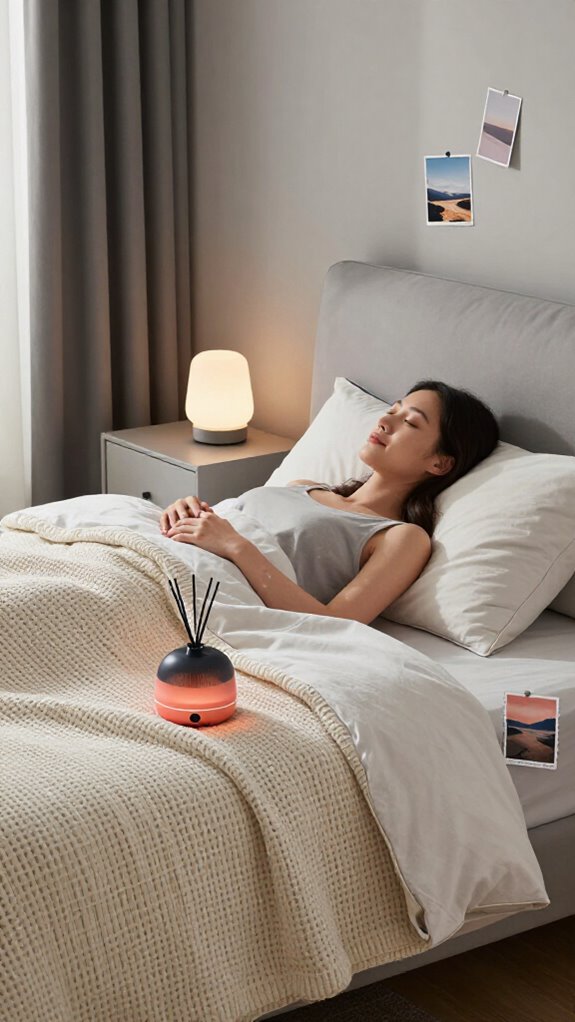
Since we’ve tackled the pillowcase game, let me walk you through some other game-changers I’ve tested that’ll round out your sleep sanctuary.
Since we’ve tackled the pillowcase game, let me walk you through some other game-changers that’ll round out your sleep sanctuary.
I’ve discovered these calming textures and mindful rituals truly transform your nights:
- Weighted blankets for grounding pressure
- Aromatherapy diffusers with lavender oil
- Blackout curtains blocking light pollution
- Bamboo sheets for breathable comfort
- White noise machines for sound masking
Want to know my favorite combo? I layer these elements together, creating a cocoon that whispers “sleep time.” Each product addresses a different sleep component—temperature, light, sound, comfort. When you’re intentional about these details, you’re not just going to bed; you’re honoring your body’s need for restoration. Ambient bedroom floor lamps can add a soft, indirect glow that enhances cozy ambiance and complements these elements. A consistent white noise source can also help mask sudden nighttime sounds and promote faster sleep onset. Mid-century nightstands can pull the whole look together and provide practical bedside storage for essentials like books and diffusers, making them a smart addition to any cozy bedroom.
FAQ
How Does Caffeine Intake Timing Affect Sleep Quality and Bedtime Ritual Effectiveness?
I’ve discovered that caffeine timing dramatically impacts your sleep quality. When you consume caffeine after 2 PM, it disrupts my bedtime ritual’s effectiveness. I find that eliminating afternoon caffeine intake helps me achieve the restful nights I crave with you.
What Role Does Exercise Timing Play in Optimizing Your Evening Wind-Down Routine?
I’ve found that moving your body’s like dimming a light before sunset—timing matters deeply. I practice evening stretches and breath pacing roughly three hours before bed, letting my nervous system settle into the calm I’m craving for tonight.
Can Dietary Choices in the Evening Impact the Success of Sleep Rituals?
I’ve found that what you’re eating matters tremendously. I’ll tell you—diet timing and snack composition directly influence how well you’ll sleep. I choose light, balanced snacks with protein and complex carbs, avoiding heavy foods that keep me restless and awake.
How Does Age Affect the Ideal Bedtime Routine and Sleep Ritual Preferences?
I’ve found that age-related shifts shape how you’ll want to wind down. Your developmental needs change—what worked at twenty won’t serve you at fifty. I recommend tailoring your ritual to where you’re at now, honoring what your body’s actually asking for.
What Underlying Health Conditions Might Interfere With Establishing Consistent Sleep Schedules?
I’ve found that sleep apnea and restless legs syndrome deeply interfere with my consistent sleep schedules. These conditions disrupt my ability to fall asleep and stay rested, making it challenging for me to establish reliable nighttime routines that truly serve my body.